.webp)

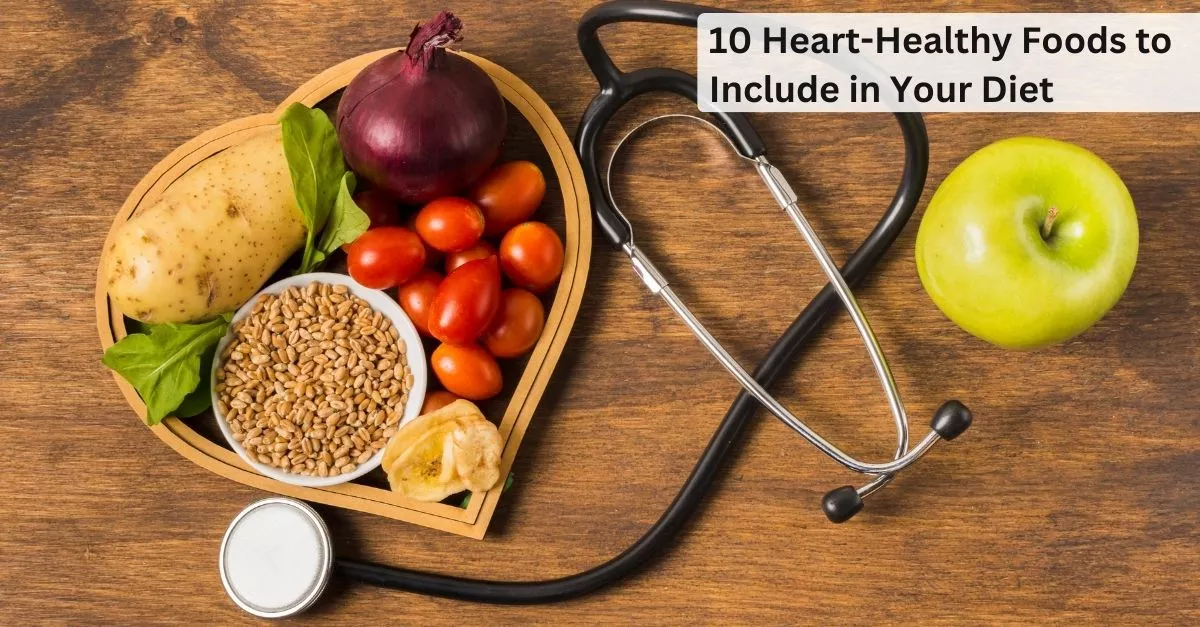
Diet and heart health are closely intertwined, and making the right dietary choices can have a significant impact on the well-being of your heart. By understanding the relationship between diet and heart health, individuals can take proactive steps towards maintaining a healthy cardiovascular system.
A balanced diet plays a crucial role in promoting heart health. Incorporating nutrient-rich foods such as fruits, vegetables, whole grains, lean proteins, and healthy fats into your daily meals can help reduce the risk of heart disease. These foods provide essential vitamins, minerals, antioxidants, and fiber that support optimal cardiovascular function.
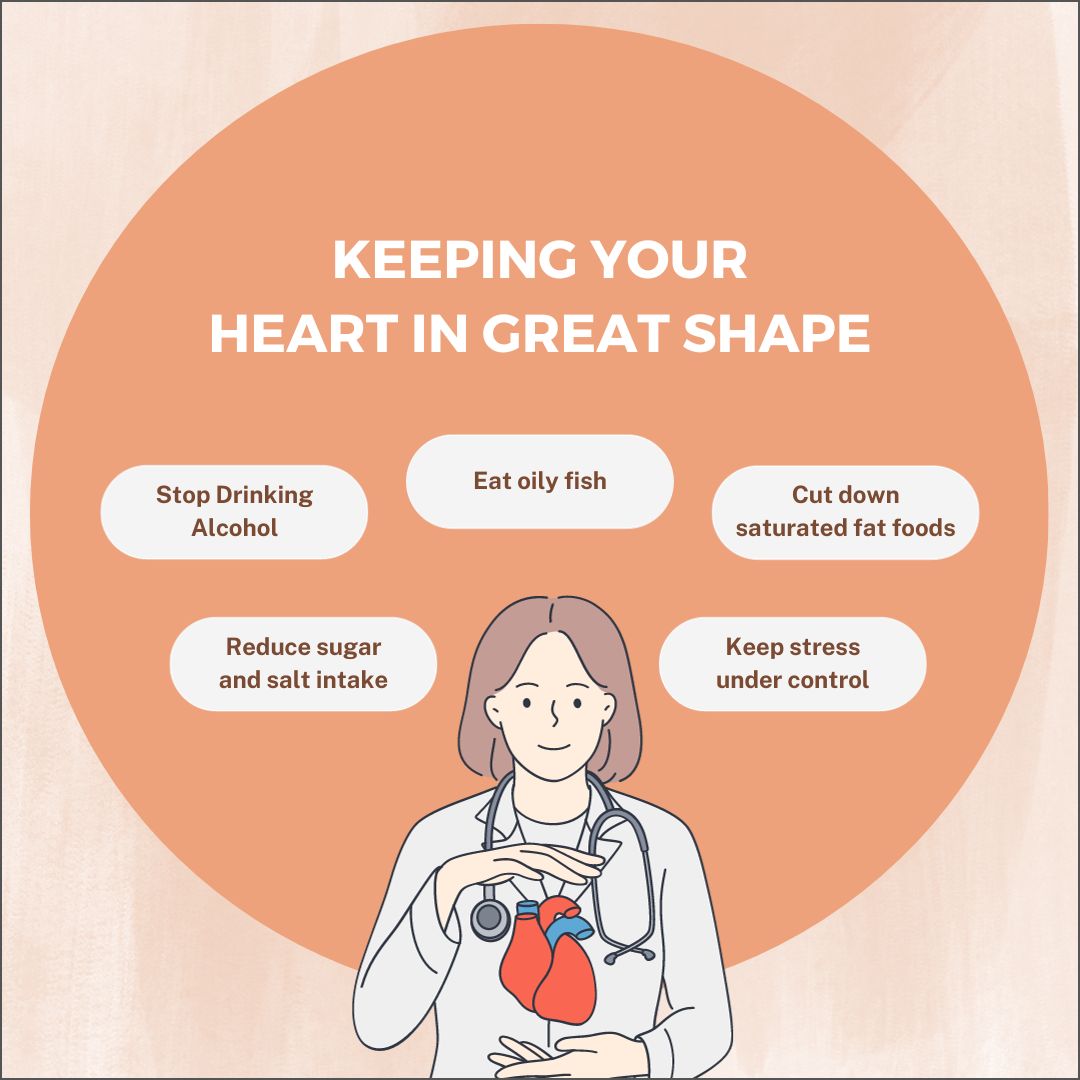
Additionally, limiting the intake of saturated fats, trans fats, cholesterol, sodium, and added sugars is important for maintaining a healthy heart. Foods high in these components can contribute to high blood pressure levels and unhealthy cholesterol levels - both of which are risk factors for heart disease.
Moreover, adopting specific dietary patterns like the Mediterranean diet or DASH (Dietary Approaches to Stop Hypertension) diet has been shown to have positive effects on heart health. These diets emphasize whole foods like fruits, vegetables, legumes, nuts/seeds while reducing processed foods and unhealthy fats.
It's also important to note that maintaining a healthy weight through proper nutrition is key in preventing heart disease. A balanced diet combined with regular physical activity can help manage weight effectively.
Thus, taking care of your heart starts with what you put on your plate. By following a well-balanced diet that prioritizes nutrient-dense foods while minimizing unhealthy components like saturated fats and added sugars; you can support optimal cardiovascular health for years to come.
To know more about Heart Attacks and lifestyle changes that can help in preventing Heart attacks, consult with the best cardiologists in Hyderabad.
What Are the Best Foods for Heart Health?
Eating a healthy diet is essential for maintaining heart health. When it comes to what to eat, there are several key factors to consider.
Firstly, incorporating a variety of fruits and vegetables into your diet is crucial. These nutrient-rich foods provide antioxidants, vitamins, and minerals that support heart health. Aim for at least five servings of fruits and vegetables each day.

Whole grains are another important component of a heart-healthy diet. Try whole grain breads, cereals, and pastas instead of refined grains. Whole grains contain fiber that can help lower cholesterol levels and reduce the risk of heart disease.
Including lean proteins in your meals is also beneficial for heart health. Choose sources such as skinless poultry, fish, legumes, and nuts. These protein options are lower in saturated fat compared to red meats.
When it comes to fats, it's important to focus on healthy fats rather than unhealthy ones. Healthy fats include sources like avocados, olive oil, nuts, and seeds. These fats can help improve cholesterol levels and reduce inflammation in the body.
Lastly, reducing sodium intake is crucial for maintaining a healthy heart. High sodium intake can contribute to high blood pressure which increases the risk of heart disease. Be mindful of
processed foods that tend to be high in sodium and opt for fresh or homemade meals whenever possible.
By incorporating these dietary guidelines into your daily routine, you can support your heart health and reduce the risk of cardiovascular diseases. Remember that making small changes over time can lead to long-term benefits for your overall well-being.
Which Foods Increase the Risk of Heart Disease?
By steering clear of certain foods and ingredients, we can significantly reduce the risk of heart disease and promote overall cardiovascular wellness.
One key factor to avoid is excessive consumption of saturated and trans fats. These unhealthy fats can raise cholesterol levels and increase the risk of developing heart-related issues. Foods high in saturated fats include red meat, full-fat dairy products, and fried foods. Trans fats are commonly found in processed snacks, baked goods, and some margarines.
Another dietary element to be cautious about is excessive sodium intake. Consuming too much salt can lead to high blood pressure, which puts strain on the heart and increases the likelihood of cardiovascular problems. Processed foods, canned soups, fast food meals, and salty snacks are often packed with hidden sodium content.
Furthermore, added sugars should be limited or avoided altogether for optimal heart health. High sugar intake has been linked to obesity, diabetes, and inflammation - all factors that contribute to heart disease risk. Sweetened beverages like soda or fruit juices with added sugars should be replaced with water or unsweetened alternatives.
By being mindful of these key dietary factors and making conscious choices to avoid them, we can take proactive steps towards promoting a healthy heart lifestyle. It's important to remember that small changes in our eating habits can make a big difference when it comes to long-term cardiovascular well-being.
10 Foods That Help Reduce the Risk of Heart Disease?
Green Leafy Vegetables: Vegetables like spinach, kale, and collard greens are rich in essential nutrients, including vitamins, minerals, and fiber. They are low in calories and can help maintain a healthy weight, which is important for heart health.
Whole Grains: Whole grains like brown rice, oats, rye, barley, and buckwheat provide complex carbohydrates, fiber, and various vitamins and minerals. They can help lower cholesterol levels and regulate blood sugar, reducing the risk of heart disease.
Berries: Berries such as strawberries, blueberries, and raspberries are packed with antioxidants, particularly flavonoids and polyphenols. These compounds can help reduce oxidative stress, inflammation, and the risk of heart disease.
Fish and Fish Oils: Fatty fish like salmon, mackerel, sardines, and tuna are excellent sources of omega-3 fatty acids. These healthy fats have been shown to reduce the risk of heart disease by lowering triglycerides, reducing inflammation, and improving heart rhythm.
Walnuts: Walnuts are a great source of heart-healthy fats, fiber, and micronutrients like magnesium and potassium. They can help lower bad LDL cholesterol and reduce the risk of blood clots.
Chia Seeds and Flax Seeds: These seeds are rich in fiber and omega-3 fatty acids. They can help lower cholesterol levels, reduce inflammation, and support overall heart health.
Garlic: Garlic has been associated with several heart-protective benefits, including lowering blood pressure, reducing cholesterol levels, and improving blood vessel function.
Olive Oil: Extra virgin olive oil is a staple of the Mediterranean diet and is rich in antioxidants, particularly monounsaturated fats. Regular consumption can help lower the risk of chronic heart diseases like coronary artery disease.
Almonds: Almonds are a source of vitamins and minerals, including vitamin E, magnesium, and potassium. These nutrients support heart health by helping to reduce blood pressure and inflammation.
Green Tea: Green tea is known for its high concentration of antioxidants, particularly catechins. It can help with weight management by boosting metabolism, reducing body fat, and improving insulin sensitivity, all of which are beneficial for heart health.
To know more about Heart Attacks and lifestyle changes that can help in preventing Heart attacks, consult with the best cardiologist in nanakramguda.
Related Blog Articles:
1. The Silent Threat: How Chronic Stress Impacts Your Cardiovascular System
2. Unmasking the Rising Tide of Heart Attacks Among Young Adults