• Share this:
post-title

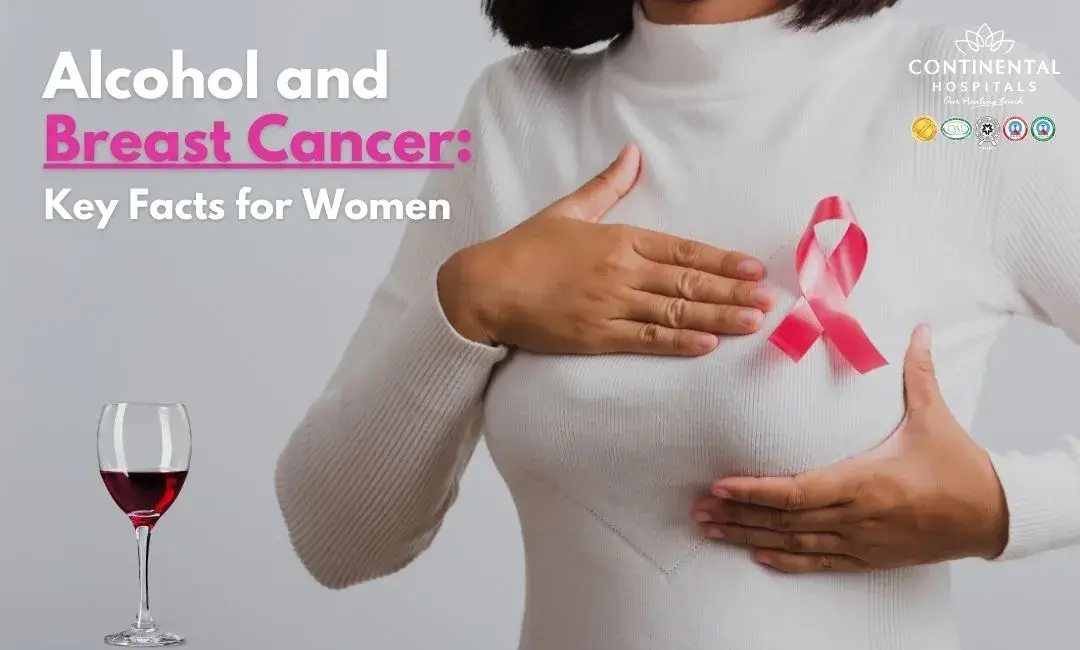
Alcohol and Breast Cancer: Key Facts for Women

Written by - Editorial Team
Medically Reviewed by - Dr Apoorva Kulkarni

Alcohol consumption is a part of many social gatherings and celebrations. However, it’s important for women to understand the risks associated with alcohol use, particularly in relation to breast cancer. Studies have shown a clear link between alcohol consumption and an increased risk of developing breast cancer. In this blog, we’ll explore the key facts you need to know about alcohol and breast cancer, empowering you to make informed decisions about your health.

What Is the Link Between Alcohol and Breast Cancer?

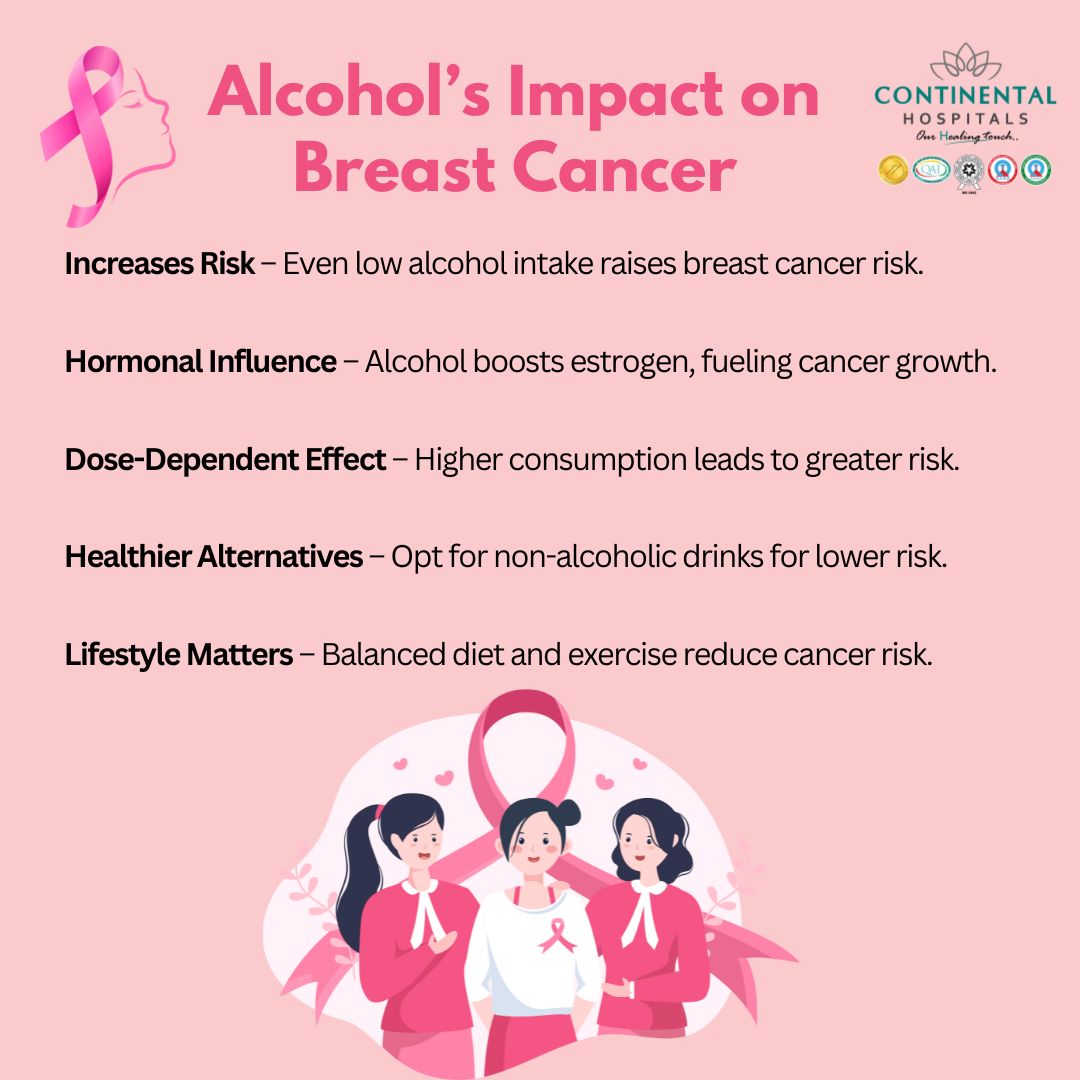
Numerous scientific studies have established that alcohol consumption increases the risk of breast cancer. When consumed, alcohol is metabolized by the liver and can interfere with estrogen levels in the body. Estrogen, a hormone that promotes the growth of breast cells, plays a significant role in the development of breast cancer. Higher levels of estrogen can encourage the growth of cancerous cells in the breast tissue, which is why alcohol intake is thought to have a direct impact on breast cancer risk.

Research shows that women who consume alcohol are at a higher risk of developing breast cancer compared to those who do not drink. Even small amounts of alcohol can have a cumulative effect, with the risk increasing as alcohol consumption rises. The more alcohol a woman drinks over time, the greater the likelihood of developing breast cancer.

If you have concerns about breast cancer risk, don't delay. Visit our Best Cancer Specialist in Hyderabad for expert consultation, advanced screening, and compassionate cancer care.
How Does Alcohol Affect Estrogen Levels?

Alcohol has been linked to higher levels of estrogen, which can contribute to the development of breast cancer. This happens because alcohol increases the production of estrogen in the body. Estrogen is a hormone that helps regulate various bodily functions, but it can also stimulate the growth of certain types of breast cancer cells. Research has shown that women who drink alcohol have elevated estrogen levels, which may increase the risk of breast cancer.

This is particularly concerning for women who have a family history of breast cancer or a genetic predisposition to the disease. Women with such risk factors may find that alcohol consumption increases their overall risk even further.

How Much Alcohol is Too Much?

When it comes to alcohol and breast cancer risk, moderation is key. The more you drink, the higher your risk of developing breast cancer. The American Cancer Society recommends that women limit their alcohol consumption to no more than one drink per day. One standard drink is typically equivalent to:

  • 12 ounces of beer
  • 5 ounces of wine
  • 1.5 ounces of distilled spirits (such as whiskey, vodka, or gin)

It’s important to note that binge drinking (consuming a large quantity of alcohol in a short period) significantly increases the risk of breast cancer. Even moderate drinking over time can contribute to a higher risk, so it’s important to be mindful of your consumption.

Second Opinion

How Does Alcohol Consumption Affect Hormone Receptor-Positive Breast Cancer?

Not all breast cancers are the same, and some are more closely linked to alcohol consumption than others. Hormone receptor-positive breast cancer (HR-positive) is the most common type of breast cancer, and it’s sensitive to the hormones estrogen and progesterone. Studies have shown that alcohol consumption is particularly harmful to women who are at risk for HR-positive breast cancer.

Alcohol can increase the likelihood of developing HR-positive breast cancer by promoting the growth of hormone-sensitive cancer cells. This highlights the importance of managing alcohol consumption, especially for women who have a higher risk of developing HR-positive breast cancer.

Does genetics increase the risk of alcohol-related breast cancer?

Genetics plays a significant role in determining your risk for breast cancer. If you have a family history of breast cancer or carry certain genetic mutations, your risk may be higher than that of women without such a family history. However, even if you don’t have a family history of breast cancer, alcohol consumption can still contribute to your overall risk.

Some women are genetically predisposed to metabolize alcohol more slowly, which can increase their exposure to alcohol’s harmful effects on breast tissue. In these cases, even moderate drinking could have a more significant impact on breast cancer risk. Understanding your genetic predisposition is important when considering how alcohol may affect your health.

How Does Alcohol Affect Women's Health Beyond Breast Cancer?

While the focus of this blog is on alcohol and breast cancer, it’s also important to understand that alcohol consumption can impact a woman’s overall health. Alcohol use is associated with a range of other health risks, including liver disease, heart disease, and other types of cancer. Excessive alcohol consumption can also affect mental health, leading to issues such as anxiety and depression.

Women should consider these broader health impacts when evaluating their alcohol consumption habits. If you’re concerned about the effects of alcohol on your health, it may be beneficial to reduce or eliminate alcohol from your routine.

How Can Women Reduce Their Risk of Breast Cancer?

If you’re concerned about the link between alcohol and breast cancer, there are several steps you can take to reduce your risk:

Need an Appointment?

Limit alcohol consumption: As mentioned earlier, it’s advisable for women to limit alcohol intake to one drink per day.

Choose alcohol-free days: Designating certain days of the week as alcohol-free can help reduce your overall consumption and give your body time to recover.

Maintain a healthy lifestyle: Eating a balanced diet, exercising regularly, and maintaining a healthy weight can help lower your overall risk of breast cancer.

Be aware of family history: If you have a family history of breast cancer, make sure to discuss this with your doctor so they can help you monitor your health and recommend preventive measures.

Get regular screenings: Regular breast cancer screenings, such as mammograms, can help detect cancer early when it’s easier to treat.

Conclusion

Understanding the connection between alcohol and breast cancer is essential for women who want to protect their health. While it’s okay to enjoy alcohol in moderation, it’s important to be aware of the risks and take steps to minimize them. Limiting alcohol intake, making healthy lifestyle choices, and staying informed about your family history can all contribute to reducing the risk of breast cancer. Most importantly, don’t hesitate to seek medical advice if you have concerns—your health is your greatest asset.

Worried about alcohol's impact on breast cancer risk? The experts at Continental Cancer Centre, the Best oncologist in Hyderabad, provide personalized guidance for your health. Don't wait—schedule a consultation today for expert care!

Related Blog Topics:

  1. Why Hormone Therapy Sometimes Fails in Breast Cancer
  2. How can doctors determine if breast cancer has spread?

Frequently Asked Questions

Yes. Research shows that drinking alcohol can increase the risk of breast cancer, even in women who consume small amounts regularly. Alcohol can raise estrogen and other hormone levels that influence breast tissue. It may also damage DNA and reduce the body's ability to repair damaged cells. The risk increases with the amount of alcohol consumed over time. While occasional drinking may carry a lower risk than heavy drinking, there is no completely safe level when it comes to breast cancer prevention. Women with a family history of breast cancer or other risk factors should be especially mindful of alcohol intake. Limiting or avoiding alcohol is one of the lifestyle changes that may help reduce breast cancer risk. Regular screening and healthy habits are equally important for early detection and prevention.
The risk of breast cancer increases as alcohol consumption increases. Studies suggest that even one alcoholic drink per day may slightly raise the risk compared to women who do not drink. Higher amounts of alcohol further increase the likelihood of developing breast cancer. The effect is cumulative, meaning the risk builds over many years of regular drinking. Different people may respond differently based on genetics, hormone levels, and overall health. Women who have additional risk factors should discuss alcohol consumption with their healthcare provider. Reducing the number of alcoholic drinks or avoiding alcohol altogether can lower this modifiable risk factor. Choosing healthier lifestyle habits alongside regular breast cancer screening supports long term breast health.
Alcohol affects the body in several ways that may contribute to breast cancer development. It can increase estrogen levels, and higher estrogen exposure is linked to certain types of breast cancer. Alcohol may also damage DNA, making it harder for cells to repair themselves properly. In addition, it can produce harmful substances during metabolism that may increase cancer risk. Regular alcohol use may interfere with the absorption of important nutrients that help protect cells. The combined effects over many years may raise the likelihood of abnormal cell growth. Maintaining a balanced diet, exercising regularly, and limiting alcohol intake can help reduce these risks. Regular health checkups remain essential for early detection.
No. Whether it is wine, beer, or spirits, the alcohol itself is considered the main factor associated with breast cancer risk. Some people believe that red wine is safer because it contains antioxidants, but current evidence does not show that it eliminates the cancer risk linked to alcohol. The amount of pure alcohol consumed is more important than the type of drink. Drinking larger quantities or drinking frequently increases overall exposure. Women should not assume that one type of alcoholic beverage is completely safe. If alcohol is consumed, it should be limited as much as possible. Healthy lifestyle choices and routine breast screening remain the best strategies for lowering overall risk.
Reducing or stopping alcohol consumption can help lower future breast cancer risk, especially when combined with other healthy habits. While past alcohol use cannot be changed, making healthier choices today may benefit long term health. Avoiding alcohol reduces ongoing exposure to factors that may contribute to cancer development. Maintaining a healthy weight, staying physically active, eating a balanced diet, and not smoking further support breast health. Women should also attend recommended breast cancer screenings based on their age and risk profile. Those with a family history or genetic risk should seek personalized medical advice. Lifestyle changes work best when adopted consistently over time.
Women with a family history of breast cancer, inherited genetic mutations, previous breast conditions, or other known risk factors should be particularly cautious about alcohol consumption. Women who have already been treated for breast cancer should also discuss alcohol use with their doctor. Alcohol may add to existing risk factors and increase the chance of developing or recurring disease. Older women may also experience higher cumulative risk due to long term exposure. Every individual's health profile is different, so personalized medical guidance is important. Reducing alcohol intake is a practical step that can support overall cancer prevention. Combining healthy habits with regular medical checkups provides the greatest benefit.
Although breast cancer cannot always be prevented, several healthy lifestyle choices may help reduce the risk. Limiting alcohol intake is one important step. Maintaining a healthy weight, exercising regularly, eating a nutritious diet, avoiding tobacco, and breastfeeding when possible may also contribute to better breast health. Women should perform breast self awareness and report any unusual changes promptly. Routine mammograms and clinical breast examinations are important for early detection, especially for women above the recommended screening age. Those with a strong family history may require additional screening or genetic counseling. Discussing personal risk factors with a healthcare provider helps create an appropriate prevention plan.
You should consult a doctor if you notice a breast lump, changes in breast size or shape, nipple discharge, skin dimpling, persistent breast pain, or any unusual changes that do not go away. Women with a family history of breast cancer or concerns about alcohol related risk should also seek medical advice. A healthcare provider can evaluate your personal risk factors and recommend appropriate screening tests such as mammography or ultrasound when needed. Early detection greatly improves treatment outcomes. Even if you have no symptoms, regular preventive checkups are valuable. Discussing your lifestyle, including alcohol consumption, with your doctor can help you make informed decisions about protecting your long term breast health.
Disclaimer: The information provided in this blog is intended for general knowledge and informational purposes only, and does not constitute medical advice. Always consult with a qualified healthcare professional for any medical concerns or before making any decisions about your health.

Get in Touch With Us

Whether you are from India or abroad, we are here to help you with your medical queries. Please fill out the form below and our team will connect with you shortly.

  • ✔ Quick response from our medical experts
  • ✔ Secure data handling & privacy
  • ✔ Easy upload for reports & documents
0 / 100
Checkboxes Section


Chat with our medical experts on WhatsApp for quick assistance and hassle-free appointment booking

Recent Posts
Language Based Image
0 / 100