.webp)

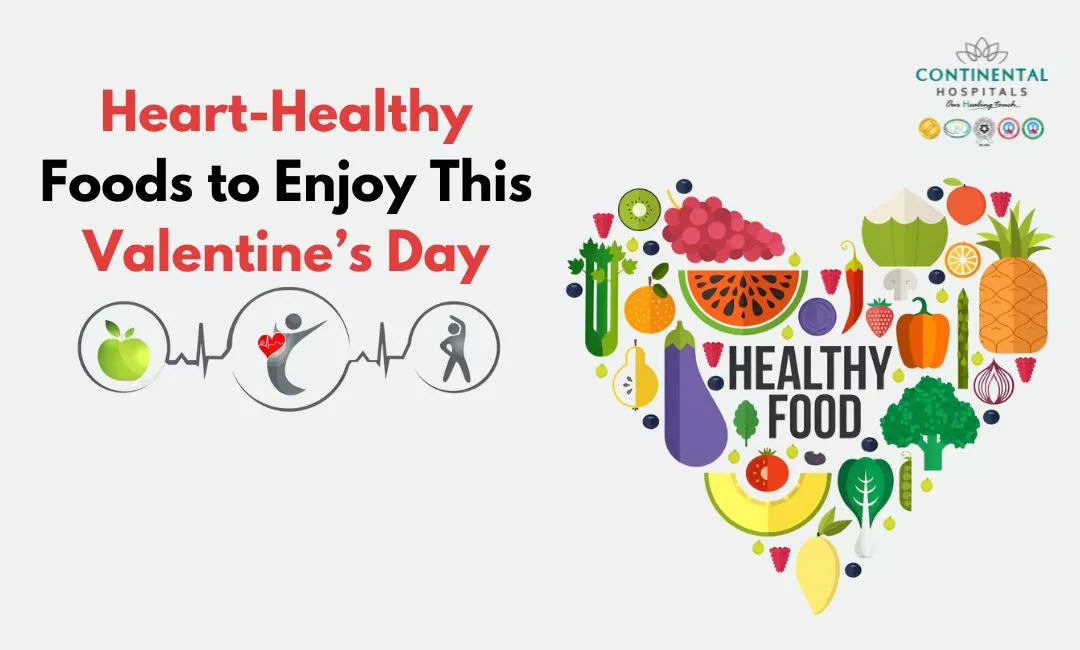
Valentine's Day is the perfect time to show your loved ones just how much they mean to you, and what better way to do that than by taking care of their hearts with a thoughtful meal? Whether you’re preparing a romantic dinner or planning to share a cozy meal at home, choosing heart-healthy foods can make this day extra special. Not only do these foods nourish your body, but they also play a key role in promoting heart health. Let’s take a closer look at some heart-healthy foods to enjoy this Valentine’s Day!
1. Berries: Sweet and Nutrient-Packed
Berries like strawberries, blueberries, raspberries, and blackberries are not only delicious, but they’re also packed with antioxidants that help protect your heart. Antioxidants such as flavonoids can reduce inflammation and help lower blood pressure. Adding berries to your Valentine’s Day meal is an easy way to boost your heart health and satisfy your sweet tooth.
How to Enjoy:
Serve them fresh in a fruit salad, blend them into a smoothie, or even add them as a topping on your favourite whole-grain cereal or yogurt. For a special touch, dip them in dark chocolate for an extra indulgence that’s still heart-friendly!
2. Leafy Greens: A Nutrient Powerhouse
Leafy green vegetables like spinach, kale, arugula, and Swiss chard are excellent sources of vitamins, minerals, and fiber. These nutrient-packed greens are also high in folate, which is known to help reduce the risk of heart disease by lowering levels of homocysteine, an amino acid linked to heart problems.
How to Enjoy:
Consider adding leafy greens to a hearty salad or as a side dish to your main course. You can also incorporate them into pasta dishes or use them as a base for a healthy wrap.
3. Salmon: Omega-3 Fatty Acids for Heart Health
Fatty fish such as salmon, mackerel, and sardines are rich in omega-3 fatty acids, which are known to reduce the risk of heart disease. Omega-3s help lower bad cholesterol (LDL) levels, reduce inflammation, and even help prevent blood clots. If you're looking for a meal that’s both heart-healthy and delicious, salmon is the way to go.
How to Enjoy:
Grill, bake, or pan-sear a piece of salmon with a sprinkle of herbs and a dash of olive oil. Pair it with a side of steamed vegetables or a quinoa salad for a light yet filling Valentine’s Day dinner.
4. Nuts and Seeds: Crunchy, Satisfying, and Heart-Healthy
Nuts and seeds, including almonds, walnuts, flaxseeds, chia seeds, and sunflower seeds, are excellent sources of healthy fats, fiber, and protein. These foods are rich in monounsaturated and polyunsaturated fats, which help lower cholesterol levels and improve heart health. Walnuts, in particular, contain omega-3 fatty acids, making them a double win for your heart.
How to Enjoy:
Add nuts and seeds to your salad or sprinkle them over yogurt or oatmeal. For a special treat, whip up some homemade energy bites or trail mix with a variety of your favorite nuts and seeds.

5. Avocados: Creamy and Full of Good Fats
Avocados are known for their creamy texture and versatility, and they are loaded with heart-healthy monounsaturated fats. These fats help reduce bad cholesterol levels while increasing good cholesterol (HDL). They also contain potassium, which helps regulate blood pressure, another important factor in maintaining a healthy heart.
How to Enjoy:
Spread mashed avocado on whole-grain toast, add it to a salad, or serve it as a dip with veggies or whole-grain crackers. You can even use it as a creamy base for smoothies or desserts.
6. Dark Chocolate: The Sweet Heart-Healthy Treat
Yes, you read that right! Dark chocolate, particularly varieties that contain 70% or more cocoa, is packed with antioxidants and has been shown to improve heart health by lowering blood pressure and increasing blood flow. It’s also a great source of flavonoids, which help reduce inflammation.
How to Enjoy:
Enjoy a few pieces of dark chocolate as a sweet treat after your meal, or use it as a topping for your berry dessert. Dark chocolate can also be paired with a glass of red wine for a truly indulgent yet heart-healthy experience.
7. Whole Grains: Fiber-Rich and Heart-Healthy
Whole grains like oats, quinoa, barley, and brown rice are loaded with fiber, which helps lower cholesterol and reduce the risk of heart disease. Fiber helps keep your digestive system healthy and supports a balanced diet. It also helps regulate blood sugar levels and promotes healthy weight management, both of which contribute to overall heart health.
How to Enjoy:
Start your day with a bowl of oatmeal topped with berries and nuts, or enjoy quinoa as a side dish with your dinner. Whole grains are also great in soups, stews, and stir-fries.
8. Tomatoes: A Rich Source of Lycopene
Tomatoes are a fantastic source of lycopene, an antioxidant that has been shown to lower the risk of heart disease by reducing inflammation and protecting against the harmful effects of free radicals. They also contain potassium, which helps manage blood pressure levels.
How to Enjoy:
Incorporate tomatoes into a fresh salad, use them as a base for pasta sauce, or enjoy them roasted with a drizzle of olive oil and herbs. A tomato-based soup or chili is also a great way to warm up on a cold Valentine’s Day evening.
9. Legumes: Plant-Based Protein for Heart Health
Beans, lentils, chickpeas, and other legumes are packed with plant-based protein and fiber. They are low in fat and cholesterol-free, making them an excellent option for maintaining a healthy heart. Legumes help lower cholesterol, control blood sugar, and support healthy blood pressure.
How to Enjoy:
Add beans or lentils to a hearty salad, make a flavorful bean dip, or try a veggie burger made with chickpeas. Legumes are also a great addition to soups and stews.
Conclusion: Celebrate Love and Heart Health
This Valentine’s Day, show your love for your heart and the hearts of those around you by choosing heart-healthy foods that nourish the body and promote well-being. By incorporating these nutritious options into your meal, you’re not only indulging in a delicious meal but also supporting your cardiovascular health. If you are searching for the Best Cardiologist in Hyderabad, our specialists provide comprehensive heart care with a focus on accurate diagnosis and effective treatment.
If you have concerns about your heart health or are looking for personalized advice on how to maintain a healthy heart, don’t hesitate to contact our best Cardiologists at Continental Hospitals.