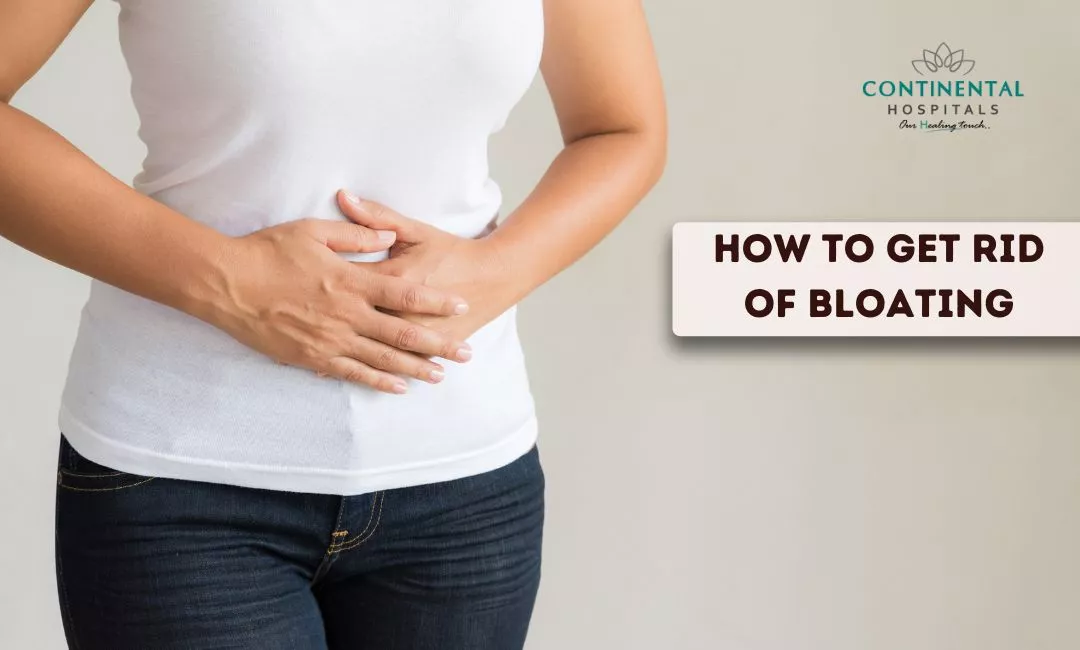
post-title

how to get rid of bloating

Written by - Editorial Team
Medically Reviewed by - Dr Guru N Reddy

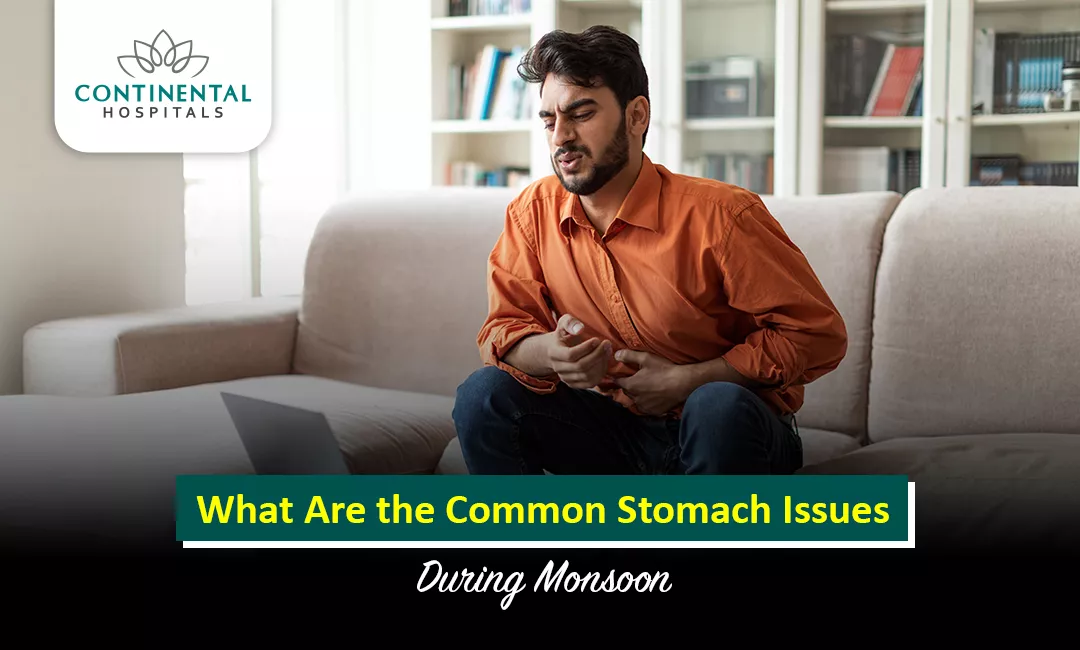
Bloating is a common and uncomfortable condition that many people experience. It can make your stomach feel swollen, tight, and full, often accompanied by pain or discomfort. The good news is that there are numerous ways to address bloating, ranging from dietary adjustments to lifestyle changes and natural remedies. In this comprehensive guide, we will explore the causes of bloating and provide practical tips on how to get rid of it.

What Is Bloating?

Bloating occurs when the gastrointestinal (GI) tract becomes filled with air or gas. This can result from various factors, including diet, lifestyle, and medical conditions.

Common symptoms of bloating include:

  • Abdominal swelling
  • Feeling full quickly
  • Excessive gas
  • Abdominal pain or discomfort
  • Rumbling or gurgling sounds in the stomach

What are the common causes of bloating?

Understanding the causes of bloating is the first step in addressing the issue.

Dietary Choices: Certain foods are more likely to cause bloating. These include high-fiber foods, carbonated beverages, and certain vegetables like broccoli and cabbage.
Overeating: Consuming large meals can stretch the stomach and cause bloating.
Swallowing Air: Eating or drinking too quickly, chewing gum, or smoking can lead to swallowing air, which can cause bloating.
Food Intolerances: Lactose intolerance, gluten sensitivity, and other food intolerances can lead to bloating.
Constipation: When stool builds up in the intestines, it can cause bloating.
Hormonal Changes: Women may experience bloating due to hormonal fluctuations during their menstrual cycle.
Medical Conditions: Conditions such as irritable bowel syndrome (IBS), inflammatory bowel disease (IBD), and gastroesophageal reflux disease (GERD) can cause bloating.

If bloating is frequent, persistent, or affecting your daily life, don't ignore it. Visit our Gastroenterologist Doctors in Hyderabad for expert evaluation, accurate diagnosis, and personalized treatment to restore your digestive health.

What dietary changes can help reduce bloating?

Avoid Gas-Producing Foods: Reduce intake of foods known to cause gas and bloating, such as beans, lentils, broccoli, cabbage, onions, and carbonated drinks.

Eat Smaller, More Frequent Meals: Instead of three large meals, opt for smaller, more frequent meals throughout the day. This can help prevent overeating and reduce bloating.

Chew Your Food Thoroughly: Eating slowly and chewing food thoroughly can help reduce the amount of air swallowed and improve digestion.

Second Opinion

Limit Artificial Sweeteners: Sugar alcohols, found in many sugar-free products, can cause bloating and gas. Limit intake of products containing sorbitol, mannitol, and xylitol.

Stay Hydrated: Drinking plenty of water can help prevent constipation and reduce bloating. Aim for at least eight glasses of water a day.

Monitor Fiber Intake: While fiber is essential for digestion, too much fiber can cause bloating. Gradually increase your fiber intake to allow your body to adjust.

Reduce Salt Intake: High sodium levels can cause the body to retain water, leading to bloating. Reduce salt intake by avoiding processed foods and seasoning meals with herbs and spices instead.

Consider Probiotics: Probiotics can help balance the gut microbiota and improve digestion. Yogurt, kefir, sauerkraut, and other fermented foods are good sources of probiotics.

What lifestyle changes help reduce bloating?

Exercise Regularly: Physical activity can help stimulate digestion and reduce bloating. Aim for at least 30 minutes of moderate exercise most days of the week.

Practice Good Posture: Slouching can compress the abdomen and contribute to bloating. Maintain good posture, especially after eating.

Need an Appointment?

Manage Stress: Stress can affect digestion and contribute to bloating. Practice relaxation techniques such as deep breathing, meditation, or yoga to manage stress.

Avoid Smoking and Chewing Gum: Both smoking and chewing gum can lead to swallowing air, which can cause bloating. Try to quit smoking and limit gum chewing.

Get Adequate Sleep: Poor sleep can affect digestion and increase the risk of bloating. Aim for 7-9 hours of quality sleep each night.

What are the best natural remedies for bloating?

Herbal Teas: Certain herbal teas, such as peppermint, ginger, and chamomile, can help soothe the digestive tract and reduce bloating.

Apple Cider Vinegar: Drinking a glass of water with a tablespoon of apple cider vinegar before meals may help improve digestion and reduce bloating.

Fennel Seeds: Chewing fennel seeds or drinking fennel tea can help relieve bloating by relaxing the GI tract muscles.

Activated Charcoal: Activated charcoal supplements may help absorb gas in the intestines and reduce bloating.

Ginger: Ginger has natural anti-inflammatory properties and can help reduce bloating and gas. Fresh ginger, ginger tea, or ginger supplements can be effective.

When Should You See a Doctor for Bloating?

While occasional bloating is common, persistent or severe bloating may indicate an underlying medical condition. It is important to seek medical advice if you experience:

  • Persistent or severe abdominal pain
  • Unexplained weight loss
  • Blood in the stool
  • Persistent diarrhea or constipation
  • Difficulty swallowing
  • Severe and sudden bloating

Conclusion

Bloating can be an uncomfortable and sometimes embarrassing condition, but there are many effective ways to address it. By making dietary adjustments, adopting healthy lifestyle habits, and trying natural remedies, you can reduce or eliminate bloating and improve your overall digestive health. If you experience persistent or severe bloating, it is important to consult a healthcare professional to rule out any underlying medical conditions.

Remember, everyone's body is different, and what works for one person may not work for another. It may take some trial and error to find the most effective strategies for you. With patience and persistence, you can achieve a bloating-free life and enjoy better digestive health. Consult our best gastroenterologist in hyderabad

Related Blogs:

  1. Pain in lower right abdomen

Frequently Asked Questions

Bloating can often be managed naturally by making a few simple lifestyle changes. Eat slowly and chew your food thoroughly to reduce swallowed air. Avoid overeating and choose smaller, frequent meals instead of large portions. Drink plenty of water throughout the day to support healthy digestion. Include fiber rich foods gradually, as increasing fiber too quickly can worsen bloating. Regular physical activity, even a short walk after meals, helps move gas through the digestive tract. Limit carbonated drinks, processed foods, and excessive salt intake, as these can increase water retention and gas. Identify foods that trigger your symptoms, such as dairy or certain vegetables. Managing stress through relaxation techniques can also improve digestion. If bloating is frequent, severe, or persistent, consult a gastroenterologist to identify the underlying cause.
Several foods may help ease bloating by supporting healthy digestion. Fresh fruits such as papaya, pineapple, and bananas contain enzymes or nutrients that aid digestion. Yogurt with probiotics may improve the balance of healthy gut bacteria in some people. Ginger is known for its digestive benefits and may help reduce gas and discomfort. Peppermint tea can relax digestive muscles and improve bloating symptoms. Cucumbers and watermelon have a high water content that may reduce water retention. Oats and whole grains provide fiber that supports regular bowel movements when introduced gradually. Drinking enough water is equally important to maintain digestive health. Everyone responds differently to foods, so keeping a food diary can help identify what works best for you.
Frequent bloating after eating can have several causes. Eating too quickly or consuming large meals may lead to excess air swallowing and gas buildup. Foods rich in fermentable carbohydrates, such as beans, onions, cabbage, and certain fruits, can increase gas production. Food intolerances, including lactose or gluten sensitivity, may also trigger bloating. Constipation slows the movement of waste, causing gas accumulation. Digestive disorders such as irritable bowel syndrome, gastroparesis, or acid reflux may contribute to recurring bloating. Hormonal changes can also affect digestion, especially in women. Stress and anxiety may slow digestion and worsen symptoms. If bloating occurs regularly or is associated with severe pain, vomiting, weight loss, or blood in the stool, medical evaluation is recommended.
Occasional bloating is common, but persistent or severe bloating should not be ignored. Seek medical attention if bloating lasts for several weeks despite lifestyle changes. Consult a doctor if it is accompanied by severe abdominal pain, fever, vomiting, or difficulty swallowing. Unexplained weight loss, blood in the stool, persistent constipation, or chronic diarrhea are also warning signs. Frequent bloating after every meal may indicate an underlying digestive disorder. Early diagnosis helps identify conditions such as inflammatory bowel disease, celiac disease, food intolerances, or gastrointestinal cancers. A gastroenterologist may recommend blood tests, imaging, or endoscopy depending on your symptoms. Timely medical evaluation ensures appropriate treatment and helps prevent complications.
Yes, staying well hydrated can help reduce bloating in many people. Water supports healthy digestion by helping food move smoothly through the digestive tract. Proper hydration also prevents constipation, which is a common cause of bloating. Drinking water can reduce water retention by encouraging the body to maintain fluid balance. Replacing sugary or carbonated beverages with plain water may decrease excess gas. Warm water or herbal teas may also soothe digestive discomfort after meals. However, drinking very large amounts of water during meals may not be comfortable for everyone. It is best to drink water consistently throughout the day. If bloating persists despite adequate hydration, medical evaluation may be necessary to identify the underlying cause.
Probiotics may help reduce bloating in some individuals by improving the balance of beneficial bacteria in the gut. They can support digestion and reduce gas production associated with certain digestive disorders. Foods such as yogurt, kefir, and fermented vegetables naturally contain probiotics. Probiotic supplements are also available, but different strains have different effects. Not everyone experiences the same benefits, and some people may notice temporary gas when first starting probiotics. It is important to choose high quality products and use them consistently for several weeks. People with underlying medical conditions should consult their doctor before taking probiotic supplements. A gastroenterologist can recommend the most appropriate probiotic based on your symptoms and digestive health.
Regular physical activity is an effective way to reduce bloating and improve digestion. Walking for ten to fifteen minutes after meals helps move gas through the digestive tract. Exercise also stimulates bowel movements, reducing constipation related bloating. Gentle activities such as yoga and stretching can relieve abdominal discomfort and improve digestive function. Staying active supports overall gut health and reduces stress, which can contribute to digestive symptoms. Intense exercise immediately after a large meal may not be comfortable for everyone, so light activity is usually recommended. Combining regular exercise with healthy eating habits offers the best results. If bloating continues despite lifestyle changes, consult a healthcare professional for further evaluation.
Yes, stress and anxiety can significantly affect digestion and contribute to bloating. The gut and brain are closely connected through the gut brain axis. Emotional stress can slow or speed up digestion, leading to gas, abdominal discomfort, and changes in bowel habits. Stress may also increase sensitivity to normal digestive processes, making bloating feel more noticeable. Relaxation techniques such as deep breathing, meditation, yoga, and regular exercise can help improve digestive function. Getting enough sleep and maintaining a healthy routine also supports gut health. If stress related bloating is frequent or affects your quality of life, discussing your symptoms with a healthcare professional can help identify appropriate treatment options and improve long term digestive health.
Disclaimer: The information provided in this blog is intended for general knowledge and informational purposes only, and does not constitute medical advice. Always consult with a qualified healthcare professional for any medical concerns or before making any decisions about your health.

Get in Touch With Us

Whether you are from India or abroad, we are here to help you with your medical queries. Please fill out the form below and our team will connect with you shortly.

  • ✔ Quick response from our medical experts
  • ✔ Secure data handling & privacy
  • ✔ Easy upload for reports & documents
banner_image

Chat with our medical experts on WhatsApp for quick assistance and hassle-free appointment booking

Recent Posts