
post-title

Multiple Sclerosis (MS) Awareness Month

Written by - Editorial Team
Medically Reviewed by - Dr M K Singh

March is here, and with it comes Multiple Sclerosis (MS) Awareness Month. This month is dedicated to raising awareness about a condition that affects millions worldwide. In this blog, we’ll break down what MS is, how it affects the body, and how you can manage it. Whether you're newly diagnosed or just curious about MS, you’ll find this guide helpful and easy to understand.

What is Multiple Sclerosis?

Multiple Sclerosis is a chronic illness that affects the central nervous system, which includes the brain and spinal cord. MS occurs when the immune system mistakenly attacks the protective covering of nerve fibers, called myelin. Think of it as the insulation around electrical wires. When myelin gets damaged, it disrupts the signals between your brain and the rest of your body, leading to a variety of symptoms.

It’s important to know that MS affects everyone differently. For some, the symptoms may be mild and manageable, while for others, they can be more severe and disabling. The exact cause of MS is still unknown, but it’s believed to involve a combination of genetic and environmental factors.

Experiencing symptoms like numbness, vision changes, or muscle weakness? Visit our best neuro doctor hyderabad for expert evaluation and advanced neurological care.
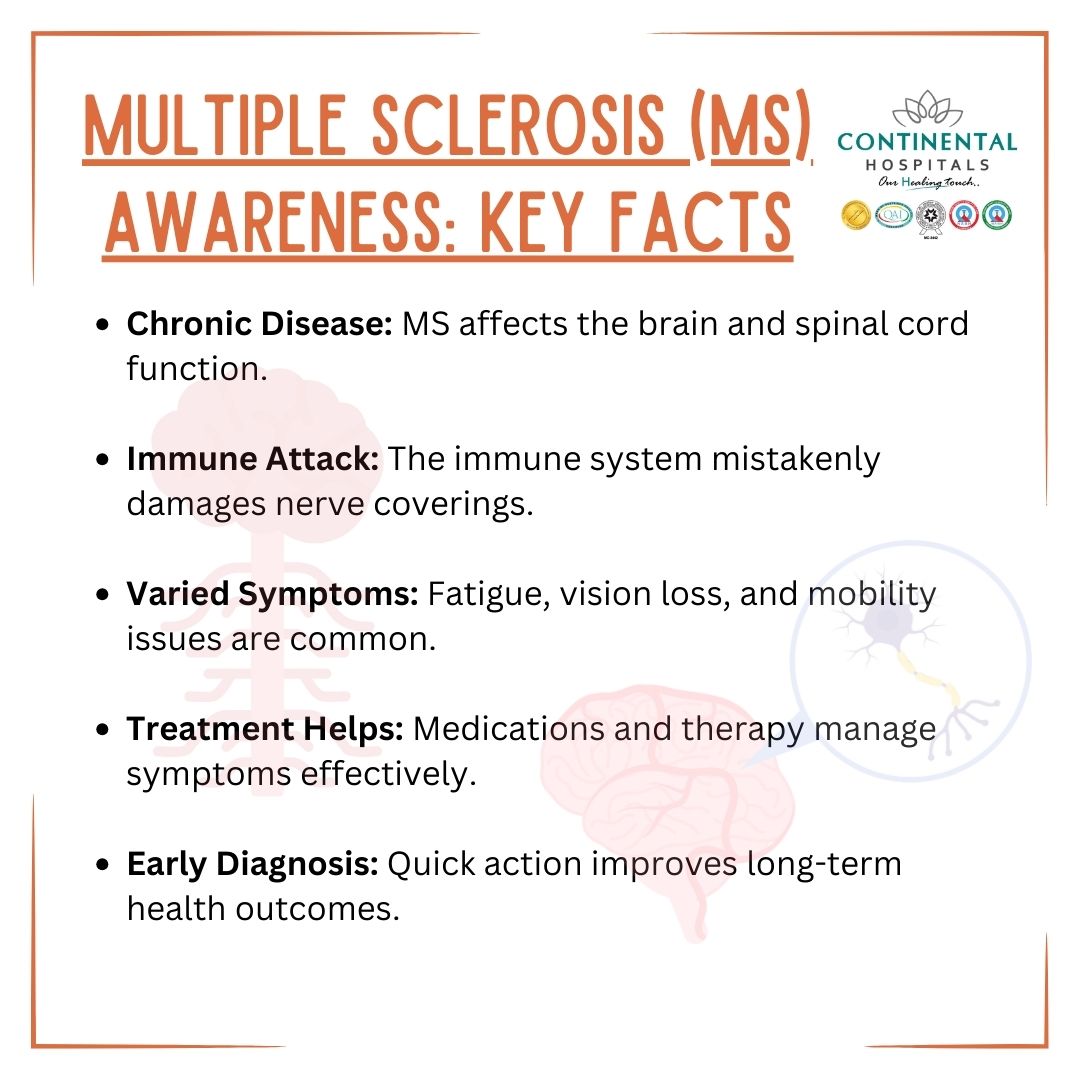
What Are the Types of Multiple Sclerosis (MS)?

There are several types of MS, each affecting the body in different ways:

Relapsing-Remitting MS (RRMS): This is the most common type. People with RRMS experience flare-ups or "relapses" of symptoms, followed by periods of remission where symptoms improve or disappear.

Secondary-Progressive MS (SPMS): This type often develops after a person has had RRMS for a number of years. It involves a gradual worsening of symptoms over time, with or without relapses.

Primary-Progressive MS (PPMS): People with PPMS experience a slow and steady worsening of symptoms from the start, without distinct relapses or remissions.

Second Opinion

Progressive-Relapsing MS (PRMS): This is the least common type. It involves a steady progression of symptoms, with occasional relapses.

What are the symptoms of multiple sclerosis (MS)?

MS symptoms can vary greatly from person to person. Some of the most common symptoms include:

Fatigue: Feeling tired even after a good night’s sleep is one of the most common complaints.

Numbness or Tingling: You might experience a "pins and needles" sensation, usually in the limbs or face.

Vision Problems: Blurry vision, double vision, or even temporary blindness in one eye.

Muscle Weakness: MS can make your muscles feel weak or stiff, making it hard to walk or move.

Coordination Issues: Balance problems and unsteady movements are common for people with MS.

Need an Appointment?

Cognitive Issues: MS may affect memory, concentration, and the ability to process information.

It’s important to note that not everyone with MS will experience all of these symptoms, and they can come and go in intensity.

How Is Multiple Sclerosis (MS) Diagnosed?

Diagnosing MS can be challenging, as its symptoms often mimic those of other conditions. However, doctors use a combination of tests to diagnose MS:

MRI (Magnetic Resonance Imaging): This imaging test allows doctors to see areas of damage in the brain and spinal cord, which are characteristic of MS.

Spinal Tap: A sample of cerebrospinal fluid is taken to check for abnormal proteins that may indicate MS.

Evoked Potentials Test: This test measures the electrical activity in response to stimuli and helps detect nerve damage.

How Do People Live with Multiple Sclerosis?

While there is no cure for MS, there are many ways to manage the condition and live a fulfilling life. Here are some tips that may help:

Medications: Disease-modifying therapies (DMTs) can help reduce the frequency and severity of relapses. Your doctor may also prescribe medication to manage specific symptoms like muscle spasms or fatigue.

Physical Therapy: Engaging in physical therapy can help improve movement, strength, and coordination. It can also help you cope with any physical limitations caused by MS.

Healthy Lifestyle: Eating a balanced diet, staying active, and managing stress can have a significant impact on your overall well-being. Regular exercise can help reduce fatigue, maintain mobility, and improve mood.

Support Groups: MS can be overwhelming, but you don’t have to face it alone. Joining a support group can help you connect with others who understand your journey. You can share tips, experiences, and emotional support with people who are going through similar challenges.

Mental Health: Dealing with MS can take a toll on your mental health. It’s crucial to seek help if you’re feeling anxious, depressed, or stressed. Therapy and counseling can offer support, and medication may also be beneficial.

Why Does MS Awareness Matter?

Raising awareness about MS is important for several reasons:

Early Diagnosis: The sooner MS is diagnosed, the sooner treatment can begin, which can help slow disease progression.

Research Funding: Increased awareness leads to more funding for research, which may one day lead to a cure.

Support: Awareness fosters a supportive community, both for people living with MS and their families.

Where can I get the right care for Multiple Sclerosis (MS)?

If you’re experiencing symptoms of MS or have been diagnosed with the condition, it’s essential to work with an experienced healthcare team that understands your needs. At Continental Hospitals, our neurologists are experts in diagnosing and managing MS. We offer personalized treatment plans to help you manage your symptoms and improve your quality of life. Don’t wait – schedule an appointment with one of our specialists today.

Conclusion

Multiple Sclerosis is a complex condition, but with the right treatment and support, people with MS can lead fulfilling lives. This MS Awareness Month, take the time to learn more about the condition, share information with others, and reach out for support if needed. If you or someone you love is living with MS, know that help is available, and you are not alone.

Concerned about MS or struggling with symptoms? Consult the Best Neurologist in Hyderabad at Continental Hospitals for expert care. Contact us today!

Related Blogs:

Living with Multiple Sclerosis

Frequently Asked Questions

Multiple Sclerosis (MS) is a chronic autoimmune disease that affects the brain, spinal cord, and optic nerves, which together form the central nervous system. In MS, the immune system mistakenly attacks the protective covering called myelin that surrounds nerve fibers. This damage disrupts communication between the brain and the rest of the body, leading to a wide range of neurological symptoms. The condition can affect movement, balance, vision, sensation, memory, and coordination. MS is unpredictable, and symptoms vary greatly from one person to another. Some people experience mild episodes, while others develop progressive disability over time. Although there is currently no cure, modern treatments can reduce disease activity, slow progression, and improve quality of life. Early diagnosis and ongoing care from experienced neurologists play a crucial role in managing the disease effectively.
The early symptoms of Multiple Sclerosis often differ from person to person and may appear suddenly or gradually. Common early signs include blurred or double vision, numbness or tingling in the arms and legs, muscle weakness, fatigue that does not improve with rest, balance problems, dizziness, and difficulty walking. Some individuals experience electric shock-like sensations when bending the neck, known as Lhermitte's sign. Others may notice memory problems, poor concentration, or changes in bladder and bowel function. Because these symptoms resemble those of several other medical conditions, MS can sometimes be difficult to recognize in its early stages. If neurological symptoms persist or recur, it is important to seek medical evaluation promptly. Early diagnosis allows treatment to begin sooner, which can help reduce relapses and preserve neurological function.
The exact cause of Multiple Sclerosis remains unknown, but researchers believe it develops through a combination of genetic susceptibility and environmental factors. MS occurs when the body's immune system mistakenly attacks healthy nerve tissue, particularly the myelin sheath that protects nerve fibers. Women are affected more frequently than men, and the disease is commonly diagnosed between the ages of 20 and 40 years. A family history of MS, low vitamin D levels, smoking, obesity during adolescence, and certain viral infections such as Epstein-Barr virus have been associated with a higher risk. However, having these risk factors does not mean a person will definitely develop MS. Ongoing research continues to improve understanding of why the disease develops and how its progression can be prevented or slowed.
Diagnosing Multiple Sclerosis requires a detailed medical history, neurological examination, imaging studies, and specialized laboratory tests. Magnetic Resonance Imaging (MRI) is the most important diagnostic tool because it can detect lesions in the brain and spinal cord caused by demyelination. Doctors may also recommend a lumbar puncture to examine cerebrospinal fluid for immune-related changes and perform evoked potential tests to evaluate nerve signal transmission. There is no single test that confirms MS, so neurologists carefully rule out other conditions with similar symptoms. Diagnosis is based on evidence that damage has occurred in different parts of the central nervous system at different points in time. Early and accurate diagnosis allows patients to begin disease-modifying therapy before significant nerve damage develops.
Although there is no permanent cure for Multiple Sclerosis, significant advances in treatment have improved long-term outcomes for many patients. Disease-modifying therapies help reduce the frequency of relapses, slow disease progression, and decrease new inflammatory lesions in the brain and spinal cord. During acute relapses, corticosteroids are commonly used to reduce inflammation and speed recovery. Rehabilitation therapies such as physiotherapy, occupational therapy, speech therapy, and psychological support help patients maintain independence and improve daily functioning. Medications are also available to manage symptoms such as muscle stiffness, pain, fatigue, bladder dysfunction, and depression. Regular follow-up with a neurologist is essential to monitor disease activity and adjust treatment plans as needed. Early treatment provides the best opportunity to preserve neurological health.
Many people with Multiple Sclerosis lead active, productive, and fulfilling lives, especially when the disease is diagnosed early and managed effectively. Advances in medications have significantly improved disease control and reduced long-term disability for many patients. Maintaining a healthy lifestyle, including regular exercise, balanced nutrition, adequate sleep, stress management, and smoking cessation, can support overall health and symptom control. Physical therapy and rehabilitation programs help maintain strength, mobility, and independence. Emotional well-being is equally important, and counseling or support groups may help individuals cope with the psychological challenges of living with a chronic neurological condition. With personalized treatment, routine monitoring, and comprehensive care, many individuals continue working, raising families, traveling, and participating in everyday activities.
Lifestyle modifications can play an important role alongside medical treatment in managing Multiple Sclerosis symptoms. Regular low-impact exercise such as walking, swimming, yoga, or stretching helps improve flexibility, muscle strength, and balance. A nutritious diet rich in fruits, vegetables, whole grains, lean protein, and healthy fats supports overall well-being. Staying hydrated and maintaining a healthy body weight may also contribute to better health outcomes. Avoiding smoking and limiting alcohol consumption are strongly recommended because they may worsen disease progression. Adequate sleep, stress reduction techniques such as meditation, and proper management of heat sensitivity can reduce symptom flare-ups. Patients should follow their neurologist's recommendations, attend regular checkups, and report any new or worsening symptoms promptly.
Anyone experiencing persistent or recurring neurological symptoms should consult a neurologist for a thorough evaluation. Symptoms that warrant medical attention include unexplained vision problems, numbness, tingling, muscle weakness, difficulty walking, poor coordination, frequent dizziness, chronic fatigue, or bladder control issues. These symptoms do not always indicate Multiple Sclerosis, but they should never be ignored, especially if they continue for several days or return repeatedly. Early neurological assessment allows doctors to identify the underlying cause and begin appropriate investigations. Prompt diagnosis increases the chances of starting effective treatment before permanent nerve damage occurs. If MS is confirmed, a neurologist can develop a personalized treatment plan, monitor disease progression, and provide long-term support to help patients maintain the best possible quality of life.
Disclaimer: The information provided in this blog is intended for general knowledge and informational purposes only, and does not constitute medical advice. Always consult with a qualified healthcare professional for any medical concerns or before making any decisions about your health.

Get in Touch With Us

Whether you are from India or abroad, we are here to help you with your medical queries. Please fill out the form below and our team will connect with you shortly.

  • ✔ Quick response from our medical experts
  • ✔ Secure data handling & privacy
  • ✔ Easy upload for reports & documents
banner_image

Chat with our medical experts on WhatsApp for quick assistance and hassle-free appointment booking

Recent Posts