post-title

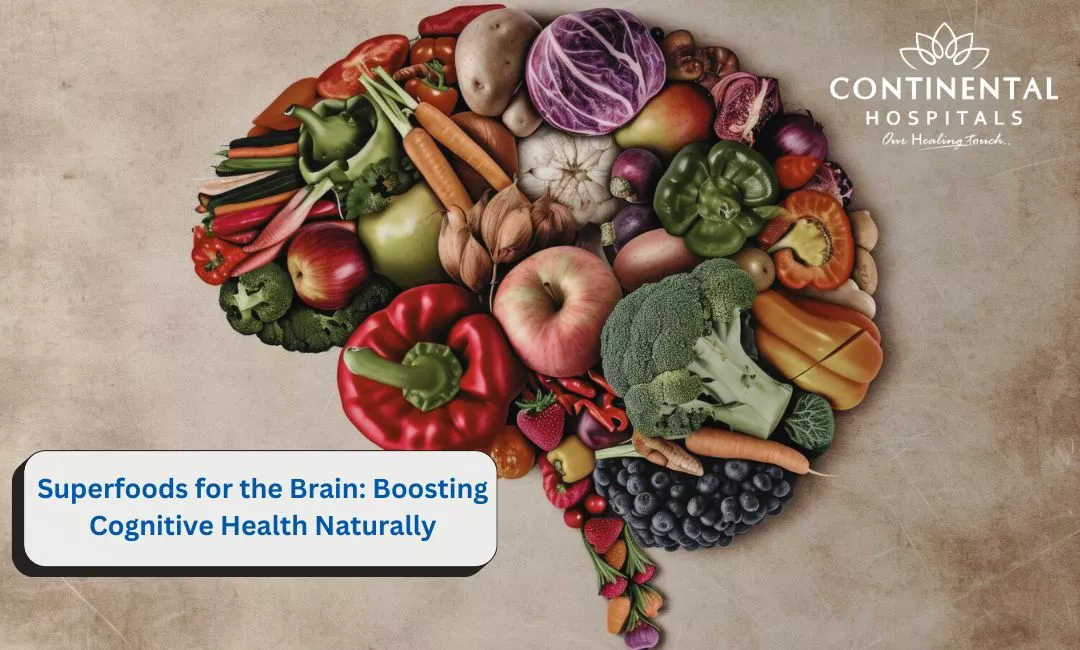
Superfoods for the Brain: Boosting Cognitive Health Naturally

Written by - Editorial Team
Medically Reviewed by - Dr M K Singh

Maintaining a sharp mind and optimal cognitive function is a goal for many people, especially as we age. Incorporating superfoods into your diet can be an effective strategy to support brain health. These nutrient-dense foods provide essential vitamins, minerals, and antioxidants that can enhance memory, focus, and overall mental clarity. In this blog, we’ll explore the top superfoods for the brain and how they contribute to cognitive well-being.

What Is Cognitive Health?

Before we dive into the specifics of brain-boosting foods, it's essential to understand what cognitive health entails. Cognitive health refers to the ability to think, learn, and remember. It encompasses various mental processes, including attention, memory, reasoning, and problem-solving. Factors such as aging, lifestyle choices, and overall health can significantly influence cognitive function.

Visit our best neuro doctor hyderabad today and take the first step toward better brain health and overall well-being.

The Role of Nutrition

Nutrition plays a crucial role in maintaining optimal cognitive function. The brain requires a constant supply of nutrients to support its complex processes. Certain vitamins, minerals, antioxidants, and other bioactive compounds have been linked to improved cognitive performance and reduced risk of cognitive decline.

Superfoods for the Brain

Blueberries: Rich in antioxidants and flavonoids, blueberries have been shown to improve cognitive function, particularly memory and executive function. Incorporating blueberries into your diet regularly may help delay age-related cognitive decline.

Fatty Fish: Fatty fish like salmon, trout, and sardines are packed with omega-3 fatty acids, specifically EPA and DHA. These essential fats play a crucial role in brain health, supporting improved memory, cognitive performance, and mood regulation.

Nuts and Seeds: Nuts and seeds are excellent sources of vitamin E, an antioxidant known for its neuroprotective properties. Additionally, they provide healthy fats, protein, and other nutrients essential for cognitive function.

Leafy Greens: Vegetables such as spinach, kale, and Swiss chard are rich in vitamins, minerals, and phytochemicals that support brain health. They're particularly high in folate, vitamin K, and lutein, which have been linked to improved cognitive function and a reduced risk of cognitive decline.

Turmeric: Curcumin, the active compound in turmeric, exhibits potent anti-inflammatory and antioxidant effects. Studies suggest that curcumin may enhance memory and mood, making turmeric a valuable addition to a brain-healthy diet.

Second Opinion

Berries: In addition to blueberries, other berries like strawberries, raspberries, and blackberries are loaded with antioxidants and other bioactive compounds that promote brain health. Regular consumption of berries has been associated with improved cognitive function and neuroprotection.

Whole Grains: Whole grains such as oats, quinoa, and brown rice provide a steady source of energy for the brain. They're rich in fiber, vitamins, and minerals, contributing to overall cognitive health and supporting stable blood sugar levels.

Dark Chocolate: Dark chocolate contains flavonoids, caffeine, and antioxidants that can enhance brain function. Moderate consumption of dark chocolate has been linked to improved memory, focus, and mood.

Avocados: Avocados are packed with monounsaturated fats, vitamin K, and folate, all of which support brain health. They also contain antioxidants and anti-inflammatory compounds that may protect brain cells from damage.

Green Tea: Green tea is rich in catechins, powerful antioxidants that have been shown to improve cognitive function and reduce the risk of neurodegenerative diseases. The combination of caffeine and L-theanine in green tea can also enhance alertness and attention.

How Can You Incorporate Superfoods into Your Daily Diet?

Now that we've explored some of the top brain-boosting superfoods, let's discuss practical ways to incorporate them into your daily diet:

Start your day with a brain-boosting breakfast: Enjoy a bowl of oatmeal topped with blueberries, walnuts, and a sprinkle of cinnamon for a nutrient-packed start to your day.

Need an Appointment?

Include fatty fish in your weekly meal plan: Grill or bake salmon, trout, or mackerel and serve with a side of leafy greens and quinoa for a brain-healthy dinner option.

Snack on nuts and seeds: Keep a stash of mixed nuts and seeds on hand for a quick and satisfying snack between meals. Pair them with a piece of fruit or yogurt for added flavor and nutrition.

Incorporate leafy greens into salads and smoothies: Add spinach, kale, or Swiss chard to your favorite salads, wraps, or smoothies for a nutrient boost. Combine with other brain-boosting ingredients like berries, nuts, and avocado for maximum benefits.

Experiment with turmeric in your cooking: Add ground turmeric to soups, stews, curries, and stir-fries for a burst of flavor and color. You can also brew turmeric tea or golden milk for a soothing and brain-healthy beverage option.

Enjoy a variety of berries: Snack on fresh berries as a standalone treat or incorporate them into yogurt parfaits, oatmeal, or baked goods. Frozen berries can also be blended into smoothies or used to make homemade fruit sorbet.


Conclusion

While there's no single food that can guarantee a sharp mind, incorporating a variety of brain-boosting foods into your diet can certainly support cognitive health in the long run. By prioritizing nutrient-rich foods like blueberries, fatty fish, nuts, and leafy greens, you can nourish your brain and optimize its function naturally. Remember, a healthy diet, combined with other lifestyle factors like regular exercise and adequate sleep, forms the foundation for a vibrant mind at any age. Consult our Best Neurologist in Hyderabad

Related Blog Articles:

  1. Impact of Omega-3 Fatty Acids on Brain Function

Frequently Asked Questions

Brain superfoods are nutrient-rich foods that provide vitamins, minerals, antioxidants, and healthy fats essential for optimal brain function. They help protect brain cells from oxidative stress and inflammation, two major factors linked to cognitive decline. Foods rich in omega-3 fatty acids support communication between brain cells and improve memory. Antioxidants found in berries and leafy greens help reduce damage caused by free radicals. Whole grains provide a steady supply of glucose, which is the brain's primary energy source. Nuts and seeds contain vitamin E that may help slow age-related memory loss. These foods also support healthy blood circulation, ensuring adequate oxygen reaches the brain. Regularly including brain-friendly foods in your diet may improve concentration, learning ability, and mental clarity. While no single food can prevent neurological diseases, a balanced diet plays a significant role in maintaining long-term cognitive health. Combining nutritious eating with regular exercise, quality sleep, and stress management provides the greatest benefits for brain wellness.
Several foods are recognized for their positive effects on memory and concentration. Fatty fish such as salmon, sardines, and mackerel are rich in omega-3 fatty acids that support brain cell function. Blueberries provide antioxidants that may improve communication between brain cells. Walnuts contain healthy fats and plant compounds linked to better cognitive performance. Leafy green vegetables like spinach and kale provide folate, vitamin K, and lutein that support brain health. Eggs supply choline, an important nutrient for memory and learning. Pumpkin seeds contain magnesium, zinc, and iron, which contribute to healthy brain function. Dark chocolate in moderation offers flavonoids that may improve blood flow to the brain. Whole grains help maintain consistent energy levels throughout the day. Green tea provides antioxidants and L-theanine, which may enhance focus. Including a variety of these foods in a balanced diet supports overall cognitive performance.
A healthy diet rich in brain superfoods may help reduce the risk of cognitive decline, but it cannot completely prevent dementia. Research suggests that diets such as the Mediterranean and MIND diets are associated with better brain health. Nutrient-rich foods help reduce inflammation and oxidative stress, which are linked to neurodegenerative diseases. Omega-3 fatty acids support healthy nerve cells, while antioxidants protect against cellular damage. Regular consumption of fruits, vegetables, nuts, legumes, and whole grains contributes to long-term brain function. Maintaining healthy blood pressure, cholesterol, and blood sugar levels also supports cognitive health. Lifestyle factors including regular exercise, sufficient sleep, mental stimulation, and avoiding smoking are equally important. Early management of medical conditions such as diabetes and hypertension further reduces risk. Although diet alone cannot eliminate the possibility of dementia, it forms an important part of a comprehensive brain health strategy. Consulting a neurologist is recommended if memory problems become persistent or progressively worsen.
Brain-healthy foods should be included consistently as part of your daily eating pattern rather than consumed occasionally. Aim to include fruits and vegetables with every meal to maximize antioxidant intake. Eat fatty fish at least two times each week to obtain adequate omega-3 fatty acids. Add a handful of unsalted nuts or seeds as a healthy snack most days of the week. Choose whole grains instead of refined grains to provide steady energy for brain function. Include legumes, eggs, and lean protein regularly for essential nutrients. Hydration is also important because even mild dehydration can affect concentration and memory. Limiting processed foods, sugary beverages, and excessive saturated fats supports overall cognitive health. A balanced dietary pattern maintained over months and years provides greater benefits than short-term dietary changes. Consistency, combined with healthy lifestyle habits, offers the best support for long-term brain function.
Yes, brain superfoods can benefit people of all age groups by supporting healthy brain function. Students may experience improved concentration, learning ability, and memory when following a balanced, nutrient-rich diet. Working professionals can benefit from better focus, mental clarity, and sustained energy throughout the day. Older adults may reduce the risk of age-related cognitive decline by regularly consuming foods rich in antioxidants and healthy fats. Children also require essential nutrients to support healthy brain development during growth. Pregnant women benefit from nutrients such as omega-3 fatty acids, which contribute to fetal brain development. Individual nutritional needs vary according to age, health conditions, and lifestyle. Brain-healthy foods should be part of an overall balanced diet rather than relied upon as supplements alone. Healthy eating should also be combined with physical activity, good sleep, and stress management. A healthcare professional can provide personalized dietary guidance when needed.
Several nutrients play essential roles in maintaining healthy brain function throughout life. Omega-3 fatty acids help build and maintain brain cell membranes and support communication between neurons. B vitamins, including B6, B12, and folate, contribute to normal nerve function and cognitive health. Vitamin E acts as an antioxidant that protects brain cells from oxidative damage. Vitamin D supports overall neurological function and may influence mood and cognition. Magnesium contributes to nerve signaling and learning processes. Iron helps transport oxygen to the brain, supporting energy production and concentration. Zinc plays a role in memory formation and brain communication. Choline is important for producing acetylcholine, a neurotransmitter involved in learning and memory. Antioxidants from fruits and vegetables help reduce inflammation and cellular damage. A balanced diet containing a wide range of these nutrients provides comprehensive support for long-term brain health.
Yes, healthy lifestyle habits work together with a nutritious diet to improve cognitive health. Regular physical exercise increases blood flow to the brain and supports the growth of new brain cells. Adequate sleep allows the brain to consolidate memories and remove waste products accumulated during the day. Stress management through meditation, yoga, or relaxation techniques helps reduce the harmful effects of chronic stress hormones. Mental stimulation through reading, puzzles, and learning new skills strengthens cognitive function. Maintaining social interactions also supports emotional and brain health. Avoiding smoking and limiting excessive alcohol intake reduces the risk of brain damage over time. Managing chronic conditions such as diabetes, hypertension, and obesity protects brain blood vessels. Staying hydrated further supports concentration and mental performance. Combining these healthy habits with brain-friendly nutrition provides the strongest foundation for lifelong cognitive wellness.
Occasional forgetfulness is common, but persistent or worsening memory problems should be evaluated by a neurologist. Difficulty performing familiar daily tasks, confusion about time or place, and frequent language problems may require medical assessment. Sudden personality or behavior changes should never be ignored. Repeatedly misplacing items, poor judgment, or difficulty following conversations can also indicate an underlying neurological condition. Early diagnosis allows timely treatment and better management of many cognitive disorders. A neurologist may recommend neurological examinations, blood tests, brain imaging, or cognitive assessments to identify the cause. Some memory problems may result from vitamin deficiencies, thyroid disorders, medication side effects, or depression rather than dementia. Early intervention often improves outcomes and quality of life. Maintaining a healthy diet supports brain health but should not replace professional medical evaluation. Seek medical advice promptly if memory changes interfere with work, relationships, or daily activities.
Disclaimer: The information provided in this blog is intended for general knowledge and informational purposes only, and does not constitute medical advice. Always consult with a qualified healthcare professional for any medical concerns or before making any decisions about your health.

Get in Touch With Us

Whether you are from India or abroad, we are here to help you with your medical queries. Please fill out the form below and our team will connect with you shortly.

  • ✔ Quick response from our medical experts
  • ✔ Secure data handling & privacy
  • ✔ Easy upload for reports & documents
banner_image

Chat with our medical experts on WhatsApp for quick assistance and hassle-free appointment booking

Recent Posts