post-title

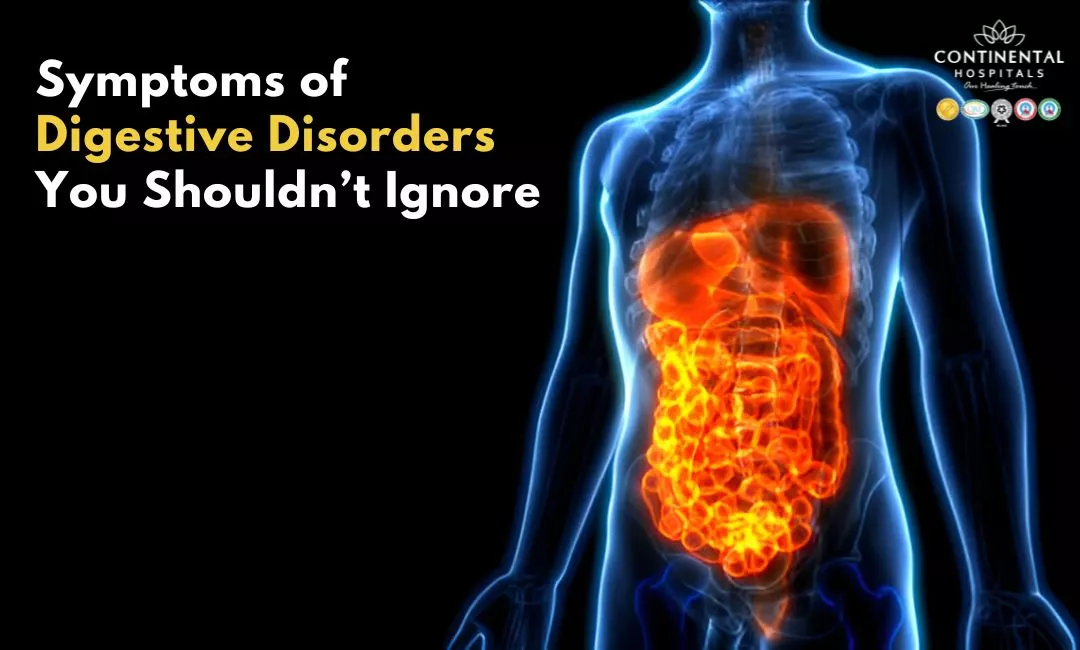
Symptoms of Digestive Disorders You Shouldn’t Ignore

Written by - Editorial Team
Medically Reviewed by - Dr Dhiraj Gopal Agrawal

Digestive disorders can significantly affect your quality of life. Many people ignore digestive symptoms or attribute them to temporary issues like stress or diet changes. However, some digestive problems can be signs of underlying conditions that need medical attention. If you're experiencing any digestive symptoms that persist or worsen, it’s crucial to take them seriously. Let’s dive into some common digestive symptoms you shouldn’t ignore.

1. Chronic Heartburn or Acid Reflux

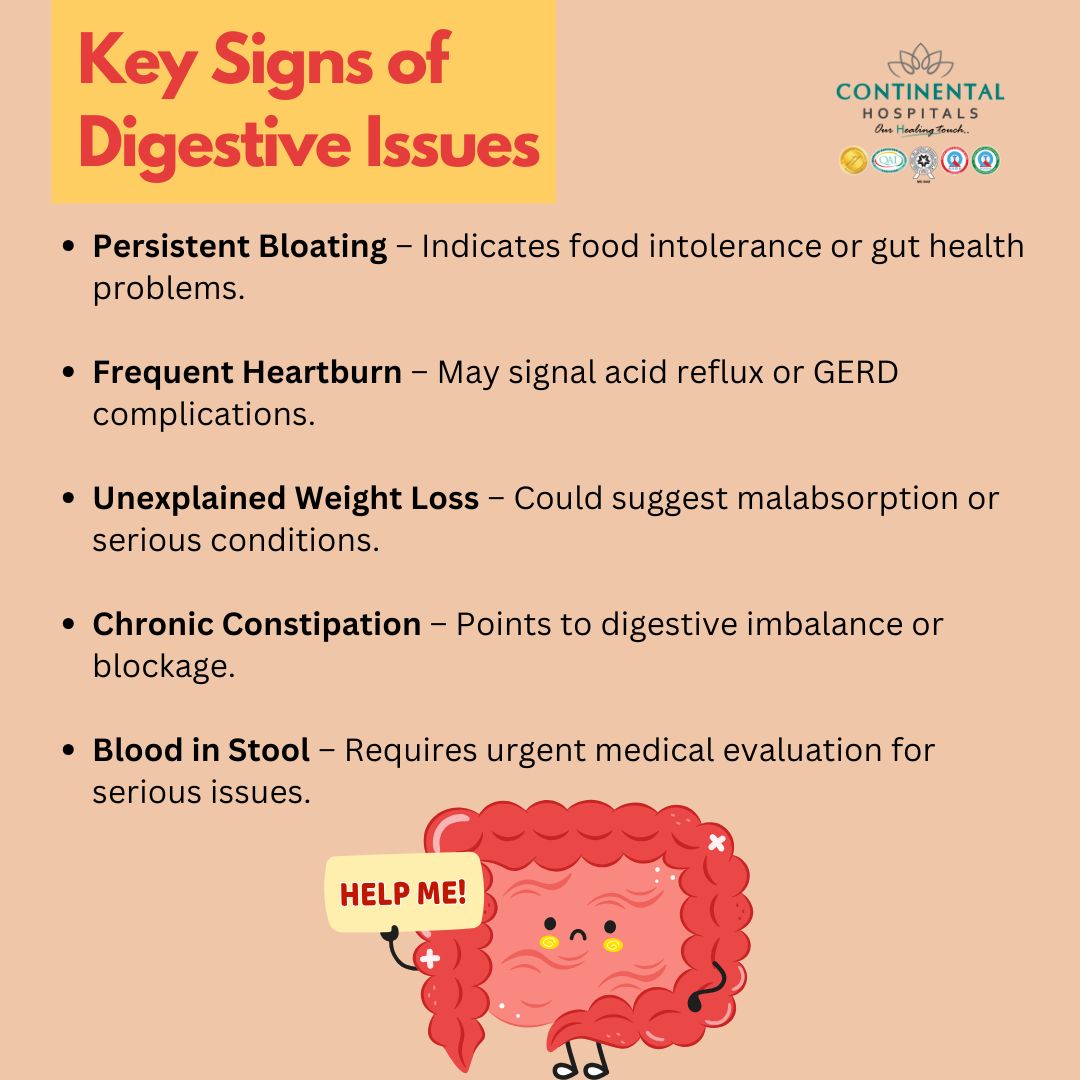
Heartburn, also known as acid reflux, is a burning sensation in the chest or throat. It occurs when stomach acid moves up into the esophagus. Occasional heartburn after a spicy meal is common, but if you experience it frequently—more than twice a week—it could signal a more serious condition like gastroesophageal reflux disease (GERD). GERD can lead to complications such as ulcers or even cancer of the esophagus if left untreated.

What to do: If you’re frequently experiencing heartburn, seek medical advice to determine the cause and discuss potential treatments.

Visit our gastroenterology specialist doctors at Continental Hospitals for expert diagnosis and advanced treatment of digestive, liver, pancreas, and gastrointestinal conditions. Our experienced specialists provide personalized care to help you achieve better digestive health and overall well-being.

2. Unexplained Weight Loss

Losing weight without trying can be a concerning sign of a digestive issue. Conditions such as celiac disease, Crohn's disease, and pancreatic problems can interfere with your body’s ability to absorb nutrients, leading to unintentional weight loss. Even if you're eating normally, your body may not be absorbing the nutrients it needs to maintain a healthy weight.

What to do: Unexplained weight loss should never be ignored. Visit a doctor to determine the cause and get appropriate treatment.
3. Persistent Diarrhea or Constipation

Whether you have diarrhea that lasts for days or constipation that keeps you from going regularly, both of these conditions can signal underlying digestive disorders. Persistent diarrhea can be a sign of conditions such as irritable bowel syndrome (IBS), inflammatory bowel disease (IBD), or even infections. On the other hand, constipation could be caused by issues such as a low-fiber diet, dehydration, or even thyroid problems.

What to do: If diarrhea or constipation lasts for more than a few days or recurs frequently, it's time to consult a doctor to pinpoint the cause.

Second Opinion

4. Bloating and Excessive Gas

Feeling bloated or gassy is common after a large meal, but if this sensation persists regularly, it could be a sign of digestive trouble. Conditions like IBS, lactose intolerance, or food intolerances may cause excess gas and bloating. If you experience this alongside changes in bowel habits, weight loss, or other symptoms, you should talk to your healthcare provider.

What to do: Keep track of what you eat and how it affects your digestion. A doctor can help you identify food sensitivities or potential digestive disorders.

5. Abdominal Pain or Discomfort

Abdominal pain can vary in intensity, from mild discomfort to sharp, intense pain. If you’re experiencing persistent or recurring abdominal pain, it could indicate conditions like ulcers, gallstones, or inflammatory bowel disease (IBD). This type of pain is often a signal that something isn't right with your digestive system and should be addressed.

What to do: Persistent abdominal pain should be evaluated by a doctor, especially if it is severe or lasts for more than a few days.

6. Nausea and Vomiting

While nausea and vomiting may sometimes happen due to a stomach bug or food poisoning, recurring episodes can point to a more serious issue. Conditions like gastritis, pancreatitis, or even cancer can cause persistent nausea and vomiting. It's important not to overlook these symptoms, especially if they occur frequently or worsen over time.

What to do: If nausea and vomiting persist, make an appointment with your doctor to find the underlying cause and prevent further complications.

7. Changes in Stool Color or Consistency

Stool changes can offer important clues about your digestive health. If you notice that your stool is black, tarry, or bloody, it could be a sign of gastrointestinal bleeding, which may be caused by ulcers, diverticulosis, or even colon cancer. Additionally, pale or clay-coloured stools may indicate problems with the liver or gallbladder.

Need an Appointment?

What to do: Any noticeable changes in your stool should be evaluated by a healthcare provider, especially if it involves blood or unusual colours.

8. Difficulty Swallowing or a Lump in the Throat

Trouble swallowing, also known as dysphagia, can be a sign of a serious digestive disorder. This condition can be caused by esophageal disorders such as GERD, or even throat or esophageal cancer. If you frequently feel like food is stuck in your throat or have difficulty swallowing, you should seek medical attention promptly.

What to do: If you have trouble swallowing, it’s important to schedule a visit to your doctor for an evaluation.

9. Fatigue and Weakness

Digestive issues can lead to malabsorption, meaning your body isn’t able to absorb nutrients properly. This can result in fatigue, weakness, and a general feeling of being unwell. If you’re feeling constantly tired despite adequate sleep, it could be a sign of an underlying digestive disorder that needs attention.

What to do: Persistent fatigue should be discussed with your healthcare provider, especially when accompanied by digestive issues.

10. Fever and Unexplained Illness

Fever combined with digestive symptoms like diarrhea, vomiting, or abdominal pain could indicate a gastrointestinal infection, food poisoning, or a more serious condition like Crohn's disease or colitis. If you’re experiencing a fever alongside digestive symptoms that don’t improve, it's time to get medical help.

What to do: If your fever and digestive symptoms are not improving, seek medical care immediately to avoid complications.

Conclusion

Your digestive system plays a crucial role in your overall health, so paying attention to its signals is vital. While occasional digestive discomfort is common, chronic or severe symptoms should never be ignored.

Consult our best gastroenterologists at Continental Hospitals for expert care. As one of the best gastroenterologist in hyderabad, we provide top-notch treatment to maintain your digestive health and overall well-being.

Related Blog Topics

  1. How to Talk to Your Doctor About Digestive Issues
  2. Digestive Problems Symptoms You Must Watch

Frequently Asked Questions

Digestive disorders often begin with mild symptoms that gradually become more severe if left untreated. Common warning signs include persistent abdominal pain, bloating, frequent heartburn, nausea, vomiting, constipation, diarrhea, unexplained weight loss, blood in the stool, and difficulty swallowing. While occasional digestive discomfort is common, symptoms that continue for more than a few days or keep returning should not be ignored. Persistent digestive problems may indicate conditions such as gastritis, acid reflux, peptic ulcers, inflammatory bowel disease, gallstones, liver disease, or even gastrointestinal cancers. Early diagnosis helps prevent complications and improves treatment outcomes. If your symptoms interfere with daily life or worsen over time, consult a gastroenterologist for a detailed evaluation and appropriate treatment.
You should seek medical attention if stomach pain is severe, persistent, or keeps recurring without an obvious cause. Pain associated with fever, vomiting, blood in vomit or stool, yellowing of the eyes, unexplained weight loss, difficulty eating, or swelling of the abdomen requires immediate evaluation. Pain lasting more than a few days should also be assessed by a healthcare professional. Stomach pain can result from harmless conditions such as indigestion, but it may also indicate appendicitis, gallstones, pancreatitis, ulcers, bowel obstruction, or other serious digestive diseases. A gastroenterologist may recommend blood tests, imaging studies, or endoscopy to determine the underlying cause. Early diagnosis allows timely treatment and helps prevent serious complications.
Frequent heartburn should not be considered normal, especially if it occurs more than twice a week or disrupts sleep and daily activities. Persistent heartburn is commonly caused by gastroesophageal reflux disease (GERD), where stomach acid repeatedly flows back into the esophagus. Untreated GERD can damage the lining of the esophagus and may increase the risk of complications such as esophageal ulcers, strictures, and Barrett's esophagus. Some people may also experience chest discomfort, chronic cough, hoarseness, or difficulty swallowing. Lifestyle modifications, dietary changes, and medications often help control symptoms. However, recurring heartburn should always be evaluated by a gastroenterologist to identify the exact cause and prevent long-term complications.
Blood in the stool should always be evaluated by a doctor, even if it appears only once. Bright red blood may result from hemorrhoids or anal fissures, while dark or black stools can indicate bleeding from the stomach or upper digestive tract. Blood in the stool may also be associated with inflammatory bowel disease, diverticular disease, colon polyps, infections, or colorectal cancer. Additional symptoms such as abdominal pain, fatigue, dizziness, or unexplained weight loss increase the need for prompt medical attention. Diagnostic tests such as stool analysis, colonoscopy, or endoscopy may be recommended to determine the source of bleeding. Early evaluation is essential to identify the underlying condition and begin appropriate treatment.
Yes. Unexplained weight loss can be an important warning sign of an underlying digestive disorder. Conditions such as inflammatory bowel disease, celiac disease, chronic pancreatitis, liver disease, stomach ulcers, gastrointestinal infections, and digestive cancers can interfere with nutrient absorption or reduce appetite. Persistent nausea, diarrhea, abdominal pain, or difficulty swallowing may also contribute to unintended weight loss. Losing weight without changes in diet or exercise should never be ignored, especially if accompanied by fatigue or weakness. A gastroenterologist may recommend blood tests, stool tests, imaging, or endoscopy to identify the cause. Early diagnosis improves treatment success and helps prevent nutritional deficiencies and other complications.
Occasional bloating after a heavy meal is usually harmless, but persistent or severe bloating may indicate an underlying digestive problem. Chronic bloating can be associated with irritable bowel syndrome, food intolerances, constipation, celiac disease, small intestinal bacterial overgrowth, inflammatory bowel disease, or other gastrointestinal conditions. If bloating occurs frequently, causes significant discomfort, or is accompanied by abdominal pain, vomiting, weight loss, or changes in bowel habits, medical evaluation is recommended. A gastroenterologist can determine whether dietary factors or an underlying medical condition is responsible. Appropriate testing and treatment can provide lasting symptom relief and prevent complications.
Yes. Persistent constipation or diarrhea should not be ignored, particularly when symptoms continue for several weeks or keep recurring. These bowel habit changes may result from irritable bowel syndrome, inflammatory bowel disease, infections, thyroid disorders, food intolerances, medication side effects, or colorectal cancer. Symptoms such as blood in the stool, severe abdominal pain, dehydration, fever, or unexplained weight loss require immediate medical attention. Proper diagnosis may involve stool tests, blood investigations, colonoscopy, or imaging studies. Identifying the underlying cause early allows targeted treatment, improves digestive health, and reduces the risk of long-term complications.
Diagnosis begins with a detailed medical history, symptom assessment, and physical examination. Depending on your symptoms, a gastroenterologist may recommend blood tests, stool tests, abdominal ultrasound, CT scan, endoscopy, colonoscopy, or specialized liver and pancreatic function tests. The treatment plan depends on the underlying cause and may include lifestyle modifications, dietary counseling, medications, minimally invasive endoscopic procedures, or surgery when necessary. Many digestive disorders respond well to early treatment, helping patients avoid complications and improve their quality of life. Regular follow-up and adherence to medical advice are important for long-term symptom control and digestive health.
Disclaimer: The information provided in this blog is intended for general knowledge and informational purposes only, and does not constitute medical advice. Always consult with a qualified healthcare professional for any medical concerns or before making any decisions about your health.

Get in Touch With Us

Whether you are from India or abroad, we are here to help you with your medical queries. Please fill out the form below and our team will connect with you shortly.

  • ✔ Quick response from our medical experts
  • ✔ Secure data handling & privacy
  • ✔ Easy upload for reports & documents
banner_image

Chat with our medical experts on WhatsApp for quick assistance and hassle-free appointment booking

Recent Posts