post-title

Symptoms of Leukemia: Recognizing Early Warning Signs

Written by - Editorial Team
Medically Reviewed by - Dr. Kiran Kumar Matta

Leukemia, a type of cancer that affects the blood and bone marrow, is often referred to as a silent disease because its symptoms can be subtle and easily overlooked. However, recognizing the early warning signs is crucial for prompt diagnosis and treatment. In this comprehensive guide, we'll delve into the symptoms of leukemia, helping you understand what to look out for and when to seek medical attention.

What Are the Early Symptoms of Leukemia?

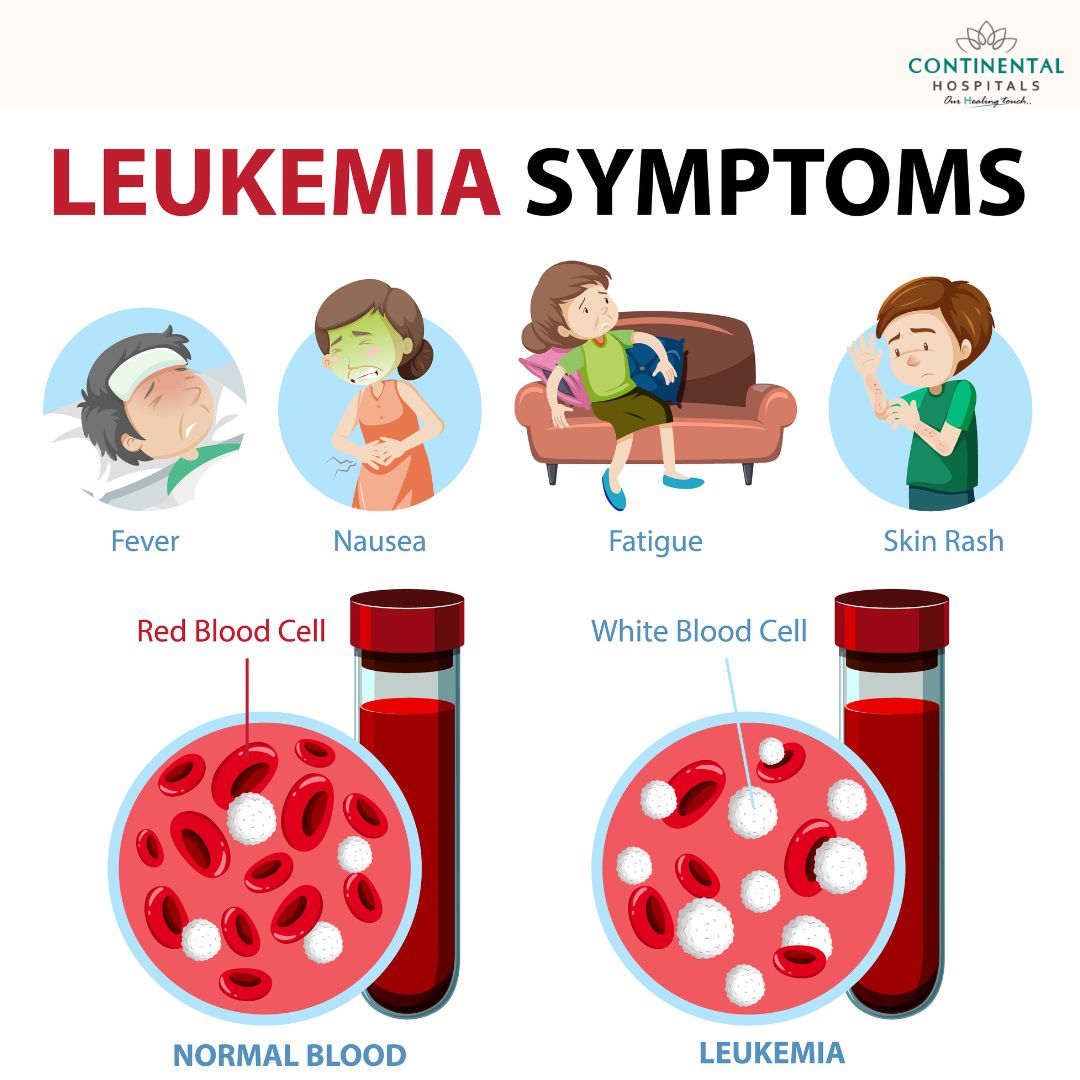
Before diving into the symptoms, let's grasp the basics of leukemia. Leukemia develops when the body produces an excessive amount of abnormal white blood cells, which are crucial for fighting infections. These abnormal cells crowd out healthy blood cells, leading to various complications. There are different types of leukemia, including acute lymphoblastic leukemia (ALL), acute myeloid leukemia (AML), chronic lymphocytic leukemia (CLL), and chronic myeloid leukemia (CML), each with distinct characteristics and treatment approaches.

What Causes Leukemia?

Genetic factors: Certain genetic mutations or chromosomal abnormalities are associated with an increased risk of developing leukemia. These mutations may be inherited or acquired during a person's lifetime.

Environmental factors: Exposure to certain environmental toxins, such as benzene (found in gasoline, industrial chemicals, and cigarette smoke), ionizing radiation, and certain chemotherapy drugs used to treat other types of cancer, may increase the risk of developing leukemia.

Viral infections: Some viruses, such as the human T-cell leukemia virus (HTLV-1) and the Epstein-Barr virus (EBV), have been linked to an increased risk of certain types of leukemia.

Immune system disorders: Conditions that weaken the immune system, such as HIV/AIDS or certain autoimmune diseases, may increase the risk of developing leukemia.

Previous cancer treatment: Some cancer treatments, such as radiation therapy and certain types of chemotherapy, can damage the bone marrow and increase the risk of developing leukemia later in life.

Family history: Although most cases of leukemia are not inherited, having a family history of the disease may slightly increase the risk of developing it.

Age: The risk of developing leukemia increases with age, with most cases diagnosed in adults over the age of 55.

Second Opinion

If you suspect that you or someone you know may be experiencing symptoms of leukemia, it's crucial to consult with an Best Cancer Specialist in HyderabadLeukemia Symptoms
What Are the Early Warning Signs of Leukemia?

Fatigue and Weakness: Feeling excessively tired or weak, even after getting enough rest, can be a symptom of leukemia. This is because leukemia can cause a decrease in the number of healthy blood cells, leading to anemia.

Frequent Infections: Leukemia can suppress the immune system, making individuals more susceptible to infections. This can result in frequent or severe infections that may take longer than usual to resolve.

Bruising and Bleeding: Easy bruising or bleeding, such as frequent nosebleeds, bleeding gums, or prolonged bleeding from minor cuts, can be a sign of leukemia. This occurs because leukemia can affect the production of platelets, which are responsible for blood clotting.

Swollen Lymph Nodes: Leukemia can cause the lymph nodes to become swollen, particularly those in the neck, armpits, and groin. Swollen lymph nodes may feel painless or tender to the touch.

Unexplained Weight Loss: Rapid and unexplained weight loss can be a symptom of various types of cancer, including leukemia. It occurs as cancer cells use up the body's energy and nutrients.

Bone or Joint Pain: Leukemia can cause pain in the bones or joints, particularly in the long bones of the arms and legs. This pain may be persistent and worsen over time.

Need an Appointment?

Fever: Persistent or recurrent fever without an apparent cause can sometimes indicate leukemia. Fever may be accompanied by other symptoms such as chills or night sweats.

Enlarged Spleen or Liver: Leukemia can cause the spleen or liver to become enlarged, leading to discomfort or pain in the upper abdomen. Enlarged organs may be detected during a physical examination or imaging tests.

Loss of Appetite: A decreased appetite or feeling full after eating small amounts of food can be a symptom of leukemia. This may result from the body's response to cancer or from the cancer affecting the gastrointestinal tract.

Easy Fatigability: Feeling unusually tired with minimal physical exertion or activity could be a sign of leukemia, as it may indicate a decrease in red blood cells (anemia) caused by leukemia.

When Should You See a Doctor for Leukemia Symptoms?

Recognizing the early warning signs of leukemia is crucial for timely diagnosis and treatment. If you experience any of the aforementioned symptoms persistently or if they worsen over time, it's essential to consult a healthcare professional. Additionally, if you have a family history of leukemia or other blood disorders, it's important to be vigilant and proactive about your health.

How Is Leukemia Diagnosed and Treated?

Upon suspecting leukemia based on symptoms and medical history, healthcare providers may order diagnostic tests, including blood tests, bone marrow biopsy, and imaging studies, to confirm the diagnosis and determine the type and extent of leukemia. Treatment options vary depending on the type of leukemia, stage of the disease, and individual factors. Common treatment modalities include chemotherapy, targeted therapy, radiation therapy, immunotherapy, and stem cell transplantation.

Leukemia, though often challenging to detect in its early stages, presents various warning signs that should not be ignored. By being aware of these symptoms and seeking prompt medical attention, individuals can improve their chances of early diagnosis and successful treatment. Remember, early detection is key in the fight against leukemia, and proactive healthcare management plays a vital role in improving outcomes and quality of life. If you or a loved one experience any concerning symptoms, don't hesitate to reach out to a healthcare professional for evaluation and guidance.

If you suspect that you or someone you know may be experiencing symptoms of leukemia, it's crucial to consult with an Top Oncologists in Hyderabad

Related Blog Articles

1. Childhood Leukemia: Symptoms, Treatment, and Support for Parents
2.Understanding Acute Lymphoblastic Leukemia in Adults

Frequently Asked Questions

Early warning signs of leukemia often develop gradually and may be mistaken for common illnesses. Persistent fatigue, frequent infections, unexplained fever, easy bruising, excessive bleeding, and pale skin are among the earliest symptoms. Some people also experience swollen lymph nodes, night sweats, bone or joint pain, and unexplained weight loss. Tiny red spots on the skin called petechiae may appear due to low platelet counts. Shortness of breath during routine activities can also occur because of anemia. These symptoms may vary depending on the type of leukemia. If these signs persist for more than two weeks or worsen over time, consult a hematologist or oncologist for evaluation. Early diagnosis improves treatment outcomes and increases the chances of successful management.
Yes, leukemia symptoms can closely resemble common viral infections, the flu, anemia, or other minor health conditions. Fatigue, fever, weakness, body aches, and recurrent infections are symptoms shared with many illnesses. Because these signs are nonspecific, people often delay seeking medical attention. However, symptoms that persist, recur frequently, or worsen over time should not be ignored. Easy bruising, prolonged bleeding, swollen lymph nodes, and unexplained weight loss are additional warning signs that require medical evaluation. Blood tests can help identify abnormal blood cell counts that may indicate leukemia. Seeking medical advice early helps detect the condition before complications develop.
Leukemia affects the bone marrow, where healthy blood cells are produced. The disease leads to the production of abnormal white blood cells that cannot effectively fight infections. As healthy white blood cell numbers decrease, the body's immune system becomes weaker. This makes individuals more vulnerable to repeated bacterial, viral, and fungal infections. Even minor infections may become severe or take longer to heal. Persistent fever, sore throat, cough, or infections that keep returning should be evaluated promptly. A complete blood count can help identify abnormalities that require further investigation. Early diagnosis allows doctors to begin appropriate treatment and reduce infection-related complications.
Leukemia can reduce the number of healthy platelets produced in the bone marrow. Platelets are responsible for helping blood clot and stopping bleeding after an injury. When platelet levels become low, people may bruise easily, experience frequent nosebleeds, bleeding gums, or prolonged bleeding from small cuts. Tiny red or purple spots called petechiae may also appear on the skin due to bleeding under the surface. These symptoms should not be ignored, especially if they occur without any obvious injury. Blood tests can determine whether platelet counts are low. Prompt medical evaluation helps identify the underlying cause and ensures timely treatment.
Doctors begin by reviewing your symptoms, medical history, and performing a physical examination. A complete blood count is usually the first test ordered to check red blood cells, white blood cells, and platelet levels. If abnormal blood counts are found, additional tests such as a peripheral blood smear may be recommended. A bone marrow biopsy is often performed to confirm the diagnosis and determine the type of leukemia. Imaging studies or genetic testing may also be used to guide treatment decisions. Early diagnosis is essential because some forms of leukemia progress rapidly. Identifying the disease early allows treatment to begin before serious complications develop.
Leukemia can affect people of all ages, but certain factors may increase the risk. These include older age, previous chemotherapy or radiation therapy, exposure to high levels of certain chemicals such as benzene, smoking, and some inherited genetic disorders. A family history of leukemia may slightly increase the risk in some cases. However, many people diagnosed with leukemia have no identifiable risk factors. Regular health checkups and prompt evaluation of persistent symptoms are important regardless of personal risk. Maintaining overall health and avoiding known harmful exposures may help reduce certain risks. Early recognition remains the most effective way to improve outcomes.
You should consult a doctor if you experience persistent fatigue, unexplained fever, repeated infections, easy bruising, unusual bleeding, swollen lymph nodes, or unexplained weight loss that lasts for more than a couple of weeks. Bone pain, night sweats, and shortness of breath should also be evaluated, especially if they occur together. These symptoms do not always indicate leukemia, but they should never be ignored. A healthcare provider can perform the necessary examinations and blood tests to determine the cause. Early medical attention allows timely diagnosis and treatment if needed. Delaying evaluation may allow the disease to progress further before it is detected.
Yes, many types of leukemia can be treated successfully, particularly when diagnosed in the early stages. Treatment options may include chemotherapy, targeted therapy, immunotherapy, radiation therapy, or stem cell transplantation depending on the specific type of leukemia. Advances in cancer care have significantly improved survival rates and quality of life for many patients. Early diagnosis allows treatment to begin before the disease causes severe complications or spreads further. Regular follow-up appointments help monitor treatment response and overall health. Every patient's treatment plan is individualized based on age, health status, and leukemia type. Consulting an experienced hematologist or oncologist is essential for achieving the best possible outcomes.
Disclaimer: The information provided in this blog is intended for general knowledge and informational purposes only, and does not constitute medical advice. Always consult with a qualified healthcare professional for any medical concerns or before making any decisions about your health.

Get in Touch With Us

Whether you are from India or abroad, we are here to help you with your medical queries. Please fill out the form below and our team will connect with you shortly.

  • ✔ Quick response from our medical experts
  • ✔ Secure data handling & privacy
  • ✔ Easy upload for reports & documents
0 / 100
Checkboxes Section


banner_image

Chat with our medical experts on WhatsApp for quick assistance and hassle-free appointment booking

Recent Posts
Language Based Image
0 / 100