post-title

What Are Digestive Disorders and How Are They Treated?

Written by - Editorial Team
Medically Reviewed by - Dr Guru N Reddy

Digestive disorders are a common concern for many people. They can affect anyone, regardless of age or background, and can range from mild discomfort to serious health issues. But what exactly are digestive disorders, and how can they be treated?

In this blog, we’ll take a closer look at what digestive disorders are, their causes, symptoms, and most importantly, how they are treated. If you’re experiencing digestive issues, keep reading to learn more about how medical professionals can help you find relief.

What are digestive disorders?

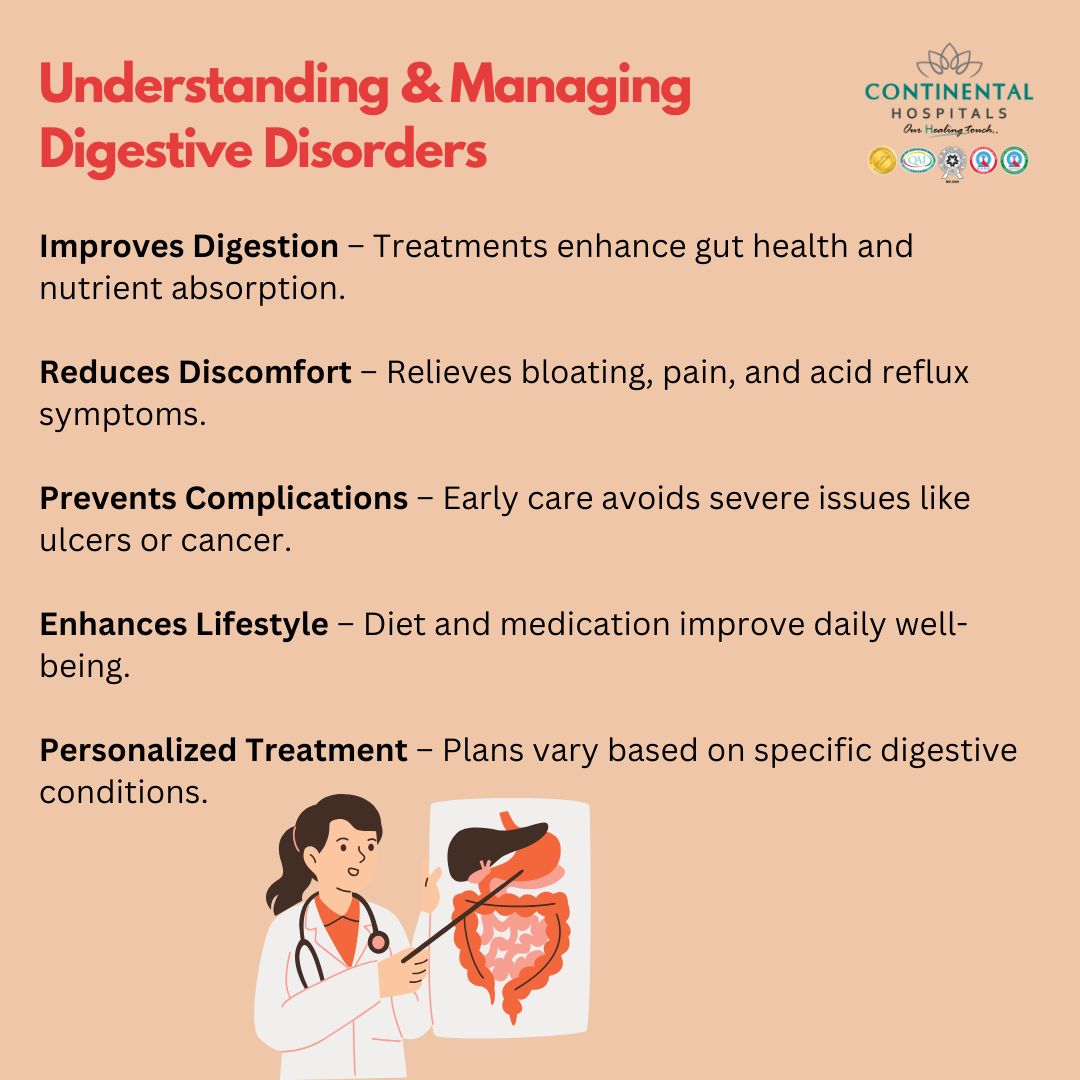
Our digestive system is responsible for breaking down food, absorbing nutrients, and eliminating waste. It includes various organs such as the stomach, small intestine, large intestine, liver, gallbladder, and pancreas. When any part of this system is affected, it can lead to digestive disorders.

Digestive disorders refer to conditions that disrupt the normal function of the digestive system. These disorders can vary widely in terms of severity and the part of the digestive system they affect.

Some common digestive disorders include:

Irritable Bowel Syndrome (IBS) – A chronic condition that affects the large intestine, causing symptoms like cramping, bloating, gas, and diarrhea or constipation.

Gastroesophageal Reflux Disease (GERD) – A condition where stomach acid frequently flows back into the esophagus, leading to symptoms such as heartburn and acid regurgitation.

Celiac Disease – An autoimmune disorder where the ingestion of gluten (a protein found in wheat, barley, and rye) causes damage to the small intestine.

Crohn’s Disease – An inflammatory bowel disease (IBD) that causes inflammation in the digestive tract, often leading to abdominal pain, diarrhea, and fatigue.

Second Opinion

Gallstones – Solid particles that form in the gallbladder and can block bile ducts, causing pain and discomfort.

Lactose Intolerance – A condition where the body is unable to digest lactose (a sugar found in milk and dairy products), leading to gas, bloating, and diarrhea.

Peptic Ulcers – Sores that develop on the lining of the stomach or small intestine, often causing pain, nausea, and indigestion.

These are just a few examples, and each disorder may present with different symptoms and impact your health in unique ways.

Looking for expert digestive care? Visit our gastroenterology specialist doctors at Continental Hospitals for comprehensive diagnosis, advanced treatment, and compassionate care.
What Causes Digestive Disorders?

There is no single cause for digestive disorders. They can arise due to various factors, and in many cases, a combination of factors may contribute to the condition. Common causes include:

Need an Appointment?

Diet: Eating too much fatty, spicy, or processed food can contribute to digestive issues. A lack of fiber in your diet or excessive consumption of caffeine and alcohol may also affect digestion.

Stress: Mental health has a significant impact on your digestive system. Stress can trigger or worsen symptoms of many digestive disorders, such as IBS or GERD.

Infections: Bacterial, viral, or parasitic infections can lead to digestive disorders. Foodborne illnesses, for instance, can result in gastroenteritis, which causes nausea, vomiting, and diarrhea.

Genetics: Some digestive disorders, such as celiac disease and Crohn’s disease, may run in families, suggesting a genetic predisposition.

Medications: Certain medications, including antibiotics, painkillers, and medications for high blood pressure, can irritate the digestive system and cause problems.

Age: As we age, our digestive system may become less efficient, which can lead to conditions such as constipation or indigestion.

What Are the Symptoms of Digestive Disorders?

Digestive disorders can affect individuals in different ways, but common symptoms include:

Abdominal pain: Pain or cramping in the stomach area is one of the most common symptoms.

Bloating: Feeling full or swollen after eating, often accompanied by gas.

Diarrhea or constipation: These digestive issues can result from conditions like IBS or infections.

Heartburn: A burning sensation in the chest or throat, usually after eating, can be a sign of GERD.

Nausea and vomiting: These symptoms are often present when the digestive system is irritated or inflamed.

Unexplained weight loss: This can occur in serious conditions like Crohn’s disease or celiac disease, where the body has trouble absorbing nutrients.

Fatigue: Ongoing digestive issues can lead to tiredness and a lack of energy.

If you experience any of these symptoms, it’s important not to ignore them. While some digestive issues may be mild and temporary, others can be signs of a more serious condition.

How are digestive disorders treated?

The treatment for digestive disorders varies depending on the specific condition and its severity. In general, treatment may involve:

Dietary Changes: Many digestive disorders can be managed with changes to your diet. For instance, people with IBS may benefit from a low-FODMAP diet, while those with celiac disease must avoid gluten altogether.

Medications: Different medications are available to treat digestive disorders. For example, antacids can help neutralize stomach acid in cases of GERD, while anti-inflammatory drugs may be used for conditions like Crohn’s disease.

Probiotics: These are beneficial bacteria that can help balance the gut flora and improve digestion, especially for people with IBS or other digestive issues.

Lifestyle Modifications: Reducing stress, staying hydrated, getting regular exercise, and eating smaller, more frequent meals can help alleviate symptoms.

Surgery: In some cases, surgery may be necessary. For example, people with severe Crohn’s disease or gallstones may require surgical intervention.

Alternative Therapies: Some people find relief through acupuncture, herbal treatments, or mindfulness practices like yoga and meditation, which can help manage stress and improve digestion.

Conclusion

Digestive disorders are common, and they can affect anyone. Understanding the symptoms, causes, and treatment options is the first step toward managing your digestive health. If you're experiencing any digestive discomfort, don’t hesitate to seek professional help. Our team at Continental Hospitals is here to help you feel your best, offering compassionate care and effective treatments for all types of digestive disorders.

Looking for the best gastroenterologist in hyderabad? Consult our best gastroenterologists at Continental Hospitals for advanced care and treatment. We're here to help you achieve better digestive health. Book your appointment today!

Related Blog Topics:

  1. Symptoms of Digestive Disorders You Shouldn’t Ignore

Frequently Asked Questions

Digestive disorders are medical conditions that affect the digestive system, including the esophagus, stomach, liver, gallbladder, pancreas, small intestine, large intestine, and rectum. These conditions can interfere with the normal digestion and absorption of nutrients. Digestive disorders may be temporary, chronic, mild, or severe depending on the underlying cause. Common examples include acid reflux, gastritis, peptic ulcers, irritable bowel syndrome (IBS), inflammatory bowel disease (IBD), gallstones, fatty liver disease, pancreatitis, constipation, diarrhea, and hemorrhoids. Symptoms often include abdominal pain, bloating, nausea, vomiting, heartburn, indigestion, changes in bowel habits, or blood in the stool. Some digestive disorders develop due to infections, unhealthy dietary habits, stress, genetics, autoimmune diseases, or lifestyle factors. Early diagnosis helps prevent complications and improves treatment outcomes. Consulting a gastroenterologist is recommended if digestive symptoms persist or worsen.
Digestive disorders can produce a wide range of symptoms depending on the affected organ and severity of the condition. Common symptoms include persistent abdominal pain, bloating, excessive gas, heartburn, acid reflux, nausea, vomiting, constipation, diarrhea, and indigestion. Some people experience difficulty swallowing, loss of appetite, unexplained weight loss, or a feeling of fullness after eating small amounts of food. Blood in the stool, black-colored stools, or persistent rectal bleeding require immediate medical evaluation. Chronic fatigue may also occur due to poor nutrient absorption or ongoing inflammation. Symptoms lasting more than a few days or recurring frequently should not be ignored. Keeping track of symptom patterns can help doctors identify the underlying cause. Early medical assessment improves diagnosis and treatment while reducing the risk of long-term digestive complications.
Digestive disorders can develop due to a variety of medical, dietary, and lifestyle factors. Poor eating habits, excessive consumption of processed foods, spicy meals, alcohol, and smoking can irritate the digestive tract. Bacterial, viral, or parasitic infections may trigger acute digestive illnesses. Chronic stress and anxiety often worsen gastrointestinal symptoms by affecting gut function. Certain medications, including painkillers and antibiotics, may also contribute to digestive problems. Some conditions result from autoimmune diseases, genetic predisposition, or chronic inflammation. Gallstones, liver disease, pancreatic disorders, food intolerances, and hormonal changes may also affect digestion. Inadequate fiber intake and dehydration commonly contribute to constipation. Identifying the underlying cause is essential because treatment varies depending on the specific digestive disorder and its severity.
Diagnosing digestive disorders begins with a detailed medical history and physical examination by a gastroenterologist. The doctor evaluates symptoms, dietary habits, medication use, family history, and lifestyle factors. Blood tests help identify infections, inflammation, liver function abnormalities, anemia, and nutritional deficiencies. Stool tests can detect infections, bleeding, or digestive abnormalities. Imaging studies such as ultrasound, CT scans, or MRI provide detailed views of digestive organs. Endoscopy and colonoscopy allow direct visualization of the digestive tract and enable tissue biopsy if necessary. Specialized tests may assess acid reflux, food intolerance, or digestive function. Accurate diagnosis is essential because many digestive disorders have similar symptoms but require different treatments. Early testing helps prevent complications and supports timely, targeted medical care.
Treatment for digestive disorders depends on the underlying diagnosis, severity of symptoms, and the patient's overall health. Many mild digestive conditions improve with dietary changes, increased fiber intake, hydration, and lifestyle modifications. Medications may include antacids, acid-suppressing drugs, antibiotics, probiotics, anti-inflammatory medicines, laxatives, or medications that regulate bowel movements. Certain liver, pancreatic, or gallbladder disorders may require specialized medical therapy. Endoscopic procedures are often used to diagnose and treat bleeding, polyps, strictures, or blockages without major surgery. Some advanced digestive conditions require minimally invasive or open surgical treatment. Long-term follow-up is important for chronic digestive diseases to prevent complications. Personalized treatment plans provide better symptom control and improve overall digestive health and quality of life.
Many digestive disorders can be prevented or their risk significantly reduced through healthy lifestyle choices. Eating a balanced diet rich in fruits, vegetables, whole grains, and fiber supports healthy digestion. Drinking adequate water helps maintain regular bowel movements and prevents constipation. Limiting processed foods, excessive fatty meals, alcohol, and sugary beverages reduces digestive stress. Maintaining a healthy weight lowers the risk of fatty liver disease, acid reflux, and gallstones. Regular physical activity improves bowel function and overall digestive health. Avoiding smoking and managing stress also contribute to a healthier digestive system. Good food hygiene helps prevent gastrointestinal infections. Routine medical checkups and timely evaluation of persistent digestive symptoms allow early detection and treatment before complications develop.
You should consult a gastroenterologist if digestive symptoms persist for more than a few days, recur frequently, or interfere with daily life. Persistent abdominal pain, severe bloating, ongoing diarrhea or constipation, unexplained weight loss, difficulty swallowing, frequent vomiting, or chronic heartburn require medical evaluation. Blood in the stool, black stools, severe abdominal swelling, or persistent rectal bleeding should never be ignored. Individuals with a family history of colorectal cancer, inflammatory bowel disease, or other gastrointestinal conditions may benefit from earlier screening. Early consultation helps identify the underlying cause before complications occur. Prompt diagnosis allows timely treatment and improves long-term digestive health outcomes. Delaying medical care may increase the risk of serious gastrointestinal disease progression.
Early treatment plays a vital role in preventing digestive disorders from becoming more serious or causing permanent complications. Many gastrointestinal conditions respond well when diagnosed during their early stages. Prompt treatment helps relieve symptoms such as pain, bloating, heartburn, constipation, and diarrhea before they significantly affect daily life. Early intervention can prevent ulcers, intestinal obstruction, gastrointestinal bleeding, liver damage, malnutrition, and certain digestive cancers. It also reduces the need for emergency procedures or complex surgeries. Regular monitoring ensures that chronic digestive diseases remain well controlled over time. Following medical advice, prescribed medications, dietary recommendations, and scheduled follow-up visits greatly improves treatment success. Seeking timely care promotes better digestive function, improved nutrition, and a healthier quality of life.
Disclaimer: The information provided in this blog is intended for general knowledge and informational purposes only, and does not constitute medical advice. Always consult with a qualified healthcare professional for any medical concerns or before making any decisions about your health.

Get in Touch With Us

Whether you are from India or abroad, we are here to help you with your medical queries. Please fill out the form below and our team will connect with you shortly.

  • ✔ Quick response from our medical experts
  • ✔ Secure data handling & privacy
  • ✔ Easy upload for reports & documents
banner_image

Chat with our medical experts on WhatsApp for quick assistance and hassle-free appointment booking

Recent Posts