post-title

Women’s Day 2025 & Gut Health: Taking Action for a Healthier Future

Written by - Editorial Team
Medically Reviewed by - Dr Guru N Reddy

As we celebrate International Women’s Day in 2025, it’s the perfect time to focus on an important aspect of women’s health—gut health. The way our digestive system works has a profound impact on our overall well-being, but it’s something that often goes unnoticed. For women, maintaining good gut health is not only essential for digestion but also plays a role in hormonal balance, mental health, immune function, and energy levels.

In this blog, we’ll explore how gut health affects women and share simple steps to take action for a healthier future. Let’s dive into the vital connection between gut health and overall wellness for women.

Why is gut health important for women?

Your gut, also known as the digestive system, is often referred to as the "second brain" of your body. This is because it has its own complex nervous system and plays a crucial role in regulating many functions. When your gut is healthy, it helps digest food properly, absorb nutrients, and eliminate waste effectively.

However, if your gut is out of balance, it can lead to a variety of issues such as bloating, constipation, fatigue, skin problems, and even mood swings. Women, in particular, experience unique challenges that can affect gut health, including hormonal fluctuations, pregnancy, and menopause.

Visit our gastroenterology specialist doctors at Continental Hospitals for comprehensive care and personalized treatment.
How Does Gut Health Affect Women's Health?

Gut health is more than just digestion. It’s interconnected with various aspects of a woman’s health:

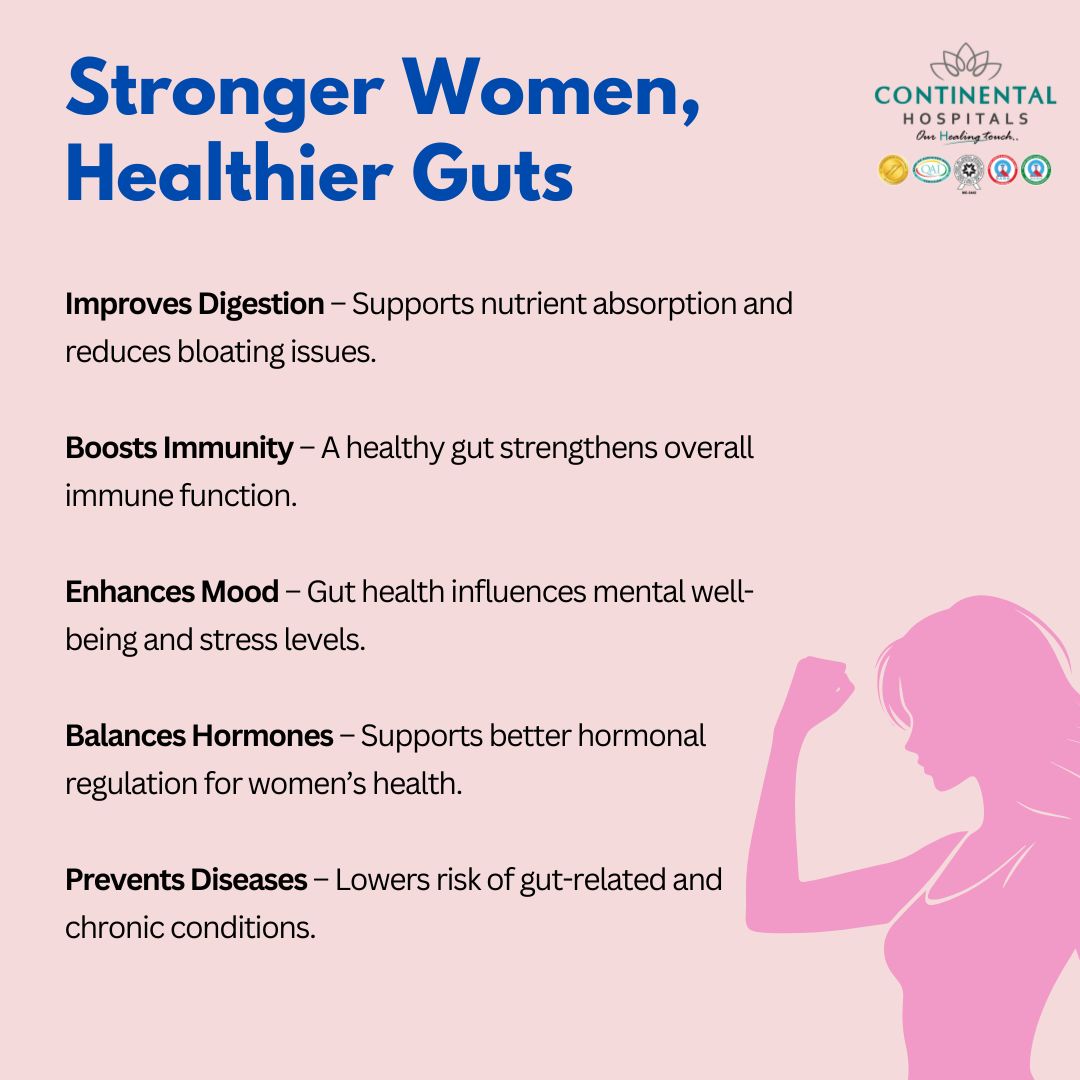
Hormonal Balance: Women’s hormone levels change throughout different life stages, and these fluctuations can affect digestion and gut function. For example, during menstruation, pregnancy, or menopause, women may experience digestive discomforts like bloating, constipation, or diarrhea. A healthy gut can help maintain hormonal balance, which in turn supports a smoother transition through these stages.

Mental Health: It might surprise you to learn that your gut can influence your mood. Research has shown that the gut and brain are linked through the gut-brain axis, a communication pathway that allows the gut to send signals to the brain. If your gut is unhealthy, it can lead to feelings of anxiety, depression, or irritability. On the flip side, a balanced gut can support better mental well-being and emotional stability.

Second Opinion

Immune System Support: Around 70-80% of your immune system is located in your gut. A healthy gut microbiome—made up of good bacteria—helps protect your body from harmful pathogens and infections. Women who have a compromised gut may be more prone to illnesses and infections, making it important to keep the gut in top shape for stronger immunity.

Energy and Vitality: When your digestive system isn’t functioning properly, it can affect your energy levels. Feeling sluggish, tired, or fatigued is often linked to poor digestion or nutrient absorption. A healthy gut helps break down food into essential vitamins and minerals, keeping you energized and active throughout the day.

Skin Health: The health of your gut is also reflected in your skin. Many skin conditions, such as acne, eczema, and psoriasis, have been linked to gut imbalances. When your gut is healthy, it helps remove toxins from the body and supports clearer, healthier skin.

How can I improve my gut health naturally?

Improving gut health doesn’t require drastic changes; small, consistent actions can make a big difference. Here are some simple steps women can take to support a healthier gut:

1. Eat a Fiber-Rich Diet
Fibre is essential for maintaining a healthy digestive system. It helps promote regular bowel movements, reduce bloating, and support the growth of healthy gut bacteria. Include plenty of fruits, vegetables, whole grains, and legumes in your diet to boost fibre intake.

2. Incorporate Probiotics
Probiotics are live bacteria that support a healthy balance of gut flora. Foods like yogurt, kefir, sauerkraut, kimchi, and kombucha are rich in probiotics and can help keep your gut flora in check. You may also consider probiotic supplements if recommended by a healthcare professional.

3. Stay Hydrated
Drinking enough water is essential for good digestion. Water helps break down food, absorb nutrients, and keep your digestive system running smoothly. Aim to drink at least 8 cups of water daily to stay hydrated and support your gut.

Need an Appointment?

4. Manage Stress
Chronic stress can disrupt gut health and lead to conditions like irritable bowel syndrome (IBS) or bloating. Finding ways to manage stress, such as practicing mindfulness, deep breathing, or yoga, can improve digestion and protect your gut.

5. Exercise Regularly
Physical activity helps stimulate the digestive system and encourages regular bowel movements. Regular exercise, such as walking, swimming, or cycling, can promote gut health by improving circulation and reducing inflammation in the gut.

6. Avoid Overuse of Antibiotics
While antibiotics are necessary for treating infections, they can disrupt the balance of good bacteria in your gut if used excessively. If possible, try to limit antibiotic use and always follow your doctor’s instructions for any prescribed medication.

7. Limit Processed Foods
Highly processed foods that are high in sugar, unhealthy fats, and artificial additives can harm the gut microbiome. Try to limit your intake of processed foods and opt for whole, natural foods instead.

What Is the Role of Doctors in Gut Health?

While these steps can significantly improve gut health, some women may experience persistent digestive issues that require medical intervention. If you suffer from chronic bloating, abdominal pain, constipation, diarrhea, or other digestive problems, it’s important to seek professional help. Digestive issues can sometimes signal an underlying condition, such as IBS, Crohn’s disease, or celiac disease, that needs proper treatment.

At Continental Hospitals, our expert gastroenterologists can help diagnose and treat a wide range of digestive disorders. They can offer personalized advice and treatment plans to help you improve your gut health and overall well-being.

Conclusion

As we celebrate Women’s Day 2025, let’s prioritize our health by taking action to improve our gut health. A healthy gut is the foundation for better digestion, mental well-being, immune function, and overall vitality. By following simple steps like eating a fibre-rich diet, staying hydrated, managing stress, and exercising regularly, we can set ourselves up for a healthier future.

Struggling with digestive issues? Consult our best gastroenterologist in hyderabad at Continental Hospitals for better gut health. Schedule your consultation today!

Frequently Asked Questions

Gut health plays a vital role in a woman's overall physical and mental well-being. A healthy digestive system helps the body absorb essential nutrients needed for energy, immunity, bone strength, and hormonal balance. The gut microbiome also communicates with the brain, influencing mood, stress levels, and sleep quality. Women may experience digestive changes during menstruation, pregnancy, menopause, or because of hormonal fluctuations. Maintaining a balanced gut can reduce bloating, constipation, and other digestive discomforts. Good gut health also supports immune function, healthy skin, and metabolism. Eating fiber-rich foods, staying hydrated, exercising regularly, managing stress, and getting enough sleep all contribute to a healthier gut. Prioritizing digestive health empowers women to lead healthier and more active lives.
Hormonal changes throughout a woman's life can significantly influence digestive health. During menstruation, pregnancy, and menopause, fluctuations in estrogen and progesterone may slow or speed up digestion, causing bloating, constipation, diarrhea, or abdominal discomfort. These hormones can also alter the balance of beneficial gut bacteria, affecting the gut microbiome. Stress hormones such as cortisol further impact digestion by increasing inflammation and changing bowel habits. Maintaining a healthy diet rich in fiber, probiotics, and prebiotics helps support a balanced microbiome during hormonal changes. Regular physical activity, adequate hydration, quality sleep, and stress management also improve digestive function. Women experiencing persistent digestive symptoms should seek medical evaluation to identify any underlying gastrointestinal conditions.
An unhealthy gut may present with symptoms that extend beyond digestion. Common warning signs include frequent bloating, constipation, diarrhea, gas, acid reflux, stomach pain, and irregular bowel movements. Women may also notice unexplained fatigue, poor sleep, skin issues such as acne or eczema, frequent infections, food intolerances, or difficulty maintaining a healthy weight. Mood changes, anxiety, and reduced concentration may also be linked to an imbalanced gut microbiome through the gut-brain connection. While occasional digestive discomfort is common, persistent symptoms should not be ignored. Early medical evaluation helps diagnose conditions such as irritable bowel syndrome, inflammatory bowel disease, celiac disease, or other gastrointestinal disorders and allows timely treatment.
A balanced diet is one of the most effective ways to improve gut health. Women should include fiber-rich fruits, vegetables, whole grains, legumes, nuts, and seeds to nourish beneficial gut bacteria. Fermented foods such as yogurt, kefir, buttermilk, kimchi, sauerkraut, and fermented pickles provide probiotics that support microbial diversity. Prebiotic foods including onions, garlic, bananas, asparagus, and oats help beneficial bacteria thrive. Drinking enough water supports smooth digestion and regular bowel movements. Limiting processed foods, sugary beverages, and excessive alcohol can reduce inflammation and support gut balance. Eating meals at consistent times and chewing food thoroughly also promotes healthy digestion and nutrient absorption.
Yes, stress has a strong impact on digestive health through the gut-brain connection. Chronic stress can alter gut bacteria, slow digestion, increase stomach acid production, and worsen symptoms such as bloating, abdominal pain, diarrhea, or constipation. High stress levels may also contribute to conditions like irritable bowel syndrome by affecting intestinal function. Women often experience digestive changes during emotionally demanding periods because stress hormones influence gut movement and inflammation. Managing stress through yoga, meditation, deep breathing exercises, regular physical activity, hobbies, and adequate sleep supports healthier digestion. Seeking emotional support when needed can also improve both mental and digestive well-being.
Women should consult a gastroenterologist if digestive symptoms persist for more than a few weeks or interfere with daily life. Persistent bloating, severe abdominal pain, ongoing constipation or diarrhea, blood in stools, unexplained weight loss, difficulty swallowing, frequent vomiting, persistent heartburn, or anemia require prompt medical evaluation. Early diagnosis helps identify conditions such as irritable bowel syndrome, inflammatory bowel disease, peptic ulcers, celiac disease, liver disorders, or colorectal diseases. Delaying treatment may allow symptoms to worsen or complications to develop. A gastroenterologist can recommend appropriate investigations, lifestyle modifications, medications, or advanced treatments based on the underlying cause.
Healthy daily habits play an important role in maintaining long-term digestive wellness. Eating a balanced, fiber-rich diet, drinking sufficient water, exercising regularly, and maintaining a healthy body weight all contribute to a healthy gut microbiome. Getting seven to eight hours of quality sleep helps regulate digestive hormones and immune function. Managing stress through mindfulness practices and limiting smoking or excessive alcohol intake further supports digestive health. Avoiding unnecessary antibiotic use helps preserve beneficial gut bacteria. Routine health checkups allow early detection of digestive conditions before they become serious. Small, consistent lifestyle changes can significantly improve gut function and overall health over time.
Taking proactive steps to improve gut health can enhance overall quality of life and reduce the risk of chronic diseases. Women can start by eating a diverse diet rich in fruits, vegetables, whole grains, and probiotic foods while limiting highly processed foods and excess sugar. Staying physically active, managing stress effectively, drinking enough water, and maintaining regular sleep patterns all support digestive health. Listening to the body's warning signs and seeking timely medical advice for persistent digestive symptoms ensures early diagnosis and treatment. Preventive health checkups and personalized guidance from a gastroenterologist help women make informed health decisions and build a healthier future for themselves and their families.
Disclaimer: The information provided in this blog is intended for general knowledge and informational purposes only, and does not constitute medical advice. Always consult with a qualified healthcare professional for any medical concerns or before making any decisions about your health.

Get in Touch With Us

Whether you are from India or abroad, we are here to help you with your medical queries. Please fill out the form below and our team will connect with you shortly.

  • ✔ Quick response from our medical experts
  • ✔ Secure data handling & privacy
  • ✔ Easy upload for reports & documents
banner_image

Chat with our medical experts on WhatsApp for quick assistance and hassle-free appointment booking

Recent Posts