.webp)

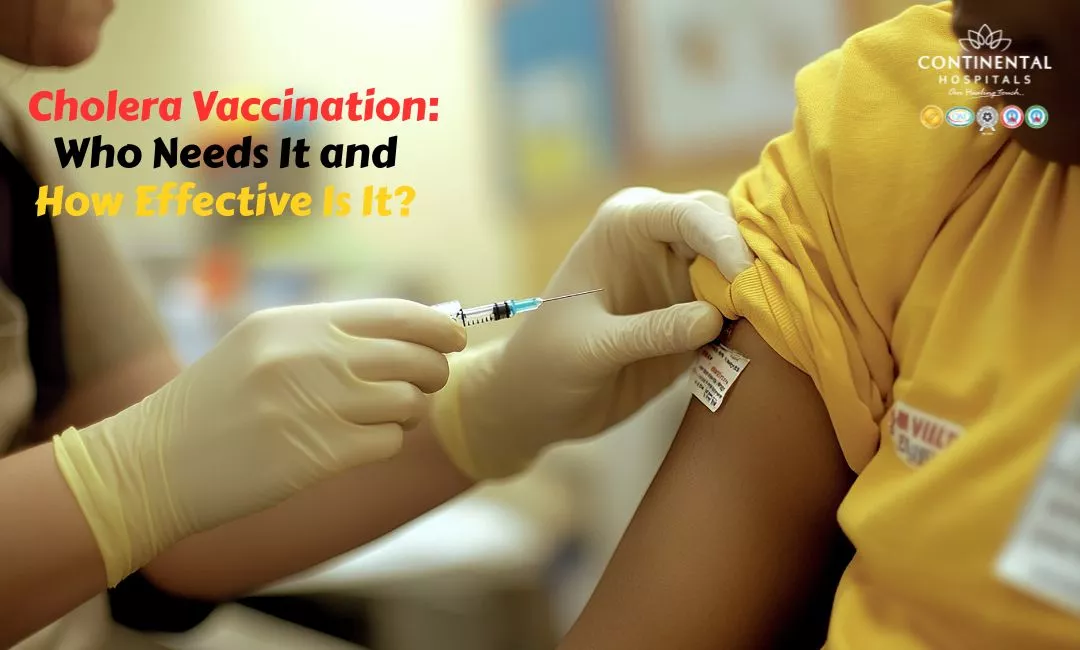
Cholera is a serious infectious disease that can spread rapidly in certain conditions. It is caused by consuming food or water contaminated with the bacterium Vibrio cholerae. The infection leads to severe watery diarrhea, vomiting, and dehydration. Without timely treatment, cholera can become life threatening.
One of the most effective ways to prevent this disease is through the cholera vaccine. In areas where sanitation is poor or during a cholera outbreak, vaccination plays a critical role in protecting communities.
What Is Cholera?
Cholera spreads mainly through contaminated drinking water. It is common in regions facing poor hygiene, floods, or overcrowding. A cholera epidemic can occur quickly if preventive measures are not taken.
The disease works by releasing a substance called cholera toxin in the intestines. This toxin causes the body to lose large amounts of fluids and salts. If not treated immediately with oral rehydration and medical care, severe dehydration can lead to shock and organ failure.
According to global health reports, thousands of cases are reported every year, especially in developing countries. Cholera news often highlights outbreaks after natural disasters or in refugee camps where clean water is limited.
Protect your health from cholera risks. Visit our Infectious Disease Department at Continental Hospitals for expert care, vaccination, and guidance.
What Is the Cholera Vaccine?
The cholera vaccine is an oral vaccine that helps the body build immunity against Vibrio cholerae. It reduces the risk of severe illness if a person is exposed to the bacteria.
There are different types of oral cholera vaccine recommended by the World Health Organization for use in endemic regions and during emergencies. These vaccines are safe and easy to administer.
It is important to note that hog cholera vaccine is completely different and is used to protect pigs from hog cholera, also known as classical swine fever. Hog cholera does not affect humans. Therefore, hog cholera vaccine should not be confused with the cholera vaccine used for people.

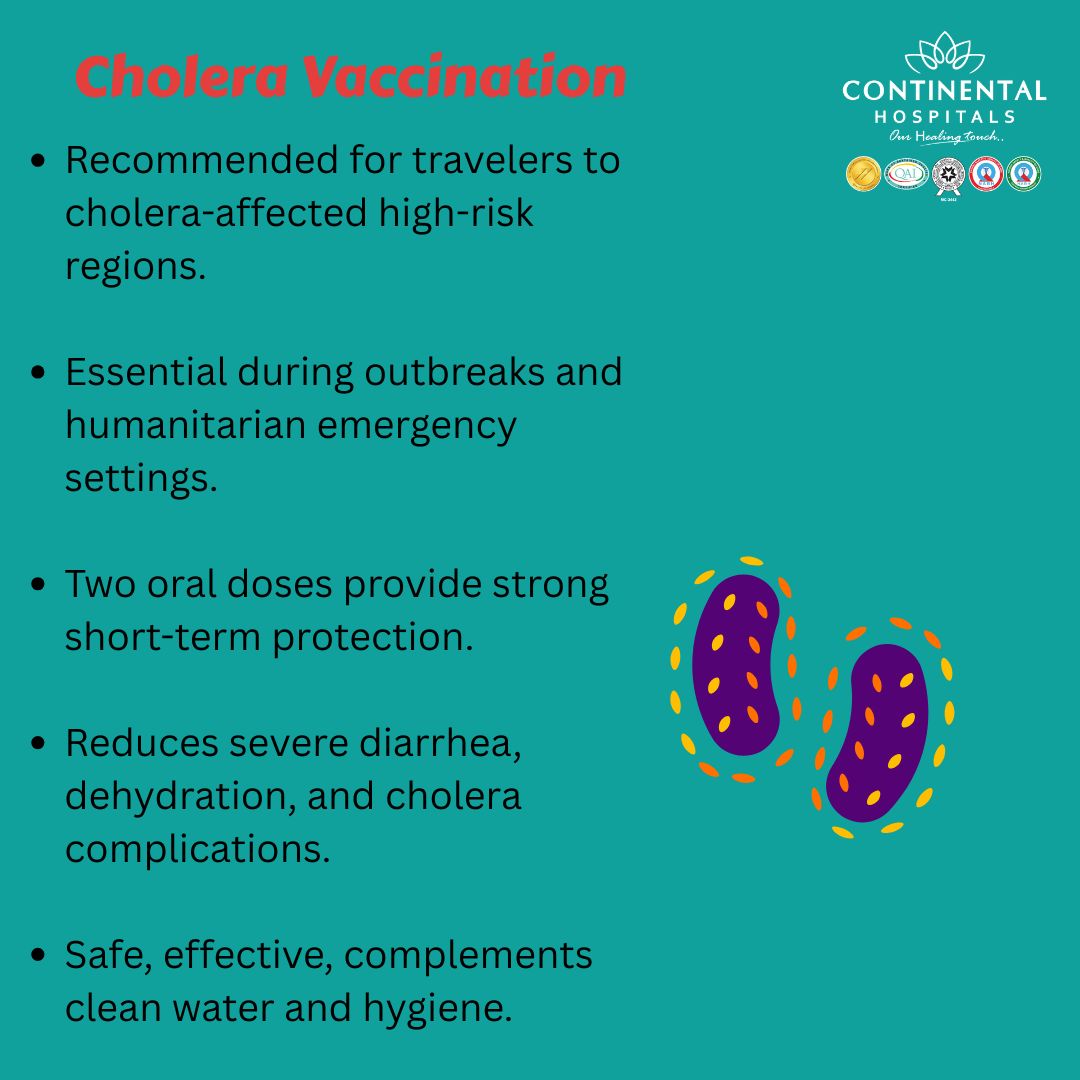
Who Needs the Cholera Vaccine?
Not everyone requires routine vaccination. However, certain groups are strongly advised to receive the cholera vaccine.
- People living in areas with frequent cholera outbreaks
- Residents in regions with poor sanitation and unsafe drinking water
- Healthcare workers involved in outbreak response
- Travelers visiting countries with active cholera transmission
- Relief workers and volunteers in disaster affected zones
During a cholera epidemic, governments may organize mass vaccination campaigns to control the spread of infection. Children and adults in high risk communities are often included in these programs.
If you are planning international travel, consult a doctor to check if vaccination is recommended based on current cholera news and travel advisories.
How Effective Is the Cholera Vaccine?
The cholera vaccine provides strong protection against severe disease. Studies show that oral vaccines can offer protection ranging from moderate to high effectiveness, especially in the first few years after vaccination.
Key facts about effectiveness:
- Protection begins within a few weeks after vaccination
- Reduces severity of illness even if infection occurs
- Helps control community level spread during a cholera outbreak
- Provides longer protection with complete dosage
Although the cholera vaccine is highly beneficial, it does not provide lifelong immunity. Booster doses may be recommended depending on the type of vaccine and risk exposure.
Vaccination should always be combined with safe drinking water, proper hand hygiene, and sanitation improvements.
How Is the Cholera Vaccine Given?
The cholera vaccine is usually taken orally as a liquid dose. It is simple and does not require an injection in most cases. Depending on the vaccine type, one or two doses may be required.
Before vaccination, a doctor will assess your medical history. The vaccine is generally safe for adults and children above a certain age. Side effects, if any, are usually mild and temporary.
Common Symptoms of Cholera
Early recognition can save lives. Seek medical help immediately if you experience:
- Severe watery diarrhea
- Frequent vomiting
- Extreme thirst
- Muscle cramps
- Rapid heartbeat
- Low blood pressure
Prompt treatment with fluids and electrolytes can prevent complications. Antibiotics may be prescribed in severe cases.
Preventing Cholera Beyond Vaccination
While the cholera vaccine is an important preventive measure, it should be part of a broader strategy.
- Drink only safe and clean water
- Wash hands regularly with soap
- Avoid raw or undercooked seafood
- Eat freshly cooked hot meals
- Use proper sanitation facilities
Public awareness and community participation play a crucial role in preventing a cholera epidemic.
Why Choose Continental Hospitals for Cholera Prevention and Care?
Continental Hospitals is recognized as one of the best hospitals in Hyderabad for infectious disease management and preventive healthcare. The hospital is accredited by the National Accreditation Board for Hospitals & Healthcare Providers and the Joint Commission International, reflecting high standards of patient safety and clinical excellence.
Key strengths of Continental Hospitals:
- Advanced diagnostic laboratories
- Dedicated Infectious Diseases specialists
- Modern isolation and critical care facilities
- Comprehensive vaccination services
- Strong infection control protocols
- 24/7 emergency response team
The hospital follows evidence based protocols aligned with global guidelines. During any cholera outbreak, the team ensures rapid diagnosis, effective treatment, and preventive vaccination strategies to protect the community.
Patients benefit from multidisciplinary care that includes physicians, microbiologists, and critical care experts working together for the best outcomes.
Frequently Asked Questions
Is cholera common in India?
Cholera cases are reported in certain regions, especially during monsoon and flooding seasons.
Can the cholera vaccine prevent all infections?
It significantly reduces the risk of severe illness but does not guarantee complete immunity.
How long does protection last?
Protection varies depending on the vaccine type and individual risk factors.
Is hog cholera related to human cholera?
No. Hog cholera affects pigs and is unrelated to human cholera infection.
Conclusion
Cholera remains a serious public health concern in many parts of the world. Rapid fluid loss caused by cholera toxin can lead to life threatening dehydration if not treated quickly. The cholera vaccine offers an effective layer of protection, especially for people living in high risk areas or traveling to endemic regions.
Vaccination, combined with hygiene and safe water practices, can significantly reduce the impact of a cholera epidemic. Staying informed through reliable cholera news and consulting healthcare professionals before travel are important preventive steps.
If you or your family are at risk of cholera or planning travel to affected areas, consult our best infectious disease specialist at Continental Hospitals. Early vaccination and expert medical guidance can protect your health and prevent complications.