post-title

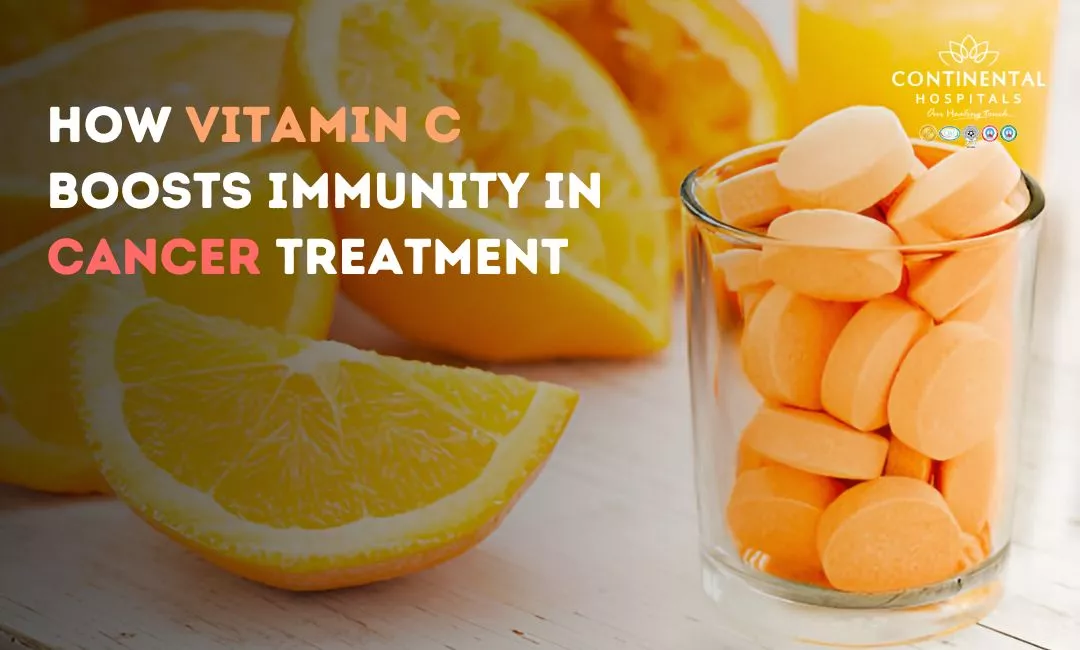
How Vitamin C Boosts Immunity in Cancer Treatment

Written by - Editorial Team
Medically Reviewed by - Dr P Jagannath

Cancer is a challenging journey, not just for the patient but also for their loved ones. While modern treatments like chemotherapy, radiation, and immunotherapy have made significant strides in fighting cancer, they often come with side effects that can weaken the body’s immune system. This is where the role of nutrition, particularly Vitamin C, becomes crucial. Known for its immune-boosting properties, Vitamin C can play a supportive role in cancer treatment. Let’s explore how this essential nutrient can help strengthen immunity and improve overall well-being during cancer therapy.

What is Vitamin C, and Why is it Important?

Vitamin C, also known as ascorbic acid, is a water-soluble vitamin found in many fruits and vegetables. It’s a powerful antioxidant, meaning it helps protect cells from damage caused by free radicals—unstable molecules that can harm cells and contribute to chronic diseases, including cancer.

But Vitamin C does more than just fight free radicals. It plays a vital role in:

Boosting the immune system: It helps white blood cells function more effectively, which are crucial for fighting infections and diseases.

Promoting collagen production: This helps in wound healing and maintaining healthy skin, which can be affected during cancer treatments.

Enhancing iron absorption: This is especially important for cancer patients who may experience anemia due to treatment.

For cancer patients, maintaining a strong immune system is critical. Treatments like chemotherapy and radiation can suppress immunity, making the body more vulnerable to infections. This is where Vitamin C steps in as a natural ally.

If you or a loved one is undergoing cancer treatment and needs expert guidance, visit our Best Cancer Specialist in Hyderabad at Continental Hospitals for comprehensive, personalized cancer care.

How Does Vitamin C Support Immunity During Cancer Treatment?

1. Strengthens White Blood Cells
White blood cells are the body’s defense army, fighting off infections and diseases. Vitamin C enhances the production and function of these cells, helping the body stay resilient during cancer treatment. Studies have shown that Vitamin C can improve the activity of neutrophils, lymphocytes, and phagocytes—key players in the immune response.

Second Opinion

2. Reduces Oxidative Stress
Cancer treatments often generate oxidative stress, which can damage healthy cells and tissues. As an antioxidant, Vitamin C neutralizes free radicals, reducing oxidative stress and protecting healthy cells. This not only supports recovery but also minimizes some of the side effects of cancer therapy.

3. Supports Gut Health
A healthy gut is essential for a strong immune system. Chemotherapy and other treatments can disrupt the gut microbiome, leading to digestive issues and weakened immunity. Vitamin C helps maintain the integrity of the gut lining and supports the growth of beneficial bacteria, promoting overall gut health.

4. Enhances Wound Healing
Cancer treatments can sometimes cause sores, ulcers, or slow-healing wounds. Vitamin C plays a key role in collagen synthesis, which is essential for repairing tissues and healing wounds. This can be particularly beneficial for patients recovering from surgery or dealing with treatment-related skin issues.

5. Improves Energy Levels
Fatigue is one of the most common side effects of cancer treatment. Vitamin C helps the body absorb iron more efficiently, which is crucial for preventing anemia—a condition that can worsen fatigue. By improving iron levels, vitamin C can help patients feel more energized and better equipped to handle their treatment.

How Does Vitamin C Boost Immunity During Cancer Treatment?

The best way to get vitamin C is through a balanced diet rich in fruits and vegetables. Some excellent sources of vitamin C include:

Citrus fruits: Oranges, lemons, grapefruits, and limes.

Berries: Strawberries, blueberries, and raspberries.

Need an Appointment?

Leafy greens: Spinach, kale, and broccoli.

Other vegetables: Bell peppers, tomatoes, and Brussels sprouts.

For cancer patients, it’s important to consult with a healthcare provider or dietitian before making significant changes to their diet. In some cases, Vitamin C supplements may be recommended, but these should only be taken under medical supervision.

How Does High-Dose Vitamin C Therapy Work?

In recent years, high-dose vitamin C therapy has gained attention as a complementary treatment for cancer. This involves administering vitamin C intravenously (IV) in much higher doses than what can be achieved through diet or oral supplements. Research suggests that high-dose vitamin C may:

Enhance the effectiveness of chemotherapy and radiation: Some studies indicate that vitamin C can make cancer cells more susceptible to these treatments.

Reduce treatment-related side effects: Patients undergoing high-dose vitamin C therapy have reported less fatigue, improved appetite, and better overall quality of life.

Target cancer cells selectively: At high doses, vitamin C may generate hydrogen peroxide, a compound that can kill cancer cells while sparing healthy ones.

However, it’s important to note that high-dose Vitamin C therapy is still under investigation and should only be administered under the guidance of a qualified healthcare professional.

What precautions should cancer patients take before taking vitamin C supplements?

While vitamin C is generally safe, there are a few things to keep in mind:

Consult your doctor: Always talk to your oncologist or healthcare provider before starting any new supplement, including Vitamin C. They can help determine the right dosage and ensure it doesn’t interfere with your treatment.

Avoid over-supplementation: Too much vitamin C can cause side effects like stomach upset, diarrhea, or kidney stones. Stick to the recommended dosage.

Focus on a balanced diet: Supplements should not replace a healthy diet. Aim to get your nutrients from whole foods whenever possible.

Conclusion

Cancer treatment is a complex process that requires a multidisciplinary approach. While vitamin C is not a cure for cancer, it can be a valuable tool in supporting your immune system and improving your overall well-being during treatment. By strengthening your body’s natural defenses, reducing oxidative stress, and promoting healing, vitamin C can help you face the challenges of cancer therapy with greater resilience.

If you’re struggling with cancer or have questions about how to support your immune system during treatment, don’t hesitate to reach out to our best oncologist in Hyderabad at Continental Hospitals.

Frequently Asked Questions

Vitamin C plays an important role in supporting the body's immune system during cancer treatment. It helps stimulate the production and function of white blood cells, which are essential for fighting infections. Cancer treatments such as chemotherapy and radiation can weaken immunity, making patients more vulnerable to illness. Vitamin C also acts as a powerful antioxidant that protects healthy cells from oxidative stress caused by free radicals. It supports wound healing, tissue repair, and collagen production, all of which are important during recovery. Adequate vitamin C levels may help the body respond better to infections and reduce the duration of common illnesses. While it cannot cure cancer, maintaining healthy vitamin C levels can contribute to overall wellness. Patients should always consult their oncologist before taking vitamin C supplements, especially in high doses, as treatment plans vary from person to person.
Research continues to explore the role of vitamin C in cancer care, but it should not be considered a replacement for standard treatments. Some studies suggest that vitamin C may support healthy cells by reducing oxidative damage and improving overall nutritional status. Certain clinical trials are evaluating high dose intravenous vitamin C alongside chemotherapy or radiation, but results remain mixed. Oral vitamin C mainly helps maintain normal body functions and immune health. The effectiveness of vitamin C depends on the type of cancer, treatment plan, and individual health condition. There is currently no conclusive evidence that vitamin C alone can improve cancer treatment outcomes. It should always be used under medical supervision. Patients should follow their oncologist's advice before adding any supplements to their treatment plan.
Many fruits and vegetables are naturally rich in vitamin C and can be included in a balanced diet during cancer treatment. Excellent sources include oranges, lemons, sweet lime, guava, kiwi, strawberries, papaya, and pineapple. Vegetables such as bell peppers, broccoli, cauliflower, tomatoes, cabbage, spinach, and kale also provide significant amounts of vitamin C. Fresh foods generally contain higher levels of the vitamin than overcooked foods. Eating a variety of colorful fruits and vegetables helps provide additional antioxidants and nutrients that support recovery. Patients experiencing appetite loss or treatment related side effects should consult a dietitian for suitable meal options. Food remains the preferred source of vitamin C for most people unless a doctor recommends supplementation.
Vitamin C supplements are not necessary for every cancer patient and should only be taken after medical advice. Some patients can meet their daily vitamin C needs through a healthy and balanced diet. High dose vitamin C supplements may interact with certain chemotherapy drugs or other medications in specific situations. The safety and effectiveness of supplementation depend on the patient's diagnosis, kidney function, nutritional status, and ongoing treatment. An oncologist or clinical dietitian can determine whether supplementation is appropriate. Self medication with large doses is not recommended because it may interfere with some treatment strategies. Personalized nutritional guidance ensures that patients receive the right amount without unnecessary risks.
Vitamin C supports several body functions that contribute to overall recovery during cancer treatment. It plays a role in energy metabolism, collagen production, tissue repair, and immune defense. While vitamin C itself is not a direct treatment for fatigue, maintaining adequate levels may help support general health and recovery. A balanced diet containing enough vitamins and minerals can improve nutritional status and assist the body's healing process. Recovery also depends on factors such as hydration, sleep, physical activity, emotional wellbeing, and the type of cancer treatment received. Patients with severe fatigue should discuss their symptoms with their healthcare team to identify the underlying cause. Vitamin C should be viewed as one part of comprehensive supportive cancer care.
Although vitamin C is generally safe when consumed through food, excessive supplementation may cause side effects. High doses can lead to stomach discomfort, diarrhea, nausea, abdominal cramps, and digestive upset in some individuals. People with kidney disease or a history of kidney stones may face additional risks with excessive vitamin C intake. In certain situations, large doses may interfere with specific cancer therapies, although evidence varies depending on the treatment. It is important not to exceed recommended doses without medical supervision. Patients should always inform their oncologist about any vitamins, herbal products, or dietary supplements they are taking. Safe and personalized guidance helps avoid unnecessary complications during cancer treatment.
Maintaining healthy vitamin C levels is beneficial for most people undergoing cancer treatment, especially those with poor appetite or nutritional deficiencies. Patients experiencing treatment related side effects that reduce food intake may be at higher risk of vitamin deficiencies. Older adults, individuals recovering from surgery, and patients with weakened immunity may also benefit from adequate vitamin C intake through a balanced diet. Good nutrition supports wound healing, tissue repair, and immune function throughout treatment. However, vitamin C requirements vary depending on individual health conditions and treatment plans. A healthcare provider can assess nutritional needs and recommend the most appropriate dietary approach. Personalized nutrition plays an important role in improving overall wellbeing during cancer care.
Vitamin C helps support the normal functioning of the immune system, but it cannot completely prevent infections during chemotherapy. Chemotherapy often lowers white blood cell counts, making patients more susceptible to bacterial, viral, and fungal infections. Maintaining adequate vitamin C intake through a nutritious diet supports immune cell function and overall health. Infection prevention also depends on proper hygiene, food safety, vaccination when appropriate, and following the healthcare team's recommendations. Patients should report fever or signs of infection immediately, regardless of vitamin C intake. Vitamin C is best viewed as part of a comprehensive approach to maintaining health during cancer treatment rather than as a guaranteed method of preventing infections.
Disclaimer: The information provided in this blog is intended for general knowledge and informational purposes only, and does not constitute medical advice. Always consult with a qualified healthcare professional for any medical concerns or before making any decisions about your health.

Get in Touch With Us

Whether you are from India or abroad, we are here to help you with your medical queries. Please fill out the form below and our team will connect with you shortly.

  • ✔ Quick response from our medical experts
  • ✔ Secure data handling & privacy
  • ✔ Easy upload for reports & documents
0 / 100
Checkboxes Section


banner_image

Chat with our medical experts on WhatsApp for quick assistance and hassle-free appointment booking

Recent Posts
Language Based Image
0 / 100