post-title

Left Side Stomach Pain: Causes and Symptoms

Written by - Editorial Team
Medically Reviewed by - Dr Raghuram Kondala

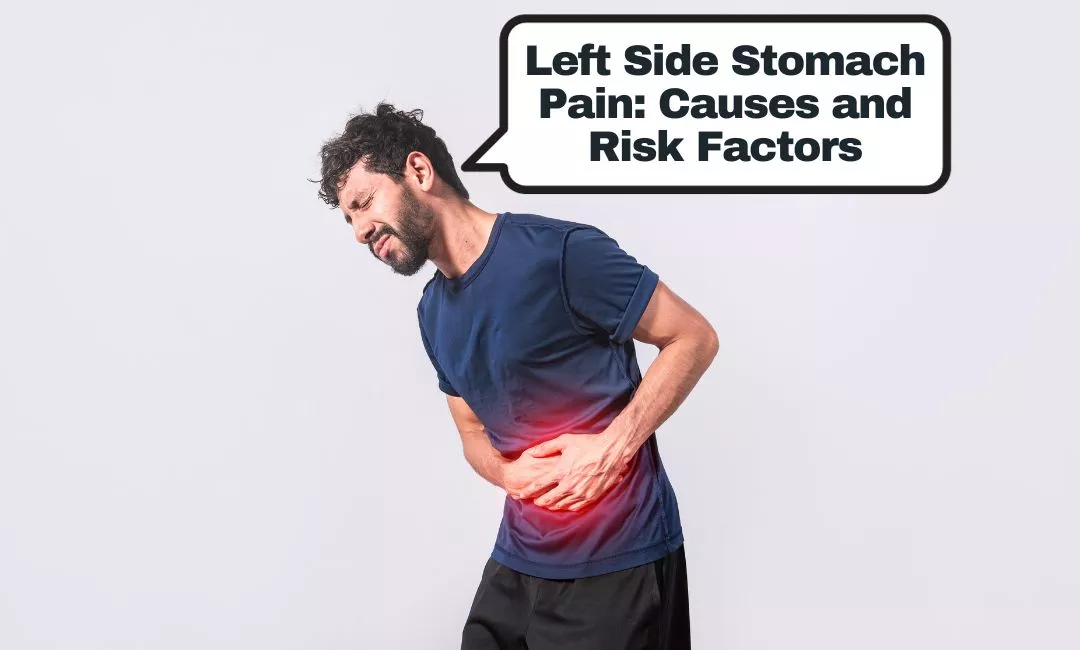
Left-side stomach pain can stem from various causes, ranging from mild to severe conditions. Common causes include gastrointestinal issues such as gas, constipation, or indigestion, which typically cause discomfort or cramping in the left abdomen. Additionally, conditions like diverticulitis, irritable bowel syndrome (IBS), or gastritis may manifest as persistent or intermittent pain on the left side of the stomach. In some cases, more serious conditions such as kidney stones, pancreatitis, or inflammatory bowel diseases like Crohn's disease might lead to localized left-sided abdominal pain accompanied by other symptoms like fever, vomiting, or changes in bowel habits. 

What Causes Left Side Stomach Pain?

Gas and bloating: Gas buildup in the intestines can cause discomfort and pain in the left side of the stomach.

Indigestion: Eating spicy or fatty foods, overeating, or eating too quickly can lead to indigestion, causing left-side stomach pain.

Constipation: Constipation can cause cramping and pain on the left side of the abdomen due to the buildup of stool.

Gastroenteritis: Also known as stomach flu, gastroenteritis is an inflammation of the stomach and intestines, often caused by viral or bacterial infection. It can lead to abdominal pain, cramping, diarrhea, and vomiting.

Diverticulitis: Inflammation or infection of small pouches that form in the lining of the colon, known as diverticula, can cause left lower abdominal pain.

Kidney stones: Pain from kidney stones can radiate to the left side of the abdomen if the stone is located in the left kidney or ureter.

Urinary tract infection (UTI): Infections of the urinary tract, such as cystitis or kidney infection, can cause pain in the lower left abdomen.

Irritable bowel syndrome (IBS): IBS is a chronic condition that affects the large intestine, causing symptoms like abdominal pain, bloating, gas, diarrhea, and constipation. The pain is often relieved after a bowel movement.

Second Opinion

Muscle strain: Straining or injuring the muscles of the abdomen, such as during exercise or heavy lifting, can cause left side stomach pain.

Visit our gastroenterology specialist doctors for expert evaluation, accurate diagnosis, and personalized treatment to identify the underlying cause and ensure timely care.
Symptoms of Left Side Stomach Pain

What Are the Symptoms of Left Side Stomach Pain?

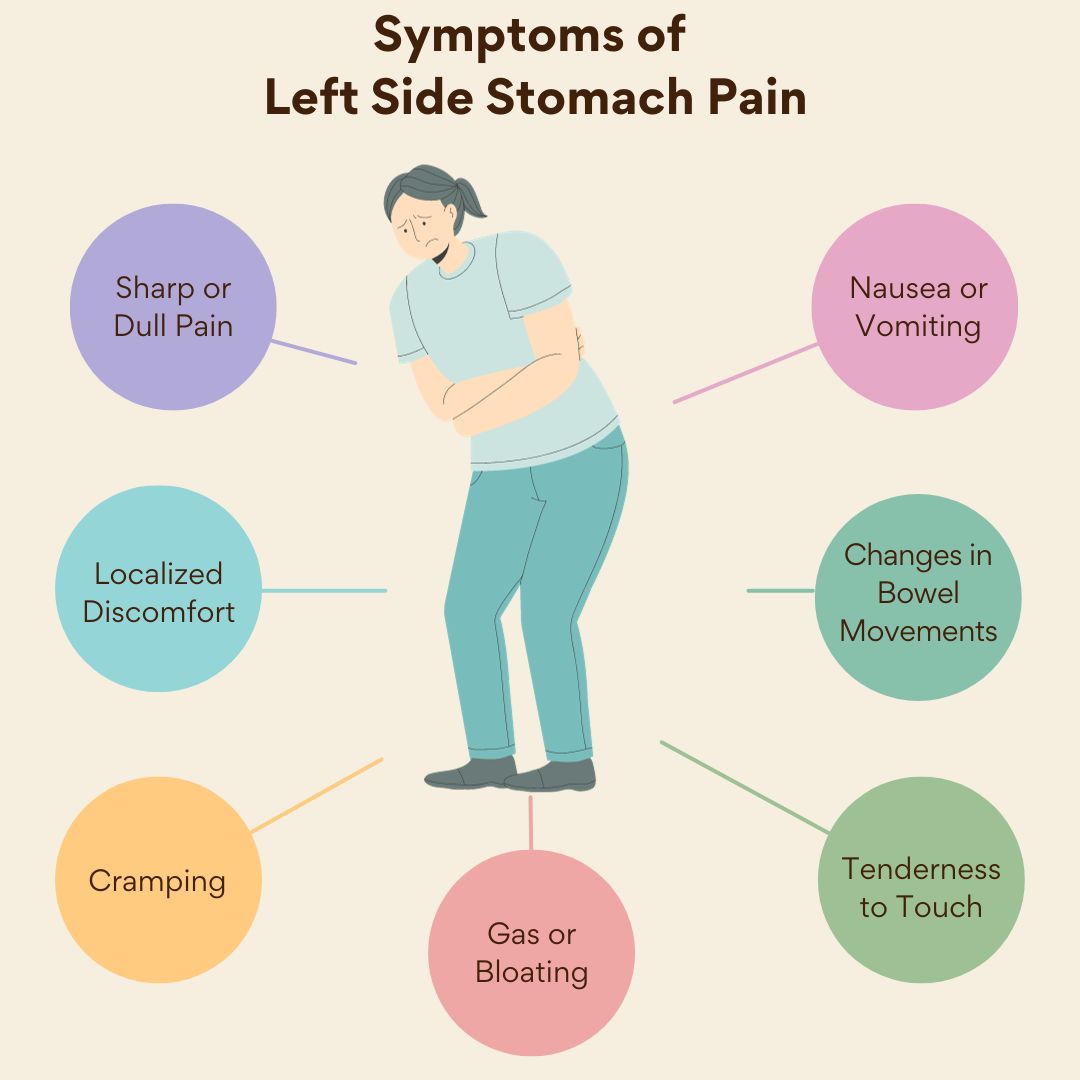
Left-sided stomach pain can have various causes, ranging from mild to severe. Some common symptoms associated with left-sided stomach pain include:

  • Abdominal cramping
  • Sharp, stabbing pain
  • Nausea
  • Vomiting
  • Constipation or diarrhea
  • Bloating
  • Gas
  • Fever (possible indication of infection)
  • Changes in bowel habits

What Are the Risk Factors for Left Side Stomach Pain?

Digestive Issues: Such as gastritis, diverticulitis, or irritable bowel syndrome (IBS).

Gas or Bloating: Accumulation of gas in the intestines can cause discomfort on the left side.

Constipation: Difficulty passing stool can lead to cramping and pain, often felt on the left side.

Need an Appointment?

Indigestion: Eating too quickly or consuming certain foods can cause indigestion, resulting in left side pain.

Gastrointestinal Infections: Viral or bacterial infections in the stomach or intestines can cause pain, often on the left side.

Ulcers: Peptic ulcers, which can develop in the stomach or small intestine, may cause left side pain.

Kidney Stones: Sometimes, pain from kidney stones can radiate to the left side of the abdomen.

How Is Left Side Stomach Pain Treated?

Rest and Hydration: If the pain is mild and not accompanied by other severe symptoms, resting and staying hydrated may help. Dehydration can exacerbate stomach discomfort.

Over-the-counter Medications: Non-prescription medications like antacids (for indigestion), ibuprofen (for inflammation), or acetaminophen (for pain relief) might offer temporary relief. However, it's crucial to follow the recommended dosage and consult a healthcare provider if the pain persists.

Dietary Adjustments: Avoiding foods that commonly cause indigestion or gas, such as spicy or fatty foods, can sometimes alleviate discomfort. Eating smaller, more frequent meals instead of large meals can also help.

Heat Therapy: Applying a heating pad or warm compress to the affected area might provide relief for certain types of stomach pain, such as muscle spasms.

Medical Evaluation: If the pain is severe, persistent, or accompanied by symptoms like fever, vomiting, bloody stools, or difficulty breathing, seek medical attention immediately. These could be signs of a more serious underlying condition that requires prompt treatment.

Prescription Medications: If the cause of the pain is determined to be a specific medical condition, such as gastritis or kidney stones, your doctor may prescribe medications to manage symptoms or treat the underlying issue.

Lifestyle Changes: Depending on the underlying cause of the pain, your healthcare provider may recommend lifestyle modifications such as stress reduction techniques, dietary changes, or exercise.

When to Consult a Doctor?

Persistent or severe left-sided abdominal pain, especially if accompanied by other symptoms like fever, vomiting, blood in stool, or difficulty breathing, should prompt immediate medical attention to determine the underlying cause and receive appropriate treatment. Always consult a Gastroenterologist Doctors in Hyderabad for accurate diagnosis and treatment options.

Related Blogs:

1. How To Improve Your Gut Health and Manage Your Weight
2. 10 Heart-Healthy Foods to Include in Your Diet
3. Breaking Down Ultra-Processed Foods: What Are They, and Why Are They Harmful

Frequently Asked Questions

Left side stomach pain can occur for many reasons, ranging from mild digestive issues to serious medical conditions. Common causes include gas, constipation, indigestion, acid reflux, kidney stones, urinary tract infections, diverticulitis, pancreatitis, and problems involving the spleen. In women, ovarian cysts, endometriosis, or ectopic pregnancy may also cause pain on the left side. Muscle strain from exercise or injury can also result in discomfort. The severity, location, and duration of the pain often help doctors determine the underlying cause. Pain may be sharp, dull, cramping, or constant depending on the condition. Some causes resolve with simple treatment, while others require urgent medical attention. Persistent or worsening pain should never be ignored. A timely medical evaluation helps identify the exact cause and ensures appropriate treatment.
You should seek medical attention if left side stomach pain is severe, persistent, or keeps returning. Immediate medical care is necessary if the pain is accompanied by fever, vomiting, blood in the stool or urine, dizziness, fainting, difficulty breathing, chest pain, or sudden swelling of the abdomen. Women who experience severe pain during pregnancy should seek emergency evaluation. Pain following an injury or accident also requires prompt assessment. Even mild pain that lasts more than a few days should be evaluated by a healthcare professional. Early diagnosis can prevent complications associated with conditions such as kidney infections, diverticulitis, or pancreatitis. Your doctor may recommend blood tests, urine tests, ultrasound, CT scans, or endoscopy depending on your symptoms. Prompt evaluation improves treatment outcomes and reduces the risk of serious complications.
Yes, digestive disorders are among the most common causes of left side stomach pain. Conditions such as gas buildup, constipation, irritable bowel syndrome, inflammatory bowel disease, acid reflux, and diverticulitis can all cause discomfort on the left side. Pain may occur after eating, during bowel movements, or when passing gas. It may be associated with bloating, nausea, diarrhea, constipation, or changes in appetite. Some digestive conditions improve with dietary changes, hydration, and medications, while others require specialized medical treatment. Chronic digestive symptoms should not be ignored because they may indicate an underlying gastrointestinal disorder. Maintaining a balanced diet, eating adequate fiber, staying hydrated, and seeking medical advice when symptoms persist can help manage digestive health effectively.
Yes, kidney conditions can cause pain in the left side of the abdomen or back. Kidney stones often produce sudden, severe pain that may radiate toward the groin. Kidney infections can cause aching pain along with fever, chills, painful urination, and frequent urination. Blood in the urine may also occur in some cases. The pain can vary in intensity depending on the size of the stone or severity of the infection. Prompt diagnosis is important because untreated kidney infections may lead to serious complications. Doctors may perform urine analysis, blood tests, ultrasound, or CT scans to confirm the diagnosis. Treatment may include antibiotics, pain relief medications, increased fluid intake, or procedures to remove larger kidney stones. Early medical care helps protect kidney function.
Yes, several gynecological conditions can cause left side lower abdominal pain in women. Ovarian cysts, ovulation pain, endometriosis, pelvic inflammatory disease, uterine fibroids, and ectopic pregnancy are common examples. The pain may occur during menstruation, ovulation, or pregnancy and can range from mild discomfort to severe pain. Additional symptoms may include abnormal vaginal bleeding, pelvic pressure, nausea, fever, or painful intercourse. Because some gynecological conditions require urgent treatment, women should seek immediate medical care if the pain is sudden, severe, or associated with pregnancy. A gynecologist may recommend pelvic examination, ultrasound, blood tests, or other imaging studies to identify the cause. Early diagnosis helps prevent complications and supports effective treatment.
Diagnosing left side stomach pain begins with a detailed medical history and physical examination. Your doctor will ask about the location, severity, duration, and nature of the pain along with associated symptoms such as fever, vomiting, bowel changes, or urinary symptoms. Depending on the suspected cause, blood tests, urine tests, stool analysis, abdominal ultrasound, CT scan, MRI, X rays, or endoscopy may be recommended. Women may require a pelvic examination and gynecological ultrasound. In some cases, colonoscopy may be advised to evaluate bowel conditions. These diagnostic tests help identify infections, inflammation, kidney stones, digestive disorders, or other underlying problems. Accurate diagnosis allows doctors to develop the most effective treatment plan based on the specific condition.
Treatment for left side stomach pain depends entirely on the underlying cause. Mild digestive problems may improve with dietary modifications, hydration, medications, and rest. Bacterial infections may require antibiotics, while kidney stones may need pain management, increased fluids, or specialized procedures. Conditions such as diverticulitis, pancreatitis, or appendicitis may require hospitalization and, in some cases, surgery. Gynecological conditions are treated according to their specific diagnosis and severity. Pain medications should only be used under medical guidance because they can sometimes mask serious conditions. Self treatment is not recommended for persistent or severe pain. Following your doctor's advice, attending follow up appointments, and completing prescribed treatment improves recovery and reduces the risk of complications.
Not all causes of left side stomach pain can be prevented, but many lifestyle measures help reduce the risk. Eating a balanced diet rich in fiber supports digestive health and helps prevent constipation. Drinking enough water lowers the risk of kidney stones and supports overall health. Regular exercise promotes healthy bowel function and weight management. Avoiding excessive alcohol intake and smoking reduces the risk of digestive and pancreatic disorders. Practicing good hygiene helps prevent infections. Routine health checkups allow early detection of underlying medical conditions before complications develop. Women should attend regular gynecological examinations and discuss any persistent pelvic symptoms with their doctor. Seeking medical attention early when symptoms appear is one of the best ways to prevent serious health problems.
Disclaimer: The information provided in this blog is intended for general knowledge and informational purposes only, and does not constitute medical advice. Always consult with a qualified healthcare professional for any medical concerns or before making any decisions about your health.

Get in Touch With Us

Whether you are from India or abroad, we are here to help you with your medical queries. Please fill out the form below and our team will connect with you shortly.

  • ✔ Quick response from our medical experts
  • ✔ Secure data handling & privacy
  • ✔ Easy upload for reports & documents
0 / 100
Checkboxes Section


banner_image

Chat with our medical experts on WhatsApp for quick assistance and hassle-free appointment booking

Recent Posts
Language Based Image
0 / 100