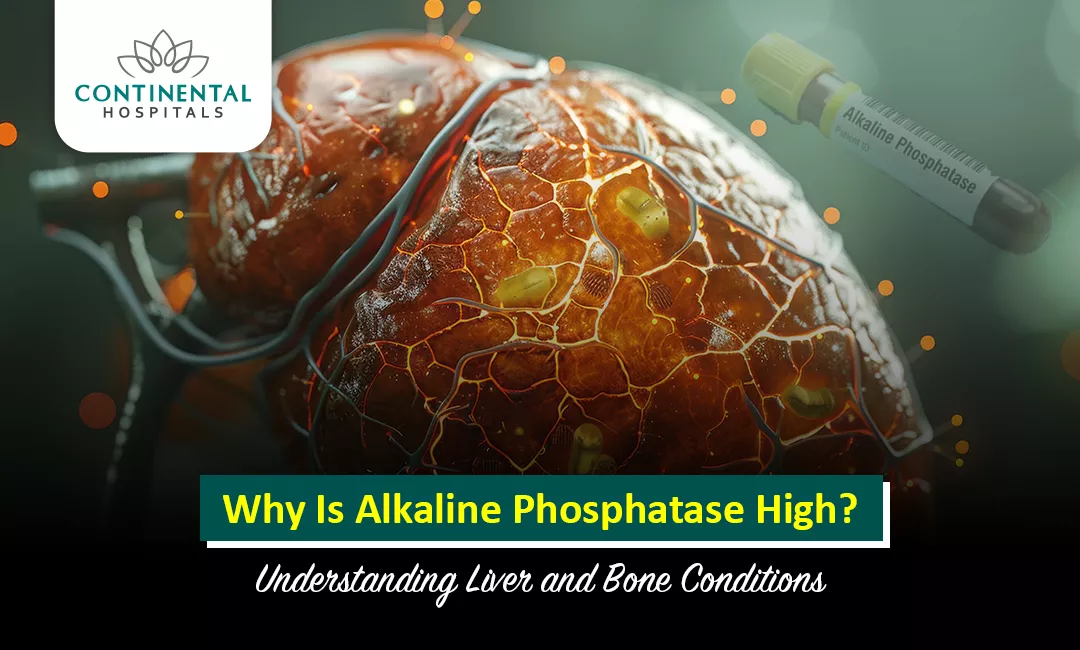
High ALP stands for high alkaline phosphatase in the bloodstream above its usual normal value. Alkaline phosphatase is an enzyme usually present in the liver, bones, kidneys, and intestines. This enzyme is responsible for performing certain physiological functions such as bone formation. Alkaline phosphatase can be checked in the blood through medical examination.
However, what should you know about the high level of ALP in your bloodstream? The increase in the amount of alkaline phosphatase in most cases may be due to liver diseases, bone disorders, or even some physiological factors. Sometimes, the rise of the alkaline phosphatase value does not cause any symptoms and is revealed in laboratory tests. The knowledge about the ALP cause can be very useful in the diagnosis process.
What Are the Common Causes of Elevated Alkaline Phosphatase Levels?
What could cause an increase in ALP levels in the blood? The primary causes are associated with the liver or bones. But there are other health issues that can cause this rise in ALP as well.
The common causes include:
- Liver problems: Liver diseases like hepatitis, fatty liver disease, or any kind of liver damage can lead to an increase in ALP.
- Bile duct blockage: Diseases such as gallstones can stop the flow of bile and thus increase alkaline phosphatase levels.
- Bone conditions: Any bone-related conditions like Paget's disease, bone infection, and certain kinds of bone tumors can increase ALP levels.
- Low Vitamin D Levels: Some people with low levels of vitamin D may experience an elevation in their alkaline phosphatase levels.
- Pregnancy: Increased ALP is normal in pregnancy since the placenta makes this enzyme.
- Bone formation: Children and adolescents may experience high ALP levels due to bone formation.
Visit the gastroenterology specialists in Hyderabad at Continental Hospitals, Hyderabad, for expert digestive and liver care.
How Is Elevated Alkaline Phosphatase Related to Liver Issues?
Are there liver diseases that may lead to elevated ALP levels? Yes, there are. The liver makes bile, which is necessary for fat digestion and waste removal from the body. In case of liver or bile duct damage, more ALP may be found in the bloodstream.
Liver diseases causing increased ALP levels include:
- Fatty liver disease: Fatty deposits in the liver may interfere with normal liver enzyme levels.
- Hepatitis: Inflammation of the liver due to infections or other reasons may affect ALP level.
- Bile duct obstruction: Obstruction in the gallstones and bile ducts may interfere with normal bile production.
- Primary biliary cholangitis: A liver autoimmune disease that affects small bile ducts in the liver.
- Liver damage: Medications, infections, liver diseases, and other factors may affect the levels of liver enzymes.
In case of elevated ALP, doctors can also recommend additional blood tests such as GGT, bilirubin, and other liver function tests.
Is There a Link Between Bone Disorders and Increased Alkaline Phosphatase?
Yes. ALP is one of the enzymes that play a significant part in bone development and maintenance. The levels of ALP may rise when bones develop, regenerate, and undergo various pathological changes.

The bone-related reasons for increased ALP levels include:
- Paget's disease: A disorder characterized by uncharacteristic bone regeneration and remodeling.
- Vitamin D deficiency: May influence bone mineralization and lead to increased ALP.
- Fractured bones: Healing bones may cause a temporary increase in ALP levels.
- Bone infections: Various types of inflammation and infections that occur in the bones.
- Bone disorders: Disorders associated with bone metabolism that cause increased ALP.
Identification of the cause of the increased ALP allows us to choose the appropriate diagnostic direction.
What are the symptoms of elevated alkaline phosphatase?
Do elevated levels of alkaline phosphatase cause any symptoms? In most cases, this substance does not produce symptoms on its own but can do so due to the underlying problem related to liver or bones.
Possible symptoms include:
- Yellowish coloration of the skin or eyes.
- Fatigue or general weakness.
- Pain in the abdomen region, especially in the upper right quadrant.
- Unexplained itching sensation.
- Dark-colored urine and pale stools.
- Bone pain and joint pain.
- Frequent bone injuries.
In case you have such symptoms together with an unusual blood test result, you need to see a doctor.
Diagnosis and Treatment of High Alkaline Phosphatase Levels
How will the physician diagnose the cause of your high ALP? The diagnosis process starts by evaluating your medical history, symptoms, and blood tests results.
The physician may suggest any of these diagnostic procedures based on your situation:
- Liver function tests: To evaluate your liver status and to look for potential liver conditions causing the elevation in your ALP levels.
- GGT: To determine whether your elevation of ALP is due to the liver.
- Vitamin D: To diagnose vitamin D deficiency.
- Ultrasound: To check your liver, gallbladder, and bile ducts.
- Bone investigations: When there is suspicion of bone disorders, other blood tests and scans can be ordered.
The treatment of high ALP is based on its cause and varies from liver disease treatment, vitamin supplements, bile duct disorder treatment, and bone disorder treatment.
Why Choose Continental Hospitals for Treatment of Liver and Digestive Problems?
What is the importance of a specialist opinion when you have increased levels of alkaline phosphatase? This is because elevated levels of ALP may indicate different liver and bone disorders, and determining the underlying disorder is very important for proper treatment.
Continental Hospitals, Hyderabad, provides complete services in terms of diagnosis and treatment of diseases facilitated by specialists, modern medical facilities, and multidisciplinary expertise. The hospital has national and international accreditations related to healthcare and safety, such as NABH and JCI.
Expertise of specialists in different branches of medicine, including gastroenterology, hepatology, and others, is the priority of the hospital. As one of the best multispeciality hospitals in Hyderabad, Continental Hospitals helps patients throughout the entire period of their healthcare experience.
Conclusion
Does having high alkaline phosphatase always mean there is something seriously wrong with your health? Not always. The rise in ALP can happen because of liver problems, bone issues, pregnancy, or growing bones. Nevertheless, this does not mean that high levels of the enzyme should be overlooked.
Keep in mind the following:
- ALP can be increased in case of liver- or bone-related problems.
- Other tests will help determine the origin of the enzyme.
- It depends on the actual problem; one may experience certain symptoms.
- The treatment involves addressing the issue.
- Visits to the doctor will help monitor your state.
If you feel constantly tired, experience pains in the abdomen, itching, or pains in the bones, or have high ALP, you should consult our best gastroenterologist in Hyderabad at Continental Hospitals, Hyderabad.