

post-title

Can Kidney Disease Develop Without Any Symptoms?

Written by - Editorial Team
Medically Reviewed by - Dr Sree Rama Chandra Sekhar Susarla

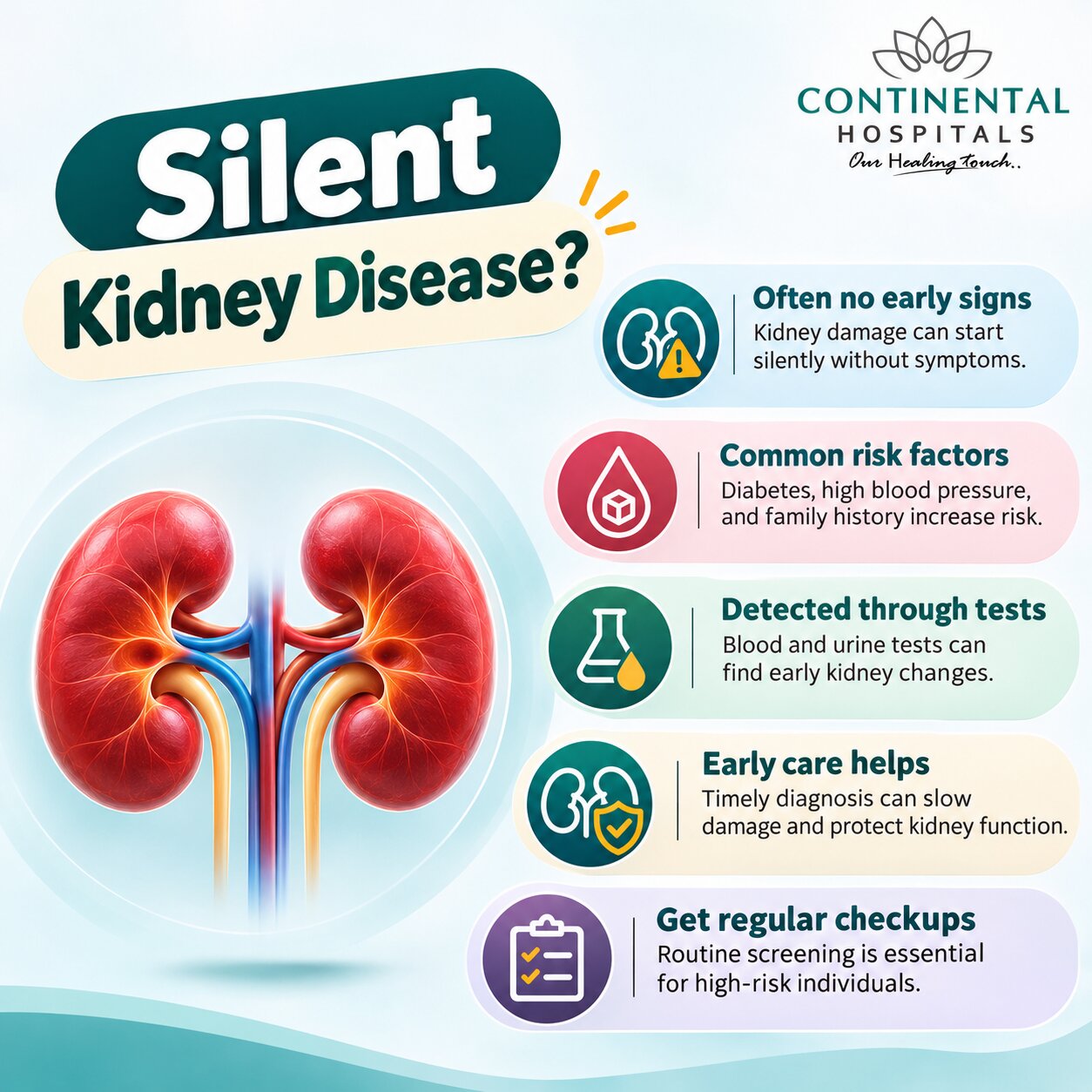
Yes, it is true that kidney disease can occur without any symptoms, particularly in its early stages. The kidney functions in the elimination of wastes from the body and in eliminating excess fluid. It also regulates the minerals in the body and helps maintain blood pressure. As the kidney fails to function properly, there could be no visible symptom at all in the body.

Why is early detection necessary? Chronic kidney disease can happen silently over time. There are those who find out about their condition when they undergo regular blood testing or checkups. Knowing about kidney disease, being able to recognize some of its symptoms and having regular kidney check-ups can help detect the problem.

How Is It Possible to Have Kidney Disease without Showing Any Symptoms?

How is it possible for someone to have a kidney disease without knowing about it for a long time? The kidneys have a huge reserve of work capacity, which means that they will continue doing their tasks in case the function of the kidneys gets worse to some extent.

In the beginning stages of kidney problems, the kidneys' good parts might compensate for the bad ones. As a consequence, a person might not even notice anything until it gets worse little by little.

Causes of kidney diseases:

  • Diabetes: A high level of blood sugar can affect the small blood vessels in the kidneys.
  • High blood pressure: It can damage the blood vessels in the kidneys due to constant pressure.
  • Genetics: Some kinds of kidney illnesses can be inherited.
  • Infections: Some kinds of infections can affect the kidneys.
  • Medications: Some kinds of painkillers might damage the kidneys if used too often.
  • Kidney stones: They can sometimes affect the kidneys if there are too many.

Early Symptoms of Kidney Disease

What are the effects when kidneys start malfunctioning? While kidney disease does not present symptoms initially, some patients exhibit signs as the problem continues to progress.

Look out for the following kidney disease symptoms:

  • Alteration in urination: Excessive or less urination can be experienced, especially during nighttime.
  • Swelling: The presence of excessive fluid may lead to swelling in certain parts of the body, such as eyes, feet, ankles, and hands.
  • Tiredness: Accumulation of waste products and anemia caused by kidney diseases might lead to tiredness.
  • Foamy urine: Continuous foaming of urine is indicative of protein loss in the urine.
  • Lack of appetite: Certain individuals have low appetite or nausea due to kidney problems.
  • Muscle cramps: Changes in mineral levels result in muscle cramps.
  • Difficulty concentrating: Accumulation of waste products affects concentration.

Such symptoms might not necessarily mean that one has kidney disease, but it should be medically investigated.
Second Opinion

Who Are More Likely to Suffer from Kidney Diseases?

Does everyone have an equal chance of developing kidney diseases? No, there are certain diseases and activities that make one more likely to get kidney problems.

You are likely to suffer from kidney disease if:

  • You have diabetes or hypertension.
  • Your family has had kidney problems in the past.
  • You are obese or do not lead an active lifestyle.
  • You are a chain smoker.
  • You have been suffering from repeated kidney stones.
  • You use painkillers without a doctor's prescription frequently.
  • You have heart disease or any other chronic diseases.

How Do You Diagnose Kidney Disease When There Are No Symptoms?

How can you know whether your kidneys are working properly without having any symptoms? Getting tested is one of the most common methods of finding kidney problems.

Doctors may prescribe the following tests:

1. Blood Creatinine Test: A test that checks the amount of creatinine in your bloodstream. The data from the test is used to estimate the glomerular filtration rate (eGFR). This shows whether your kidneys are capable of filtering waste products.

2. Urine Albumin Test: An indicator of the protein that is usually found in your urine when there are problems with your kidneys.

3. Urine Routine Test: The test checks for blood, protein, or other abnormalities in your urine.

Need an Appointment?

4. Blood Pressure Test: Increased blood pressure not only leads to kidney problems but can also make them worse.

5. Kidney Ultrasound: The doctor may order an ultrasound of your kidneys to check their condition and possible obstruction.

Testing is very important for people who have diabetes, high blood pressure, or who have a family history of kidney disease.

Can Kidney Diseases Be Prevented or Controlled?

Can one ensure the safety of his/her kidneys by following some practices in their daily life? While all the kidney diseases cannot be prevented, one can adopt some practices in order to avoid damaging his/her kidneys and keep them healthy.

These practices are:

  • Maintain blood glucose at low levels.
  • Control blood pressure levels.
  • Have an adequate amount of water according to your needs.
  • Have a balanced diet with controlled salt intake.
  • Exercise and maintain proper weight.
  • Abstain from smoking and limit drinking.
  • Do not take painkillers or any other drugs without proper medical consultation.
  • Visit doctors for regular check-ups if there are any risk factors.

Depending on the cause of the kidney diseases and their stage, the treatment of kidney diseases includes medicines, proper diet, management of blood pressure, control of diabetes, and other underlying conditions.

What Are the Benefits of Choosing Continental Hospitals for Kidney Diseases?

What makes selecting a hospital crucial for kidney well-being? Kidney diseases require proper evaluations, proper diagnoses, and constant monitoring to avoid any risks and complications.

At Continental Hospitals, Hyderabad, one receives proper care for kidney diseases due to professional nephrologists, diagnostic centers, and diverse medical team. The hospital also has national and international healthcare certificates, such as NABH and JCI.

Those who suffer from kidney problems, diabetes, high blood pressure, and other related issues can undergo proper evaluation and get adequate treatment according to their needs.

Conclusion

It is possible for kidney disease to occur without the person having any symptoms, especially in the initial stage of kidney diseases. Being healthy does not necessarily mean that the kidneys are working well. Screening, living a healthy lifestyle, and consulting a doctor can help in early detection of any issue with the kidney.

In case you experience excessive swelling, changes in the way you pass urine, frequent tiredness, and have diabetes or high blood pressure, then consult our best nephrologist in Hyderabad at Continental Hospitals, Hyderabad.

Related Blogs:

  1. How Obesity Increases the Risk of Kidney Disease
  2. Does Eating Too Much Protein Damage Your Kidneys? What Science Says

Frequently Asked Questions

Early kidney problems may not cause noticeable symptoms. Many people remain unaware of kidney disease until it progresses. Changes in urination can sometimes be an early warning sign. You may notice frequent urination, especially at night. Foamy urine can indicate protein leakage into the urine. Swelling around the eyes, ankles or feet may also occur. Some people experience unusual tiredness and weakness. High blood pressure can be another sign of reduced kidney function. Loss of appetite and nausea may develop as kidney disease progresses. Changes in urine colour should also be evaluated. These symptoms can have causes other than kidney disease. Blood tests measuring creatinine and eGFR help assess kidney function. A urine test can detect protein or blood in the urine. Consult a nephrologist if you notice persistent symptoms or have kidney disease risk factors.
Kidney disease symptoms in females can vary depending on the stage and underlying cause. Some women may not experience symptoms during the early stages. Frequent urination, particularly at night, can be a warning sign. Burning or discomfort during urination may indicate a urinary tract infection. Repeated urinary infections can sometimes affect kidney health. Swelling around the eyes, hands and feet may occur due to fluid retention. Persistent fatigue can develop because of anaemia associated with kidney disease. Some women experience nausea, reduced appetite or difficulty concentrating. Foamy urine may indicate excess protein in the urine. High blood pressure can also accompany kidney problems. Menstrual changes may occur in some women with advanced kidney disease. Pregnancy-related conditions such as preeclampsia can also affect kidney health. Blood and urine tests help identify kidney problems. Women experiencing persistent symptoms should consult a nephrologist for evaluation.
End-stage kidney failure occurs when the kidneys lose most of their ability to filter waste and excess fluid. Severe tiredness and weakness may develop. Swelling in the legs, ankles and face can occur due to fluid retention. Some patients experience breathlessness because of excess fluid in the lungs. Nausea, vomiting and loss of appetite are common symptoms. Urine output may decrease significantly, although some patients continue to pass urine. Confusion, difficulty concentrating and unusual sleepiness can occur due to toxin accumulation. Persistent itching and muscle cramps may also develop. Changes in heart rhythm can occur because of electrolyte imbalances. Severe cases may involve seizures or loss of consciousness. These symptoms do not always mean that death is imminent. Some complications can be treated with dialysis or other medical interventions. Sudden breathlessness, chest pain, severe confusion or seizures require emergency medical attention. Immediate evaluation by a nephrologist is essential.
Kidney damage can develop due to several medical conditions and lifestyle factors. Diabetes is one of the leading causes of chronic kidney disease. Uncontrolled high blood pressure can gradually damage kidney blood vessels. Repeated kidney infections may affect normal kidney function. Kidney stones can sometimes cause obstruction and damage if left untreated. Certain autoimmune conditions can affect the kidney's filtering units. Long-term or excessive use of certain painkillers can also harm the kidneys. Severe dehydration may temporarily reduce blood flow to the kidneys. Some inherited conditions, such as polycystic kidney disease, can affect kidney function. Smoking and obesity can increase the risk of kidney disease. High cholesterol may contribute to blood vessel damage. Urinary tract blockages can interfere with normal urine flow. Regular health check-ups help identify risk factors early. Managing existing medical conditions can help protect long-term kidney health.
Kidney disease often develops silently, but certain changes may indicate a problem. One early warning sign is a change in urination, such as foamy urine or frequent nighttime urination. Foamy urine may indicate protein leakage through damaged kidney filters. A second possible sign is swelling around the eyes, ankles or feet. This can happen when the kidneys struggle to remove excess fluid. A third warning sign is persistent tiredness or unusual weakness. Reduced kidney function can contribute to anaemia and toxin accumulation. Some people may also experience high blood pressure. However, these symptoms are not specific to kidney disease. Many individuals with early kidney disease have no noticeable symptoms. Blood tests can measure creatinine and estimate kidney filtration through eGFR. Urine albumin testing can identify early kidney damage. People with diabetes or hypertension should undergo regular kidney screening. Early diagnosis and treatment can help slow disease progression.
Whether kidney disease can be cured depends on its type and stage. Acute kidney injury may improve or resolve when the underlying cause is treated promptly. Treating dehydration, infections or urinary blockages can help restore kidney function in some patients. Chronic kidney disease is generally not completely reversible. However, appropriate treatment can slow its progression. Controlling diabetes and high blood pressure is essential for protecting kidney health. Doctors may prescribe medicines to manage blood pressure and reduce protein leakage in urine. Dietary changes can also support kidney function. Avoiding unnecessary painkillers and other kidney-harming substances is important. Regular blood and urine tests help monitor disease progression. Advanced kidney disease may require dialysis or kidney transplantation. A transplant can provide kidney function through a donor organ but requires lifelong medical care. Early diagnosis improves the chances of managing kidney disease effectively. Consult a nephrologist to understand the most suitable treatment for your condition.
Stage 5 kidney disease is the most advanced stage of chronic kidney disease. At this stage, kidney function is severely reduced. Patients may experience extreme tiredness and persistent weakness. Swelling in the feet, legs and face can occur due to fluid buildup. Breathlessness may develop when excess fluid affects the lungs. Nausea, vomiting and loss of appetite are common. Some patients experience severe itching and muscle cramps. Reduced urine output may also occur. Waste accumulation in the blood can cause confusion and difficulty concentrating. Electrolyte imbalances may lead to dangerous heart rhythm problems. Anaemia and bone health problems can also develop. Some patients require dialysis or kidney transplantation to manage kidney failure. Treatment decisions depend on symptoms, test results and overall health. Regular care from a nephrologist is essential to manage complications and treatment needs.
Kidney failure symptoms in elderly women may be difficult to recognise because they can resemble normal ageing or other health conditions. Persistent tiredness and weakness are common warning signs. Swelling in the ankles, feet and face may indicate fluid retention. Changes in urination, including frequent nighttime urination, may occur. Some women experience reduced appetite, nausea and unexplained weight changes. Dry or itchy skin can develop as kidney function declines. Anaemia may contribute to breathlessness and low energy. High blood pressure can worsen existing kidney damage. Older women may also experience confusion, poor concentration or unusual sleepiness. Diabetes, hypertension and long-term medication use can increase kidney disease risk. Dehydration and urinary infections may also contribute to kidney problems. Blood tests and urine tests help assess kidney function. Medication reviews are particularly important in elderly patients. Early consultation with a nephrologist can help manage kidney disease and prevent complications.
Disclaimer: The information provided in this blog is intended for general knowledge and informational purposes only, and does not constitute medical advice. Always consult with a qualified healthcare professional for any medical concerns or before making any decisions about your health.

Get in Touch With Us

Whether you are from India or abroad, we are here to help you with your medical queries. Please fill out the form below and our team will connect with you shortly.

  • ✔ Quick response from our medical experts
  • ✔ Secure data handling & privacy
  • ✔ Easy upload for reports & documents
banner_image

Chat with our medical experts on WhatsApp for quick assistance and hassle-free appointment booking

Recent Posts