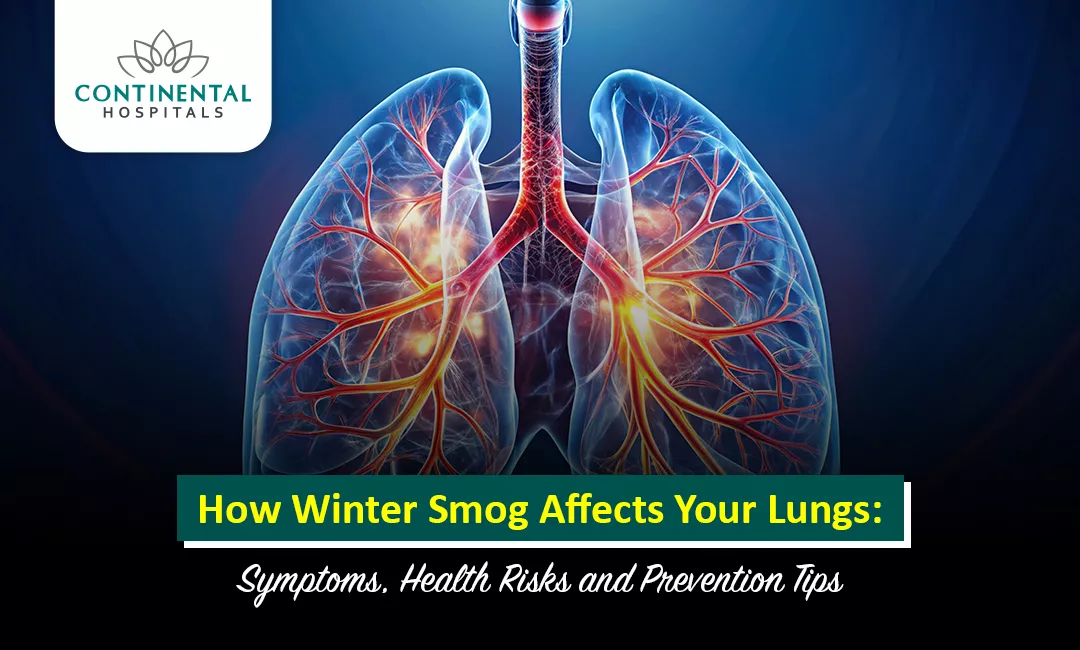
Winter smog is a mixture of air pollutants, smoke, dust, and tiny particles that collect in the air during colder months. It often becomes worse when vehicle emissions, industrial smoke, construction dust, and other pollutants combine with weather conditions that prevent polluted air from spreading. This can reduce air quality and make breathing uncomfortable, especially in busy cities.
How does winter smog affect your lungs? When you breathe polluted air, tiny particles can travel deep into your respiratory system and irritate the airways. This may cause coughing, throat irritation, breathing difficulties, and worsening of existing lung conditions. Understanding winter smog and lung health is important because repeated exposure can affect people of all ages, particularly children, older adults, and those with asthma or other respiratory illnesses.
What Are the Common Symptoms of Winter Smog Exposure?
What are the signs that winter air pollution is affecting your breathing? Symptoms can range from mild irritation to serious respiratory problems, depending on pollution levels, exposure duration, and your health.
Common winter air pollution symptoms include:
- Persistent coughing: Polluted air can irritate the airways and cause repeated coughing.
- Shortness of breath: You may feel breathless while walking, climbing stairs, or doing physical activity.
- Throat irritation: Smoke and airborne particles can cause a scratchy or sore throat.
- Wheezing: Narrowed or irritated airways may produce a whistling sound during breathing.
- Chest tightness: Some people experience pressure or discomfort in the chest.
- Eye and nose irritation: Pollutants may cause watery eyes, sneezing, or a runny nose.
- Increased mucus production: The respiratory system may produce more mucus in response to irritation.
If these symptoms persist, worsen, or interfere with daily activities, consult a healthcare professional.
Visit our Pulmonology Department for a comprehensive respiratory evaluation, accurate diagnosis, and personalized treatment to help you breathe easier and maintain healthy lungs throughout the winter season.
What Are the Health Risks of Winter Smog?
Can winter smog cause serious health problems? Yes. Exposure to polluted air can affect both short-term breathing and long-term health. Fine particulate matter, particularly PM2.5, can enter deep into the lungs and contribute to inflammation.
Important winter smog health risks include:
- Asthma flare-ups: Smog can trigger coughing, wheezing, and breathing difficulties in people with asthma.
- Bronchitis and airway irritation: Pollutants may inflame the airways and increase coughing.
- Reduced lung function: Repeated exposure to air pollution can affect how well the lungs work.
- Respiratory infections: Air pollution can weaken normal respiratory defenses and may increase susceptibility to respiratory illness.
- Heart and lung complications: Long-term exposure to air pollution is associated with an increased risk of cardiovascular and respiratory diseases.
Children, older adults, pregnant women, and people with existing heart or lung conditions should take extra precautions during periods of poor air quality.

Why Does Winter Smog Become Worse During Cold Weather?
Why does winter smog often remain in the air for longer? Several weather conditions can trap pollutants close to the ground.
The main reasons include:
- Temperature inversion: A layer of warmer air above cooler surface air can prevent pollutants from rising and dispersing.
- Low wind speed: Still air allows pollutants to accumulate.
- Increased emissions: Vehicle exhaust, industrial activities, and heating fuels add pollutants to the atmosphere.
- Limited sunlight: Certain winter conditions can slow the breakdown or dispersal of some pollutants.
These factors can combine to increase pollution levels and worsen the effects of smog on breathing.
How Can You Protect Your Lungs From Winter Smog?
Can you reduce your exposure to winter air pollution? Although you cannot control outdoor air quality on your own, practical steps can help protect your respiratory health.
Follow these prevention tips:
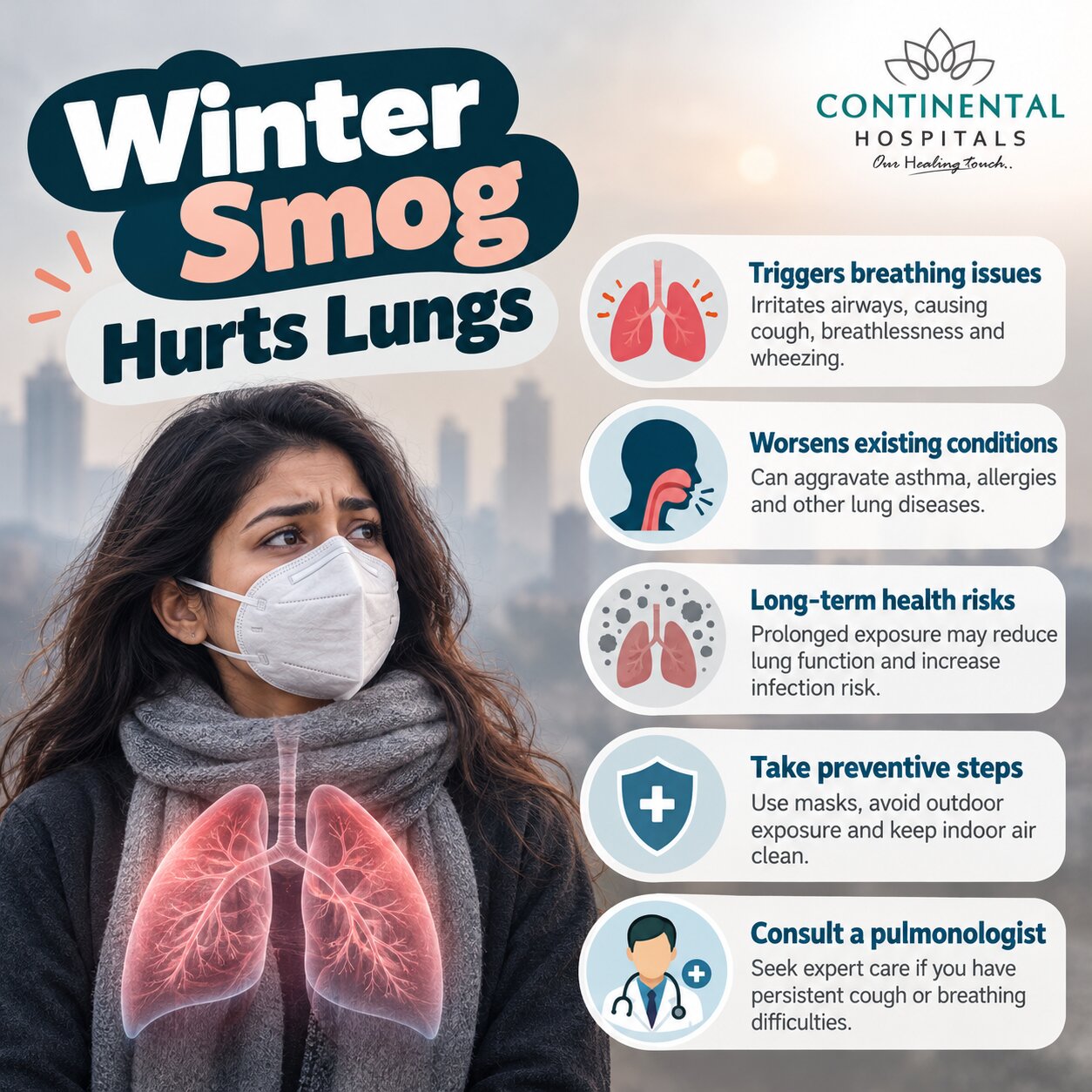
- Check air quality updates: Check the Air Quality Index (AQI) before exercising or spending extended periods outdoors.
- Limit outdoor activity: Reduce strenuous exercise outside when pollution levels are high.
- Use a well-fitting mask: A properly fitted N95 or equivalent particulate respirator can help reduce exposure to fine particles outdoors.
- Keep indoor air clean: Close windows during severe pollution episodes when outdoor air is worse, and ventilate when conditions improve.
- Avoid indoor smoke: Do not smoke indoors, and reduce smoke from candles, incense, and other combustion sources.
- Maintain prescribed treatment: If you have asthma or another lung condition, follow your doctor's treatment plan and keep prescribed rescue medication accessible.
- Support healthier air: Avoid unnecessary vehicle use and reduce activities that produce smoke or dust whenever possible.
When Should You See a Doctor for Smog-Related Respiratory Problems?
When should winter smog symptoms be medically evaluated? Consult a doctor if you develop a persistent cough, recurring wheezing, unusual breathlessness, or worsening asthma symptoms.
Seek urgent medical attention if you experience severe difficulty breathing, significant chest pain, bluish lips, confusion, or fainting. Do not assume that serious symptoms are caused only by pollution.
A doctor may assess your symptoms, examine your lungs, and recommend tests such as lung function testing when appropriate. Early evaluation can help identify respiratory problems and guide suitable treatment.
Why Choose Continental Hospitals for Respiratory Care?
Why is specialist care important when winter smog affects your lungs? Persistent respiratory symptoms may require a detailed assessment to identify airway inflammation, asthma, or other lung conditions.
Continental Hospitals, Hyderabad, offers comprehensive healthcare supported by experienced medical specialists, modern diagnostic facilities, and multidisciplinary expertise. The hospital holds national and international healthcare accreditations, including National Accreditation Board for Hospitals and Healthcare Providers (NABH) and Joint Commission International (JCI), reflecting its commitment to healthcare quality and patient safety.
Patients experiencing smog-related respiratory problems can consult the appropriate specialist for evaluation, diagnosis, and an individualized treatment plan.
Conclusion
Winter smog can irritate the respiratory system, worsen existing lung conditions, and increase health risks when exposure continues. Recognizing winter air pollution symptoms, checking air quality, limiting outdoor exposure during severe pollution, and following medical advice can help protect your lungs.
If you suffer from persistent coughing, wheezing, chest tightness, or breathing difficulties during winter, consult our best pulmonologist in Hyderabad at Continental Hospitals, Hyderabad. Timely medical evaluation can help identify the cause of your symptoms and ensure appropriate respiratory care.
Related Blogs: