.webp)
.webp)
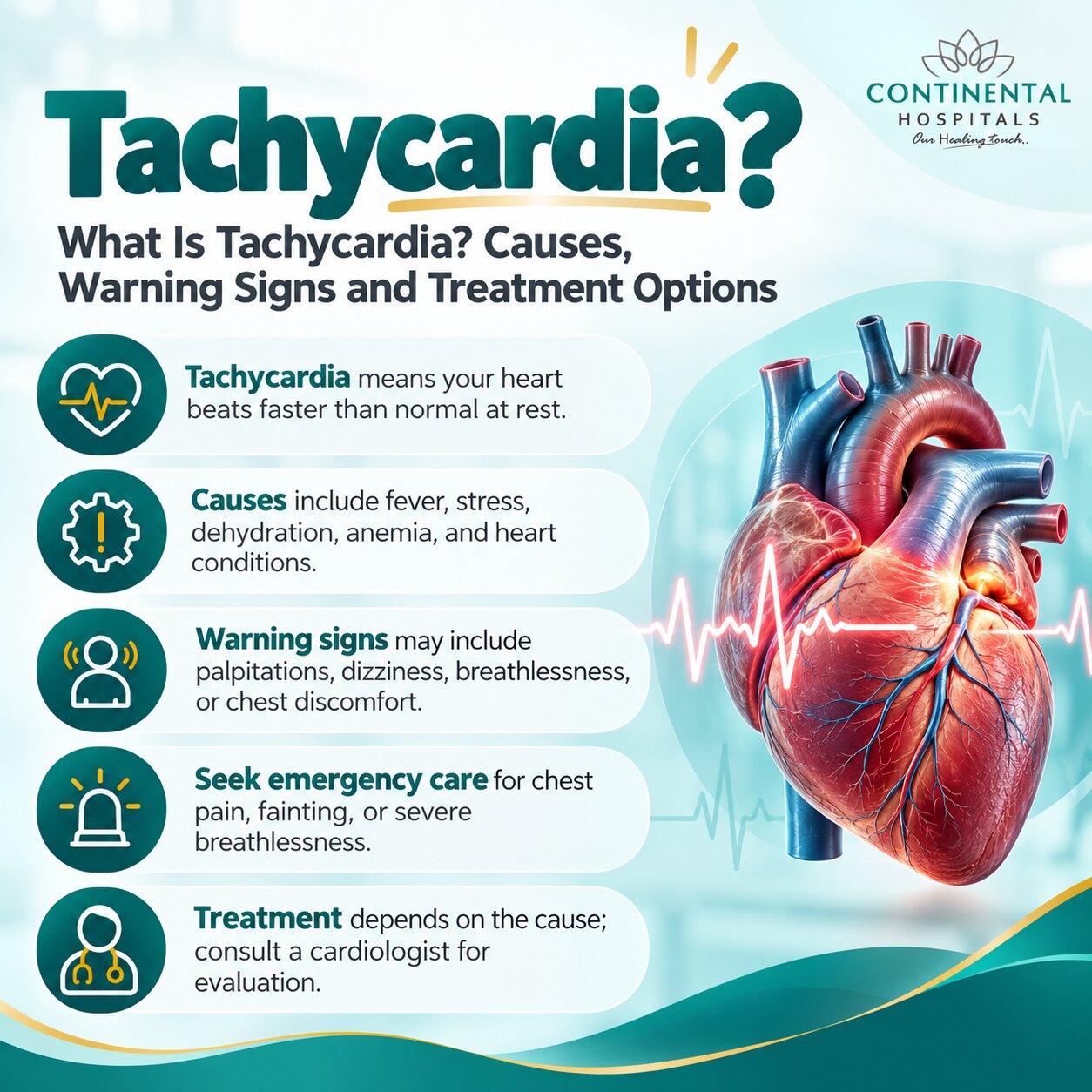
Tachycardia is a condition in which the heart beats faster than normal. In adults, a resting heart rate of more than 100 beats per minute is generally considered tachycardia. The heart rate can increase naturally during exercise, stress, or excitement. However, a fast heart rate that occurs at rest or without an obvious reason may need medical attention.
Understanding what tachycardia is, its causes, and its warning signs can help you recognize when to seek medical care. Some people may experience a rapid heartbeat, dizziness, or shortness of breath, while others may not notice any symptoms. Although tachycardia is not always dangerous, certain types can affect the heart's ability to pump blood effectively and may require prompt treatment.
What Are the Common Symptoms of Tachycardia?
What does tachycardia feel like? The symptoms can vary depending on how fast the heart beats, how long the episode lasts, and the type of tachycardia.
Common tachycardia symptoms include:
- Rapid heartbeat: Your heart may feel like it is racing or beating unusually fast.
- Palpitations: You may feel your heart pounding, fluttering, or skipping beats.
- Dizziness: A fast heart rate may reduce blood flow to the brain.
- Shortness of breath: You may find it difficult to breathe comfortably.
- Chest discomfort: Some people experience tightness, pressure, or pain in the chest.
- Fatigue and weakness: Reduced pumping efficiency may cause tiredness.
- Fainting: In some cases, an abnormal heart rhythm can cause loss of consciousness.
Seek emergency medical care if a rapid heartbeat occurs with chest pain, severe breathing difficulty, fainting, or significant dizziness.
Visit the Best Heart Specialist Hospital in Hyderabad at Continental Hospitals, Hyderabad, for expert heart care and advanced cardiac services.
What Causes Tachycardia?
Why does the heart beat faster than normal? Tachycardia causes can include everyday triggers, underlying medical conditions, or problems with the heart's electrical signals.
Common causes include:
- Physical activity or strenuous exercise.
- Stress, anxiety, or emotional distress.
- Fever or dehydration.
- Anemia or an overactive thyroid.
- Excessive caffeine or nicotine.
- Certain medicines and stimulants.
- Heart disease or previous heart damage.
- Abnormal electrical signals in the heart.
A fast heart rate may also occur when the body responds to illness, blood loss, or low oxygen levels. Identifying the underlying cause is important because treatment depends on what is triggering the rapid heartbeat.

What Are the Different Types of Tachycardia?
Are all types of tachycardia the same? No. Tachycardia can develop in different parts of the heart, and each type may require a different approach to treatment.
The main types include:
- Sinus tachycardia: The heart beats faster than normal, often because of exercise, fever, stress, or dehydration.
- Supraventricular tachycardia (SVT): A rapid heart rhythm that begins in the upper chambers or related electrical pathways of the heart.
- Atrial fibrillation: An irregular and often rapid heart rhythm that begins in the upper chambers.
- Ventricular tachycardia: A fast rhythm originating in the lower chambers of the heart. It can be life-threatening and requires urgent medical assessment.
How Is Tachycardia Diagnosed?
How do doctors identify tachycardia? Diagnosis begins with a review of your symptoms, medical history, medicines, and heart rate. Your doctor may also check your blood pressure and perform a physical examination.
Depending on your symptoms, investigations may include:
- Electrocardiogram (ECG): Records the heart's electrical activity and helps identify abnormal rhythms.
- Holter monitoring: Records the heart rhythm over an extended period.
- Blood tests: Help identify conditions such as anemia or thyroid problems.
- Echocardiogram: Uses ultrasound to assess the heart's structure and pumping function.
- Additional heart monitoring: May be recommended if episodes occur occasionally and are difficult to capture during a routine ECG.
These tests help determine the type of tachycardia and guide the treatment plan.
What Are the Treatment Options for Tachycardia?
Can tachycardia be treated? Yes. Tachycardia treatment depends on the type of rhythm, its cause, the severity of symptoms, and the person's overall health.
Treatment options may include:
- Treating the underlying cause: Managing fever, dehydration, anemia, or thyroid problems may help control the heart rate.
- Medicines: Doctors may prescribe medicines to control heart rate or rhythm.
- Cardioversion: A controlled electrical shock may be used to restore a normal rhythm in selected cases.
- Catheter ablation: A procedure that targets the heart tissue responsible for certain abnormal electrical signals.
- Implantable devices: Selected patients may need a pacemaker or an implantable cardioverter-defibrillator, depending on the rhythm problem.
Do not take heart medicines or attempt to manage a persistent rapid heartbeat without medical advice.
Why Choose Continental Hospitals for Heart Care?
Why is specialist care important for tachycardia? A rapid heartbeat can have several causes, so accurate diagnosis is essential for choosing the right treatment. At Continental Hospitals, Hyderabad, patients have access to experienced cardiac specialists, modern diagnostic facilities, and multidisciplinary medical expertise.
The hospital holds national and international healthcare accreditations, including National Accreditation Board for Hospitals and Healthcare Providers (NABH) and Joint Commission International (JCI). These accreditations reflect its commitment to established healthcare quality standards and patient safety.
As a leading hospital in Hyderabad, Continental Hospitals focuses on appropriate diagnosis, individualized treatment, and coordinated cardiac care based on each patient's needs.
Conclusion
Tachycardia can occur for several reasons, ranging from exercise and stress to underlying heart rhythm disorders. While some episodes are temporary, a rapid heartbeat that occurs at rest, keeps returning, or causes discomfort should not be ignored. Recognizing tachycardia warning signs and receiving timely medical evaluation can help identify the cause and reduce the risk of complications.
If you suffer from a persistent rapid heartbeat, palpitations, dizziness, or unexplained shortness of breath, consult our best cardiologist in Hyderabad at Continental Hospitals, Hyderabad, for appropriate evaluation and personalized treatment. If you experience a rapid heartbeat with chest pain, severe breathlessness, or fainting, seek emergency medical care immediately.
Related Blogs: