.webp)
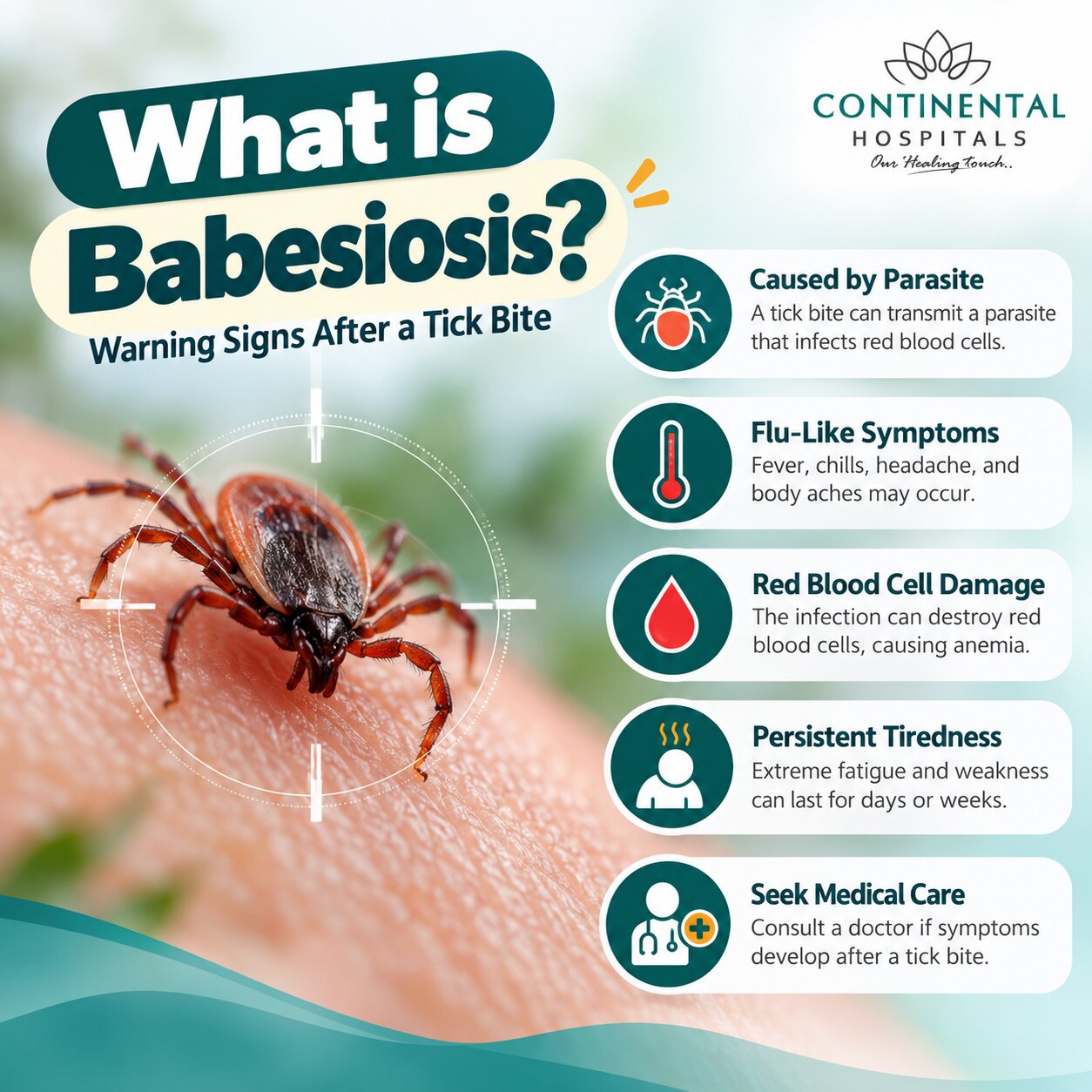
Babesiosis is an infection caused by tiny parasites that enter the body and infect red blood cells. It is usually spread through the bite of an infected tick. These parasites can damage red blood cells and cause symptoms ranging from mild fever to serious illness. Understanding babesiosis, its warning signs, and available treatments can help people recognize the infection and seek medical care early.
Babesiosis is a tick-borne disease that may cause fever, chills, sweating, body aches, and unusual tiredness. Some people may have no symptoms, while others can develop severe complications, especially those with a weakened immune system or no spleen. If you develop a fever after a tick bite, it is important to consult a doctor rather than ignore the symptoms.
What Causes Babesiosis?
What are the main babesiosis causes? The infection is caused by parasites belonging to the Babesia group. These parasites enter the bloodstream through the bite of an infected tick and infect red blood cells.
Babesiosis can spread through the following routes:
- Infected tick bites: This is the most common route of transmission.
- Contaminated blood transfusions: Infected blood can sometimes transmit the parasite.
- Mother to baby: Transmission during pregnancy or childbirth is possible but uncommon.
Babesiosis is more commonly reported in certain parts of North America and some other regions. The risk depends on the local presence of infected ticks. Not every tick bite leads to infection, but symptoms following a bite should be assessed carefully.
What Are the Common Babesiosis Symptoms?
What are the warning signs of babesiosis after a tick bite? Symptoms may develop within weeks after exposure, although the timing can vary. Some people remain symptom-free, making awareness particularly important.
Common babesiosis symptoms include:
- Fever: A raised body temperature may be one of the first signs.
- Chills and sweating: These may occur along with fever.
- Fatigue: Unusual tiredness or weakness may develop as red blood cells are affected.
- Body aches: Muscle pain and general discomfort can occur.
- Headache: Some people experience persistent headaches.
- Loss of appetite: Feeling unwell may reduce the desire to eat.
- Dark urine: This can occur when red blood cells break down.
- Pale or yellowish skin: Anemia or increased breakdown of red blood cells may cause these changes.
Symptoms can resemble those of malaria, flu, and other infections. Medical evaluation and appropriate testing are therefore important.

When Can Babesiosis Become Serious?
Can babesiosis cause complications? Yes. Although some infections are mild, severe cases can affect the blood and other organs.
Possible complications include:
- Haemolytic anaemia is caused by the destruction of red blood cells.
- Low platelet counts.
- Kidney or liver problems.
- Breathing difficulties.
- Severe complications in people with weakened immune systems or no spleen.
Seek urgent medical attention if you experience difficulty breathing, confusion, fainting, severe weakness, or yellowing of the skin after a possible tick exposure.
How Is Babesiosis Diagnosed?
How do doctors confirm a babesiosis infection? Diagnosis usually involves reviewing symptoms, possible tick exposure, travel history, and blood test results.
Doctors may recommend:
- Blood smear examination: A laboratory specialist examines a blood sample for parasites inside red blood cells.
- PCR testing: This test detects genetic material from the parasite and may help confirm the infection.
- Complete blood count: This helps identify anemia and changes in platelet levels.
- Additional blood tests: These may assess liver and kidney function and signs of red blood cell breakdown.
Early diagnosis can help doctors select the right treatment and monitor possible complications.
What Is the Treatment for Babesiosis?
What treatment is available for babesiosis? Treatment depends on the severity of the infection, the patient's overall health, and the type of parasite involved.
Doctors may prescribe a combination of antiparasitic medicines, commonly atovaquone with azithromycin, for appropriate cases. Other medicines may be considered in selected situations. Severe infections may require hospital admission, close monitoring, and supportive treatment. Exchange transfusion may be considered for certain critically ill patients.
Do not take medicines without medical advice. The correct treatment should be selected by a qualified doctor after evaluating the diagnosis and severity.
How Can You Prevent Babesiosis After a Tick Bite?
Can babesiosis be prevented? Reducing exposure to ticks can lower the risk of infection.
Follow these preventive steps:
Wear long sleeves, long trousers, and closed footwear in grassy or wooded areas.
- Use an appropriate tick repellent according to its label.
- Check your skin, scalp, clothing, and pets for ticks after outdoor activities.
- Remove attached ticks promptly with fine-tipped tweezers, grasping close to the skin and pulling steadily upward.
- Clean the bite area and your hands after removing the tick.
- Watch for fever, chills, unusual tiredness, or other symptoms after a bite.
If symptoms develop, inform your doctor about the tick exposure, even if the tick has already been removed.
Why Choose Continental Hospitals for Infectious Disease Care?
Why is specialist care important when you develop a fever after a tick bite? Because Babesiosis symptoms can resemble other infections, an appropriate clinical assessment and laboratory investigations are essential.
Continental Hospitals, Hyderabad, offers comprehensive medical care supported by experienced specialists, modern diagnostic facilities, and multidisciplinary expertise. The hospital holds national and international healthcare accreditations, including NABH and Joint Commission International (JCI), reflecting its commitment to healthcare quality, patient safety, and established clinical standards.
Patients with suspected tick-borne infections can receive appropriate medical evaluation and an individualized care plan based on their symptoms and clinical findings.
Conclusion
Babesiosis is a parasitic infection that affects red blood cells and may cause fever, chills, fatigue, and other symptoms. Although some cases are mild, severe infection can lead to serious complications. Recognizing Babesiosis warning signs and seeking timely medical attention are important steps towards appropriate care.
If you suffer from persistent fever, unexplained tiredness, chills, or other symptoms after a tick bite, consult our best infectious disease specialist in Hyderabad at Continental Hospitals, Hyderabad. Early evaluation can help identify the cause of your symptoms and guide appropriate treatment.