post-title

UTI or Interstitial Cystitis? How to Tell the Difference

Written by - Editorial Team
Medically Reviewed by - Dr Vineet Sakhireddy

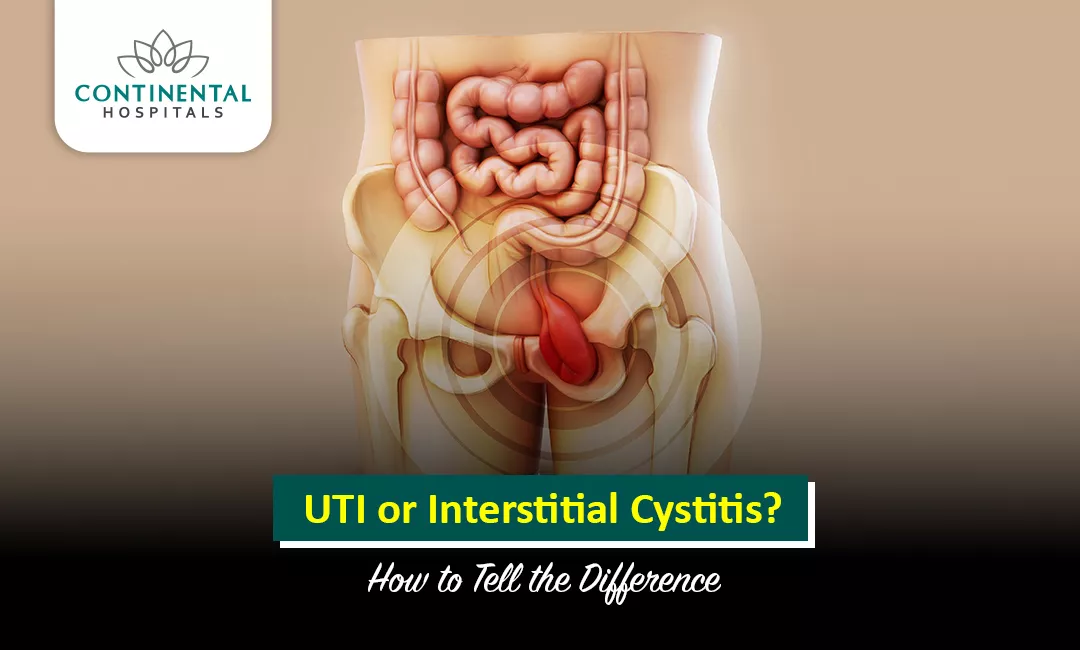
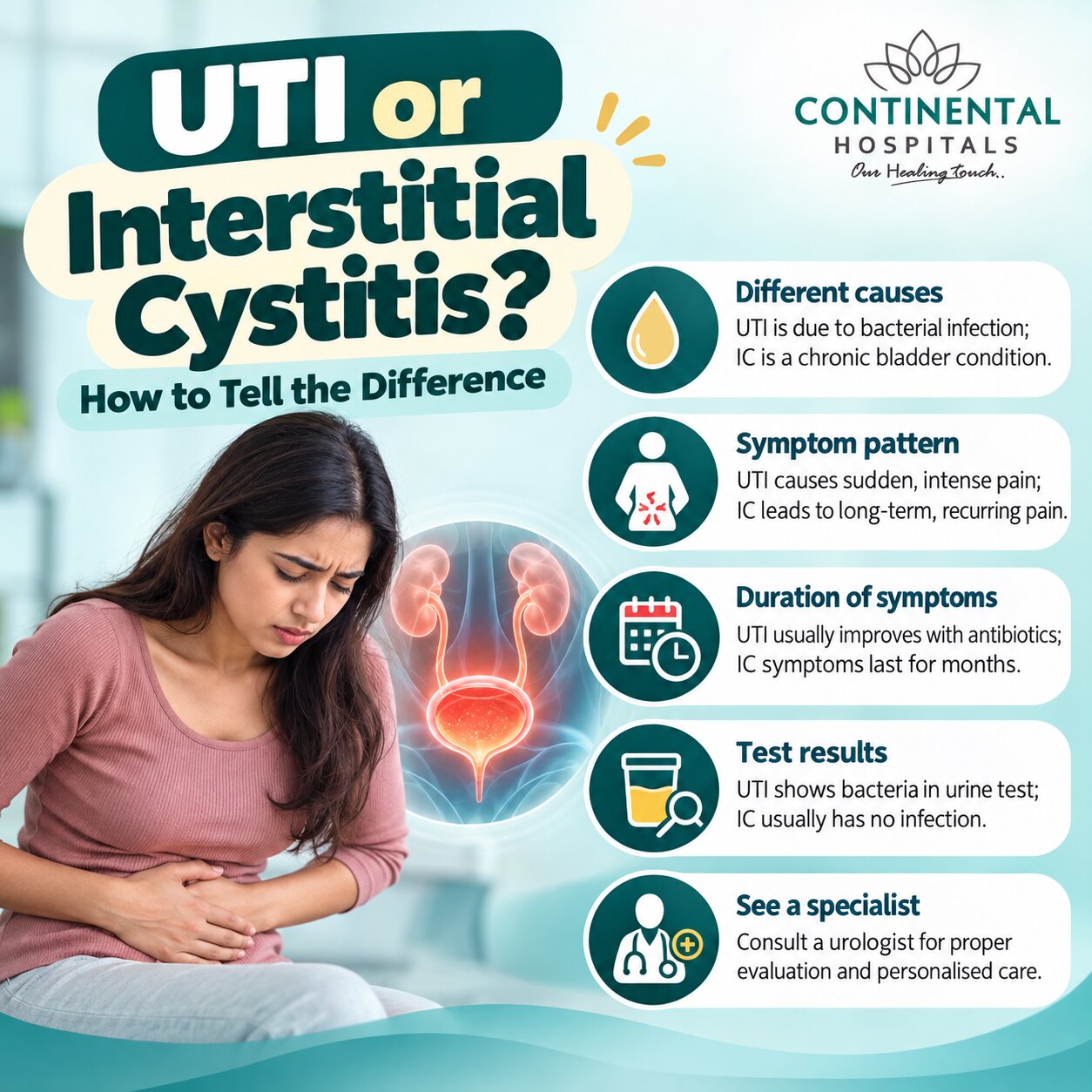
UTI, or interstitial cystitis, is a common concern for people experiencing frequent urination, bladder discomfort, or pain while urinating. A urinary tract infection (UTI) is usually caused by bacteria entering the urinary system, while interstitial cystitis (IC), also called bladder pain syndrome, is a long-term condition that causes bladder pressure, pain, and urinary urgency without an identifiable infection in many cases. Although both conditions can cause similar symptoms, they require different approaches to diagnosis and treatment.

Understanding interstitial cystitis vs. UTI can help you recognize when to seek medical advice. A UTI often develops suddenly and may improve with appropriate antibiotic treatment, whereas interstitial cystitis symptoms can continue for weeks or months and may come and go. Since the symptoms overlap, urine testing and medical evaluation are important to identify the cause and choose the right treatment.

What Are the Common Symptoms of a UTI?

A urinary tract infection occurs when bacteria enter the urinary system and multiply. It commonly affects the bladder and can cause discomfort during urination.

Common UTI symptoms include:

  • Burning during urination: You may feel a burning or stinging sensation when passing urine.
  • Frequent urination: You may need to urinate more often than usual.
  • Sudden urgency: You may feel an immediate need to use the bathroom.
  • Cloudy or strong-smelling urine: Urine may look cloudy or develop an unusual smell.
  • Lower abdominal discomfort: Pain or pressure may occur around the bladder.
  • Blood in the urine: Some infections can cause blood to appear in the urine.

Fever, chills, back or side pain, and vomiting may indicate a kidney infection and require urgent medical assessment.

Visit the Urology Department at Continental Hospitals, Hyderabad, for expert urological care and advanced diagnostic services.

What Are the Symptoms of Interstitial Cystitis?

Interstitial cystitis is a chronic bladder condition that can cause persistent discomfort without a typical bacterial infection. The exact interstitial cystitis causes are not fully understood, and symptoms can differ from person to person.

Common interstitial cystitis symptoms include:

  • Chronic bladder pain: Pain or pressure may occur in the lower abdomen or pelvic area.
  • Frequent urination: You may need to urinate many times during the day.
  • Nighttime urination: Symptoms may interrupt sleep and require repeated bathroom visits.
  • Pain as the bladder fills: Discomfort may increase as the bladder becomes full.
  • Temporary relief after urination: Emptying the bladder may reduce pain for a short time.
  • Symptoms that come and go: Some days may be more uncomfortable than others.

Unlike a typical UTI, interstitial cystitis may continue despite antibiotic treatment because it is not usually caused by a bacterial infection.

Second Opinion

How Can You Tell the Difference Between UTI and Interstitial Cystitis?

How can you understand whether your symptoms are caused by a UTI or interstitial cystitis? The timing of symptoms, urine test results, and medical history can provide useful clues.

Feature  UTI Interstitial Cystitis
Main cause  Usually bacterial infection Not fully understood
Onset  Often sudden May develop gradually or persist
Burning during urination Common May occur
Bladder pain May occur Often a major symptom
Urine test May show infection Usually does not show a typical bacterial infection
Antibiotics Used for bacterial infections Do not usually help unless an infection is also present
Symptom pattern Often improves with appropriate treatment May continue or recur over time

How Are UTI and Interstitial Cystitis Diagnosed?

Can a urine test identify the difference between these conditions? Urine testing is an important first step, but further assessment may be needed.

Your doctor may recommend:

  • Urine analysis: Checks for signs of inflammation, blood, or infection.
  • Urine culture: Helps identify bacteria and guide antibiotic selection when an infection is suspected.
  • Medical history: Reviews the duration, frequency, and pattern of symptoms.
  • Physical examination: Helps assess possible causes of pelvic or bladder pain.
  • Additional investigations: Ultrasound, cystoscopy, or other tests may be considered when clinically appropriate.

Interstitial cystitis is generally diagnosed by assessing symptoms and excluding other possible causes. There is no single test that confirms every case.

What Are the Treatment Options for UTI and Interstitial Cystitis?

Do UTIs vs. ICs require the same treatment? No. Treatment depends on the underlying cause.

UTI treatment may include prescribed antibiotics for a confirmed or strongly suspected bacterial infection, along with adequate fluid intake when appropriate. Completing the prescribed treatment is important.

Need an Appointment?

Interstitial cystitis treatment focuses on controlling pain and reducing urinary symptoms. Options may include:

  • Identifying personal food and drink triggers.
  • Bladder training and healthy urinary habits.
  • Pelvic floor physiotherapy when recommended.
  • Medicines to manage pain or bladder symptoms.
  • Specialist procedures in selected cases.

Repeatedly taking antibiotics without medical advice should be avoided, especially when tests do not support a bacterial infection.

When Should You Consult a Urologist?

When should bladder symptoms receive medical attention? Consult a doctor if you experience persistent burning, frequent urination, recurring bladder pain, or symptoms that do not improve with treatment.

Seek urgent medical attention if you develop fever, chills, severe back or side pain, vomiting, or difficulty passing urine. Blood in the urine also needs prompt evaluation.

Why Choose Continental Hospitals for Urological Care?

Why is specialist care important for bladder problems? Because UTI and interstitial cystitis can cause similar symptoms, accurate assessment helps avoid unnecessary treatment and supports better symptom management.

Continental Hospitals, Hyderabad, offers comprehensive urological care supported by experienced specialists, modern diagnostic facilities, and multidisciplinary medical expertise. The hospital holds national and international healthcare accreditations, including National Accreditation Board for Hospitals and Healthcare Providers (NABH) and Joint Commission International (JCI), reflecting its commitment to established quality standards and patient safety.

As a leading hospital in Hyderabad, Continental Hospitals focuses on appropriate diagnosis, patient-centered care, and individualized treatment plans for urinary and bladder conditions.

Conclusion

Understanding UTI, or interstitial cystitis, is important because both conditions can cause urinary urgency, frequent urination, and bladder discomfort, but their causes and treatments are different. A UTI is usually caused by bacteria, while interstitial cystitis is a chronic bladder condition that may cause ongoing pain without a typical infection.

If you suffer from recurring urinary symptoms, chronic bladder pain, or discomfort that continues despite treatment, consult our best urologist in Hyderabad at Continental Hospitals, Hyderabad, for proper evaluation and personalized care. Early assessment can help identify the cause of your symptoms and guide appropriate treatment.

Related Blogs:

  1. UTI vs Bladder Infection: What’s the Difference?
  2. Bladder Pain Syndrome: Understanding Interstitial Cystitis and Its Symptoms

Frequently Asked Questions

A urinary tract infection (UTI) is usually caused by bacteria entering the urinary system. Interstitial cystitis (IC), also called bladder pain syndrome, is a chronic condition involving bladder pressure, pain, or discomfort. UTIs commonly cause burning during urination and a frequent urge to urinate. IC can cause similar symptoms without a bacterial infection. People with IC may experience bladder pain that increases as the bladder fills. The discomfort may temporarily improve after urination. UTIs can develop suddenly, while IC symptoms may persist for weeks or months. A urine test can help identify a bacterial UTI. IC is generally diagnosed by assessing symptoms and excluding other possible causes. Some people with IC may also develop UTIs. Antibiotics usually treat bacterial UTIs but do not treat IC itself. Consult a healthcare professional for an accurate diagnosis and appropriate treatment.
A urinary tract infection can cause several uncomfortable urinary symptoms. Burning or pain during urination is a common warning sign. You may feel the need to urinate more frequently than usual. Some people experience a sudden and urgent need to use the bathroom. Passing only small amounts of urine can also occur. Urine may appear cloudy or have a strong smell. Some people notice blood in their urine. Lower abdominal discomfort can accompany a bladder infection. Fever, chills, back pain, or pain in the side may suggest a more serious infection involving the kidneys. Not everyone experiences all these symptoms. A urine test may help determine whether bacteria are causing the problem. Seek medical advice if symptoms develop, especially if you have fever, flank pain, or visible blood in your urine.
Interstitial cystitis can cause persistent bladder discomfort and urinary symptoms. Common symptoms include pressure, tenderness, or pain around the bladder. You may feel the need to urinate frequently throughout the day. Some people also need to wake up several times at night to urinate. Bladder discomfort may become stronger as the bladder fills. Urination may provide temporary relief from the pressure or pain. Symptoms can vary in intensity from day to day. Some people experience pain during sexual activity. Certain foods or drinks may worsen symptoms in some individuals. Symptoms can continue for weeks or months and may come and go. Urine tests do not typically show a bacterial infection that explains the symptoms. A healthcare professional can assess your symptoms and rule out other conditions before diagnosing IC.
Yes, interstitial cystitis can feel very similar to a urinary tract infection. Both conditions may cause frequent urination and a strong urge to urinate. Burning, pelvic discomfort, and bladder pressure can also occur. However, a bacterial UTI is caused by an infection, while IC is a chronic bladder pain condition. UTI symptoms may begin suddenly over a short period. IC symptoms often persist or return over a longer period. People with IC may notice discomfort that increases as the bladder fills. Urine testing may identify bacteria in a typical bacterial UTI. IC usually requires evaluation when infection and other possible causes do not explain the symptoms. A negative urine test alone does not automatically confirm IC. Some people can have both conditions at different times. Avoid repeatedly taking antibiotics without appropriate medical evaluation. Consult a healthcare professional if urinary symptoms continue or keep returning.
A UTI is diagnosed by reviewing symptoms and performing appropriate medical tests. Your doctor may ask about burning, urinary frequency, urgency, and abdominal discomfort. A urine sample can be tested for signs of inflammation or infection. Urinalysis may detect white blood cells, blood, or other findings. A urine culture can identify bacteria and help guide antibiotic selection. A culture may be particularly useful for recurrent, complicated, or treatment-resistant infections. The need for testing depends on your symptoms and medical history. Additional tests may be required if a kidney infection or urinary obstruction is suspected. Imaging is not necessary for every uncomplicated UTI. Your doctor may consider other causes if tests do not support an infection. Antibiotics may be prescribed when a bacterial UTI is diagnosed or strongly suspected. Follow your clinician's instructions and complete the prescribed treatment as directed.
Interstitial cystitis is diagnosed through a detailed assessment of symptoms and medical history. Your doctor may ask how long bladder discomfort has lasted. They may also ask about urinary frequency, urgency, and nighttime urination. A urine test helps check for infection and other abnormalities. A urine culture may be recommended when a bacterial infection is suspected. Your clinician may assess other possible causes of pelvic or bladder pain. A bladder diary can help record urination patterns and symptom triggers. A physical examination may be recommended depending on your symptoms. Cystoscopy may be considered in selected cases, but it is not required for every patient. There is no single test that confirms all cases of IC. Diagnosis often involves excluding conditions that can produce similar symptoms. Early evaluation can help guide symptom management and improve quality of life.
A urinary tract infection does not automatically develop into interstitial cystitis. UTIs are usually caused by bacteria and can often be treated with appropriate antibiotics. IC is a chronic bladder pain condition with a different underlying process. Some people report that bladder symptoms began after a urinary infection. However, this does not prove that the infection caused IC. Persistent symptoms after treatment may have several possible explanations. These include an ongoing infection, another urinary condition, or bladder pain syndrome. Repeated antibiotics may not help when bacteria are not causing the symptoms. A clinician can review urine test results and reassess persistent discomfort. Additional evaluation may be needed if symptoms repeatedly return. Seek medical advice rather than assuming that an infection has become IC. An accurate diagnosis helps determine the most suitable treatment approach.
Treatment depends on whether symptoms are caused by a bacterial UTI or interstitial cystitis. Bacterial UTIs are commonly treated with appropriate antibiotics. The choice of medicine depends on the infection, patient factors, and local guidance. Drinking adequate fluids may be helpful, unless your doctor has advised fluid restriction. IC treatment focuses on reducing pain and managing urinary symptoms. Options may include dietary adjustments, bladder training, pelvic floor physical therapy, and selected medicines. Some patients benefit from identifying foods or drinks that trigger their symptoms. Stress management may help some people cope with symptom flare-ups. Treatment plans are individualized because IC symptoms vary between patients. Antibiotics do not treat IC unless a separate bacterial infection is present. Persistent or recurrent symptoms should be reassessed by a healthcare professional. Seek urgent care for fever, chills, flank pain, vomiting, or feeling seriously unwell.
You should consult a doctor if you experience burning, urgency, or frequent urination. Persistent bladder pain deserves medical evaluation, especially when urine tests do not show an infection. Repeated UTI-like symptoms may require further investigation. Blood in the urine should always be assessed by a healthcare professional. Seek urgent medical care if urinary symptoms occur with fever or chills. Pain in your back or side may indicate a kidney infection. Vomiting or severe weakness alongside urinary symptoms also requires prompt attention. Pregnant people with suspected UTIs should seek medical advice promptly. People with diabetes or weakened immunity may need earlier assessment. Do not repeatedly self-treat with antibiotics without professional guidance. A doctor can recommend urine testing and other investigations when necessary. Early diagnosis can help prevent complications and identify the correct treatment. Consult a urologist if bladder symptoms persist or frequently return.
Disclaimer: The information provided in this blog is intended for general knowledge and informational purposes only, and does not constitute medical advice. Always consult with a qualified healthcare professional for any medical concerns or before making any decisions about your health.

Get in Touch With Us

Whether you are from India or abroad, we are here to help you with your medical queries. Please fill out the form below and our team will connect with you shortly.

  • ✔ Quick response from our medical experts
  • ✔ Secure data handling & privacy
  • ✔ Easy upload for reports & documents
banner_image

Chat with our medical experts on WhatsApp for quick assistance and hassle-free appointment booking

Recent Posts