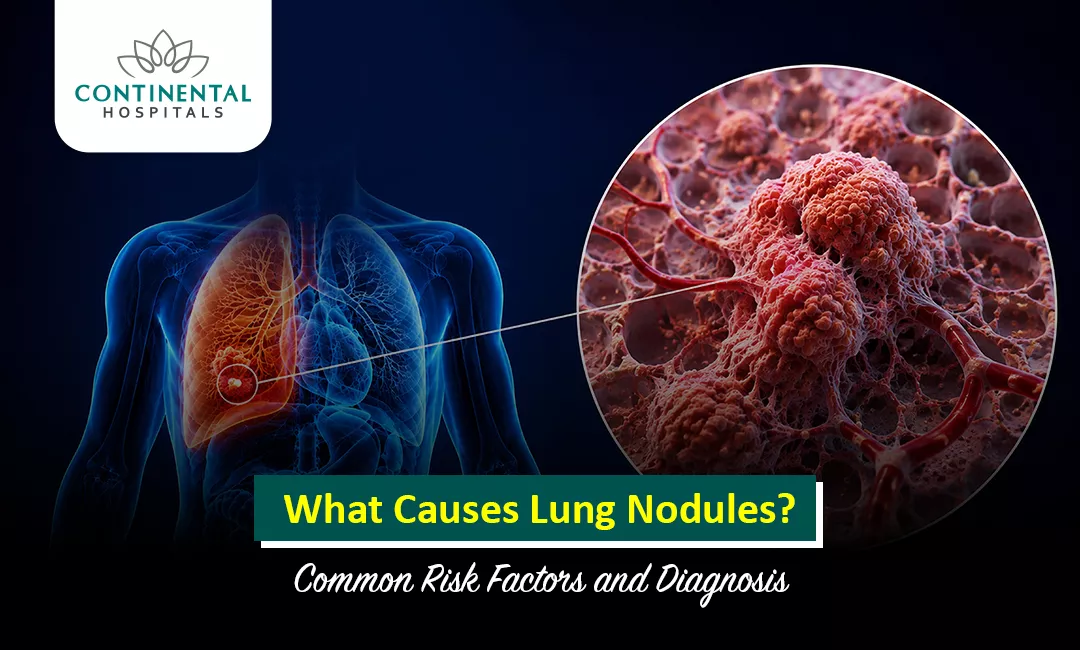
Lung nodules are small, round, or oval-shaped growths that develop in the lungs. They are also called pulmonary nodules and are often discovered during a chest X-ray or CT scan performed for another medical reason. Most lung nodules are small and do not cause noticeable health problems. However, some may require further testing to understand their cause and determine whether treatment is needed.
Finding lung nodules can be worrying, especially when you are unsure whether they are cancerous. The good news is that many lung nodules are non-cancerous and develop because of infections, inflammation, or scar tissue. Understanding the causes of pulmonary nodules, recognizing possible warning signs, and getting the right medical evaluation can help you protect your lung health.
What Causes Lung Nodules?
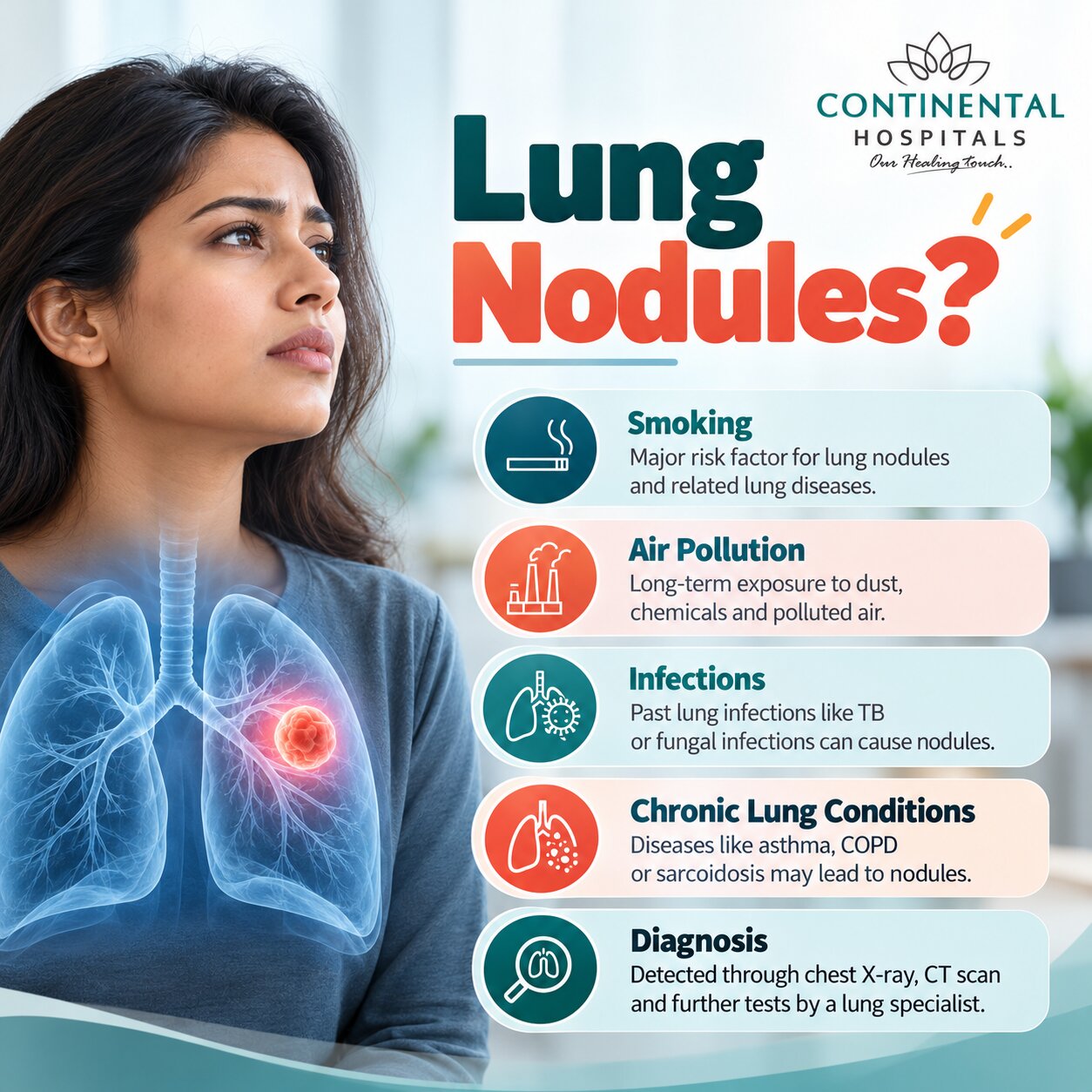
What causes lung nodules to develop? Several conditions can lead to the formation of these small growths. The cause depends on your medical history, exposure to certain substances, and the appearance of the nodule on imaging tests.
Common causes include:
- Past lung infections: Infections such as tuberculosis or certain fungal infections can leave small areas of scar tissue in the lungs.
- Inflammation: Conditions that cause inflammation in the body may lead to the formation of lung nodules.
- Scar tissue: Previous lung injuries or infections can leave small areas of hardened tissue.
- Benign growths: Some nodules develop from non-cancerous growths, such as hamartomas.
- Lung cancer: In some cases, a lung nodule may represent an early stage of lung cancer, making proper evaluation important.
Not every lung nodule has an identifiable cause. Your doctor may recommend monitoring or additional tests depending on its size, appearance, and your overall health.
Visit our Pulmonology Department for comprehensive respiratory evaluation, accurate diagnosis, and personalized treatment.
What Are the Risk Factors for Lung Nodules?
Who is more likely to develop lung nodules? Although anyone can develop them, certain factors may increase the chance of finding a nodule or the possibility that it could be cancerous.
Important lung nodule risk factors include:
- Smoking: Current or previous tobacco use increases the risk of lung cancer.
- Older age: The likelihood of cancerous lung nodules generally increases with age.
- Exposure to harmful substances: Long-term exposure to asbestos, radon, silica, or other harmful substances may increase lung cancer risk.
- Previous lung infections: Certain infections can leave nodules or scars in lung tissue.
- Family history: A family history of lung cancer may increase your risk.
- Previous cancer: People who have had cancer may need closer evaluation of newly detected lung nodules.
Having one or more risk factors does not automatically mean a lung nodule is cancerous. A medical assessment helps determine the appropriate next steps.

What Are the Symptoms of Lung Nodules?
Do lung nodules always cause symptoms? No. Most small lung nodules do not cause noticeable symptoms and are often found accidentally during imaging tests.
When symptoms occur, they may include:
- A persistent cough.
- Shortness of breath.
- Chest discomfort.
- Coughing up blood.
- Repeated respiratory infections.
These symptoms can also occur because of other lung conditions. If you experience persistent breathing problems or cough up blood, seek medical attention promptly. Severe breathing difficulty or significant coughing up of blood requires urgent medical care.
Are Lung Nodules Cancerous?
Are lung nodules cancerous in every case? No. Many pulmonary nodules are benign, meaning they are not cancerous. However, some may be linked to lung cancer, so doctors assess them carefully.
The likelihood of cancer depends on several factors, including:
- The size and shape of the nodule.
- Whether its edges look smooth or irregular.
- Whether it grows over time.
- Your age and smoking history.
- Your personal medical history.
A small, stable nodule may only require follow-up scans, while a growing or suspicious nodule may need further investigation. Imaging findings alone do not always provide a final diagnosis.
How Are Lung Nodules Diagnosed?
How do doctors determine whether lung nodules are harmless or require treatment? Lung nodule diagnosis usually begins with a review of your medical history and imaging results.
Your doctor may recommend the following tests:
- Chest X-ray: May identify a nodule, although additional imaging is often needed.
- CT scan: Provides detailed images that help assess the nodule's size, shape, and location.
- Follow-up imaging: Repeat CT scans may be recommended to check whether the nodule changes over time.
- PET scan: May help assess certain suspicious nodules, although inflammation and infection can also produce abnormal results.
- Biopsy: A small tissue sample may be collected when further testing is necessary to determine whether the nodule is cancerous.
Not everyone needs every test. Your doctor will recommend investigations based on the nodule's appearance and your individual risk factors.
How Are Lung Nodules Treated?
Does every lung nodule need treatment? No. Treatment depends on the underlying cause and the likelihood of cancer.
Common approaches include:
- Monitoring: Small, low-risk nodules may be monitored with follow-up CT scans.
- Treating infections: Medication may be prescribed when an active infection is identified.
- Additional testing: Suspicious or growing nodules may require further investigation.
- Specialist treatment: If cancer is confirmed, treatment may involve surgery, radiation therapy, medication, or a combination of approaches.
Following your doctor's recommended monitoring schedule is important, even when you feel healthy.
Why Choose Continental Hospitals for Lung Care?
Why is specialist care important when lung nodules are detected? Accurate assessment helps distinguish harmless growths from nodules that need further investigation. Continental Hospitals, Hyderabad, provides comprehensive medical care supported by experienced specialists, modern diagnostic facilities, and multidisciplinary expertise.
The hospital holds national and international healthcare accreditations, including National Accreditation Board for Hospitals and Healthcare Providers (NABH) and Joint Commission International (JCI). These accreditations reflect its commitment to established healthcare quality and patient safety standards.
With coordinated specialist care and appropriate diagnostic evaluation, patients can receive guidance on monitoring, further testing, and treatment according to their individual needs.
Conclusion
Lung nodules are common findings on chest imaging, and many are benign. However, their size, appearance, growth, and your medical history help determine whether further evaluation is necessary. Early assessment can provide clarity and help identify conditions that require treatment.
If you suffer from a persistent cough, unexplained breathing difficulties, or other ongoing lung symptoms, consult our best pulmonologist in Hyderabad at Continental Hospitals, Hyderabad. If a scan has already detected lung nodules, seek specialist advice to understand the findings and determine the right follow-up plan. Timely evaluation and regular monitoring can help you make informed decisions about your lung health.
Related Blogs: