post-title

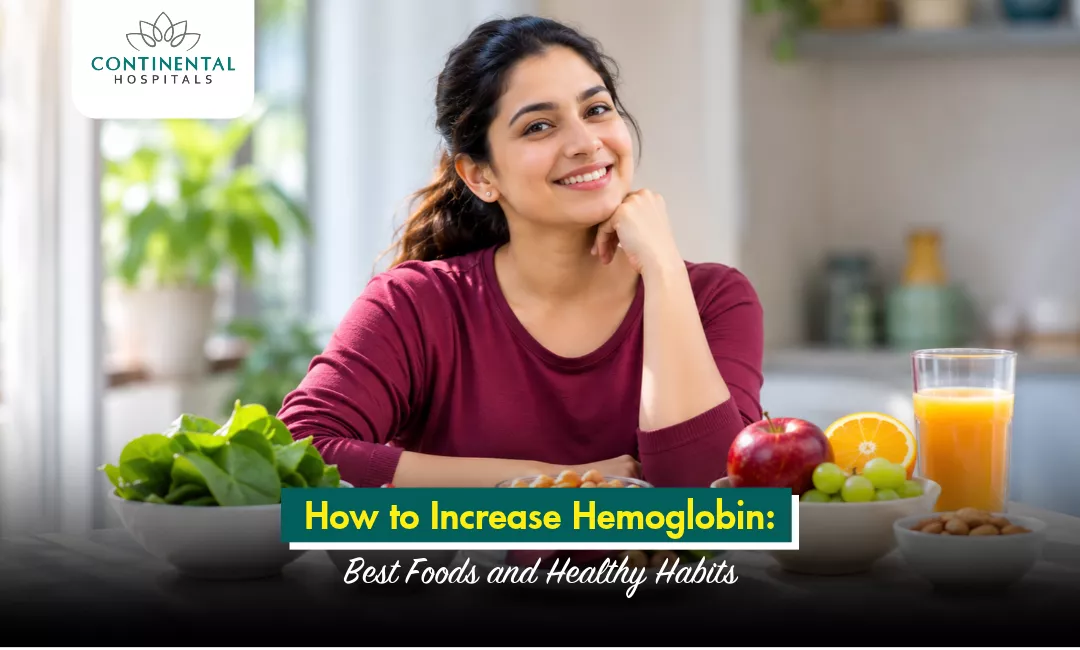
How to Increase Hemoglobin: Best Foods and Healthy Habits

Written by - Editorial Team
Medically Reviewed by - Dr Jagadeesh Kanukuntla

Hemoglobin is a protein in red blood cells that transports oxygen from the lungs to various parts of the body. Hemoglobin is responsible for ensuring that your muscles, brain, and other organs get the necessary oxygen that is required by the body for optimal functioning. Good levels of hemoglobin are essential for proper growth, vitality, and health. Poor hemoglobin levels are associated with inadequate levels of oxygen in the body, leading to anemia.

Increasing hemoglobin levels is one of the health issues that are commonly considered, mainly in women, children, and those individuals who lack nutrients. Low hemoglobin levels result in fatigue, dizziness, breathlessness, and weakness. Consumption of food products that contain iron as well as vitamins is effective in ensuring good levels of hemoglobin. It is also necessary to establish the cause of the problem.

What Are the Causes of Hemoglobin Deficiency?

Why does the level of hemoglobin drop? There are various nutritional, health, and lifestyle reasons why the body is unable to produce healthy red blood cells.

Some of the common causes are:

  • Deficiency of iron: Lack of sufficient iron will make the body unable to produce enough hemoglobin.
  • Deficiency of vitamins: Vitamin B12 and folate deficiency affects the production of red blood cells.
  • Hemorrhage: Excessive menstrual flow, trauma, and internal hemorrhaging might cause a reduction in the level of hemoglobin.
  • Pregnancy: As a result of increased blood volume in the body during pregnancy, anemia might be caused.
  • Various health conditions: Diseases such as kidney diseases and inflammation might affect the production of red blood cells.

Visit the General Medicine Department at Continental Hospitals, Hyderabad, for expert medical care and personalized treatment.

Which Food Helps To Raise Hemoglobin Levels Naturally?

Is it possible to increase hemoglobin levels by means of food intake? Yes, foods rich in iron and other important nutrients can help in red blood cell formation.

Here are some helpful food items:

  • Leafy green vegetables: Spinach, amaranth leaves, etc. contain iron and folate.
  • Beetroots: Beetroots have nutrients including folate for a balanced diet.
  • Dates and raisins: They contain some iron and can be incorporated into your balanced diet.
  • Pulses and lentils: Examples include chickpeas, beans, lentils, etc.
  • Eggs: Eggs contain vitamin B12 and protein.
  • Meats and fishes: They contain iron, vitamin B12, and protein. The iron content in meat foods is easier to absorb compared to vegetable products.
  • Nuts and seeds: For example, pumpkin seeds, sesame seeds, and nuts.

It is advisable to consume foods belonging to different categories.
Second Opinion

What Vitamins Contribute to Increasing Hemoglobin Levels?

Is iron only sufficient to keep your hemoglobin levels healthy? No, you need some other nutrients that your body requires for forming healthy red blood cells.

Some essential nutrients are:

  • Iron: Essential for the production of hemoglobin and carrying oxygen.
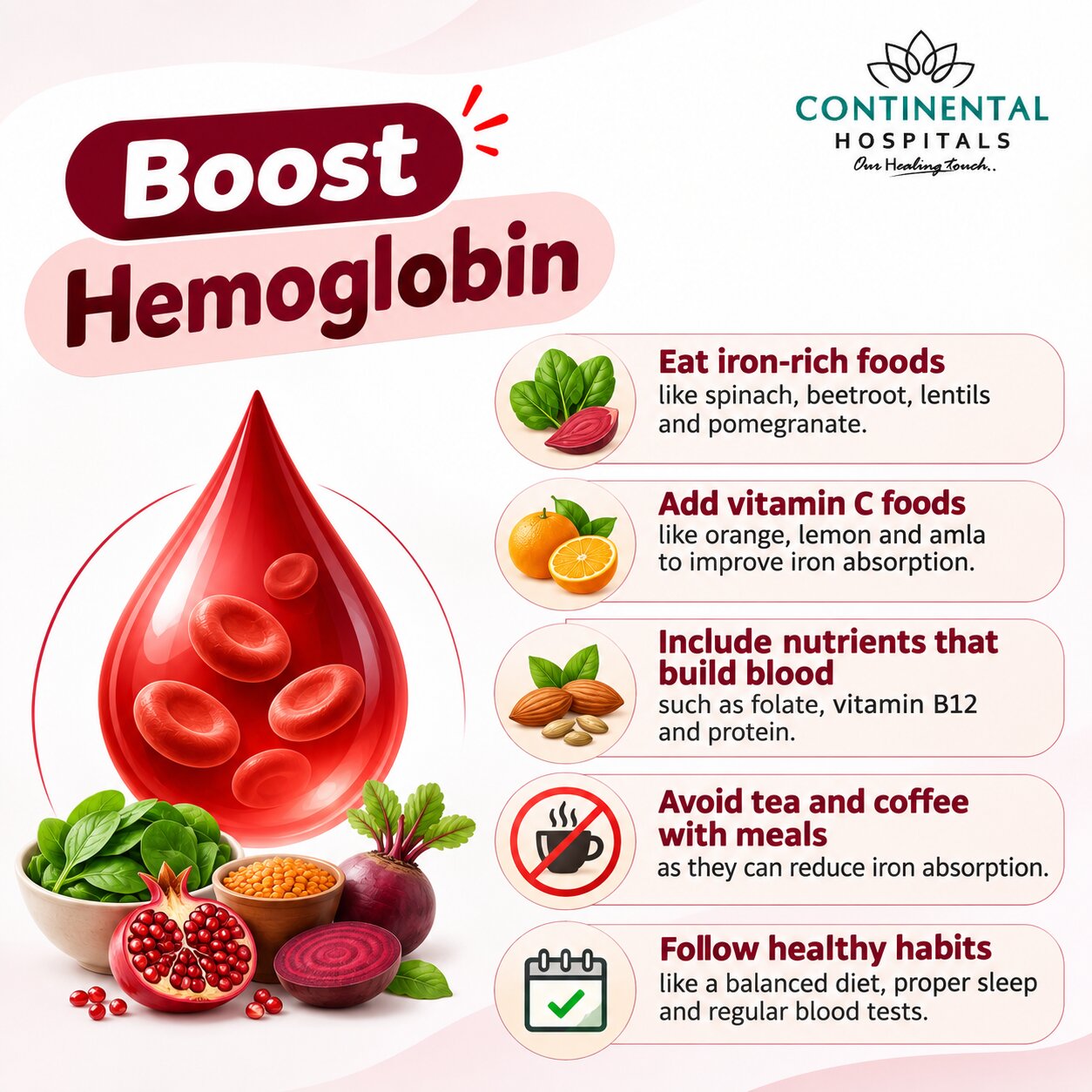
  • Vitamin C: Enhances iron absorption by the body, especially iron present in non-animal foods like fruits and vegetables. You may add oranges, guavas, amla, tomatoes, and lemons to your diet.
  • Vitamin B12: This nutrient is important for the proper formation of red blood cells. Foods rich in vitamin B12 include milk, eggs, fish, and meat.
  • Folate (Vitamin B9): Important for the formation of red blood cells. It is present in green vegetables, beans, and lentils.

How Can You Boost Your Hemoglobin Levels with Healthy Habits?

Aside from food, there are some everyday healthy habits that help in improving nutritional well-being.

Try these simple tips:

  • Eat balanced diets: Make sure that you take iron, protein, vitamins, and minerals in your daily diet.
  • Iron and vitamin C combination: You can use lemon juice for appropriate meals or have vitamin C-containing fruits.
  • Do not have tea and coffee with your meals: These drinks inhibit iron absorption when taken together with iron-containing foods. Keep some gap between your meals and these drinks.
  • Drink sufficient water: Take an adequate amount of water so that your body works normally.
  • Eat on time: Do not skip meals often.

How to Increase Hemoglobin in a Week?

Is it possible to increase hemoglobin within one week? It all depends on the cause and degree of anemia. Proper nutrition can help recover from anemia, but a significant increase in hemoglobin requires more time.

In case of low hemoglobin, a doctor will order blood tests, proper diet, iron supplementation, vitamin supplementation, or another therapy based on the cause of the problem. Do not take iron supplementation without a prescription since too much iron is harmful.

When Should You See a Doctor for Low Hemoglobin?

When do you need to see a doctor? In case of constant fatigue, weakness, dizziness, pallor, palpitations, or breathlessness, visit a physician.

Need an Appointment?

Healthcare providers can recommend:

  • Complete Blood Count (CBC) in order to measure the hemoglobin level.
  • Tests for iron stores.
  • Vitamin B12 and folate test when needed.
  • Other additional tests in order to find blood loss and diseases.

Why Should You Go for Continental Hospitals for Your Hemoglobin and Anemia Needs?

Why do you need medical advice if you have low hemoglobin in your body? It may be due to nutritional problems, blood loss, or any medical condition. Determining the root cause of such a problem is significant in providing treatment for the same.

Continental Hospitals, located in Hyderabad, offers complete healthcare services through experienced medical professionals and state-of-the-art diagnostic centers and medical services. The hospital is also accredited with various healthcare certifications, nationally and internationally, such as the Joint Commission International (JCI) and the National Accreditation Board for Hospitals and Healthcare Providers (NABH).

If you have any symptoms of low hemoglobin or anemia, you can get the required diagnosis, treatment, and nutrition assistance.

Conclusion

How to boost hemoglobin? A healthy diet including iron-enriched foods, vitamin C, B12, and folic acid may help to create normal red blood cells. It is essential to combine your healthy eating habits with a proper daily routine in order to keep your hemoglobin within its normal limits.

But it is necessary not to neglect low hemoglobin, as it may be a sign of some disease. If you experience regular fatigue, weakness, dizziness, or signs of anemia, you had better visit our best general physician in Hyderabad of Continental Hospitals in Hyderabad.

Frequently Asked Questions

Increasing haemoglobin quickly depends on the underlying cause of low levels. Eating iron-rich foods can help improve iron intake. Include spinach, lentils, beans, chickpeas and leafy vegetables in your meals. Meat, fish and poultry provide iron that the body can absorb more easily. Vitamin C-rich foods such as oranges, guavas and lemons improve iron absorption from plant foods. Include vitamin B12 and folate sources in your diet. Avoid drinking tea or coffee immediately with iron-rich meals. Your doctor may recommend iron supplements if you have iron deficiency. Severe anaemia may require additional medical treatment. A complete blood count and iron studies can help identify the cause. Do not depend only on dietary changes when haemoglobin is significantly low. Follow your doctor's treatment recommendations. Regular blood tests help monitor your improvement.
Improving haemoglobin within one week depends on the severity and cause of anaemia. Eating nutritious foods can support your body's production of red blood cells. Include iron-rich foods such as lentils, beans, spinach and meat. Add vitamin C-rich fruits to improve iron absorption. Foods containing vitamin B12 and folate also support healthy red blood cell production. If iron deficiency is diagnosed, your doctor may prescribe iron supplements. However, haemoglobin levels generally take longer than one week to increase significantly. The response depends on the treatment, absorption and individual health. Avoid taking iron supplements without medical advice. A blood test can help determine your current haemoglobin level. Your doctor may recommend repeat testing to assess improvement. Treating the underlying cause is equally important. A balanced diet and appropriate medical care support gradual recovery.
Increasing haemoglobin significantly within three days is generally not possible through food alone. The body needs time to produce new red blood cells. However, you can begin improving your nutritional intake immediately. Include iron-rich foods such as lentils, beans, spinach and lean meat. Add vitamin C-rich foods like oranges, lemons and guavas to your meals. Include vitamin B12 sources such as eggs, dairy products and fish. Folate-rich foods such as leafy vegetables and legumes are also helpful. Avoid tea and coffee around mealtimes because they can reduce iron absorption. If you have severe iron deficiency, dietary changes alone may not be sufficient. Your doctor may recommend iron supplements or other treatments. Very low haemoglobin levels require prompt medical assessment. Do not try to correct severe anaemia through home remedies. Follow the treatment recommended by your healthcare professional. Repeat blood tests can help monitor your recovery.
Women may experience low haemoglobin due to heavy menstrual bleeding, pregnancy or nutritional deficiencies. Eating iron-rich foods can help support healthy haemoglobin levels. Include spinach, amaranth leaves, lentils and chickpeas in your daily meals. Dates, raisins and dried apricots can provide additional dietary iron. Eggs, fish and lean meat are useful sources of iron and other nutrients. Vitamin C-rich fruits such as oranges, guavas and amla improve iron absorption. Include folate-rich vegetables and legumes in your diet. Milk and dairy products provide vitamin B12 when included in a balanced diet. Vitamin B12-fortified foods may help people following vegetarian diets. Avoid consuming tea or coffee immediately after iron-rich meals. Persistent heavy periods should be discussed with a gynaecologist. A blood test can identify anaemia and possible nutritional deficiencies. Consult a doctor to determine whether supplements or further treatment are needed.
Several nutritious foods can support healthy haemoglobin production. Spinach provides iron and folate for red blood cell formation. Lentils are a useful plant-based source of iron and protein. Chickpeas provide iron, folate and dietary fibre. Beans can contribute to your daily iron intake. Pumpkin seeds contain iron and other essential minerals. Dates provide small amounts of iron and energy. Raisins can be included as part of a balanced diet. Eggs provide vitamin B12 and protein. Fish and lean meat contain easily absorbed iron and vitamin B12. Amaranth leaves are another useful source of iron and folate. Pair plant-based iron foods with vitamin C-rich fruits for better absorption. Avoid relying on a single food to correct anaemia. A varied diet supports overall nutritional health. Medical treatment may still be necessary when haemoglobin levels are low.
Certain nutritious drinks can support your daily intake of iron and other essential nutrients. Amla juice provides vitamin C, which helps improve iron absorption. Fresh orange juice is another good source of vitamin C. Guava-based drinks can also provide vitamin C. Smoothies prepared with leafy vegetables and fruits can contribute to a balanced diet. Beetroot juice provides folate and other nutrients but is not a proven treatment for anaemia. Prune juice contains some iron and can be included in moderation. Fortified plant-based drinks may provide additional iron or vitamin B12. Choose products with appropriate nutritional content. Avoid adding excessive sugar to homemade drinks. Tea and coffee should not be consumed immediately with iron-rich meals. No particular juice can rapidly correct severe anaemia. Your doctor may recommend iron supplementation if a deficiency is confirmed. A balanced diet and appropriate medical treatment are important for recovery.
Iron-rich foods are important for supporting haemoglobin production. Lean red meat, fish and poultry provide iron that is readily absorbed by the body. Lentils, chickpeas and kidney beans are useful plant-based options. Spinach and amaranth leaves provide iron and folate. Pumpkin seeds and sesame seeds can contribute additional iron. Combine these foods with oranges, lemons, guavas or tomatoes. Vitamin C helps the body absorb iron from plant-based foods. Include eggs and dairy products for vitamin B12 if they are part of your diet. Folate-rich vegetables also support red blood cell production. Avoid drinking tea or coffee immediately after iron-rich meals. Eating these foods regularly can improve nutritional intake. However, food alone may not correct moderate or severe anaemia. Your doctor may recommend supplements based on blood test results. Treating the underlying cause is essential for healthy haemoglobin levels.
Increasing haemoglobin from 6 to 12 g/dL requires careful medical evaluation and treatment. A haemoglobin level of 6 g/dL is severely low and needs urgent medical attention. Do not attempt to correct this condition through food or home remedies alone. Your doctor will investigate the underlying cause of anaemia. Blood tests may include iron studies, vitamin B12 and folate levels. Heavy menstrual bleeding, gastrointestinal blood loss and nutritional deficiencies may need investigation. Iron supplements may be prescribed if iron deficiency is confirmed. Vitamin B12 or folate treatment may be needed when these deficiencies are identified. Some patients with severe anaemia may require hospital treatment or a blood transfusion depending on their symptoms and clinical condition. The time needed to reach 12 g/dL varies between individuals. Regular blood tests help doctors monitor treatment response. Eat a balanced diet containing iron, protein, vitamin B12 and folate. Follow your doctor's instructions and do not change medication doses yourself. Seek emergency care if you experience chest pain, breathlessness at rest, fainting or severe weakness.
Disclaimer: The information provided in this blog is intended for general knowledge and informational purposes only, and does not constitute medical advice. Always consult with a qualified healthcare professional for any medical concerns or before making any decisions about your health.

Get in Touch With Us

Whether you are from India or abroad, we are here to help you with your medical queries. Please fill out the form below and our team will connect with you shortly.

  • ✔ Quick response from our medical experts
  • ✔ Secure data handling & privacy
  • ✔ Easy upload for reports & documents
banner_image

Chat with our medical experts on WhatsApp for quick assistance and hassle-free appointment booking

Recent Posts