post-title

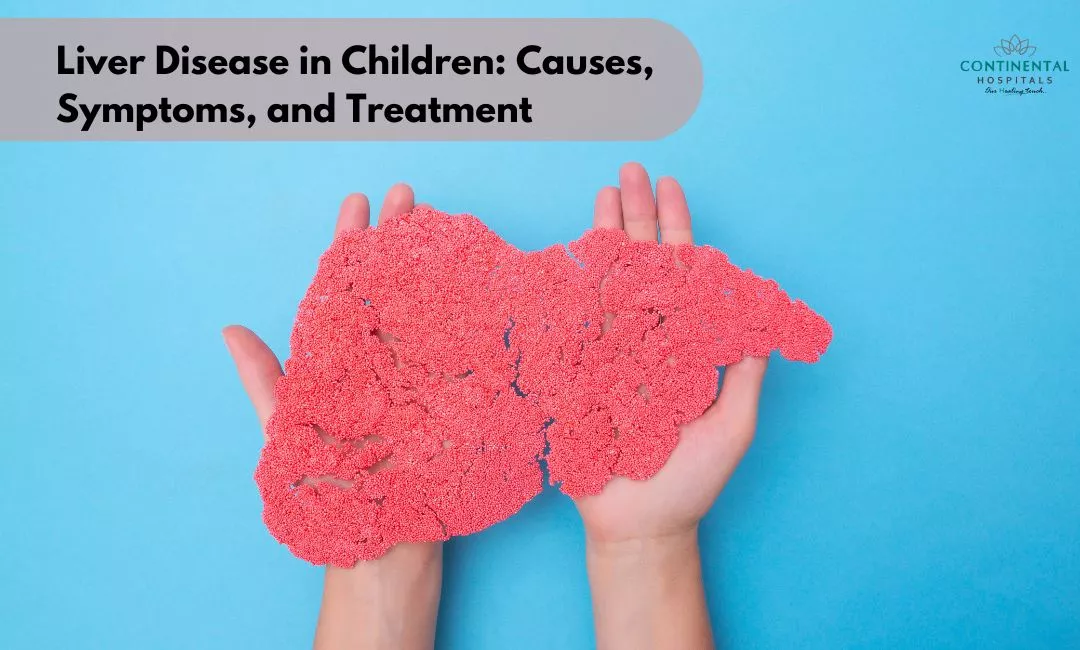
Liver Disease in Children

Written by - Editorial Team
Medically Reviewed by - Dr Raghuram Kondala

Liver disease in children is a serious health concern that can impact their growth, development, and overall well-being. Although relatively rare compared to adults, pediatric liver diseases encompass a range of conditions that require prompt diagnosis and appropriate management. In this blog post, we'll delve into the causes, symptoms, and treatment options for liver disease in children, aiming to provide valuable insights for parents and caregivers.

What Is Liver Disease in Children?

The liver is a vital organ responsible for numerous essential functions in the body, including detoxification, metabolism, and nutrient storage. When the liver becomes diseased or damaged, it can affect various bodily processes, leading to significant health complications. In children, liver disease can arise from a variety of factors, including genetic predispositions, infections, autoimmune disorders, metabolic disorders, and environmental influences.

What Causes Liver Disease in Children?

Genetic Disorders: Certain genetic conditions, such as Wilson's disease, alpha-1 antitrypsin deficiency, and cystic fibrosis, can affect liver function in children. These disorders often result from inherited mutations that impair the liver's ability to perform its functions effectively.

Viral Hepatitis: Viral infections, particularly hepatitis B and hepatitis C, can cause liver inflammation and damage in children. These viruses are typically transmitted through contaminated blood or body fluids, and they can lead to chronic liver disease if left untreated.

Biliary Atresia: Biliary atresia is a rare congenital condition characterized by the absence or obstruction of the bile ducts, which impairs bile flow from the liver to the gallbladder and small intestine. This condition can lead to liver damage and cirrhosis if not treated promptly.

Autoimmune Hepatitis: Autoimmune hepatitis is a condition in which the body's immune system mistakenly attacks the liver, causing inflammation and damage. While the exact cause of autoimmune hepatitis is unknown, it is believed to involve a combination of genetic, environmental, and immunological factors.

Metabolic Disorders: Certain metabolic disorders, such as galactosemia, tyrosinemia, and glycogen storage diseases, can affect liver function in children by disrupting normal metabolic processes. These disorders often result from enzyme deficiencies that impair the body's ability to metabolize specific nutrients.

Nonalcoholic Fatty Liver Disease (NAFLD): NAFLD is a growing concern in children, particularly in those who are overweight or obese. This condition is characterized by the accumulation of fat in the liver, which can lead to inflammation, fibrosis, and liver damage over time.

Toxins and Medications: Exposure to toxins, such as certain chemicals, drugs, and medications, can cause liver damage in children. Additionally, prolonged use or misuse of certain medications, such as acetaminophen, can lead to liver toxicity and injury.

Second Opinion

Consult with a gastroenterology specialist doctors, to know more about liver diseases in children.

What Are the Symptoms of Liver Disease in Children?

The symptoms of liver disease in children can vary depending on the underlying cause and the severity of the condition. However, some common signs and symptoms may indicate liver dysfunction and warrant further evaluation by a healthcare professional. These symptoms may include:

- Jaundice (yellowing of the skin and eyes)
- Abdominal pain or swelling
- Fatigue and weakness
- Poor appetite and weight loss
- Nausea and vomiting
- Pale or clay-colored stools
- Dark urine
- Easy bruising or bleeding
- Swelling of the legs or abdomen (edema)
- Itchy skin (pruritus)

It's important to note that some children with liver disease may not exhibit any symptoms initially, making early detection challenging. Regular medical check-ups and screenings can help identify liver disease in its early stages, allowing for timely intervention and management.

How Is Liver Disease in Children Diagnosed and Treated?

Diagnosing liver disease in children typically involves a combination of medical history review, physical examination, laboratory tests, imaging studies, and sometimes, liver biopsy. Once diagnosed, the treatment approach will depend on the underlying cause and severity of the condition. Treatment strategies may include:

Medications: Depending on the specific type of liver disease, medications may be prescribed to manage symptoms, reduce inflammation, prevent complications, or slow disease progression. For example, antiviral medications may be used to treat hepatitis infections, while immunosuppressive drugs may be prescribed for autoimmune hepatitis.

Nutritional Support: Children with liver disease may require special dietary modifications to ensure adequate nutrition and support liver function. This may involve working with a registered dietitian to develop a nutrition plan tailored to the child's needs, including appropriate calorie, protein, and micronutrient intake.

Need an Appointment?

Surgical Interventions: In some cases, surgical interventions may be necessary to treat underlying structural abnormalities or complications of liver disease. For example, children with biliary atresia may require a surgical procedure called the Kasai procedure to restore bile flow from the liver.

Liver Transplantation: In severe cases of liver disease where other treatments are ineffective or liver damage is irreversible, liver transplantation may be considered. Liver transplantation involves replacing the diseased liver with a healthy liver from a compatible donor, either through deceased or living donation.

Lifestyle Modifications: For children with nonalcoholic fatty liver disease (NAFLD) or other liver conditions influenced by lifestyle factors, such as obesity or unhealthy dietary habits, lifestyle modifications may be recommended. This may include weight management, regular exercise, and dietary changes aimed at improving liver health.

Liver disease in children poses significant challenges for affected individuals and their families, but early detection and appropriate management can help improve outcomes and quality of life. By understanding the causes, symptoms, and treatment options for liver disease in children, parents and caregivers can be better equipped to recognize potential signs of liver dysfunction and seek timely medical attention. Collaborative efforts between healthcare providers, families, and support networks are essential in addressing the complex needs of children with liver disease and optimizing their long-term health and well-being.

Consult with a Gastroenterologist Doctors in Hyderabad, to know more about liver diseases in children.

Related Blog Topics

1. Signs of Liver Damage from Excessive Alcohol Consumption

Frequently Asked Questions

Liver disease in children can develop due to a variety of reasons, including viral infections such as hepatitis, inherited genetic disorders, metabolic conditions, autoimmune diseases, and structural abnormalities of the liver or bile ducts. Some newborns are born with conditions like biliary atresia, while older children may develop fatty liver disease because of obesity and unhealthy eating habits. Certain medications, toxins, and rare infections can also damage the liver. In some cases, the exact cause may not be immediately clear and requires detailed evaluation. Early diagnosis is important because prompt treatment can prevent permanent liver damage. Pediatric liver specialists often recommend blood tests, imaging studies, and sometimes liver biopsy to identify the underlying cause. Understanding the cause helps doctors choose the most effective treatment and improve long term outcomes.
The symptoms of liver disease in children can vary depending on the underlying condition and the child's age. Early signs may include persistent fatigue, poor appetite, nausea, vomiting, abdominal pain, swelling of the abdomen, yellowing of the skin and eyes known as jaundice, dark colored urine, pale stools, and itchy skin. Infants may have poor weight gain, prolonged jaundice, or feeding difficulties. Some children may also develop easy bruising or bleeding because the liver plays a key role in blood clotting. Since many symptoms can be mild in the beginning, parents should seek medical evaluation if they notice persistent or unusual changes. Early recognition allows timely diagnosis and treatment before complications develop.
Diagnosing liver disease in children involves a detailed medical history, physical examination, and specialized laboratory tests. Doctors usually perform liver function tests to assess liver health and identify inflammation or damage. Additional blood tests may look for viral infections, autoimmune conditions, metabolic disorders, or genetic abnormalities. Imaging studies such as ultrasound, CT scan, or MRI help evaluate the liver and bile ducts. In selected cases, a liver biopsy may be recommended to confirm the diagnosis and determine the severity of the disease. Early and accurate diagnosis helps guide treatment decisions and reduces the risk of long term complications. Pediatric liver specialists use a combination of these investigations to develop an individualized treatment plan.
Yes, many liver diseases in children can be successfully treated, especially when diagnosed early. The treatment depends on the underlying cause and severity of the condition. Viral infections may require antiviral medications, autoimmune liver diseases are often managed with immune suppressing medicines, and metabolic disorders may need dietary changes and specialized treatments. Some children benefit from nutritional support, vitamin supplementation, or medications that improve bile flow. In advanced cases where the liver is severely damaged, liver transplantation may be the most effective option. Regular follow up with pediatric liver specialists ensures the child responds well to treatment and helps prevent complications. Early intervention significantly improves recovery and long term quality of life.
Parents should seek medical attention if their child develops persistent jaundice, unexplained abdominal swelling, severe abdominal pain, repeated vomiting, dark urine, pale stools, unexplained weight loss, prolonged fever, excessive tiredness, or unusual bleeding and bruising. Infants with jaundice lasting beyond two weeks should always be evaluated promptly. Any child showing confusion, excessive sleepiness, or rapid worsening of symptoms requires immediate emergency care. Early consultation with a pediatrician or pediatric gastroenterologist helps identify the problem before serious liver damage occurs. Timely diagnosis and treatment greatly improve the chances of successful recovery and reduce the risk of permanent complications.
While not every liver disease can be prevented, many cases can be reduced through healthy lifestyle choices and preventive healthcare. Ensuring children receive recommended vaccinations, including hepatitis vaccines, is an effective way to lower the risk of viral liver infections. A balanced diet, regular physical activity, maintaining a healthy weight, and avoiding unnecessary medications also support liver health. Parents should keep harmful chemicals and medicines out of children's reach and always follow medical advice before giving medications. Early screening for inherited or metabolic disorders in high risk families may also help identify problems sooner. Routine pediatric checkups allow healthcare providers to detect warning signs early and recommend appropriate interventions.
Yes, fatty liver disease is becoming increasingly common in children, particularly those who are overweight or obese. Excess fat accumulates in the liver, leading to inflammation and, over time, possible liver damage if left untreated. Poor dietary habits, sugary drinks, lack of physical activity, insulin resistance, and certain genetic factors contribute to the condition. Many children have no symptoms initially, making routine health evaluations important for those at higher risk. Treatment focuses on gradual weight loss, healthier eating habits, increased physical activity, and management of associated conditions such as diabetes or high cholesterol. Early lifestyle changes can often reverse fatty liver disease and protect long term liver health.
Untreated liver disease in children can lead to serious health complications over time. Progressive liver damage may result in liver fibrosis, cirrhosis, liver failure, poor growth, nutritional deficiencies, bleeding disorders, fluid accumulation in the abdomen, and increased susceptibility to infections. Children may also develop portal hypertension, which can cause enlarged veins and life threatening bleeding. In severe cases, liver transplantation may become necessary to save the child's life. Early diagnosis and appropriate treatment significantly reduce these risks and improve long term outcomes. Regular medical follow up is essential to monitor liver function, adjust treatment plans, and ensure healthy growth and development.
Disclaimer: The information provided in this blog is intended for general knowledge and informational purposes only, and does not constitute medical advice. Always consult with a qualified healthcare professional for any medical concerns or before making any decisions about your health.

Get in Touch With Us

Whether you are from India or abroad, we are here to help you with your medical queries. Please fill out the form below and our team will connect with you shortly.

  • ✔ Quick response from our medical experts
  • ✔ Secure data handling & privacy
  • ✔ Easy upload for reports & documents
banner_image

Chat with our medical experts on WhatsApp for quick assistance and hassle-free appointment booking

Recent Posts