.webp)


Causes of Fatty Liver Grade 1
Here are some common causes of Grade 1 fatty liver:
Obesity: Excess body fat, especially around the abdomen, is a primary culprit.
Insulin resistance: This condition, often linked to type 2 diabetes, prevents your body from effectively using insulin, leading to fat buildup in the liver.
Unhealthy diet: Consuming a diet high in calories, saturated fats, and sugary drinks can contribute to fatty liver.
Sedentary lifestyle: Lack of physical activity can worsen insulin resistance and contribute to fat accumulation.
Excessive alcohol consumption: While less common in grade 1 fatty liver, alcohol can also cause fat to build up in the liver.
 Non-Alcoholic Fatty Liver Disease (NAFLD) Grade 1
Non-Alcoholic Steatohepatitis (NASH) Grade 1
Alcoholic Fatty Liver Disease (AFLD) Grade 1
Non-Alcoholic Fatty Liver Disease (NAFLD) Grade 1
Non-Alcoholic Steatohepatitis (NASH) Grade 1
Alcoholic Fatty Liver Disease (AFLD) Grade 1
Non-Alcoholic Steatohepatitis (NASH) Grade 1 represents an early stage of NASH, where fat accumulation in the liver is accompanied by mild inflammation and liver cell injury. Unlike simple fatty liver, NASH Grade 1 involves the beginning of liver inflammation, which can cause some degree of liver function impairment, although it may still be asymptomatic. This stage is crucial for intervention, as it signifies the transition from benign fatty liver to a more serious condition. Managing NASH Grade 1 typically involves lifestyle changes such as weight loss, dietary adjustments, and regular monitoring to prevent progression to more advanced stages of liver disease, such as NASH Grade 2 or cirrhosis.
Alcoholic Fatty Liver Disease (AFLD) Grade 1 is an early stage of liver disease caused by excessive alcohol consumption, marked by the accumulation of fat in liver cells. At this stage, the liver shows mild fat deposits without significant inflammation or liver damage. Symptoms are often minimal or absent, and liver function tests may still be normal. Effective management primarily involves abstaining from alcohol, which can halt or even reverse the fat accumulation. Adopting a healthier lifestyle, including a balanced diet and regular exercise, is also recommended to support liver health and prevent progression to more severe forms of alcoholic liver disease.
Regular Check-Ups: Schedule regular follow-ups with your healthcare provider to monitor liver function and assess the progression of the condition.
Medications: Currently, there are no specific medications approved solely for fatty liver disease, but your doctor might recommend treatments for related conditions such as diabetes or high cholesterol.
Gradual Weight Loss: If overweight, aim to lose weight gradually (about 1-2 pounds per week) to avoid additional strain on the liver. Rapid weight loss can be harmful.
Reduce Caloric Intake: Focus on a balanced diet with controlled calorie consumption to help with weight management.
Limit Saturated Fats and Sugars: Avoid high-fat and sugary foods that can worsen liver fat accumulation. Opt for healthier fats like those from nuts, seeds, and olive oil.
Increase Fiber: Consume more fruits, vegetables, and whole grains to aid digestion and support liver health.
Moderate Alcohol Consumption: If you drink alcohol, do so in moderation, as excessive intake can exacerbate fatty liver disease.


Grade 1 fatty liver, also called mild hepatic steatosis, refers to a mild accumulation of fat in the liver. It is often detected during an abdominal ultrasound or other imaging test and may not cause noticeable symptoms. Grade 1 fatty liver is generally considered an early stage of fatty liver disease and can often improve when the underlying causes are addressed.
Grade 1 fatty liver can be associated with excess weight, insulin resistance, type 2 diabetes, high cholesterol, an unhealthy diet, low physical activity, and alcohol consumption. Certain medicines and medical conditions can also contribute to fat accumulation in the liver. Identifying the underlying cause helps guide appropriate fatty liver treatment.
Grade 1 fatty liver often does not cause noticeable symptoms. Some people may experience tiredness, weakness, or mild discomfort in the upper right side of the abdomen. Because symptoms may be absent, fatty liver can be discovered incidentally during routine blood tests or abdominal imaging.
Grade 1 fatty liver is commonly identified through abdominal ultrasound or other liver imaging. Doctors may also recommend liver function tests and blood tests to assess overall liver health and identify associated conditions. Depending on individual risk factors, additional tests such as FibroScan may be used to assess liver stiffness and the risk of fibrosis.
Yes, Grade 1 fatty liver can often improve when the underlying causes are addressed. Healthy weight management, regular physical activity, a balanced diet, good control of blood sugar and cholesterol, and avoiding alcohol when medically advised can help reduce liver fat. The degree of improvement varies depending on the individual's health and the cause of fatty liver.
Grade 1 fatty liver treatment usually focuses on lifestyle and metabolic health rather than surgery. Treatment may include gradual weight loss when appropriate, regular exercise, a balanced diet, management of diabetes and cholesterol, and avoiding or reducing alcohol depending on the cause. A gastroenterologist or hepatologist can recommend an individualized treatment and monitoring plan.
A balanced diet with vegetables, whole grains, lean proteins, legumes, and healthy fats can support liver health. It is generally advisable to limit sugary drinks, sweets, highly processed foods, fried foods, refined carbohydrates, and foods high in saturated fat. Dietary recommendations should be personalized according to weight, diabetes, cholesterol levels, and other health conditions.
Grade 1 fatty liver does not automatically progress to advanced liver disease. However, some people with fatty liver can develop liver inflammation and fibrosis over time, particularly when metabolic risk factors or alcohol-related liver injury are not controlled. Regular medical evaluation and management of the underlying causes can help reduce the risk of progression.
Grade 1 fatty liver itself is a mild form of liver fat accumulation and does not mean that a person has cirrhosis. In some individuals, fatty liver disease can progress over many years to liver inflammation, fibrosis, and eventually cirrhosis. Early management of risk factors and appropriate medical follow-up can help protect long-term liver health.
Medication specifically for Grade 1 fatty liver is not always required. Treatment often focuses on lifestyle changes and managing associated conditions such as obesity, diabetes, high cholesterol, or high blood pressure. A doctor may recommend medicines when needed to treat these conditions or when the patient has a more advanced form of fatty liver disease.
Yes, regular physical activity can help reduce liver fat and improve metabolic health. A combination of aerobic activity and muscle-strengthening exercises can be beneficial. The type and intensity of exercise should be appropriate for the person's fitness level and medical condition.
You should consult a doctor if an imaging test has detected Grade 1 fatty liver or if you have risk factors such as obesity, diabetes, high cholesterol, or a history of excessive alcohol use. A gastroenterologist or hepatologist can evaluate your liver health, identify underlying causes, and recommend appropriate fatty liver treatment and follow-up.
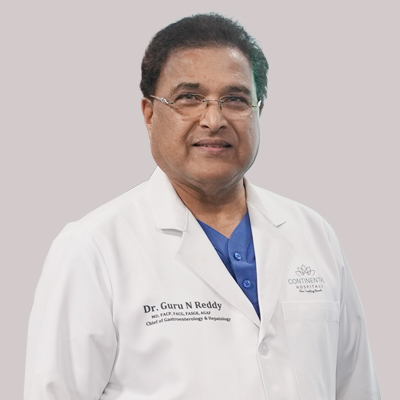
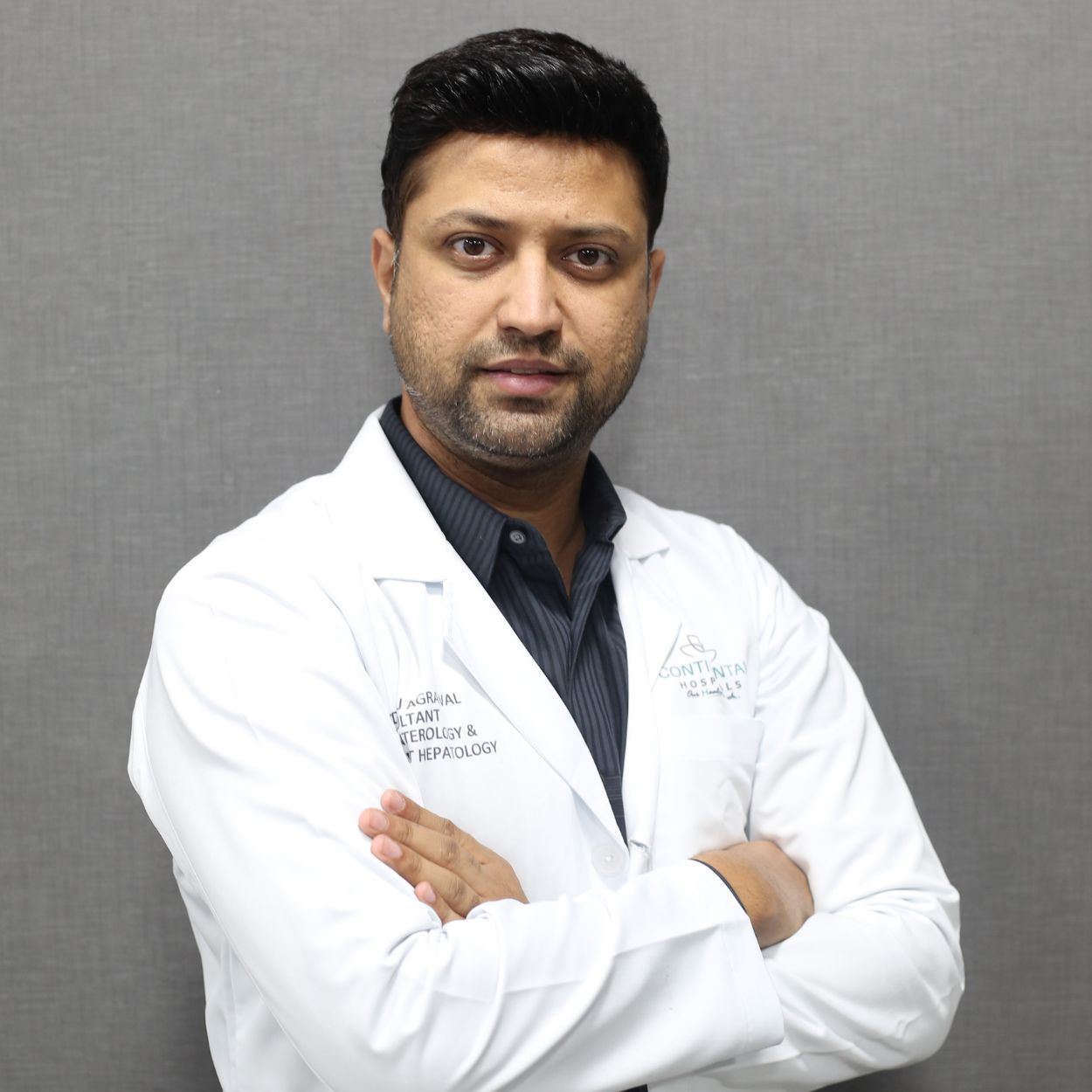
A gastroenterologist or hepatologist can diagnose and manage Grade 1 fatty liver. A fatty liver specialist in Hyderabad can evaluate liver health, assess metabolic risk factors, recommend appropriate tests, and create a personalized treatment and monitoring plan based on the patient's condition.
The cost of Grade 1 fatty liver treatment in Hyderabad varies depending on the consultation, blood tests, liver function tests, ultrasound, FibroScan or other diagnostic investigations, medicines, and follow-up care required. The overall cost depends on the patient's individual condition and treatment plan. A specialist can provide a more accurate estimate after evaluation.
Stay connected with Continental Hospitals anytime, anywhere.
Download the app now
for faster, smarter, paperless healthcare
 Oncology
 Neurology
 Gastroenterology
 Bariatric Surgery
 Liver Transplant
 Urology
 Orthopedics
 Cardiology
 General Medicine
 Gynecology
 Pediatrics
 Pulmonology


 040 6700 0000
  040 6700 0111

 Doctor
 Symptoms & Speciality