.webp)


Causes of Cardiac Arrest Treatment
 Cardiopulmonary Resuscitation (CPR)
Defibrillation
Advanced Cardiac Life Support (ACLS)
Post-Resuscitation Care
Implantable Cardioverter Defibrillator (ICD)
Medications
Cardiopulmonary Resuscitation (CPR)
Defibrillation
Advanced Cardiac Life Support (ACLS)
Post-Resuscitation Care
Implantable Cardioverter Defibrillator (ICD)
Medications
Description: A life-saving manual technique used to maintain circulation and oxygenation to vital organs when the heart stops.
Use Case: Initiated immediately after collapse; can be performed by trained bystanders or medical professionals.
Description: The use of an automated external defibrillator (AED) or manual defibrillator to deliver an electric shock to the heart.
Use Case: Most effective when administered within minutes of collapse due to ventricular fibrillation or pulseless ventricular tachycardia.
Description: A series of medical interventions including medications (like epinephrine), intubation, and cardiac monitoring by trained professionals.
Use Case: Used in hospitals or by trained emergency medical services (EMS) to support and stabilize patients beyond basic CPR.
Description: Intensive care management after return of spontaneous circulation (ROSC), including oxygen therapy, temperature control (hypothermia treatment), and neurologic evaluation.
Use Case: Vital for improving long-term survival and minimizing brain damage after successful resuscitation.
Description: A small device implanted under the skin that monitors heart rhythm and delivers shocks to prevent sudden cardiac arrest in high-risk patients.
Use Case: Recommended for patients with a history of cardiac arrest or those at high risk due to certain heart conditions.
Description: Includes drugs such as epinephrine, amiodarone, or lidocaine used to manage arrhythmias and support cardiac function.
Use Case: Administered during resuscitation or afterward as part of ongoing cardiac management.
Before the Procedure
During the Procedure
After the Procedure


Yes, cardiac arrest treatment is safe when performed promptly by trained professionals using established protocols like CPR and defibrillation.
Initial emergency treatment like CPR and defibrillation is performed immediately. Full recovery and post-care may take days to weeks depending on the case.
Most patients are unconscious during cardiac arrest and do not feel pain during the treatment, though soreness may occur post-recovery.
Yes, many patients return to work after proper recovery and medical clearance, depending on the severity and any underlying conditions.
Potential side effects may include chest soreness from CPR, bruising, fatigue, or complications from underlying heart conditions.
In emergency cases, successful resuscitation can be immediate. Long-term outcomes depend on post-care and rehabilitation.
Cardiac arrest and heart attack are different. However, if a heart attack leads to cardiac arrest, treatments like CPR and defibrillation are necessary.
No, cardiac arrest can affect people of all ages, including children, though it is more common in older adults.
Cardiac arrest treatment involves immediate resuscitation like CPR and defibrillation, while heart attack treatment may involve medications or surgeries like angioplasty.
Choose a board-certified cardiologist or emergency medicine specialist with experience in cardiac emergencies and access to advanced treatment facilities.
The cost of cardiac arrest treatment in Hyderabad varies depending on the hospital, treatment plan, and post-care, ranging from ₹1,00,000 to ₹5,00,000.
Yes, most health insurance plans cover cardiac arrest treatment, including emergency care, hospitalization, and post-treatment rehabilitation.
Survival rates improve significantly with immediate CPR and defibrillation. Overall survival depends on the response time and quality of post-care.
Absolutely. Healthy lifestyle changes such as diet, exercise, quitting smoking, and regular follow-ups improve recovery and prevent future events.
Cardiac arrest is initially treated by emergency physicians, followed by cardiologists and critical care specialists for ongoing care.
In some cases, doctors may recommend an Implantable Cardioverter Defibrillator (ICD) to prevent future cardiac arrest, especially in high-risk patients.
Yes, patients who survive cardiac arrest must be hospitalized for intensive monitoring, stabilization, and treatment of underlying causes.
Yes, sudden cardiac arrest often occurs without any prior symptoms, making timely emergency response critical.
Yes, Automated External Defibrillators (AEDs) are highly effective in restoring a normal heart rhythm during sudden cardiac arrest if used promptly.
Long-term risks may include neurological damage, recurrent cardiac events, and emotional challenges, which can be managed with rehabilitation and regular care.
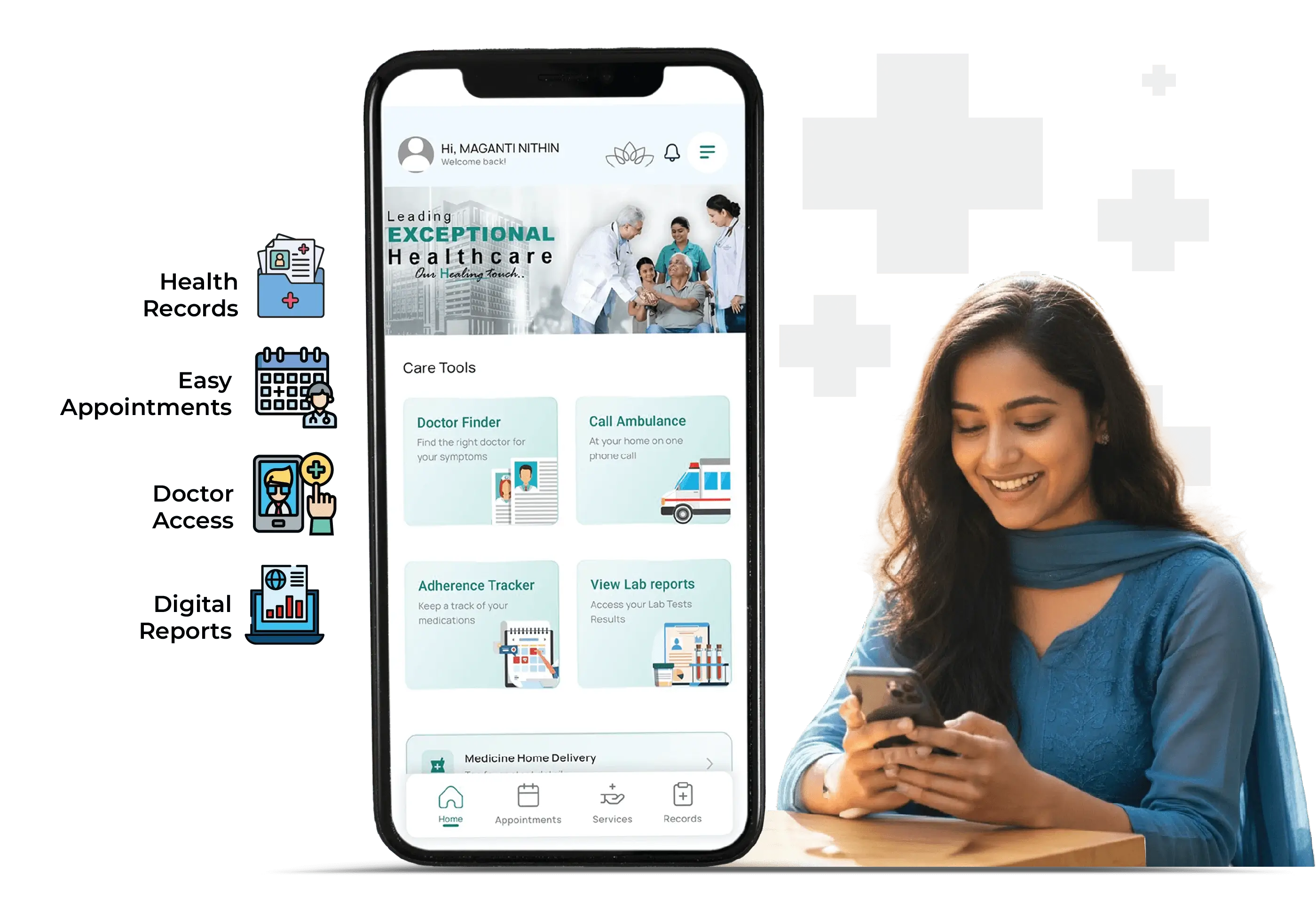
Stay connected with Continental Hospitals anytime, anywhere.
Download the app now
for faster, smarter, paperless healthcare
 Oncology
 Neurology
 Gastroenterology
 Bariatric Surgery
 Liver Transplant
 Urology
 Orthopedics
 Cardiology
 General Medicine
 Gynecology
 Pediatrics
 Pulmonology


 040 6700 0000
  040 6700 0111



 Doctor
 Symptoms & Speciality