.webp)


Causes of Cardiomyopathy Treatment
Description: Medications are often the first line of treatment for cardiomyopathy. These may include:
Benefits: Improve heart efficiency, reduce symptoms like fatigue and shortness of breath, and lower the risk of complications such as stroke or heart failure.
Description: When medication alone isn't enough, implantable devices help regulate the heart:
Benefits: Stabilize heart rhythm, improve survival rates, and enhance quality of life.
Description: In advanced cases, surgical interventions may be required:
Benefits: Provides relief from symptoms in advanced cases and may significantly improve life expectancy.
Before the Procedure
During the Procedure
After the Procedure


Cardiomyopathy is a disease of the heart muscle that affects its size, shape, and structure, leading to reduced heart function.
Common symptoms include fatigue, shortness of breath, chest pain, dizziness, and swelling in the legs or ankles.
Yes, with proper medical guidance and monitoring, cardiomyopathy treatment is generally safe and effective.
The cost varies depending on the treatment type, hospital, and patient's condition. Call 040 67000 070 for personalized cost details.
Factors include the treatment method, severity of the condition, hospital facilities, specialist experience, and duration of care.
You should consult a cardiologist or a heart failure specialist experienced in treating cardiomyopathy.
Treatment options include medications, implantable devices, lifestyle changes, and in severe cases, surgery or heart transplant.
Not always. Surgery is considered only in advanced cases where medications and other treatments are ineffective.
Yes, some medications may cause dizziness, fatigue, or digestive issues. Your doctor will monitor and adjust treatment as needed.
While it may not always be cured, it can be effectively managed with proper treatment and lifestyle changes.
Most insurance plans cover cardiomyopathy treatment, but coverage depends on your policy. Check with your provider.
Recovery time varies by patient and treatment type. Some patients see improvement in weeks; others may take longer.
Yes, many patients lead normal lives with proper management, regular checkups, and a healthy lifestyle.
Some types of cardiomyopathy are genetic. Family screening and genetic counseling may be recommended.
Patients are advised to eat heart-healthy food, exercise moderately, avoid alcohol/smoking, and reduce stress.
Yes, while more common in older adults, certain genetic types of cardiomyopathy can affect younger individuals.
Yes, regular follow-up visits are essential to monitor heart function and adjust treatment if needed.
If left untreated, cardiomyopathy can lead to heart failure, arrhythmias, stroke, or even sudden cardiac death.
Yes, cardiomyopathy can weaken the heart's ability to pump blood, increasing the risk of heart failure over time.
Look for board-certified cardiologists with experience in treating cardiomyopathy. You can also call 040 67000 070 for expert assistance.
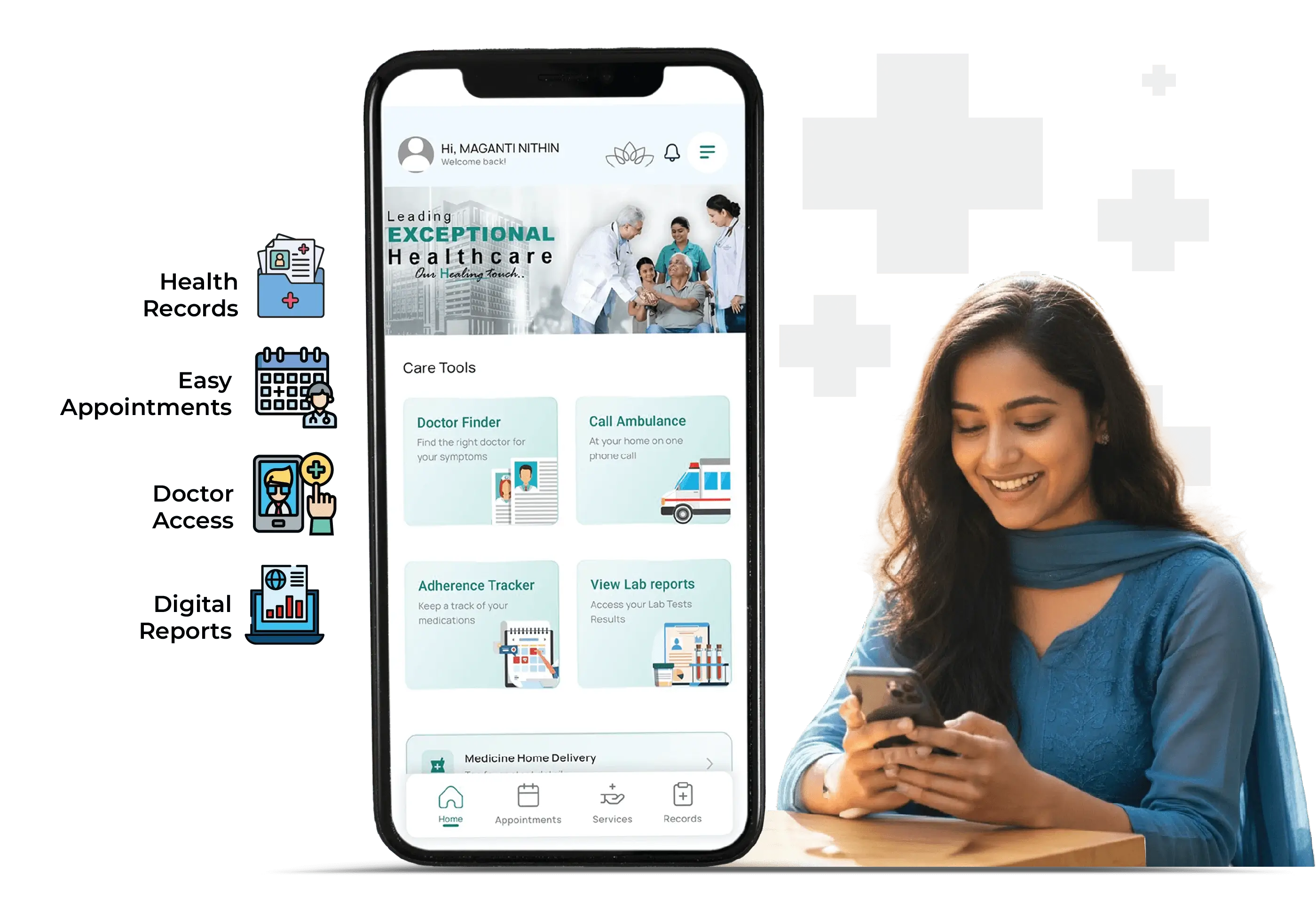
Stay connected with Continental Hospitals anytime, anywhere.
Download the app now
for faster, smarter, paperless healthcare
 Oncology
 Neurology
 Gastroenterology
 Bariatric Surgery
 Liver Transplant
 Urology
 Orthopedics
 Cardiology
 General Medicine
 Gynecology
 Pediatrics
 Pulmonology


 040 6700 0000
  040 6700 0111



 Doctor
 Symptoms & Speciality