.webp)


Causes of Cardiomyopathy Treatment
Medications are often the first line of treatment. These may include:
Lifestyle changes are critical in managing cardiomyopathy:
In advanced or specific types of cardiomyopathy, surgical options and cardiac devices may be recommended:
Before the Procedure
During the Procedure
After the Procedure


Cardiomyopathy is a disease of the heart muscle that makes it harder for your heart to pump blood to the rest of your body. It can lead to heart failure if not managed properly.
Yes, cardiomyopathy is treatable with medications, lifestyle changes, medical devices, or surgery depending on the type and severity of the condition.
Common symptoms include shortness of breath, fatigue, swelling in legs or ankles, irregular heartbeat, and dizziness.
The main types include dilated cardiomyopathy, hypertrophic cardiomyopathy, restrictive cardiomyopathy, and arrhythmogenic right ventricular cardiomyopathy.
It can be caused by genetic factors, high blood pressure, heart attacks, viral infections, alcohol abuse, or unknown reasons (idiopathic).
People with a family history of heart disease, high blood pressure, or other chronic illnesses are more prone to developing cardiomyopathy.
Some types, especially hypertrophic and dilated cardiomyopathy, can be inherited. Genetic testing may be recommended for families.
The best treatment depends on the type and severity. It may include medications, pacemakers, ICDs, lifestyle changes, or surgery.
Cardiomyopathy can be managed but not always cured. Early diagnosis and proper treatment can significantly improve the quality of life.
Diagnosis involves ECG, echocardiogram, cardiac MRI, blood tests, stress tests, and sometimes genetic testing.
If untreated, cardiomyopathy can lead to serious complications including heart failure, arrhythmias, or sudden cardiac death.
Yes, moderate exercise under medical supervision can help improve heart health, but intense activity should be avoided.
A low-sodium, heart-healthy diet rich in fruits, vegetables, and whole grains is recommended to manage cardiomyopathy.
An Implantable Cardioverter Defibrillator (ICD) monitors heart rhythm and delivers shocks to correct dangerous arrhythmias.
A heart transplant may be considered for patients with end-stage cardiomyopathy who do not respond to other treatments.
Recovery time varies depending on treatment type but often includes weeks to months of rehabilitation and follow-ups.
Yes, cardiomyopathy can occur in children due to genetic factors, infections, or other underlying conditions.
Yes, cardiomyopathy can weaken the heart muscle over time, leading to heart failure if left untreated.
Yes, excessive alcohol consumption can lead to alcoholic cardiomyopathy, a form of dilated cardiomyopathy.
Follow-up depends on the severity, but typically includes regular visits every 3 to 6 months or as advised by your cardiologist.
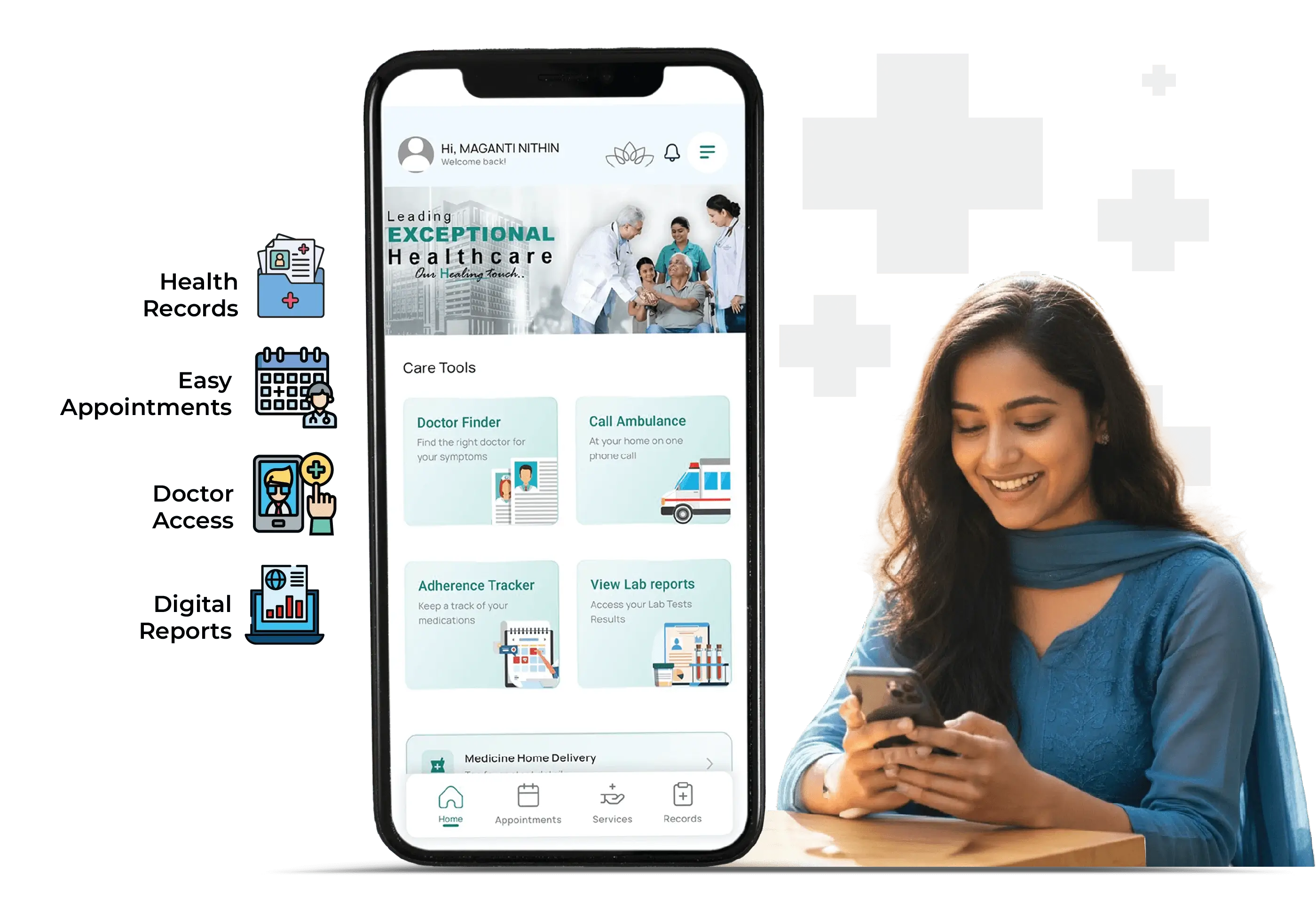
Stay connected with Continental Hospitals anytime, anywhere.
Download the app now
for faster, smarter, paperless healthcare
 Oncology
 Neurology
 Gastroenterology
 Bariatric Surgery
 Liver Transplant
 Urology
 Orthopedics
 Cardiology
 General Medicine
 Gynecology
 Pediatrics
 Pulmonology


 040 6700 0000
  040 6700 0111



 Doctor
 Symptoms & Speciality