.webp)


Causes of Congenital Heart Defects Treatment
 Medication Management
Catheter-Based Procedures (Interventional Cardiology)
Surgical Treatment
Heart Transplant
Hybrid Procedures
Medication Management
Catheter-Based Procedures (Interventional Cardiology)
Surgical Treatment
Heart Transplant
Hybrid Procedures
Description: Used to control symptoms and improve heart function. Common medications include:
Ideal For: Mild defects or as a temporary measure before surgery.
Description: Minimally invasive procedures done using a catheter inserted through blood vessels. Common examples:
Benefits: No large incisions, quicker recovery, minimal hospital stay.
Description: Open-heart surgery to correct complex or critical heart defects. Examples include:
Benefits: Permanent solution for complex defects; highly effective with modern surgical techniques.
Description: Recommended in cases of severe, unrepairable defects where the heart cannot function properly despite other treatments.
Criteria: Only for end-stage heart failure or complex, untreatable defects.
Description: A combination of surgical and catheter-based techniques, often used in newborns or high-risk patients.
Benefits: Less invasive than traditional surgery, tailored for fragile infants.
Before the Procedure
During the Procedure
After the Procedure


Congenital heart defects treatment involves medical, interventional, or surgical methods to correct or manage structural problems in the heart present from birth.
Yes, with advances in medical technology and experienced specialists, the treatment for congenital heart defects is generally safe and effective.
The cost varies based on the type of treatment required, ranging from medication and catheter procedures to major surgeries. Call 040 67000 070 for an exact estimate.
Treatments include medication, catheter-based procedures, surgery, heart transplant, and hybrid procedures.
Yes, some minor defects can be treated with medications or catheter-based interventions without the need for surgery.
Recovery varies depending on the procedure, but most patients can return to normal activities within a few weeks to a few months.
Yes, adults with untreated or newly diagnosed congenital heart defects can receive treatment based on their condition.
Congenital heart defects are typically caused by genetic factors, maternal health issues, or unknown reasons during fetal development.
While not all congenital heart defects can be prevented, good prenatal care and avoiding harmful substances during pregnancy can reduce risk.
Some congenital heart defects have a genetic link and can run in families, though not all are hereditary.
No, not all defects require surgery. Some can be managed with medication or non-invasive procedures.
It's a minimally invasive treatment where a catheter is inserted into the blood vessels to repair heart defects without open surgery.
Side effects depend on the treatment but may include fatigue, infection risk, or medication reactions, which are usually manageable.
Yes, many children with treated congenital heart defects can live full, active lives with regular follow-up care.
The success rate is very high, especially when performed by experienced surgeons using advanced techniques.
The surgeon opens the chest to access and repair the heart defect under general anesthesia, using patches, valves, or rerouting blood flow as needed.
Patients need regular checkups, heart monitoring, and sometimes lifelong medication or activity restrictions.
Yes, adults diagnosed later in life can benefit from treatment and significantly improve their heart function and quality of life.
Congenital defects are present at birth, while acquired defects develop later due to disease or lifestyle factors.
Look for experienced cardiologists or cardiothoracic surgeons with strong patient reviews, affiliations with reputed hospitals, and advanced treatment facilities.
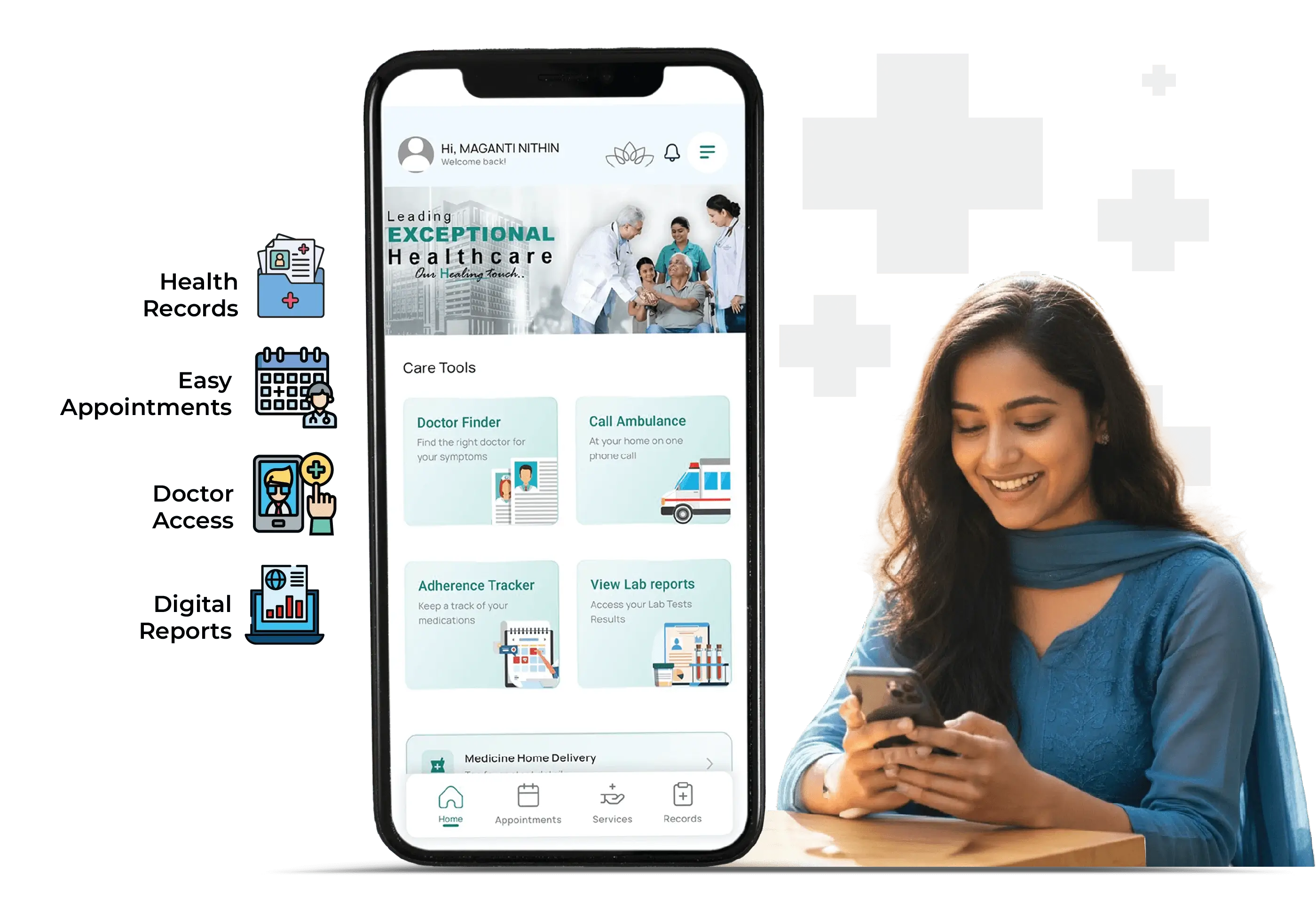
Stay connected with Continental Hospitals anytime, anywhere.
Download the app now
for faster, smarter, paperless healthcare
 Oncology
 Neurology
 Gastroenterology
 Bariatric Surgery
 Liver Transplant
 Urology
 Orthopedics
 Cardiology
 General Medicine
 Gynecology
 Pediatrics
 Pulmonology


 040 6700 0000
  040 6700 0111


 Doctor
 Symptoms & Speciality