.webp)


Causes of Congenital Heart Defects Treatment
 Medication Management
Catheter-Based Procedures (Interventional Cardiology)
Open-Heart Surgery
Heart Transplant
Hybrid Procedures
Lifestyle and Long-Term Monitoring
Medication Management
Catheter-Based Procedures (Interventional Cardiology)
Open-Heart Surgery
Heart Transplant
Hybrid Procedures
Lifestyle and Long-Term Monitoring
Certain congenital heart defects can be managed with medications that help the heart work more efficiently, control abnormal heart rhythms, and reduce symptoms.
Minimally invasive techniques performed using a catheter inserted through a blood vessel to correct heart defects.
Traditional surgery where the chest is opened and the heart is directly operated on to repair complex defects.
In rare cases, when the heart is too damaged or the defect is beyond repair, a transplant may be necessary.
A combination of surgical and catheter-based techniques used especially in newborns or high-risk infants.
Includes cardiac rehabilitation, diet modifications, and regular echocardiograms or MRIs to monitor the heart's function over time.
Before the Procedure
During the Procedure
After the Procedure


Congenital heart defects are structural abnormalities in the heart present from birth, affecting how blood flows through the heart and body.
Yes, with advancements in medical technology and experienced specialists, most congenital heart defect treatments are safe and effective.
Treatment types include medication, catheter-based procedures, open-heart surgery, hybrid procedures, and heart transplantation in severe cases.
The cost ranges from ₹10,000 for medications to ₹10,00,000+ for complex surgeries. It depends on the defect type and treatment method.
Recovery time varies by procedure but typically ranges from a few weeks to several months, with follow-up care and monitoring required.
Many defects can be corrected or managed effectively with surgery or intervention, allowing patients to lead healthy lives.
No, minor defects may only require monitoring or medication. Surgery is typically needed for more complex or life-threatening conditions.
Yes, adults with undiagnosed or previously treated congenital heart defects can undergo treatment or revision surgeries if needed.
Symptoms include poor feeding, rapid breathing, fatigue, blue-tinted skin, and poor weight gain in infants, and shortness of breath in older patients.
Some congenital heart defects may have a genetic link or occur due to environmental factors during pregnancy.
Diagnosis is done using echocardiograms, ECG, chest X-rays, MRI, and sometimes cardiac catheterization.
Yes, fetal echocardiograms during pregnancy can detect some congenital heart defects before the baby is born.
Yes, most health insurance plans cover diagnosis and treatment for congenital heart defects, including surgeries and follow-ups.
Top pediatric cardiologists and cardiac surgeons at leading hospitals in Hyderabad specialize in treating congenital heart defects.
If untreated, CHDs can lead to heart failure, arrhythmias, developmental delays, and other complications.
Surgery is often performed in infancy or early childhood, but timing depends on the severity and type of defect.
All surgeries carry risks, such as bleeding or infection, but CHD surgeries are generally safe with experienced teams and modern equipment.
Success rates are high, often exceeding 90% for many procedures, especially when treated early and by experienced specialists.
Yes, most children can lead active and healthy lives after treatment, with regular follow-ups to ensure heart health.
Congenital heart disease is present at birth, while acquired heart disease develops later due to infections, lifestyle, or other conditions.
Choose a hospital with pediatric cardiology specialists, modern technology, surgical expertise, and positive patient outcomes.
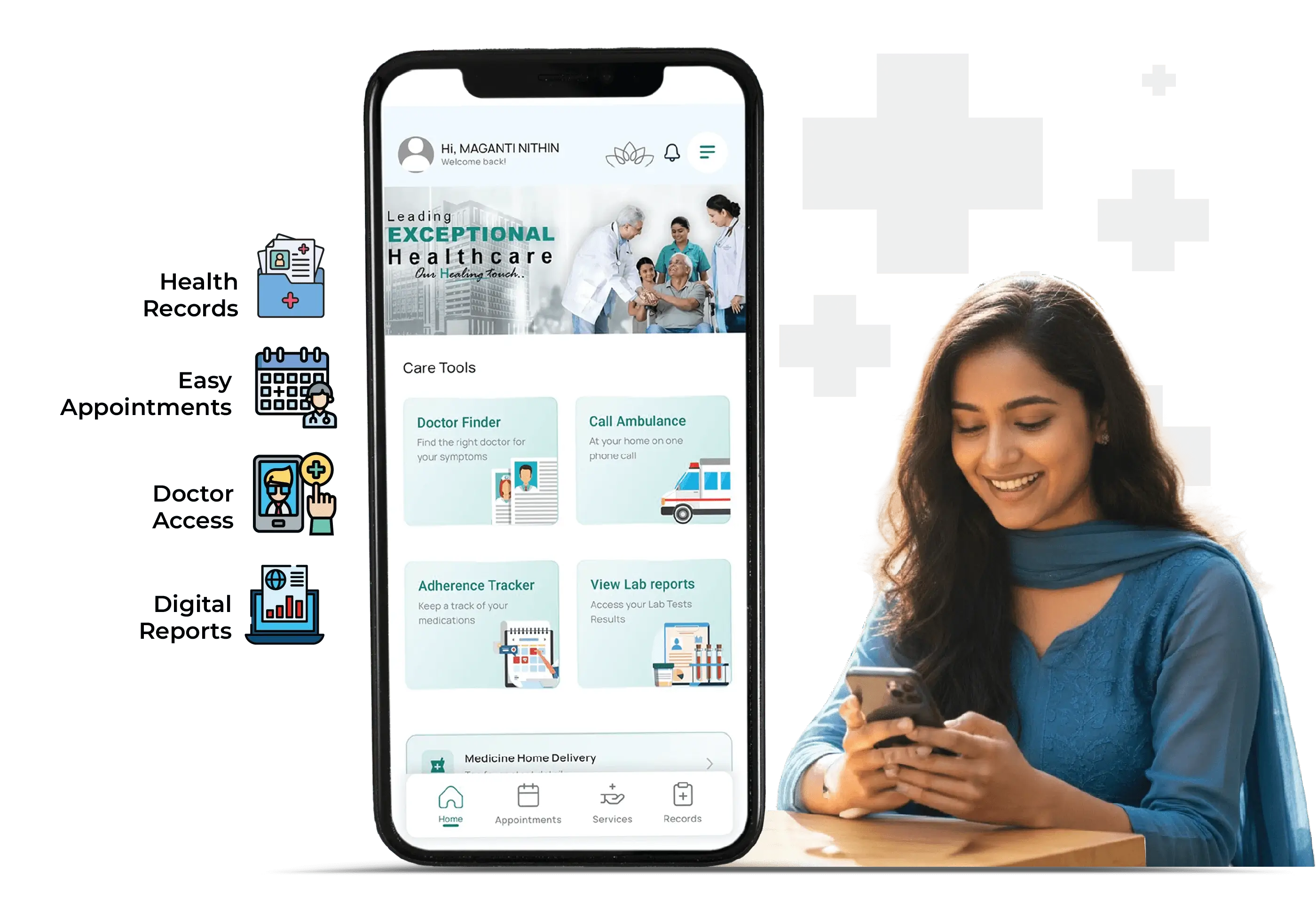
Stay connected with Continental Hospitals anytime, anywhere.
Download the app now
for faster, smarter, paperless healthcare
 Oncology
 Neurology
 Gastroenterology
 Bariatric Surgery
 Liver Transplant
 Urology
 Orthopedics
 Cardiology
 General Medicine
 Gynecology
 Pediatrics
 Pulmonology


 040 6700 0000
  040 6700 0111


 Doctor
 Symptoms & Speciality