.webp)


Causes of Coronary Artery Disease Treatment
 Lifestyle Modifications
Medications
Angioplasty and Stent Placement
Coronary Artery Bypass Grafting (CABG)
Enhanced External Counterpulsation (EECP)
Cardiac Rehabilitation
Lifestyle Modifications
Medications
Angioplasty and Stent Placement
Coronary Artery Bypass Grafting (CABG)
Enhanced External Counterpulsation (EECP)
Cardiac Rehabilitation
Lifestyle changes are the first line of defense against coronary artery disease. These include:
Medications are used to manage symptoms and prevent further plaque buildup.
A minimally invasive procedure where a catheter is used to open narrowed coronary arteries.
A surgical procedure used for severe blockages.
A non-invasive treatment for patients with angina not controlled by other methods.
A structured program combining:
Before the Procedure
During the Procedure
After the Procedure


Coronary Artery Disease (CAD) is a condition where plaque builds up in the coronary arteries, restricting blood flow to the heart muscle and potentially leading to heart attacks.
Common symptoms include chest pain (angina), shortness of breath, fatigue, dizziness, and sometimes no symptoms until a heart attack occurs.
Yes, CAD can be managed through lifestyle changes, medications, and surgical procedures such as angioplasty or bypass surgery depending on severity.
Major risk factors include smoking, high blood pressure, high cholesterol, diabetes, obesity, poor diet, lack of exercise, and family history of heart disease.
Diagnosis typically involves ECG, stress testing, echocardiogram, cardiac CT, or coronary angiography.
Angioplasty is a minimally invasive procedure to open blocked coronary arteries using a balloon and often placing a stent to keep the artery open.
Bypass surgery, or CABG, involves grafting a healthy blood vessel to bypass a blocked coronary artery and improve blood flow to the heart.
Yes, through a heart-healthy diet, regular exercise, quitting smoking, controlling blood pressure and cholesterol, and managing stress.
Most patients recover within a few days and can return to normal activities within a week, depending on their overall health.
Side effects vary by treatment and may include bleeding, infection, allergic reactions, or restenosis (re-narrowing of the artery).
Yes, with proper screening and performed by experienced specialists, CAD treatments are generally safe and effective.
Common medications include statins, beta-blockers, ACE inhibitors, antiplatelets (like aspirin), and nitroglycerin for angina relief.
Yes, under medical guidance. Cardiac rehabilitation programs help patients exercise safely and improve heart health.
Family history of heart disease increases the risk of CAD, but lifestyle modifications can help reduce this risk.
Depending on the procedure and recovery, most patients return to work within 1-4 weeks. Your doctor will provide personalized guidance.
Enhanced External Counterpulsation (EECP) is a non-invasive treatment that improves blood flow to the heart and helps reduce angina symptoms.
No, many cases can be managed with lifestyle changes and medications. Surgery is considered for severe blockages or unresponsive symptoms.
Yes, women may experience less typical symptoms like fatigue, nausea, shortness of breath, or back pain rather than chest pain.
While lifestyle changes and a heart-healthy diet are beneficial, natural remedies should not replace prescribed medications or procedures.
Look for board-certified cardiologists with experience in CAD treatment, positive patient reviews, and access to advanced cardiac facilities.
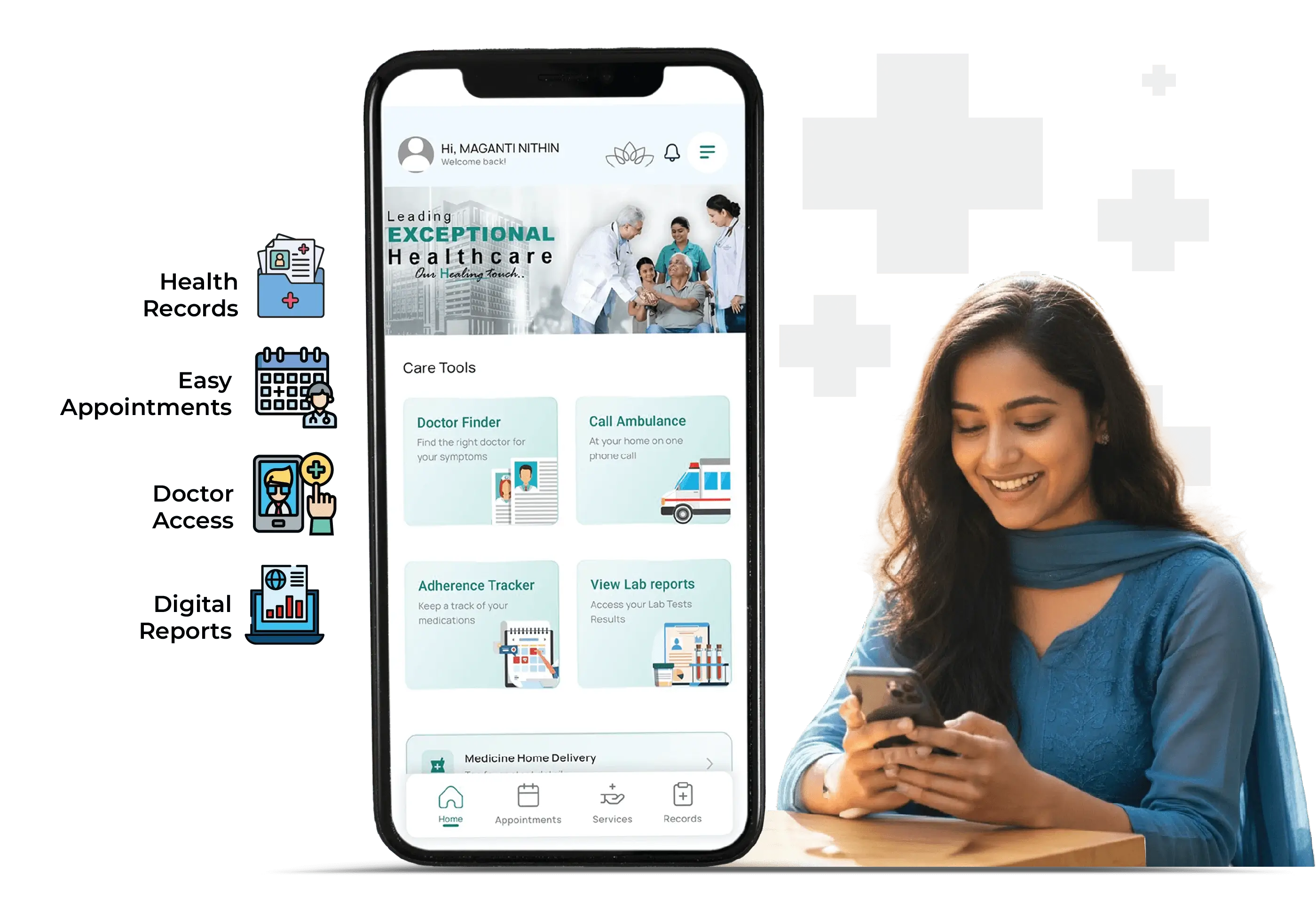
Stay connected with Continental Hospitals anytime, anywhere.
Download the app now
for faster, smarter, paperless healthcare
 Oncology
 Neurology
 Gastroenterology
 Bariatric Surgery
 Liver Transplant
 Urology
 Orthopedics
 Cardiology
 General Medicine
 Gynecology
 Pediatrics
 Pulmonology


 040 6700 0000
  040 6700 0111



 Doctor
 Symptoms & Speciality