.webp)


Causes of Endocarditis Treatment
 Intravenous (IV) Antibiotic Therapy
Surgical Valve Repair or Replacement
Drainage of Abscesses or Removal of Infected Tissue
Management of Underlying Conditions
Long-Term Follow-Up and Monitoring
Intravenous (IV) Antibiotic Therapy
Surgical Valve Repair or Replacement
Drainage of Abscesses or Removal of Infected Tissue
Management of Underlying Conditions
Long-Term Follow-Up and Monitoring
This is the first line of treatment for most cases of endocarditis. High-dose antibiotics are administered through a vein, usually over a period of 2 to 6 weeks, to effectively clear the infection from the heart valves and bloodstream.
In severe cases or when antibiotic therapy is not sufficient, surgery may be required to repair or replace the damaged heart valves. This can involve mechanical or tissue (bioprosthetic) valve replacement, depending on the patient's condition.
If the infection has led to abscess formation or other complications around the heart, surgery may be needed to drain the infected area and remove damaged tissues to prevent further complications.
Patients with prosthetic heart valves, congenital heart defects, or compromised immunity often require additional treatment strategies to manage the underlying health issues contributing to the risk or recurrence of endocarditis.
After active treatment, patients need regular follow-ups to monitor heart function, ensure no recurrence of infection, and evaluate the effectiveness of surgical interventions if any were performed.
Before the Procedure
During the Procedure
After the Procedure


Endocarditis is an infection of the inner lining of the heart chambers and valves, typically caused by bacteria entering the bloodstream.
Yes, if left untreated, endocarditis can cause severe damage to heart valves and may become life-threatening.
Common symptoms include fever, chills, fatigue, muscle aches, night sweats, shortness of breath, and a new or changed heart murmur.
Diagnosis is usually based on blood tests, echocardiogram (ECHO), and sometimes transesophageal echocardiography (TEE).
The main treatment is high-dose intravenous antibiotics administered over several weeks, often in a hospital setting.
Surgery may be necessary if the infection doesn't respond to antibiotics or causes severe valve damage or heart failure.
Treatment typically lasts between 2 to 6 weeks, depending on the severity and response to antibiotics.
No, endocarditis is not contagious. However, bacteria causing the infection can enter the bloodstream through dental procedures or surgeries.
Some patients may continue antibiotic therapy at home via outpatient IV therapy if they are stable and show improvement.
Yes, individuals who have had endocarditis once are at higher risk of recurrence, especially if underlying heart conditions persist.
Possible side effects include allergic reactions to antibiotics, vein inflammation, and gastrointestinal disturbances.
Yes, bacteria from dental procedures can enter the bloodstream and may lead to endocarditis, particularly in people with heart valve issues.
Yes, people with prosthetic heart valves are at increased risk for developing endocarditis.
Yes, taking antibiotics before certain dental or surgical procedures can help prevent it, especially in high-risk individuals.
Untreated endocarditis can lead to heart valve damage, stroke, heart failure, and can even be fatal.
Many patients feel better within a few days of starting antibiotics, though full recovery takes weeks.
Yes, though it is rare, children—especially those with congenital heart defects—can develop endocarditis.
You should follow a heart-healthy diet, avoid tobacco, practice good dental hygiene, and attend all follow-up appointments.
In some cases, yes—especially if the infection severely damages the heart valves or other structures before treatment begins.
Hyderabad has many qualified cardiologists and infectious disease specialists experienced in treating complex cases of endocarditis with a multidisciplinary approach.
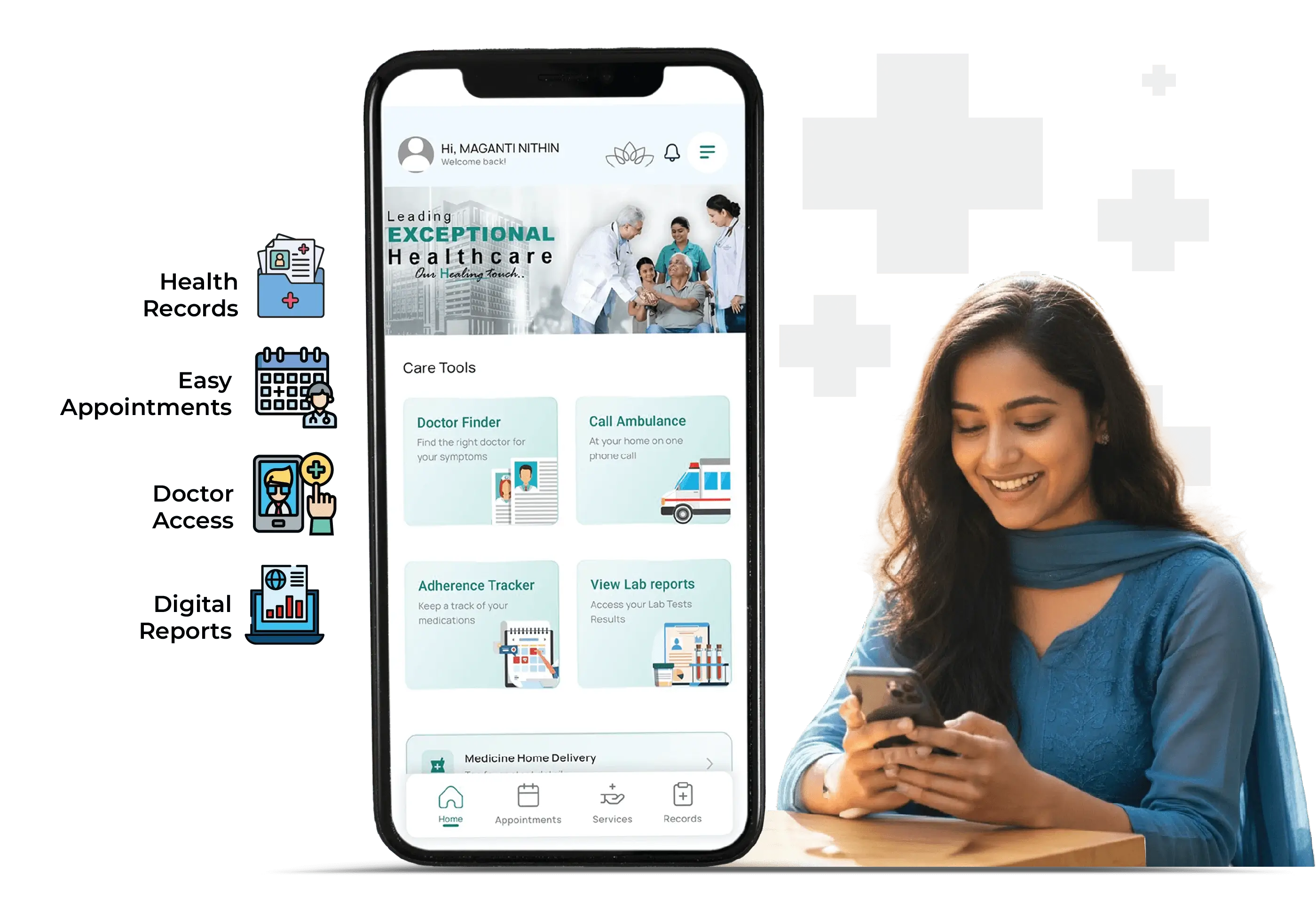
Stay connected with Continental Hospitals anytime, anywhere.
Download the app now
for faster, smarter, paperless healthcare
 Oncology
 Neurology
 Gastroenterology
 Bariatric Surgery
 Liver Transplant
 Urology
 Orthopedics
 Cardiology
 General Medicine
 Gynecology
 Pediatrics
 Pulmonology


 040 6700 0000
  040 6700 0111



 Doctor
 Symptoms & Speciality