.webp)


Causes of Ovarian Cancer Treatment
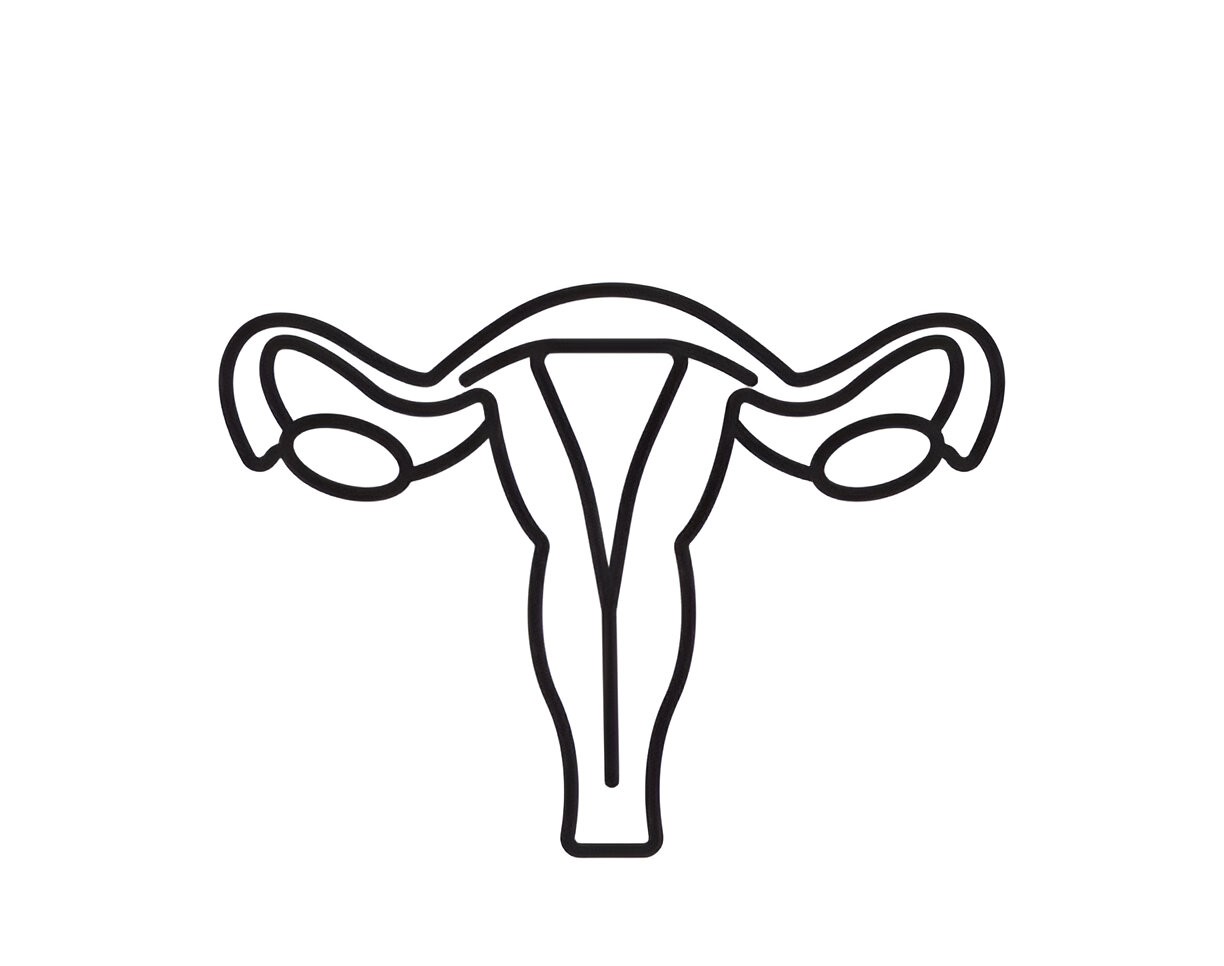
Surgical treatment is often the first step in managing ovarian cancer. It involves removing one or both ovaries, fallopian tubes, the uterus, and nearby lymph nodes depending on how far the cancer has spread. The goal is to remove as much of the tumor as possible (debulking surgery).
Chemotherapy uses powerful drugs to destroy cancer cells and prevent recurrence. It is typically used after surgery to kill any remaining cancer cells or before surgery to shrink tumors. Chemo can be given intravenously or directly into the abdomen (intraperitoneal chemotherapy).
This approach involves drugs that specifically target cancer cells without affecting healthy cells. For example, PARP inhibitors are often used in patients with BRCA mutations. It’s a personalized treatment option based on genetic testing.
Used less commonly, hormone therapy blocks estrogen that may help certain ovarian cancer cells grow. It is especially effective in treating stromal tumors and for patients who cannot undergo surgery or chemotherapy.
Radiation uses high-energy rays to kill cancer cells. While not a standard treatment for ovarian cancer, it may be used in certain cases, especially when cancer has spread or returned after initial treatment.
This emerging therapy boosts the body's immune system to fight cancer cells. It is still under research but may be available through clinical trials for select patients.
Before the Procedure
During the Procedure
After the Procedure


Surgery followed by chemotherapy is considered the most effective treatment for ovarian cancer, depending on the stage and type.
While the treatment itself isn't typically painful, some side effects like fatigue, nausea, and surgical discomfort may occur.
Ovarian cancer can be cured if detected early and treated promptly. However, advanced stages may require long-term management.
Treatment duration varies, but typically ranges from 3 to 6 months, depending on the stage and response to therapy.
Common side effects include nausea, hair loss, fatigue, infection risk, and anemia.
Surgery is often the first line of treatment, especially in early stages, but some patients may receive chemo first to shrink tumors.
The main types are epithelial tumors, germ cell tumors, and stromal tumors.
Yes, ovarian cancer has a risk of recurrence, which is why regular follow-up is essential.
Early symptoms include bloating, pelvic pain, frequent urination, and changes in appetite or menstruation.
Diagnosis typically involves pelvic exams, ultrasounds, CT scans, blood tests like CA-125, and biopsy during surgery.
Yes, BRCA1 and BRCA2 gene mutations increase the risk of ovarian cancer, making genetic counseling important.
Targeted therapy uses drugs that specifically attack cancer cells, such as PARP inhibitors for BRCA-mutated cancers.
The cost varies based on hospital, location, and treatment plan, typically ranging from ₹2,50,000 to ₹10,00,000.
Yes, treatment may affect fertility, especially if both ovaries are removed. Fertility preservation options are available.
While some complementary therapies can help manage symptoms, evidence-based treatments like surgery and chemo are essential.
Some patients are able to work part-time, but it depends on treatment side effects and overall health condition.
Healthy diet, regular gentle exercise, adequate sleep, and stress management can all support recovery and wellbeing.
Yes, it's more common in women over 50, but can occur in younger women as well, especially with genetic risk factors.
Follow-ups are usually every 3 to 6 months for the first few years, then annually depending on the case.
Yes, clinical trials may offer access to new treatments and are an option for eligible patients seeking alternatives.
Most health insurance plans cover ovarian cancer treatment, including surgery, chemo, and hospital stays. Check with your provider for details.
Stay connected with Continental Hospitals anytime, anywhere.
Download the app now
for faster, smarter, paperless healthcare

 Oncology
 Neurology
 Gastroenterology
 Bariatric Surgery
 Liver Transplant
 Urology
 Orthopedics
 Cardiology
 General Medicine
 Gynecology
 Pediatrics
 Pulmonology


 040 6700 0000
  040 6700 0111

 Doctor
 Symptoms & Speciality