.webp)


Helicobacter pylori (H. pylori) Infection – A bacterial infection that weakens the stomach lining, making it vulnerable to acid damage.
Long-term Use of NSAIDs – Frequent use of nonsteroidal anti-inflammatory drugs (NSAIDs) like ibuprofen and aspirin can erode the stomach lining.
Excess Stomach Acid Production – Conditions like Zollinger-Ellison syndrome or high stress levels can increase acid production, leading to ulcers.
Smoking and Alcohol Consumption – Smoking reduces the stomach’s ability to heal, while alcohol irritates the stomach lining, increasing ulcer risk.
Poor Dietary and Lifestyle Habits – Skipping meals, consuming spicy foods, and high caffeine intake can contribute to ulcer formation, though they are not direct causes.
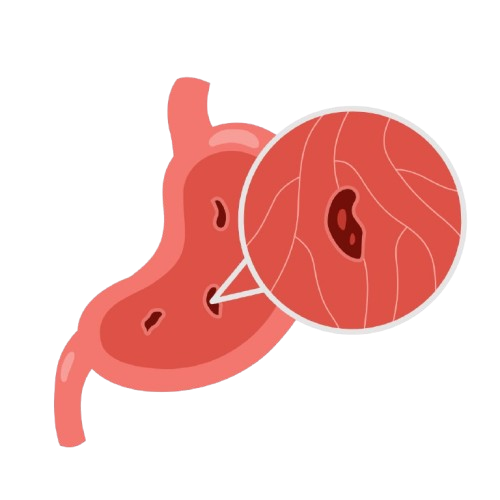 Medications to Reduce Stomach Acid
Antibiotics for H. pylori Infection
Surgical Treatment (Severe Cases)
Lifestyle and Dietary Changes
Medications to Reduce Stomach Acid
Antibiotics for H. pylori Infection
Surgical Treatment (Severe Cases)
Lifestyle and Dietary Changes
Proton Pump Inhibitors (PPIs) like omeprazole and lansoprazole
H2-receptor blockers like ranitidine and famotidine
Antacids for temporary relief
Combination therapy with two or more antibiotics (e.g., amoxicillin, clarithromycin, metronidazole)
Used alongside PPIs to eradicate Helicobacter pylori
Vagotomy (cutting nerves that stimulate acid production)
Partial gastrectomy (removal of part of the stomach)
Pyloroplasty (widening of the pyloric canal for better digestion)
Avoiding spicy, acidic, and fried foods
Reducing alcohol, caffeine, and smoking
Managing stress through relaxation techniques
Before the Procedure:
During the Procedure:
After the Procedure:


Yes, Peptic Ulcer treatments are generally safe when performed by experienced specialists. Medications and lifestyle changes are effective in healing the ulcer.
Treatment duration varies depending on the severity of the ulcer. Medication therapy can take a few weeks, while surgery may take longer for recovery.
Peptic Ulcer treatment is generally painless. However, some procedures may involve minor discomfort or post-treatment symptoms.
Most patients can return to work after a few days of rest, especially if treatment was medication-based. Post-surgery recovery may take longer.
Some patients may experience mild side effects such as nausea, stomach discomfort, or fatigue from medications. Consult your doctor for guidance.
Results can vary depending on the treatment. Medication therapy shows improvement within 2-4 weeks, while surgery may take longer.
Yes, Peptic Ulcer treatment is effective for both mild and severe ulcers. Severe cases may require more intensive treatment, including surgery.
Stay connected with Continental Hospitals anytime, anywhere.
Download the app now
for faster, smarter, paperless healthcare

 Oncology
 Neurology
 Gastroenterology
 Bariatric Surgery
 Liver Transplant
 Urology
 Orthopedics
 Cardiology
 General Medicine
 Gynecology
 Pediatrics
 Pulmonology


 040 6700 0000
  040 6700 0111



 Doctor
 Symptoms & Speciality