.webp)


Causes of Spine Treatment
Before the Procedure
During the Procedure
After the Procedure


Yes, most spine treatments are safe when performed by qualified specialists. Non-surgical and minimally invasive procedures have low risks and high success rates.
Spine treatments include physical therapy, medications, spinal injections, chiropractic care, and surgeries like discectomy, laminectomy, and spinal fusion.
Results vary based on the treatment type. Physical therapy may take weeks, while injections or surgeries can offer faster relief in a few days to weeks.
Non-surgical treatments are generally painless. Surgical treatments may cause temporary discomfort, which is managed with medications and post-operative care.
Yes, many patients resume work within a few days for non-surgical procedures. Surgical recovery may take a few weeks, depending on the complexity.
Mild side effects may include temporary soreness, stiffness, or swelling. Serious complications are rare when treatment is properly performed.
Anyone experiencing chronic back pain, herniated discs, sciatica, or spinal injuries may be eligible. A consultation is required to assess the best approach.
No, surgery is considered only when conservative methods fail. Most spine issues are managed successfully with non-surgical treatments.
Spinal decompression is a non-surgical method that relieves pressure on spinal discs using traction techniques.
Yes, treatments like physical therapy, nerve blocks, and surgery can effectively relieve sciatic nerve pain.
Costs vary depending on the type of treatment, diagnostic tests, and specialist fees. It's best to consult for a personalized quote.
Look for board-certified orthopedic or neurosurgeons with experience in spine care, patient reviews, and hospital affiliations.
Many spine treatments are covered under insurance, especially if deemed medically necessary. Check with your provider for details.
Recovery typically ranges from a few weeks to a few months, depending on the procedure and individual health.
Yes, most spine problems are first treated with non-surgical methods like therapy, medication, and lifestyle changes.
Spine treatment is suitable for most age groups. However, treatment type may vary for children, adults, and seniors.
Avoid heavy lifting, high-impact activities, and poor posture. Follow your specialist’s aftercare instructions strictly.
Low-impact exercises may be resumed within days after non-surgical treatments. Post-surgery exercise depends on healing progress.
Yes, physical therapy is often part of the recovery plan to restore strength, flexibility, and mobility.
Yes, ignoring spinal issues can worsen the condition, causing chronic pain, nerve damage, and mobility loss.
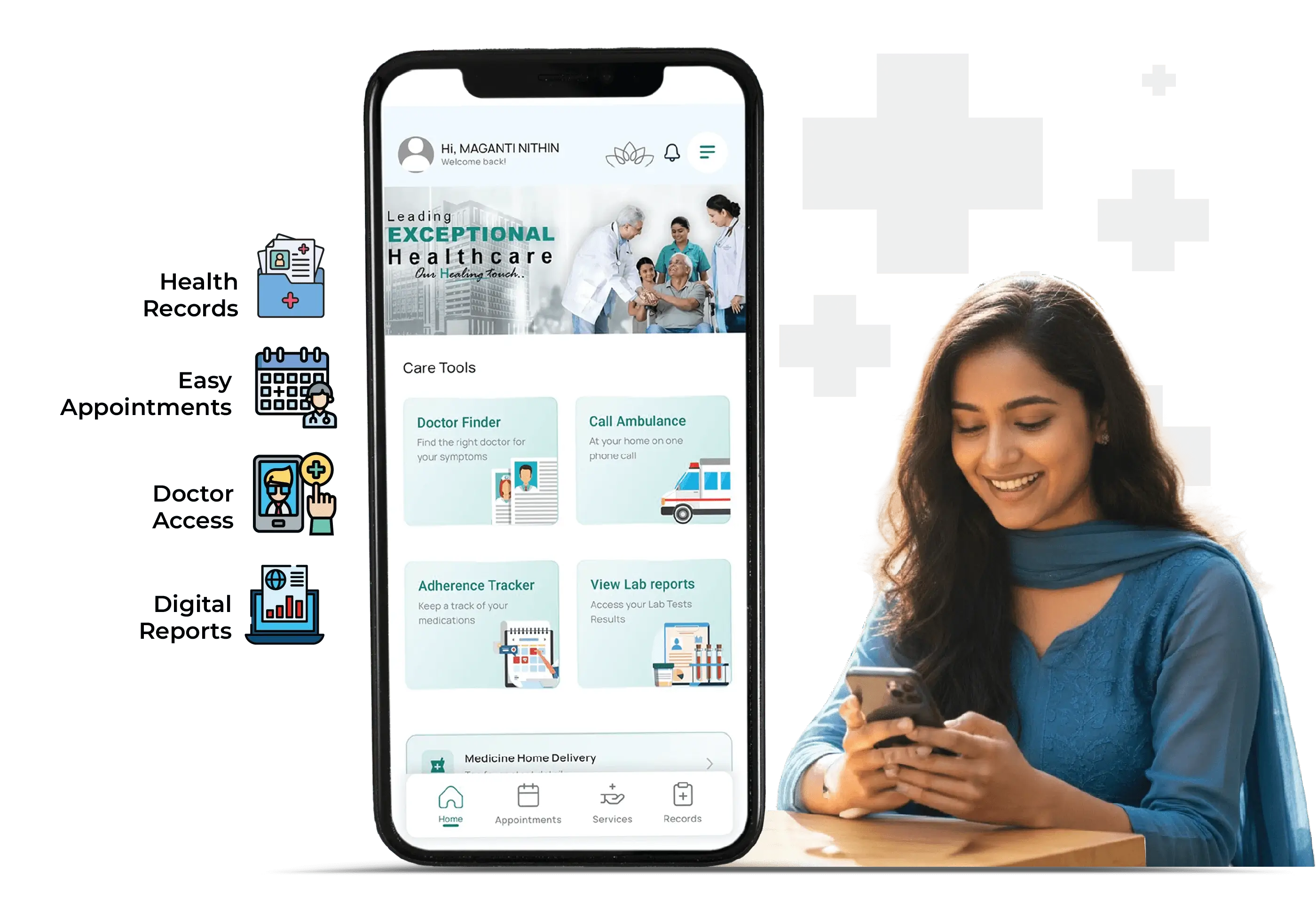
Stay connected with Continental Hospitals anytime, anywhere.
Download the app now
for faster, smarter, paperless healthcare
 Oncology
 Neurology
 Gastroenterology
 Bariatric Surgery
 Liver Transplant
 Urology
 Orthopedics
 Cardiology
 General Medicine
 Gynecology
 Pediatrics
 Pulmonology


 040 6700 0000
  040 6700 0111


 Doctor
 Symptoms & Speciality