.webp)


Causes of Stomach Cancer Treatment
 Surgery
Chemotherapy
Radiation Therapy
Targeted Therapy
Immunotherapy
Palliative Care & Supportive Treatments
Surgery
Chemotherapy
Radiation Therapy
Targeted Therapy
Immunotherapy
Palliative Care & Supportive Treatments
Surgical removal of the tumor is one of the most effective treatments, especially in the early stages.
Uses powerful drugs to kill cancer cells or slow their growth. It is often used before (neoadjuvant) or after (adjuvant) surgery.
Common drugs: 5-FU, Cisplatin, Oxaliplatin, Capecitabine
High-energy X-rays or proton beams destroy cancer cells. Often used in combination with surgery or chemotherapy.
Uses specialized drugs that attack cancer cells based on their unique genetic markers.
Boosts the body's immune system to recognize and attack stomach cancer cells.
For advanced-stage stomach cancer, treatments focus on relieving symptoms and improving quality of life.
Before the Procedure
During the Procedure
After the Procedure


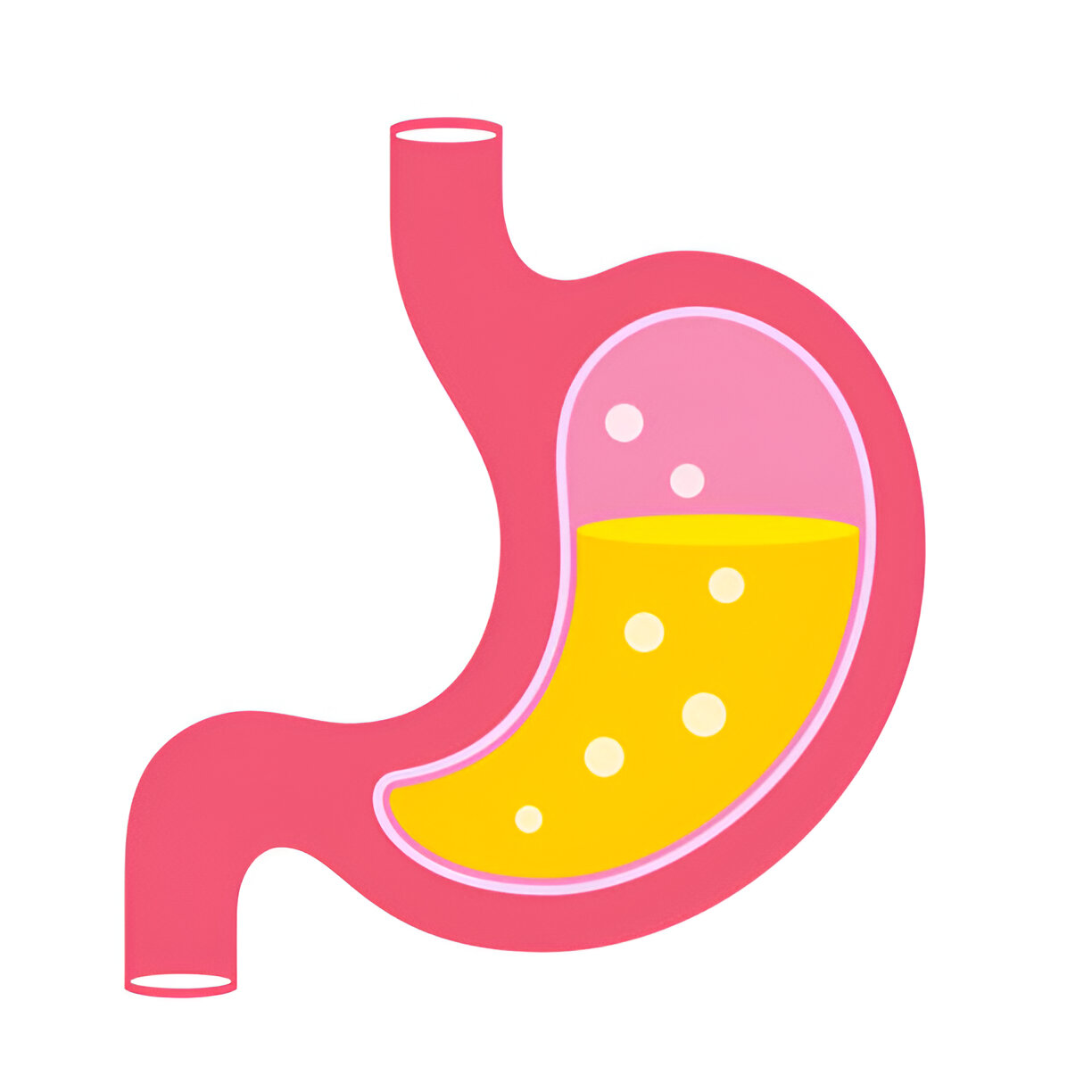
Stomach cancer treatment includes surgery, chemotherapy, radiation therapy, targeted therapy, and immunotherapy, depending on the stage and severity of the cancer.
Early symptoms may include indigestion, bloating, nausea, loss of appetite, and mild stomach discomfort.
Stomach cancer can be treated successfully if detected early, with surgery offering the best chance of a cure.
The most effective treatment depends on the stage of cancer, but surgery combined with chemotherapy and radiation therapy is often used.
The duration varies, but treatment can take several months, including surgery, chemotherapy, and recovery time.
Some treatments, like surgery and chemotherapy, may cause discomfort, but pain management options are available.
After treatment, dietary changes may be required, and a nutritionist can help with meal planning.
Common side effects include fatigue, nausea, weight loss, and changes in digestion.
The cost varies based on treatment type, hospital, and location. Consult a specialist for an accurate estimate.
Yes, there is a chance of recurrence, but regular follow-ups and a healthy lifestyle can help reduce the risk.
Chemotherapy is commonly used, but its necessity depends on the cancer stage and individual case.
Targeted therapy uses drugs that specifically attack cancer cells while minimizing damage to healthy cells.
Yes, a healthy diet, avoiding smoking, and reducing alcohol intake can lower the risk of stomach cancer.
Yes, radiation therapy may be used to shrink tumors before surgery or relieve symptoms in advanced cases.
Risk factors include a family history of stomach cancer, Helicobacter pylori infection, smoking, and a diet high in processed foods.
Yes, endoscopy, biopsy, and imaging tests can help detect stomach cancer at an early stage.
Avoid spicy, acidic, and processed foods, as well as alcohol and excessive sugar.
Yes, stomach cancer can metastasize to the liver, lungs, and lymph nodes.
Offer emotional support, help with meals, accompany them to appointments, and encourage them to follow their treatment plan.
Survival rates depend on the stage at diagnosis. Early-stage stomach cancer has a higher survival rate compared to advanced stages.
Stay connected with Continental Hospitals anytime, anywhere.
Download the app now
for faster, smarter, paperless healthcare

 Oncology
 Neurology
 Gastroenterology
 Bariatric Surgery
 Liver Transplant
 Urology
 Orthopedics
 Cardiology
 General Medicine
 Gynecology
 Pediatrics
 Pulmonology


 040 6700 0000
  040 6700 0111

 Doctor
 Symptoms & Speciality