.webp)


Causes of Valvular Heart Disease Treatment
Medications are often the first line of treatment, especially in mild to moderate valvular heart disease. These don’t fix the valve itself but help manage symptoms and prevent complications.
These are catheter-based techniques used to repair or replace the valve without open-heart surgery.
Surgery may be required in moderate to severe cases to restore normal valve function.
Before the Procedure
During the Procedure
After the Procedure


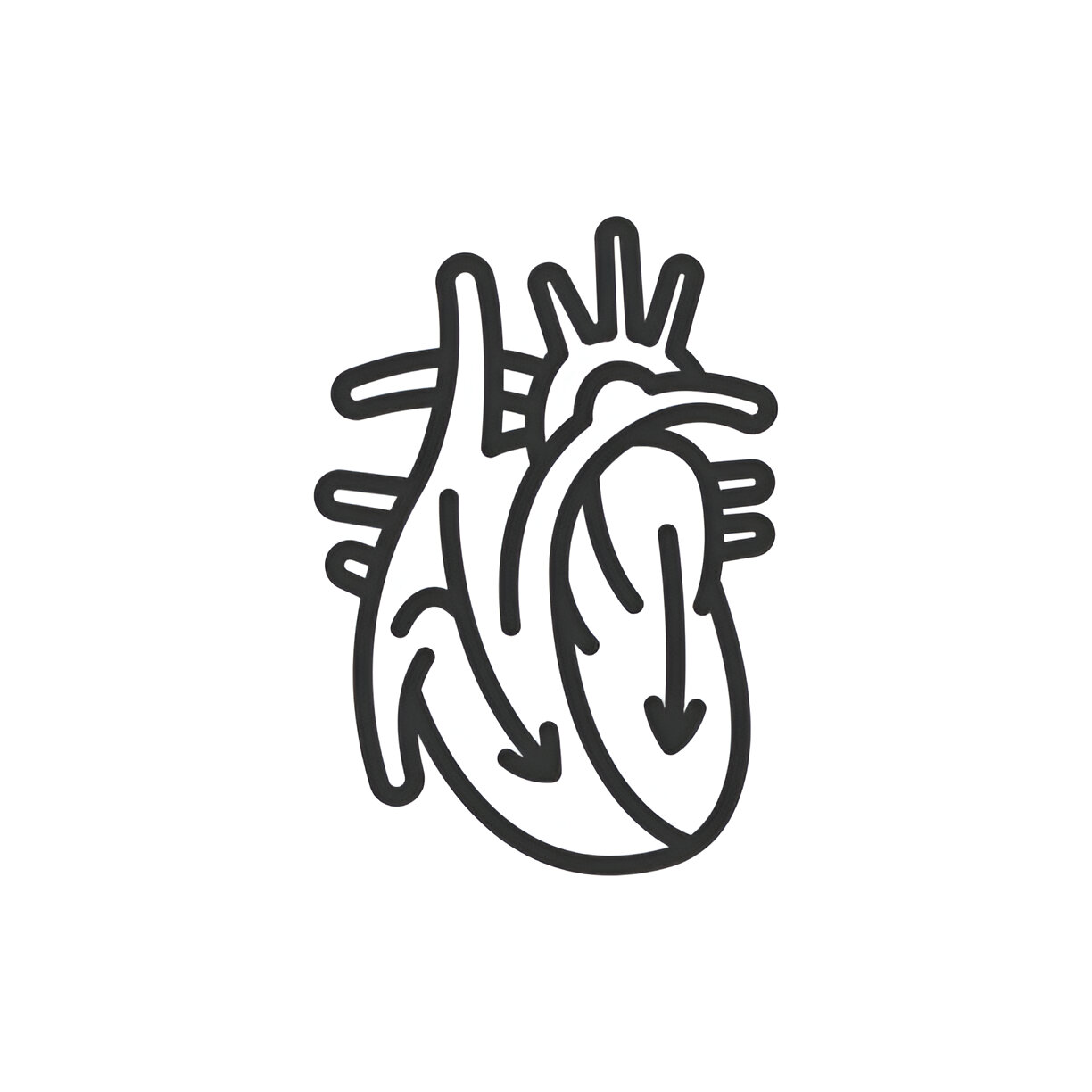
Valvular heart disease refers to any dysfunction or abnormality of one or more of the heart's four valves, affecting blood flow through the heart.
Common causes include aging, rheumatic fever, congenital defects, infections such as endocarditis, and degenerative changes in the valve structure.
Symptoms may include chest pain, fatigue, shortness of breath, palpitations, dizziness, and swelling in the ankles or feet.
If left untreated, severe valvular heart disease can lead to heart failure, stroke, or death. Timely diagnosis and treatment are crucial.
Treatment options include medication, minimally invasive procedures like TAVR, balloon valvuloplasty, or open-heart valve repair/replacement surgery.
Doctors use echocardiograms, transesophageal echo, cardiac MRI, ECG, chest X-rays, and cardiac catheterization to diagnose valve conditions.
Not always. Some cases can be managed with medications and regular monitoring, but severe valve damage may require surgical intervention.
TAVR (Transcatheter Aortic Valve Replacement) is a minimally invasive procedure to replace a diseased aortic valve using a catheter.
Recovery may take 6 to 8 weeks for open-heart surgery. Minimally invasive procedures typically have shorter recovery times.
Some types can be prevented by managing infections, maintaining heart health, and regular checkups, especially after rheumatic fever or strep throat.
Yes, age-related valve degeneration is one of the most common causes of valvular heart disease in elderly individuals.
Yes, many patients return to normal activities with improved quality of life after successful valve repair or replacement.
It depends on the valve type. Mechanical valves often require lifelong anticoagulants, while biological valves may not.
Mechanical valves are made from durable materials and last longer but require lifelong blood thinners. Biological valves are made from tissue and may need replacement in 10–15 years.
Yes, risks may include bleeding, infection, blood clots, stroke, or irregular heart rhythms, though these are rare with skilled care.
Most health insurance plans cover necessary treatments like valve surgery or TAVR, depending on the policy terms and hospital network.
Yes, congenital valve defects can cause valvular disease in children, often requiring early diagnosis and treatment.
Yes, minimally invasive techniques like TAVR have high success rates and lower recovery times compared to open surgery.
Look for board-certified cardiologists or cardiothoracic surgeons with experience in valve procedures and affiliations with reputable hospitals.
Avoid strenuous activity, heavy lifting, smoking, and unhealthy eating. Follow your doctor's post-operative care instructions carefully.
Stay connected with Continental Hospitals anytime, anywhere.
Download the app now
for faster, smarter, paperless healthcare

 Oncology
 Neurology
 Gastroenterology
 Bariatric Surgery
 Liver Transplant
 Urology
 Orthopedics
 Cardiology
 General Medicine
 Gynecology
 Pediatrics
 Pulmonology


 040 6700 0000
  040 6700 0111



 Doctor
 Symptoms & Speciality