.webp)

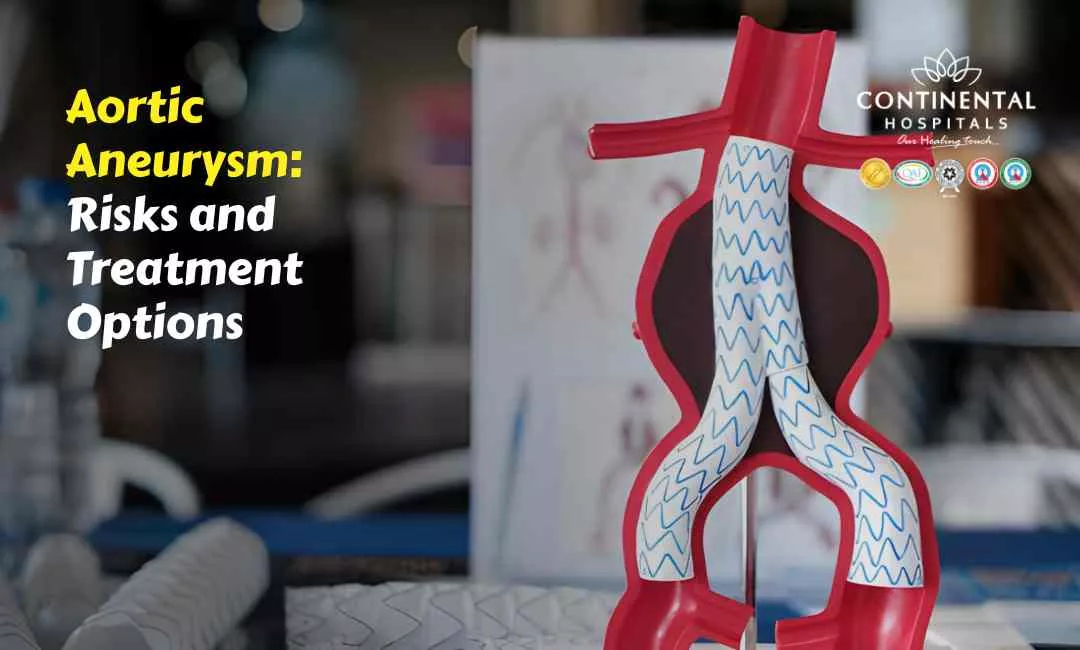
An aortic aneurysm is a serious but often silent condition that can become life-threatening if not detected and treated on time. The aorta is the body’s main artery, carrying oxygen-rich blood from the heart to the rest of the body. When a part of the aorta becomes weak, it can bulge or balloon outward — this is called an aneurysm. Understanding its causes, symptoms, and treatment options can help save lives through early diagnosis and expert medical care.
What Is an Aortic Aneurysm?
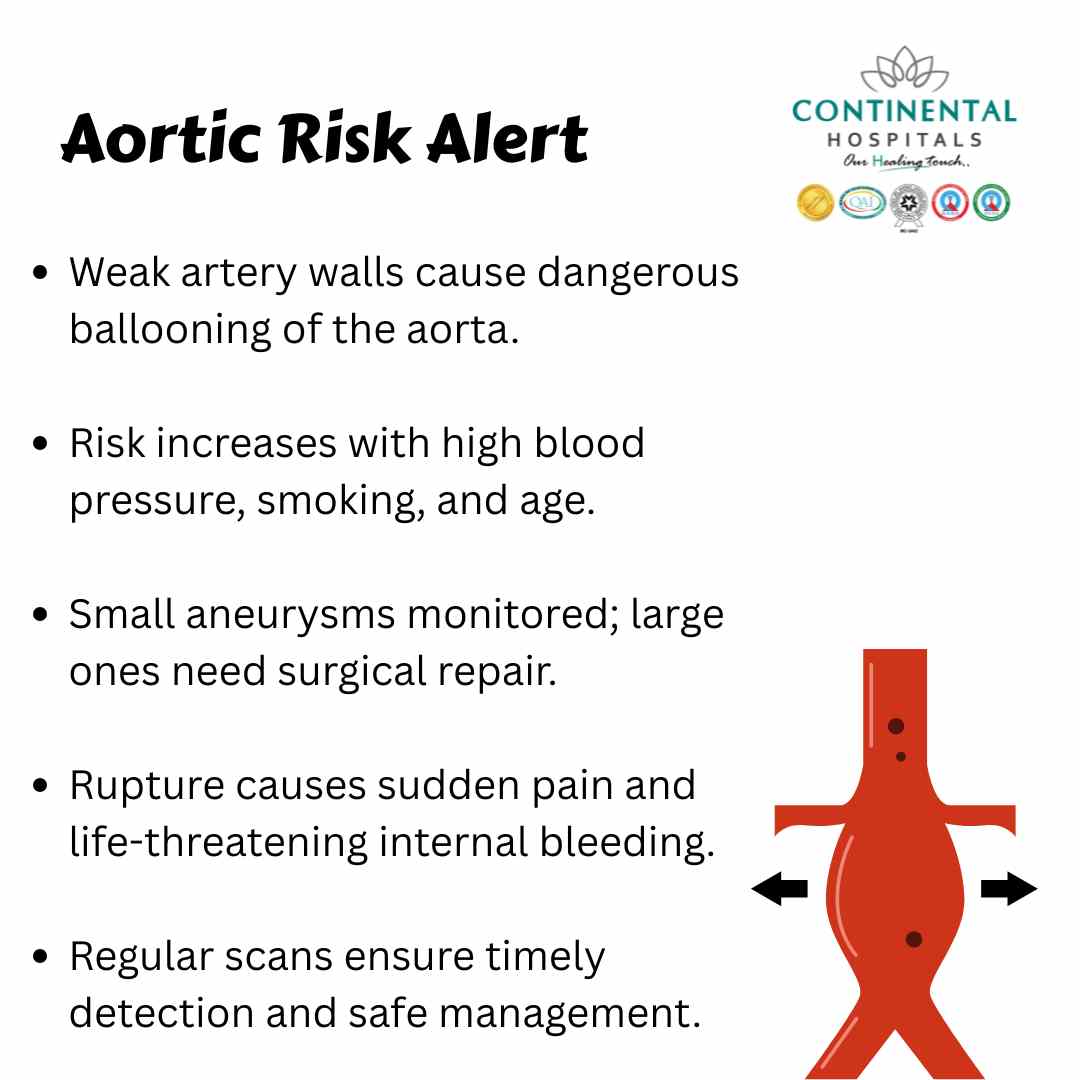
An aortic aneurysm happens when the wall of the aorta weakens, causing it to stretch and bulge. Over time, this weakened section may enlarge, increasing the risk of rupture. A rupture can lead to severe internal bleeding, which is a medical emergency. Aneurysms can occur anywhere along the aorta, but they are most common in two areas:
Abdominal aortic aneurysm (AAA): Found in the section of the aorta that runs through the abdomen.
Thoracic aortic aneurysm (TAA): Occurs in the chest area of the aorta.
Both types can be dangerous, but with timely diagnosis and the right treatment, patients can recover and lead healthy lives.
Visit the Best Cardiology Doctors in Hyderabad at Continental Hospitals, Hyderabad, and consult our expert cardiologists for advanced diagnosis, personalized treatment, and comprehensive care for aortic aneurysms.
What Causes an Aortic Aneurysm?
Several factors can lead to the development of an aortic aneurysm. Some causes are related to lifestyle, while others are genetic or age-related. Common causes include:
Atherosclerosis: A buildup of plaque that weakens the arterial wall.

High blood pressure: Continuous pressure can strain and damage the artery walls.
Smoking: One of the most significant risk factors, as it accelerates damage to blood vessels.
Genetic conditions: Disorders like Marfan syndrome or Ehlers-Danlos syndrome increase risk.
Infections or inflammation: Rarely, infections can weaken artery walls.
Aging: The natural loss of elasticity in blood vessels over time contributes to risk.
Who Is at Risk?
Aortic aneurysms often develop silently, but certain groups are more prone to the condition. You might be at higher risk if you:
- Are over 60 years old.
- Have a family history of aneurysms.
- Smoke or used to smoke.
- Have high blood pressure or high cholesterol.
- Have a history of atherosclerosis.
- Are male, as men are more commonly affected.
Recognizing these risk factors early and undergoing regular health checkups can help detect aneurysms before they become dangerous.
What Are the Symptoms?
Most aortic aneurysms develop gradually without noticeable symptoms. However, as the aneurysm grows, it can cause warning signs that should not be ignored. Symptoms depend on where the aneurysm is located.
For abdominal aortic aneurysm (AAA):
- A deep, constant pain in your abdomen or back.
- A pulsating feeling near the navel.
- A sense of fullness or pressure in the stomach area.
For thoracic aortic aneurysm (TAA):
- Chest or upper back pain.
- Difficulty breathing or swallowing.
- Hoarseness or persistent cough.
If an aneurysm ruptures, the symptoms appear suddenly and may include sharp pain, dizziness, shortness of breath, rapid pulse, and loss of consciousness. This is a medical emergency that requires immediate attention.
How Is an Aortic Aneurysm Diagnosed?
Early detection can save lives. Doctors usually identify an aneurysm through imaging tests, often when a scan is done for another reason. Common diagnostic methods include:
Ultrasound: A simple, non-invasive test to detect abdominal aneurysms.
CT scan (Computed Tomography): Provides detailed images of the aorta.
MRI (Magnetic Resonance Imaging): Helps measure the size and shape of the aneurysm.
Echocardiogram: Used to examine the heart and the part of the aorta connected to it.
Regular screening is recommended for people with a family history or those with risk factors like smoking and hypertension.
What are the treatment options for an aortic aneurysm?
The right treatment depends on the size, location, and rate of growth of the aneurysm. The main goal of treatment is to prevent rupture.
1. Monitoring (Watchful Waiting):
If the aneurysm is small and not growing quickly, doctors may monitor it regularly with imaging tests and recommend lifestyle changes to control blood pressure and cholesterol.
2. Medication:
Drugs that help lower blood pressure and reduce strain on the artery wall may be prescribed. This includes beta-blockers and statins to manage cholesterol levels.
3. Surgery:
When the aneurysm is large or shows signs of rapid growth, surgical treatment becomes necessary. There are two main types of surgery:
- Open surgical repair: The damaged section of the aorta is replaced with a synthetic graft.
- Endovascular repair (EVAR or TEVAR): A minimally invasive procedure where a stent graft is inserted through a small incision in the groin and placed inside the aneurysm to reinforce the aorta.
Advancements in surgical techniques and imaging have made aneurysm repair safer and more effective, reducing recovery time and improving patient outcomes.
How can I prevent an aortic aneurysm?
While some factors like age or genetics cannot be controlled, lifestyle changes can significantly lower your risk. Here’s what you can do:
- Quit smoking to reduce further damage to blood vessels.
- Maintain healthy blood pressure and cholesterol levels.
- Eat a balanced diet rich in fruits, vegetables, and lean proteins.
- Exercise regularly under medical supervision.
- Go for regular health checkups, especially if you have a family history of aneurysms.
Why Choose Continental Hospitals for Aortic Aneurysm Care?
Continental Hospitals in Hyderabad is recognized for its excellence in cardiovascular and vascular care. The hospital is JCI-accredited, ensuring international standards of patient safety and quality treatment. With a team of highly experienced cardiologists, vascular surgeons, and critical care specialists, Continental Hospitals provides comprehensive diagnosis, treatment, and post-surgical care for aortic aneurysms.
The hospital is equipped with advanced imaging and surgical technologies, including hybrid operation theatres and high-precision diagnostic equipment. Patients receive personalized care plans designed to ensure the best possible outcomes, with continuous monitoring and support throughout their recovery.
Continental Hospitals follows a multidisciplinary approach, combining the expertise of cardiology, radiology, anesthesia, and critical care teams to deliver seamless, world-class treatment.
When Should You See a Doctor?
If you have risk factors like high blood pressure, smoking, or a family history of aneurysms, it’s important to schedule a preventive checkup. Early detection and timely management can prevent life-threatening complications.
Conclusion
An aortic aneurysm can be silent but deadly if left untreated. Awareness, regular screenings, and expert care can make all the difference. By choosing the right hospital and medical team, patients can successfully manage the condition and prevent complications.
If you suffer from symptoms like persistent back or chest pain, or if you have a known risk factor for an aortic aneurysm, consult a specialist without delay.
Consult the Best Cardiologist in hyderabad and vascular surgeons at Continental Hospitals, Hyderabad, for advanced diagnosis and treatment of aortic aneurysm.