.webp)

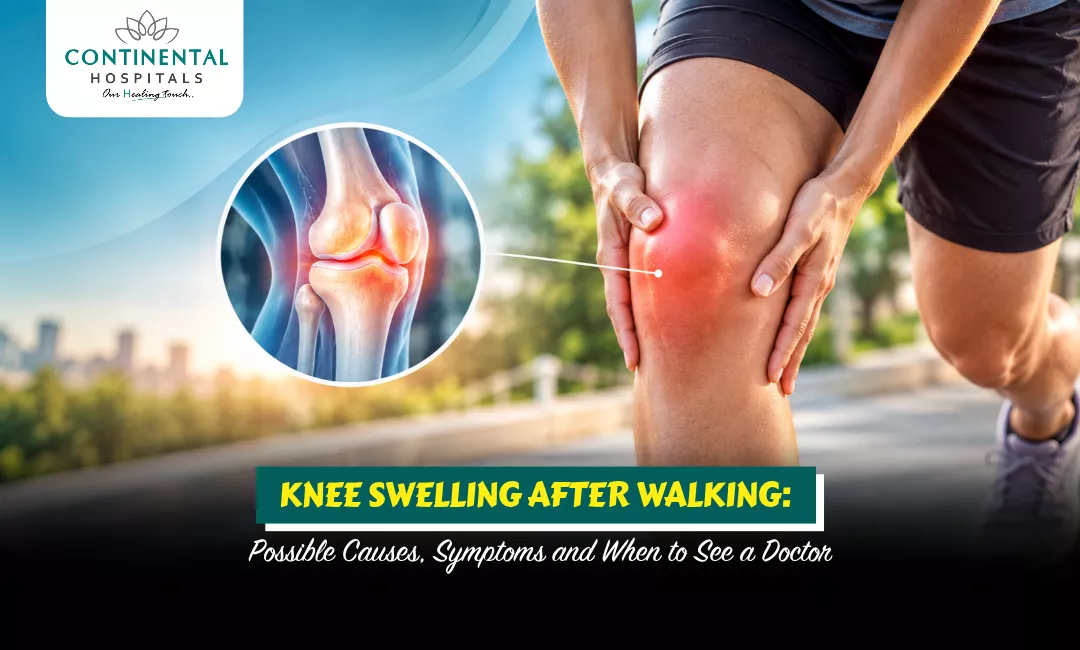
What Makes Knee Swelling After Walking Occur? Is it necessarily a concern? The knee can swell due to extra fluid accumulating in or near it. The swelling may be a result of excessive walking, increased activity, injury, or an underlying joint condition. In case of occasional swelling of the knee, it usually recedes with time. However, repeated or continuing swelling requires special medical care.
Can Knee Swelling After Walking is traced to arthritis, inflammation, injury, or other problems of the knee? In order to answer the question, one needs to take into consideration various factors such as symptoms, age, physical activity, medical history, and the duration of swelling. Knowing Possible Knee Swelling Causes will let one understand when it is time to see a doctor about it.
What are the typical reasons for knee swelling following walking?
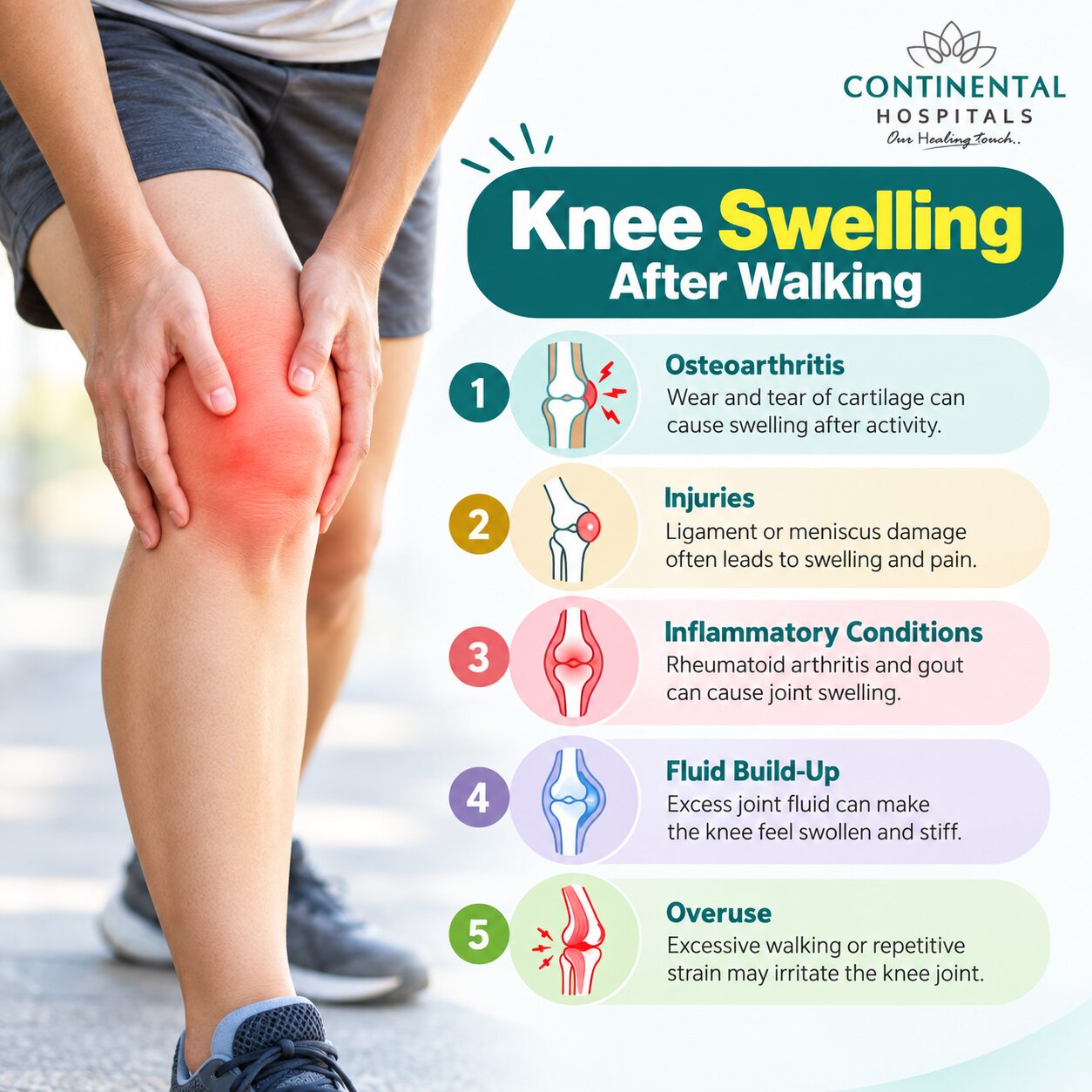
What can result in a swollen knee post walking? Various reasons can cause swelling. Common causes include:
1. Can Overactivity Cause Knee Swelling?
Definitely. Walking for longer than normal, walking up stairs, working out, or suddenly increasing activity puts extra strain on the knee. Overdoing it can affect the surrounding areas of the joint and result in short-term swelling, stiffness, or knee pain after walking.
2. Can Arthritis Lead to Swelling of the Knee?
Yes, arthritis can be a very common reason for knee swelling and discomfort. Osteoarthritis can occur due to erosion of the knee cartilage over time. This can lead to pain, stiffness, swelling, and difficulty in moving. Inflammatory arthritis also results in swelling and tenderness in the knee.
3. Can Damage to the Knee Cause Swelling?
Yes. Damage to ligaments, cartilage, muscles, or other parts of the knee can lead to swelling. Even minor damage can result in swelling that becomes evident after a walk or exercise.
4. Can the knee accumulate fluid inside?
Yes. Swollen knee is the result of excess liquid buildup in the knee joint. The condition could also be referred to as knee effusion or, simply, “water on the knee.”
Liquid accumulation may result from injury, arthritis, inflammation, or other medical disorders.
5. Can bursitis contribute to swelling?
Bursae are the small fluid-filled sacs that help reduce friction at the joints. Inflammation of these sacs results in bursitis, which leads to localized swelling, tenderness, and discomfort in the knee area.
Visit the Orthopaedic Department in Hyderabad at Continental Hospitals for expert care and comprehensive treatment for knee and joint conditions.

What are the possible symptoms accompanying knee swelling?
Is swelling the only symptom present? Not really. Knee pain and swelling may come together with several other symptoms.
Among them may be:
- Knee stiffness after walking or sitting
- Difficulty bending or straightening the knee
- Tenderness in the joint area
- Warmth near the swollen area
- Pain when climbing the stairs
- Problems standing on the affected leg
- Pressure or fullness feeling inside the knee
- Limited range of motion
The combination of symptoms might give some valuable hints regarding the cause.
What Makes the Swelling of the Joint Worse after Walking?
Why does knee pain feel fine at rest and get swollen after walking? With increased motion and strain on the knee joint due to walking, irritation increases as well. So if pain occurs because of the previous inflammation in the joint, damage to the cartilage, or injury, the pain becomes more pronounced after walking.
If you experience such knee swelling after walking, do not ignore the symptom.
When to Seek Help from a Doctor Due to Knee Swelling?
When does knee swelling after walking call for a doctor’s visit? If the swelling lasts, recurs, becomes severe, or affects your normal activities, you should consult an orthopedic specialist.
You should seek medical help if you have one of the following symptoms:
- Swelling of the knee developed suddenly.
- Severe pain in the knee.
- You are unable to bear weight and walk normally.
- Redness or warmth in the knee.
- Fever-level knee swelling.
- Knees turning swollen after an injury.
- Swollen knees every time after walking.
- Stiffness or pain in the knee.
- Assessment of the situation is highly recommended to identify an underlying problem.
How Is the Cause of Knee Swelling Determined?
How does a doctor figure out the cause of the swollen knee after running? The process generally begins with a doctor examining the patient for essential symptoms and asking several questions about the person’s activities, previous injuries, and medical background.
Depending on the suspected cause, the doctor may order the following:
- a physical examination of the knee
- X-ray
- ultrasound
- MRI in order to obtain a more detailed evaluation
- blood work in specific cases
- joint fluid analysis when indicated
The recommended test is determined by the patient's individual symptoms.
Is It Possible to Deal with Swollen Knees?
What can you do if you experience this discomfort? The effective means of treatment depends on the root of the condition.
A medical professional may advise:
- Temporary changes of a lifestyle
- Balanced resting and proper support of the body
- Application of cold therapy when applicable
- Physical therapy and exercises aimed at strengthening
- Prescribing the medications, depending on the injury
- Weight management in case of overweight
- Treatment of the associated arthritis or inflammation.
Do not keep pushing your limits when being in pain or suffering from swelling without knowing what is the reason for it.
Why Should You Go for Knee Care at Continental Hospitals?
Why should a specialist be consulted for your knee swelling after walking? Knee problems can affect the bones, cartilage, ligaments, tendons, or muscles, or there can be pain due to inflammatory conditions. Therefore, it is important to understand the cause of the problem so that proper treatment can start.
Continental Hospitals Hyderabad provides multidisciplinary orthopedic treatment with a group of qualified specialists, advanced diagnostic facilities, infrastructure, and excellent clinical facilities. It is accredited by the JCI and NABH, which reflects that it follows the relevant international and national standards of patient safety and healthcare quality.
Being the best hospital in Hyderabad, Continental Hospitals emphasizes thorough assessment and personalized care for patients suffering from musculoskeletal disorders of joints.
What Are The Things To Consider?
- The causes of knee swelling can vary from injury, overuse, and inflammation to arthritis.
- A knee swelling that occurs several times should be examined.
- A knee pain after walking associated with knee swelling could mean that there is a knee injury or problem that needs to be treated.
- If there is a sudden swelling after an impact, one should see a doctor immediately.
- Swelling should be accompanied by redness and warmth.
- The treatment of the problem depends on its cause, rather than the swelling.
- A timely action can stop the knee from aggravating.
Conclusion
Can knee swelling after walking be a sign of an underlying knee condition? Yes, particularly when swelling is persistent, recurrent, painful, or associated with stiffness and restricted movement. Although occasional swelling after unusual physical activity may improve with rest, repeated symptoms should be evaluated by a qualified specialist.
If you suffer from knee swelling after walking, persistent knee pain, stiffness, or difficulty walking, consult our best orthopedic specialist in Hyderabad at Continental Hospitals, Hyderabad for proper evaluation, diagnosis, and personalized treatment.
Related Blogs: