post-title

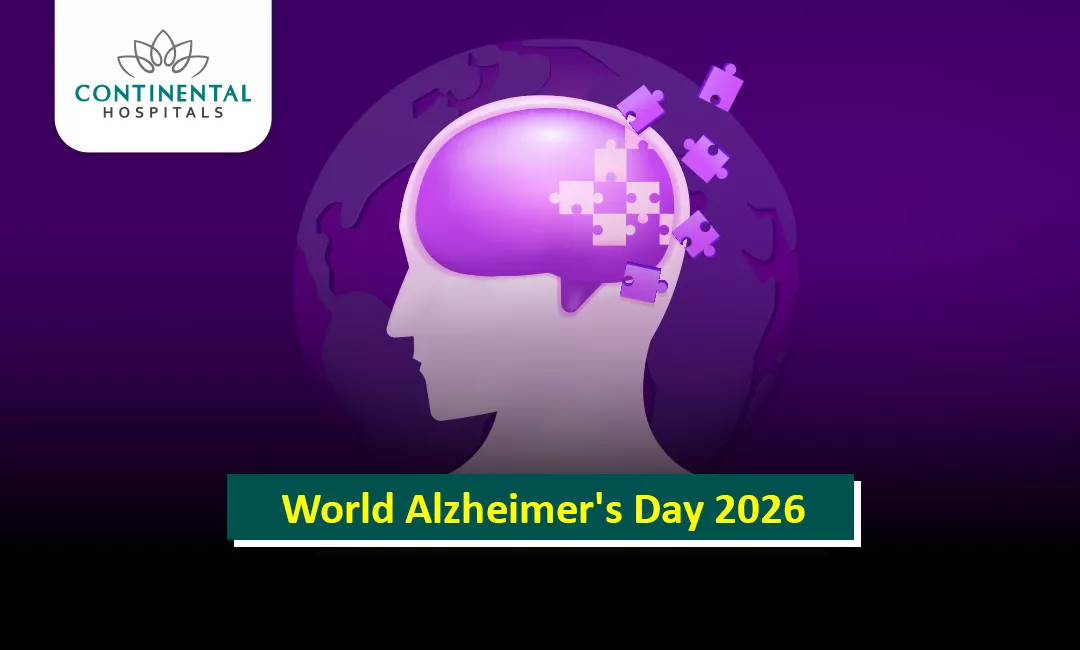
World Alzheimer's Day 2026

Written by - Editorial Team
Medically Reviewed by - Dr. Sumathi Jarugu

World Alzheimer’s Day 2026 is celebrated on the 21st of September, coinciding with World Alzheimer’s Month. The theme of the 2026 campaign is “The Earlier You Know, The More You Can Do: A Dementia Diagnosis Matters,” stressing the importance of early diagnosis. Through this campaign, Alzheimer’s Disease International (ADI) seeks to shed light on the advantages of early diagnosis, as well as tackle the stigma associated with dementia and lack of knowledge about it.

Why is this significant? Forgetting things is often seen as a natural part of growing older, but if memory, thinking, speech, behavior, and performance of activities show noticeable or lasting change, medical assistance should be sought. World Alzheimer’s Day helps to create awareness about Alzheimer’s Disease, highlight the necessity of timely diagnosis, and assist people suffering from Alzheimer’s in general and their families.

What Is the Theme of World Alzheimer’s Day 2026?

What does the theme “The Earlier You Know, The More You Can Do: A Dementia Diagnosis Matters” mean?

The message emphasizes the importance of identifying potential signs and receiving necessary medical evaluation early on. In accordance with ADI, a diagnosis enables individuals to get treatment, assistance, information, and support. A diagnosis can also help individuals and families cope with the challenges ahead. 

The theme encourages the family to ask questions rather than ignore the changes in memory or behavior that bother them.

Visit the best neuro doctor hyderabad at Continental Hospitals, Hyderabad, for expert neurological care and advanced diagnostic support.

What Is Alzheimer’s Disease?

Alzheimer’s disease is a progressive illness. It is also the most common form of dementia. Dementia is an umbrella term for several disorders affecting memory, thought processes, communication, behavior and everyday activities. The World Health Organization reports that up to 60% to 70% of dementia patients suffer from Alzheimer’s disease.

The illness takes its toll on each individual in a different manner. Typically, symptom development is gradual, and hence, early signs can go unnoticed.
Second Opinion

What Are the Symptoms of Early Alzheimer’s Disease?

Among the possible signs of early Alzheimer’s disease and dementia are:

Memory loss of recent talks or events
• Regularly losing things used every day
• Difficulty in searching for familiar terms
• Confusion in known locations
• Challenge in doing familiar tasks
• Trouble making day-to-day decisions
• Dates and time become unimportant
• Tendency to avoid social activities
• Changes in temperament and behaviour
• Increased challenges of performing day-to-day life

Just because a person experiences these symptoms does not mean they have Alzheimer’s disease. Many medical issues can lead to memory or cognitive problems, which is why doctor’s assessment is necessary.

The Significance of Diagnosis in Early Stages

The timely diagnosis will allow an individual and their family to comprehend the reason for their cognitive symptoms and think about treatment alternatives and social support. It may create an opportunity for care planning in cases where there will be other health problems that may affect the functioning of the brain. According to WHO, diagnosis serves as a first vital step toward the right dementia treatment and support.

The early diagnosis can result in the following outcomes for family members: 

• Understanding the probable cause of problems
• Considering the current options for dealing with the issues
• Forecasting the future healthcare needs
• Having an opportunity to make decisions under the condition that an individual under diagnosis is able to influence the process 
• Understanding the possible support available for caregivers
• Getting assistance with the management of other medical issues affecting cognitive abilities

Is it possible to lower the chances of developing dementia? 

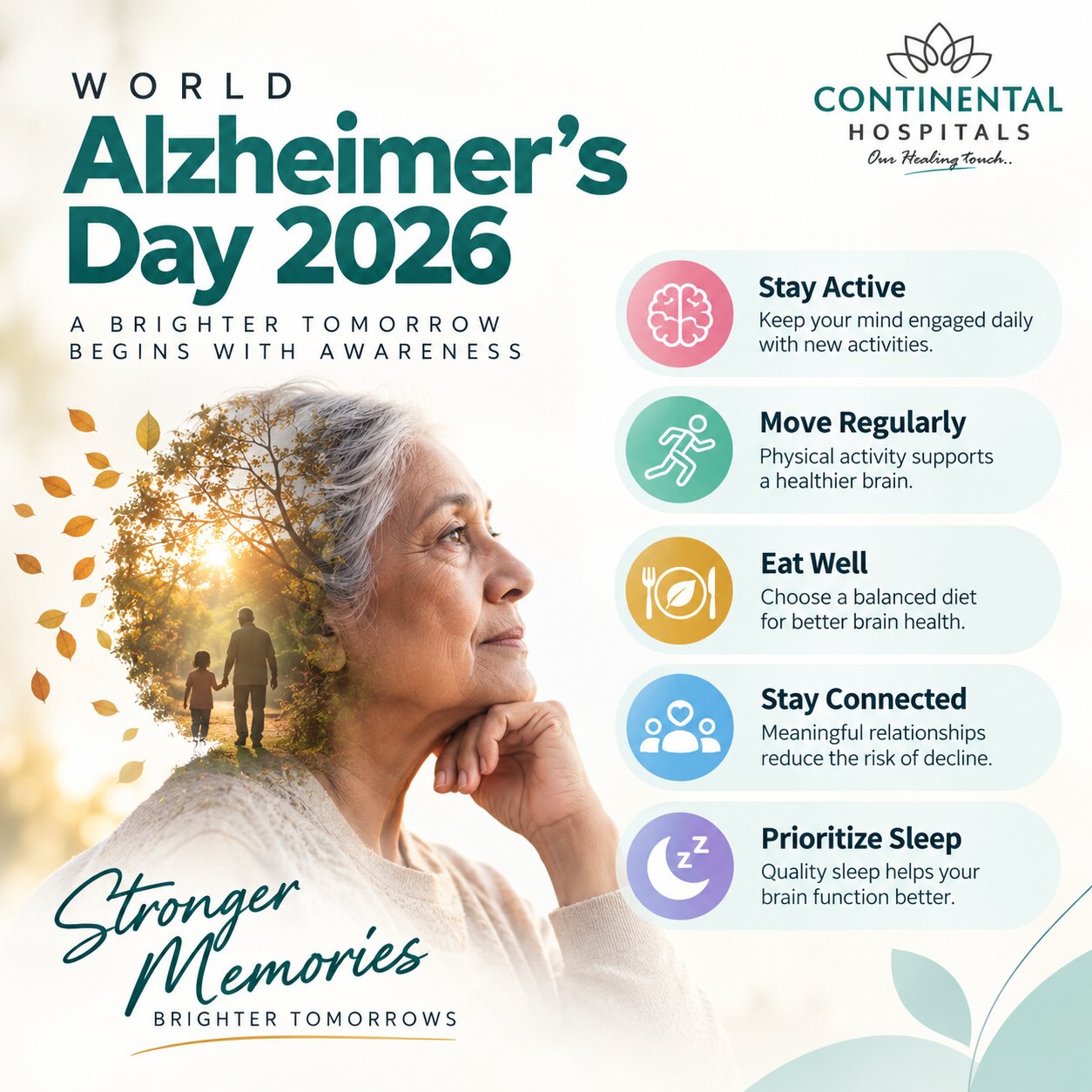
Yes. Though not all cases of dementia may be prevented, it is possible to change certain risk factors. The latest guidance from the World Health Organization shows that it is very important to take up physical activity, refrain from using tobacco, eat duly, manage health conditions like high blood pressure and diabetes, and stay socially active, among others.

Need an Appointment?

Some of the simplest but most useful measures to take up to protect one’s brain and body include but are not limited to:

• Leading a physically active life
• Managing blood pressure, diabetes, and cholesterol
• Eating well
• Avoiding tobacco
• Restricting alcohol intake
• Staying socially active
• Engaging the mind and social life

When Is the Time to See a Doctor?  

If memory lapses or changes in thinking patterns are becoming more frequent, progressive, or affecting daily activities, it is advisable to consult a doctor. Getting assistance does not mean the individual necessarily has Alzheimer’s disease. A medical evaluation can be useful in identifying the potential causes and deciding whether a more in-depth evaluation is required.  

There are certain signals that family members should look for when someone:  

• Keep forgetting significant recent information
• Gets disoriented in common surroundings
• Has difficulty performing well-known activities
• Shows visible alterations in the way of communication
• Can’t take care of everyday chores
• Is changing in memory or thinking process.

What is the significance of continental hospitals in terms of neurological care?

Continental Hospitals in Hyderabad is an institution that offers a complete range of neurological services that include adept doctors, state-of-the-art diagnostic technologies, multidisciplinary skills, and cutting-edge medical infrastructure. The hospital follows the recommended procedures of care and safety of patients and has received JCI, NABH, and QAI certifications reflecting its quality of care.

For patients who have memory or cognitive issues, a complete evaluation helps the doctors to comprehend the symptoms, find out the underlying cause, and provide the necessary treatment based on the needs of the patients.

Ways to Observe and Celebrate World Alzheimer’s Day 2026

The first thing to do in order to support World Alzheimer’s Day is to raise awareness. Rather than overlooking memory-related problems as part of old age, families can prompt a visit to a doctor.

There are many ways to promote awareness of Alzheimer’s disease:

• Acquire knowledge about Alzheimer’s
• Identify the most common symptoms of Alzheimer’s
• Push for receiving a timely diagnosis
• Help people with dementia
• Help caregivers and relatives
• Reject the stigma and wrong assumptions
• Spread the word about early diagnosis

Conclusion

The earlier you know, the more you can do.

The theme “The Earlier You Know, The More You Can Do: A Dementia Diagnosis Matters” reminds us that recognizing symptoms and seeking timely medical advice can help individuals and families understand their situation and access appropriate care and support.

If you or a loved one is experiencing persistent memory loss, confusion, difficulty performing familiar tasks, or other possible Alzheimer’s symptoms, consult our best neurologist in Hyderabad at Continental Hospitals, Hyderabad, for appropriate evaluation and personalized guidance.

World Alzheimer’s Day 2026 is a reminder that awareness, timely evaluation, and compassionate support can make a meaningful difference.

Related Blogs:

  1. Alzheimer's Disease: Myths and Misconceptions Debunked
  2. 10 Lifestyle Changes to Reduce the Risk of Alzheimer's Disease

Frequently Asked Questions

Alzheimer's disease is a progressive brain disorder that affects memory and thinking. It is the most common cause of dementia. The condition usually develops gradually over time. Early symptoms may include forgetting recent information. People may also have difficulty finding words or completing familiar tasks. As the disease progresses, daily activities can become more difficult. Changes in judgment, behavior, and communication may also occur. Alzheimer's can affect each person differently. Age is an important risk factor, but it is not a normal part of ageing. Several genetic, health, and lifestyle factors may influence risk. Early medical evaluation can help identify possible causes of memory problems. Support and appropriate care can help people manage symptoms. Families can also benefit from planning and guidance.
World Alzheimer's Day is observed every year on September 21. It is part of World Alzheimer's Month activities held during September. The day focuses attention on Alzheimer's disease and dementia. It encourages greater awareness of memory and cognitive health. It also highlights the experiences of people living with dementia. Families and caregivers play an important role in Alzheimer's care. Awareness can help reduce misconceptions surrounding dementia. The day also encourages people to learn about warning signs. Early assessment can help identify potentially treatable causes of cognitive changes. Healthcare professionals can provide guidance about diagnosis and support. Communities can help create environments that are more supportive of people with dementia. World Alzheimer's Day also promotes conversations about brain health. It provides an opportunity to encourage informed and compassionate care.
Memory loss that affects everyday activities can be an early warning sign. A person may repeatedly ask the same questions. They may forget recently learned information or important appointments. Difficulty planning or solving familiar problems can also occur. Some people may struggle with familiar tasks at home or work. Problems finding the right words may become noticeable. Losing track of dates, places, or time can also happen. Misplacing items and being unable to retrace steps may occur more often. Changes in judgment or decision-making can sometimes develop. Withdrawal from social activities may also be noticed. These symptoms do not always mean a person has Alzheimer's disease. Other medical conditions can cause memory and thinking problems. Persistent or worsening symptoms should be discussed with a healthcare professional.
Alzheimer's disease is not a normal part of ageing. Occasional forgetfulness can happen as people grow older. Normal ageing usually does not significantly interfere with everyday activities. Alzheimer's causes progressive changes in memory and thinking. These changes can gradually affect independence and daily functioning. A person may have increasing difficulty managing familiar tasks. They may also struggle with communication, planning, or decision-making. The pattern and progression of symptoms are important during evaluation. Several other health conditions can also cause cognitive changes. Some causes of memory problems may be treatable or reversible. A healthcare professional can assess symptoms and medical history. Cognitive assessment and other tests may be recommended when appropriate. Early evaluation can help identify the cause and guide suitable care.
There is currently no guaranteed way to prevent Alzheimer's disease. However, several habits may support overall brain and cardiovascular health. Regular physical activity is an important part of a healthy lifestyle. Eating a balanced diet can support general health and wellbeing. Managing blood pressure, diabetes, and cholesterol is also important. Avoiding smoking can benefit brain and cardiovascular health. Limiting excessive alcohol intake may also reduce health risks. Staying socially active can support overall mental wellbeing. Regularly engaging in mentally stimulating activities can also be beneficial. Adequate sleep is important for physical and cognitive health. Hearing and vision problems should be assessed and appropriately managed. These measures cannot guarantee prevention of Alzheimer's disease. They can contribute to healthier ageing and overall wellbeing.
Age is one of the strongest known risk factors for Alzheimer's disease. The likelihood of developing the condition increases as people get older. Having a family history may also influence individual risk. Certain genetic factors can increase the likelihood of developing Alzheimer's. Cardiovascular health can also be linked with dementia risk. Conditions such as high blood pressure and diabetes may contribute to risk. Smoking and physical inactivity can also affect overall brain health. Some risk factors can be modified through healthier lifestyle choices. However, Alzheimer's can develop in people without a clear family history. Having a risk factor does not mean that a person will develop the disease. Risk varies between individuals based on multiple factors. A healthcare professional can discuss individual risk factors when appropriate. Maintaining healthy habits can support overall brain and physical health.
There is no single test that can diagnose Alzheimer's disease in every person. Diagnosis usually begins with a detailed medical and symptom history. Doctors may ask about changes in memory, thinking, and daily activities. Cognitive and memory assessments may be performed during evaluation. A physical and neurological examination may also be considered. Blood tests can help identify other possible causes of cognitive symptoms. Brain imaging may be recommended in some situations. Doctors may also review medications and existing health conditions. Information from family members or caregivers can be helpful. In selected cases, additional specialized testing may be considered. The diagnosis also involves ruling out other causes of memory problems. Early assessment can help patients and families understand the condition. A specialist can recommend appropriate evaluation based on individual symptoms.
Families can provide emotional support and help maintain a familiar routine. Simple and clear communication can make daily interactions easier. Keeping important items in consistent places can reduce confusion. Regular routines may help a person feel more secure. Families can encourage appropriate physical and social activities. Medication schedules and medical appointments may also need support. A safe home environment can help reduce the risk of accidents. Caregivers should monitor changes in memory, behavior, or daily functioning. Patience is important when communication or tasks become difficult. Caregivers should also make time for their own health and wellbeing. Professional support may be helpful as care needs increase. Advance planning can help families prepare for future needs. Compassionate support can help preserve dignity and quality of life.
Disclaimer: The information provided in this blog is intended for general knowledge and informational purposes only, and does not constitute medical advice. Always consult with a qualified healthcare professional for any medical concerns or before making any decisions about your health.

Get in Touch With Us

Whether you are from India or abroad, we are here to help you with your medical queries. Please fill out the form below and our team will connect with you shortly.

  • ✔ Quick response from our medical experts
  • ✔ Secure data handling & privacy
  • ✔ Easy upload for reports & documents
banner_image

Chat with our medical experts on WhatsApp for quick assistance and hassle-free appointment booking

Recent Posts