post-title

What Is Brain Herniation? Warning Signs, Causes and Emergency Treatment

Written by - Editorial Team
Medically Reviewed by - Dr Vignesh Sayeerajan

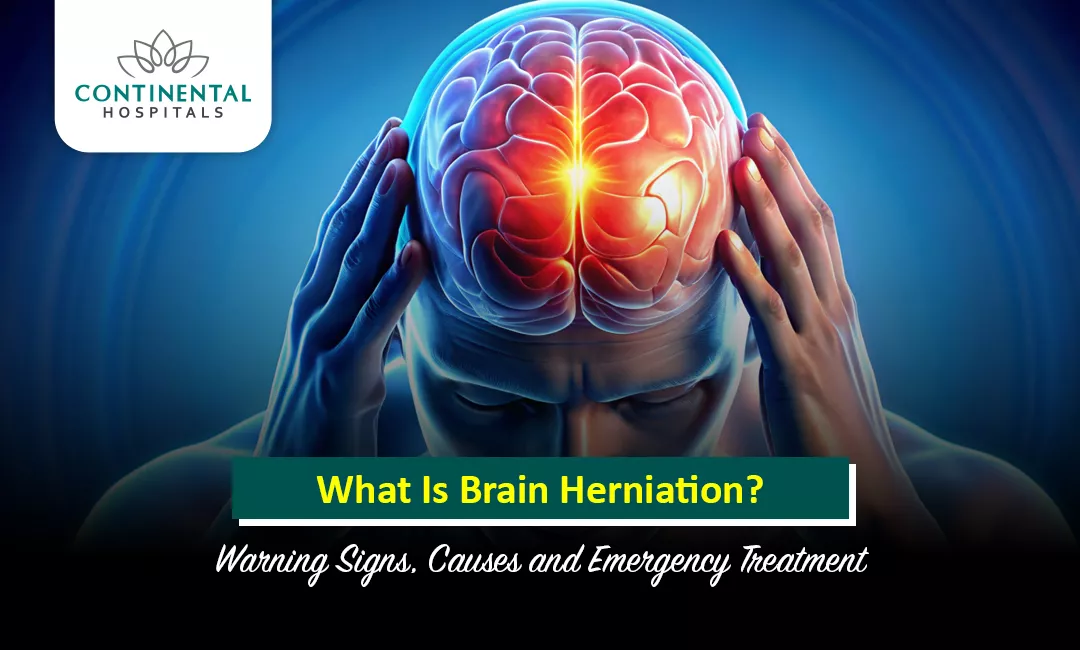
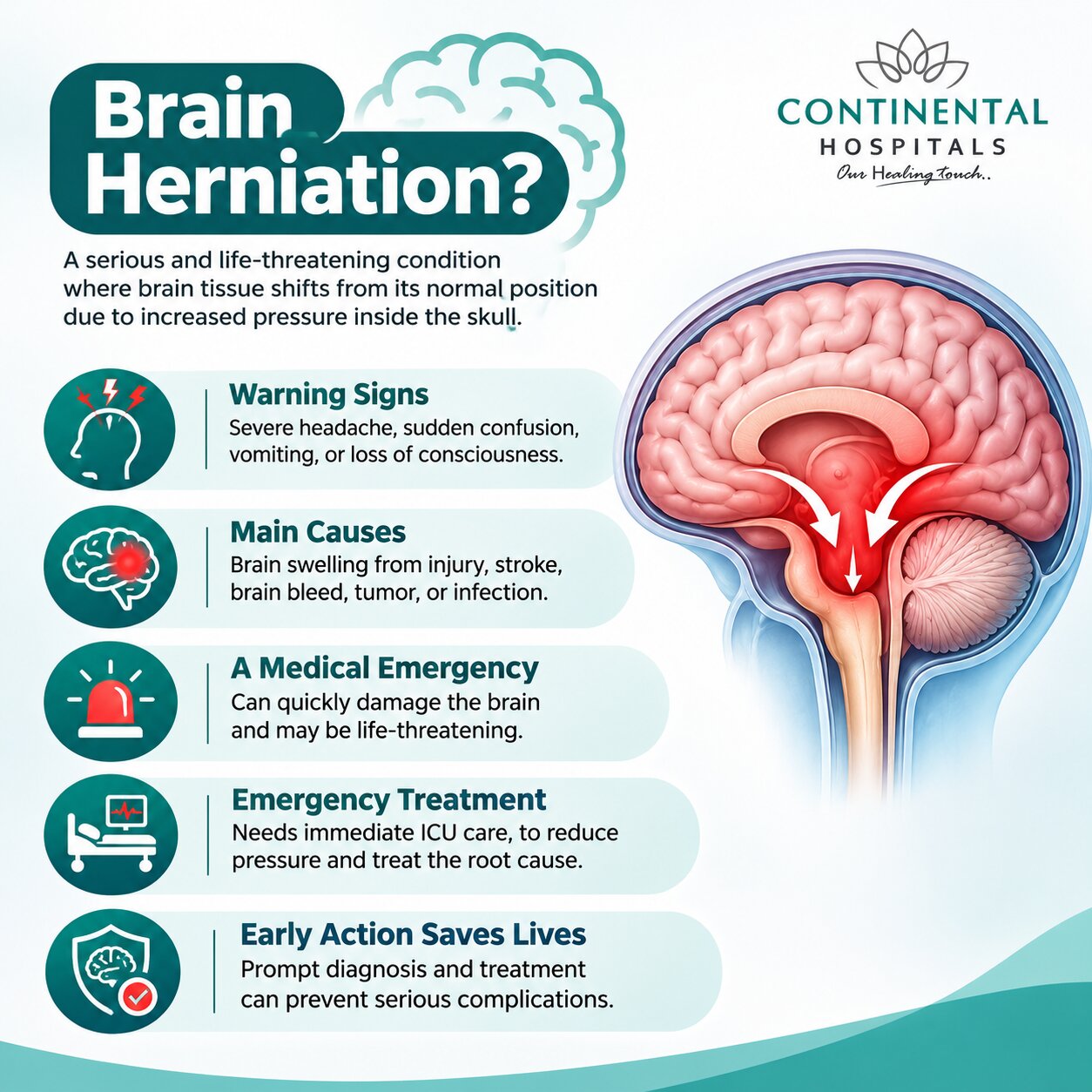
Herniation of the brain is an acute pathological condition characterized by the displacement of brain tissues from their proper place to the adjacent compartments of the skull because of increased pressure in the head. Herniation of the brain is also called cerebral herniation. This pathological condition develops in case of brain swelling, bleeding, or other types of brain injuries.

What makes herniation of the brain so dangerous? The brain regulates many body functions such as respiration, motor activity, level of consciousness, and heart beating. Increased intracranial pressure leads to the compression of brain tissue against other organs, and this can affect the blood supply and harm vital brain regions.

What are the primary factors responsible for the development of brain herniation?

Why does brain herniation develop? This medical condition develops due to the rise of pressure within the skull cavity. Due to the fact that the skull cannot be expanded easily, any form of swelling or bleeding will lead to pressure on the brain.

The most common causes of brain herniation are as follows:

  • Traumatic Brain Injury: Accidents, falls, or some other forms of trauma can result in swelling or bleeding within the skull.
  • Brain Tumors: Growth of tumors in the brain cavity can result in additional pressure.
  • Swelling of the Brain: Various infections or injuries can result in the swelling of the brain.
  • Brain Haemorrhage: Bleeding in or around the brain can lead to increased pressure.
  • Stroke: Large-scale stroke can lead to severe brain swelling and pressure on brain structures.
  • Brain Infections: Some infections like meningitis and encephalitis can result in brain swelling.

Visit the Neurosurgery Department at Continental Hospitals, Hyderabad, for expert neurological and advanced surgical care.

What Are the Warning Signs and Symptoms of Brain Herniation?

What should one look out for in order to identify brain herniation symptoms? They can be sudden and quickly intensify depending on the cause of increased brain pressure.

The following are some of the key warning signs:

  • Severe Headache: This may be caused by increased pressure in the skull.
  • Unconsciousness: The person may appear confused or excessively sleepy.
  • Unequal Pupils: Unevenness in the size of the pupils, with one being larger than the other, or unresponsive to light stimulation.
  • Vomiting: This is due to increased intracranial pressure.
  • Seizures: Seizures may result from abnormal electrical brain activity.
  • Weakness: The person may experience weakness of the arms and legs.
  • Abnormal Breathing: The breathing may appear abnormal or slow.
  • Changes in Heart Rate: Increased brain pressure can influence heart rate and blood pressure.

The symptoms are suggestive of a brain emergency.
Second Opinion

What Are the Different Types of Brain Herniation?

Does cerebral herniation occur in just one way? No. It is classified based on the area of the brain that is displaced from its normal location.

Some of the common types are:

  • Subfalcine Herniation: Brain tissue shifts below the falx cerebri, a membrane that divides the brain into two halves.
  • Uncal Herniation: Tissue from the temporal lobe drops downwards and presses on the brainstem and nerves.
  • Central Herniation: The brain structures shift towards the lower part of the skull where the base is present.
  • Tonsillar Herniation: This occurs when the posterior part of the cerebellum passes through the opening in the skull base.

Each form can have an effect on various parts of the brain.

What Are the Methods of Diagnosing Brain Herniation?

How do physicians diagnose brain herniation? Early diagnosis is crucial, as it develops fast.

The doctor might suggest:

  • Neurological Exam: Tests consciousness, responses of the pupils, reflexes, and muscle strength.
  • CT Scan: Assists in spotting brain swelling, bleeding, tumors, and displacement of brain matter.
  • MRI Scan: Produces images of the brain structure when needed.
  • Intracranial Pressure Measurement: Tests the pressure inside the skull when necessary.

These tests will assist the physician in diagnosing the cause, site, and severity of brain pressure.

How Is Brain Herniation Treated?

Is there any treatment for brain herniation? Yes, but it should be done immediately in the hospital. The main objective of the treatment is to lower intracranial pressure, protect the brain, and cure the cause.

Need an Appointment?

Treatment can consist of:

  • Emergency Stabilization: Specialists will help you to breathe, have proper circulation, and get enough oxygen.
  • Medication: Special medications that can help to reduce the swelling and pressure of the brain will be given to you.
  • Breathing Aid: You may need some breathing aid if you have problems breathing properly.
  • Operation: It may be required to remove a clot, perform surgery in case of the presence of a tumor, etc.
  • Decompressive Craniectomy: In certain cases, it may be needed to remove part of the skull to make room for the swollen brain.
  • Intensive Care: Monitoring will help specialists evaluate the condition of the brain.

When Should You Visit the Hospital for a Brain Injury?

What should prompt you to take symptoms as a brain emergency? In cases where someone is having:

  • Unconsciousness all of a sudden.
  • Severe headache accompanied by vomiting.
  • Seizures or any odd body movements.
  • Uneven or non-responsive pupils.
  • Sudden weakness or trouble in speech.
  • Any irregular breathing following a head injury.
  • Quick change in one's level of responsiveness or behavior.
  • DO NOT provide food, drink, or medicine orally to an unconscious individual.

Why should you choose Continental Hospitals for neurosurgery?

Why do you need experienced medical professionals in case of brain diseases? Brain herniation needs urgent evaluation, advanced diagnostics, and emergency and neurosurgical treatment.

Continental Hospitals in Hyderabad offers a complete range of neurological and neurosurgical services based on experienced specialists, advanced diagnostic equipment, operating theaters, and a critical care department. The hospital enjoys international and national accreditations in health care, like Joint Commission International (JCI), National Accreditation Board for Hospitals & Healthcare Providers (NABH).

The work of neurosurgeons, neurologists, emergency physicians, and critical care doctors allows the hospital to diagnose and treat complex neurological problems effectively.

Conclusion

Brain herniation is a dangerous and life-threatening illness that is the result of the increased pressure inside the skull leading to movement of brain tissue out of its original place. The factors responsible for the disease include brain swelling, head trauma, brain tumors, bleeding in the skull, and infections. It is vital to know the symptoms, which may include severe headache, vomiting, convulsions, different-sized pupils, and unconsciousness.

In case you have any symptoms of brain herniation, contact the hospital immediately for emergency care. In case of neurological issues, you can visit our best neurosurgeon in Hyderabad at Continental Hospitals, Hyderabad.

Frequently Asked Questions

Brain herniation is a life-threatening medical condition in which brain tissue moves from its normal position due to increased pressure inside the skull. This pressure may develop because of a brain injury, bleeding, swelling, or a tumour. The skull cannot expand to accommodate additional pressure. As a result, brain tissue may shift into surrounding spaces or openings. This movement can compress important brain structures. It may also affect the brainstem, which controls essential functions such as breathing and heart rate. Brain herniation can develop rapidly and requires immediate medical attention. Symptoms may include severe headache, vomiting, confusion, and reduced consciousness. Some patients may experience unequal pupil sizes or abnormal body movements. The condition can cause permanent brain damage if treatment is delayed. Doctors use neurological examinations and brain imaging to identify the problem. Emergency treatment focuses on reducing pressure inside the skull. Early diagnosis and timely medical intervention are essential for survival.
Brain herniation usually occurs when pressure inside the skull increases significantly. Severe head injuries are among the important causes. A traumatic brain injury can cause swelling or bleeding within the skull. Brain haemorrhage may also increase pressure and displace brain tissue. Brain tumours can create pressure by occupying space inside the skull. Infections such as meningitis or encephalitis may cause brain inflammation and swelling. A stroke can sometimes lead to severe cerebral swelling. Hydrocephalus, which involves excessive cerebrospinal fluid accumulation, may also contribute to increased pressure. Blood clots and other space-occupying lesions can create similar complications. In some cases, complications following brain surgery may contribute to swelling. The underlying cause determines the type and severity of brain herniation. Doctors use imaging tests to identify the source of increased pressure. Immediate treatment is necessary to prevent further neurological damage.
Brain herniation can cause sudden and severe neurological symptoms. A severe or worsening headache may be an early warning sign. Repeated vomiting can occur because of increased pressure inside the skull. Patients may experience confusion, unusual behaviour, or difficulty responding. Drowsiness and reduced alertness are other concerning symptoms. Unequal pupil sizes may indicate pressure affecting important brain pathways. Some patients may develop blurred vision or abnormal eye movements. Seizures can occur in certain cases. Weakness or paralysis on one side of the body may also develop. Abnormal breathing patterns and changes in heart rate can indicate serious complications. Loss of consciousness is a critical warning sign. These symptoms require immediate emergency medical attention. Do not wait for all symptoms to appear before seeking help.
Yes, brain herniation is a life-threatening neurological emergency. It occurs when increased pressure forces brain tissue to move from its normal position. This movement can compress vital areas of the brain. The brainstem is particularly vulnerable because it controls breathing, heart rate, and consciousness. Severe compression can interfere with these essential functions. Patients may experience seizures, loss of consciousness, or abnormal breathing. Without immediate treatment, brain herniation can cause permanent neurological damage. It may also lead to coma or death. The severity depends on the cause, location, and extent of tissue displacement. Early diagnosis can improve the chances of successful treatment. Doctors may use emergency medications, intensive monitoring, or surgery. Treatment focuses on controlling intracranial pressure and addressing the underlying cause. Anyone showing signs of brain herniation needs immediate hospital care.
Brain herniation is diagnosed through an emergency neurological assessment and brain imaging. Doctors first evaluate the patient's consciousness and responsiveness. They may check pupil size and reactions to light. Muscle strength, reflexes, and other neurological functions are also examined. A CT scan of the brain is commonly performed in emergency situations. It helps identify brain swelling, bleeding, and displacement of brain tissue. An MRI may provide additional information when clinically appropriate. Doctors may also monitor intracranial pressure in selected patients. Blood tests can help identify infections or other underlying medical problems. The patient's medical history and recent injuries are also considered. Early imaging helps doctors understand the severity of the condition. Diagnosis should not delay emergency treatment when brain herniation is strongly suspected. A neurosurgical and critical care team may be involved in managing the patient.
Yes, brain herniation can be treated with immediate emergency medical intervention. The primary goal is to reduce pressure inside the skull. Doctors may administer hyperosmolar medications such as mannitol or hypertonic saline. These medicines help reduce brain swelling in appropriate clinical situations. Patients may require airway support and assisted ventilation. The medical team carefully monitors oxygen levels and blood pressure. Neurosurgery may be necessary depending on the underlying cause. Procedures such as decompressive craniectomy can help relieve dangerous pressure in selected cases. Surgery may also be required to remove a tumour or drain accumulated fluid. Bleeding inside the skull may need specific surgical management. Treatment decisions depend on the patient's condition and imaging findings. Intensive care monitoring is often necessary after emergency treatment. Early intervention can help reduce the risk of permanent brain damage.
Recovery from brain herniation depends on several medical factors. The severity and duration of brain compression are important considerations. The underlying cause also influences the recovery process. Patients who receive early emergency treatment may have better outcomes. Some individuals recover with minimal long-term neurological problems. Others may experience difficulties with movement, speech, memory, or coordination. Severe cases can result in permanent brain damage or prolonged unconsciousness. Recovery also depends on whether the brainstem has been affected. Intensive care treatment may be necessary during the initial recovery period. Some patients require physiotherapy and neurological rehabilitation. Speech therapy and occupational therapy may also support recovery. Regular follow-up appointments help doctors monitor neurological progress. Every patient's recovery journey is different. Early treatment and appropriate rehabilitation can support better functional outcomes.
Brain herniation prevention mainly involves reducing the risk of conditions that cause increased pressure inside the skull. Wearing appropriate helmets can help prevent serious head injuries. Using seat belts reduces the risk of traumatic brain injuries during road accidents. Following workplace and sports safety precautions is equally important. High blood pressure should be monitored and managed to reduce the risk of brain haemorrhage. Seeking timely treatment for severe headaches or neurological symptoms is essential. Brain infections should receive prompt medical attention. Patients with known brain tumours need regular medical monitoring. Following treatment advice after a head injury can help identify complications early. People with neurological conditions should attend recommended follow-up appointments. Avoiding delays in emergency care is particularly important. Not all cases of brain herniation can be prevented. Recognising warning signs and seeking immediate medical attention can help reduce serious complications.
Disclaimer: The information provided in this blog is intended for general knowledge and informational purposes only, and does not constitute medical advice. Always consult with a qualified healthcare professional for any medical concerns or before making any decisions about your health.

Get in Touch With Us

Whether you are from India or abroad, we are here to help you with your medical queries. Please fill out the form below and our team will connect with you shortly.

  • ✔ Quick response from our medical experts
  • ✔ Secure data handling & privacy
  • ✔ Easy upload for reports & documents
banner_image

Chat with our medical experts on WhatsApp for quick assistance and hassle-free appointment booking

Recent Posts