post-title

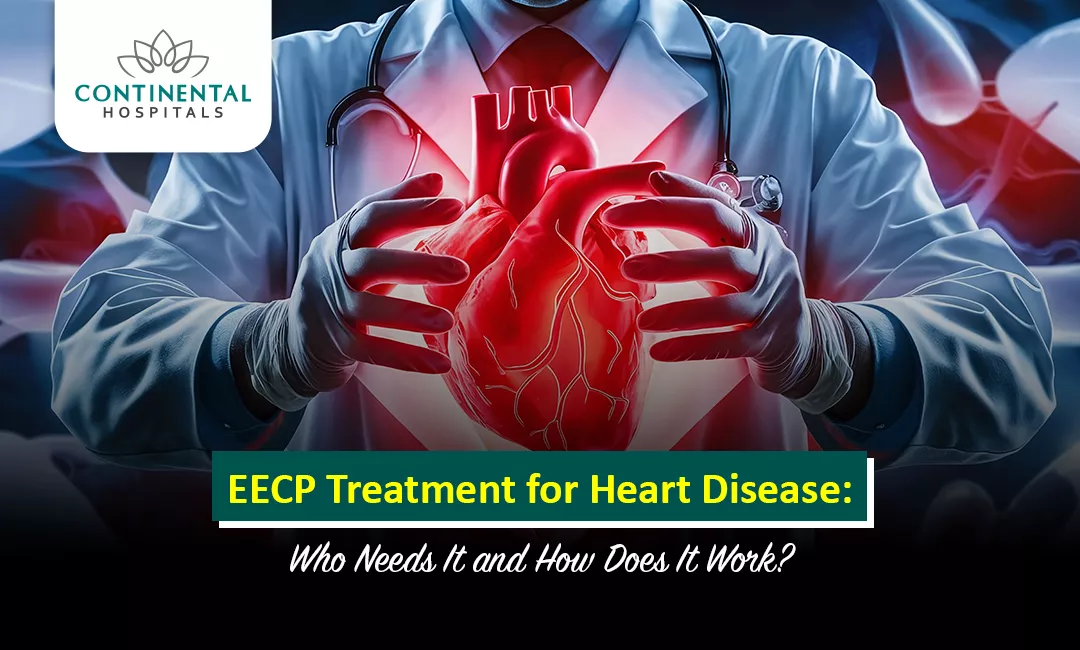
EECP Treatment for Heart Disease: Who Needs It and How Does It Work?

Written by - Editorial Team
Medically Reviewed by - Dr Tirumala Naresh Arava

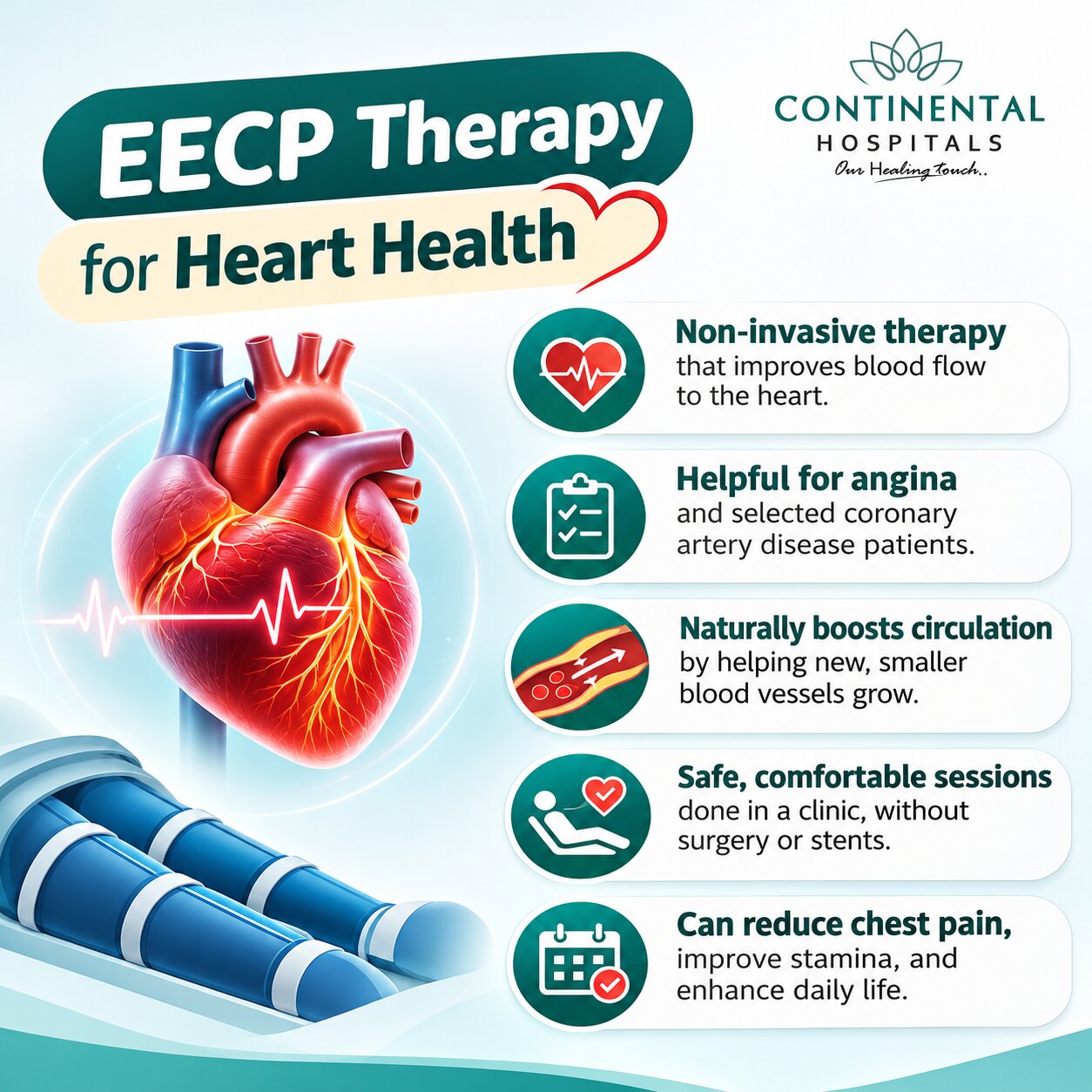
EECP therapy is one of the options that can help improve blood circulation in people suffering from some types of heart disease and in particular those people suffering from continuous chest pain because of lack of adequate blood supply to the heart. EECP is an abbreviation for Enhanced External Counterpulsation. EECP therapy involves use of inflatable cuffs placed on the legs to help improve blood supply to the heart. The process differs from the other types of therapy because it does not require surgery or insertion of any instrument inside the blood vessels.

Who requires EECP therapy and how does EECP therapy work? Individuals who suffer from chronic angina and who continue to suffer despite medication and other forms of treatment can benefit from this form of treatment.

How Does EECP Therapy Work?

How does EECP help increase blood flow in the body? The process involves the use of special inflatable cuffs that are placed on the calf, thigh, and buttock regions. These inflatable cuffs are attached to a computerized system that operates in harmony with the heartbeat of the patient.

Some of the key aspects involved in EECP are as follows:

1. Patient Preparations: The patient rests comfortably on a treatment table where cuffs are put on his/her legs.
2. Heartbeat Measurements: Electrodes measure heartbeats in order to synchronize the process with the heartbeat.
3. Cuff Inflation: The cuffs are inflated one after another when the heart relaxes.
4. Cuff Deflation: The cuffs deflate rapidly just before the heart beats.
5. Increased Blood Flow: The repeated process may result in increased blood flow towards the heart and the formation of new pathways for blood flow.

Visit the Best Heart Specialist Hospital in Hyderabad at Continental Hospitals, Hyderabad, for expert heart care and advanced cardiac services.

Which Individuals Require EECP Therapy?

Is EECP therapy meant for all individuals having some kind of heart disease? The answer is no; it is usually recommended for certain patients with stable angina whose condition has not been brought under control by proper medicine.

There are some cases where EECP therapy can be recommended to individuals who have:

  • Stable angina caused by coronary artery disease.
  • Symptoms of chest discomfort even when taking prescribed medications.
  • Not been deemed ideal for any invasive procedures concerning their heart.
  • Angioplasty or bypass surgery that did not reduce their symptoms.
  • The need for more treatment to help them carry out everyday tasks.
What Are the Benefits of EECP Treatment?

Why can EECP treatment be valuable to selected heart disease sufferers? First, it is a non-invasive heart procedure, and thus it doesn’t involve any surgery or introduction of tools into blood vessels.

Second Opinion

Here are some possible EECP benefits:

1. Enhanced Blood Flow: The treatment might aid in increasing blood flow towards the heart muscle.
2. Decreased Chest Pain: There are cases where angina pain decreases.
3. Increased Physical Activity Capacity: Patients can engage in physical activities more easily.
4. Non-Invasive Procedure: No surgical incision is involved.
5. Enhanced Quality of Life: Patients who have angina suffer less from its symptoms and feel more comfortable during daily activities.
6. Outpatient Treatment: Most patients do not need to stay in hospital to receive their sessions.

EECP benefits vary individually. EECP cannot treat coronary artery disease and is not a substitute for any medications or treatments necessary for the patient’s condition.

How Long Is the EECP Treatment?

What does the EECP treatment schedule look like? Usually, it takes one session every day, five days a week for about seven weeks. One session lasts for about one hour.

What Happens During the EECP procedure?

  • You stay conscious and relaxed.
  • Your heart rate and blood pressure might be monitored.
  • Cuffs inflate and deflate following your heart beats.
  • You can resume light activity after the treatment according to your doctor’s recommendation.

Treatment schedules may vary from patient to patient.

Does EECP Procedure Have Any Risks or Side Effects?

Is the EECP procedure totally free from any risks and side effects? EECP is considered relatively safe for properly selected patients, but there may be some side effects experienced by some patients.

Need an Appointment?

Possible side effects may include:

  • Irritation and bruises at cuff sites.
  • Leg pain and muscular pain.
  • Feeling of exhaustion after procedure.
  • Skin sensitivity due to repetitive compression with cuffs.

Patients with some diseases may be contraindicated for the EECP procedure, such as severe peripheral artery disease, severe aortic regurgitation, hypertension, presence of blood clots, or heart arrhythmia. It should be assessed by a cardiologist prior to the procedure.

In case of acute chest pain, visit the emergency room immediately rather than scheduling your EECP session.

Why Should You Consider EECP Therapy at Continental Hospitals?

Why is it crucial to have specialized advice before opting for EECP therapy? Heart diseases need a thorough analysis because not all patients with coronary artery disease can be treated the same way.

Continental Hospitals of Hyderabad provides cardiac services backed by seasoned cardiologists, advanced diagnostics facilities, and the expertise of multi-specialty doctors. The hospital has been certified by the Joint Commission International and the National Accreditation Board for Hospitals and Healthcare Providers in India.

The cardiac care specialists emphasize the importance of diagnosing the patient and choosing the appropriate treatment program.

Conclusion

EECP treatment is one of the non-invasive treatments for the heart that could benefit certain heart patients suffering from chronic stable angina to improve blood circulation and control chest pains. The procedure involves compression cuffs on the legs to enhance the blood flow to the heart. While EECP treatment has certain advantages, the procedure is not meant for all heart patients and must only be recommended following an appropriate medical assessment.

If you have been experiencing constant chest pains, chronic angina, or other problems associated with coronary artery disease, please consult our best cardiologist in Hyderabad at Continental Hospitals, Hyderabad, for a complete cardiac examination and advice on appropriate treatment options.

Frequently Asked Questions

EECP stands for Enhanced External Counterpulsation. It is a non-invasive treatment used for certain heart conditions. The treatment helps improve blood circulation to the heart muscle. It uses inflatable cuffs placed around the legs and lower body. These cuffs inflate and deflate in coordination with the heartbeat. Inflation occurs when the heart relaxes between beats. This helps push blood towards the heart. Deflation occurs before the heart pumps again. This reduces the resistance against which the heart has to pump. EECP may help improve symptoms of chronic stable angina. It is generally considered for patients who continue to experience symptoms despite standard treatment. It does not replace prescribed heart medications or necessary procedures. A cardiologist can determine whether EECP is suitable.
EECP works by improving blood flow towards the heart. During treatment, inflatable cuffs are wrapped around the calves, thighs and buttocks. These cuffs are connected to a specialised machine. The machine monitors the patient's heartbeat using an ECG. The cuffs inflate when the heart is in its relaxation phase. This pushes blood from the lower body towards the heart. They deflate just before the heart contracts. This allows the heart to pump blood with less resistance. The process may encourage the development of natural bypass pathways called collateral circulation. Better circulation may help reduce chest pain in selected patients. Each session usually lasts about one hour. Treatment is commonly provided over several weeks. The cardiologist monitors the patient's response throughout the treatment course.
EECP may be recommended for selected patients with chronic stable angina. It can be considered when chest pain continues despite medication. Some patients may not be suitable for angioplasty or bypass surgery. Others may continue experiencing symptoms even after previous heart procedures. EECP may help improve blood circulation to the heart muscle. It can potentially reduce the frequency of angina episodes. Patients who experience breathlessness due to certain heart conditions may also need evaluation. However, EECP is not suitable for everyone with heart disease. The patient's heart function and overall health must be assessed. Existing medical conditions can influence treatment eligibility. A cardiologist may recommend tests before starting therapy. Treatment decisions should always be based on individual clinical evaluation. Patients should never delay emergency care for sudden or severe chest pain.
EECP is generally considered a safe non-invasive treatment for appropriately selected patients. It does not require surgery or anaesthesia. The treatment uses external inflatable cuffs to improve blood circulation. Some patients may experience temporary leg discomfort or skin irritation. Muscle soreness and bruising can also occur. Certain medical conditions may increase the risk of complications. These include significant aortic valve disease and uncontrolled high blood pressure. Some heart rhythm problems may also require careful evaluation. Patients with blood clots or certain vascular conditions may not be suitable. The cardiologist reviews medical history before recommending treatment. Heart function and circulation are assessed when necessary. The treatment team monitors the patient during each session. Following medical advice helps improve treatment safety. Always discuss possible risks and benefits with your cardiologist.
EECP treatment is usually provided as a course of multiple sessions. A standard treatment course commonly includes 35 sessions. Each session generally lasts around one hour. Most patients receive treatment five days a week. The complete course usually takes approximately seven weeks. The patient rests comfortably during the procedure. Inflatable cuffs are placed around the legs and lower body. The machine coordinates cuff movements with the heartbeat. Patients can usually return to their normal activities after each session. The exact schedule may vary depending on individual health needs. Some patients may require additional assessment during treatment. The cardiologist monitors symptoms and overall progress. Completing the recommended course is important for evaluating the response. Patients should follow their specialist's instructions throughout therapy.
EECP may help some patients manage angina without undergoing another invasive procedure. It can be considered when symptoms continue despite medical treatment. Some patients may not be suitable candidates for angioplasty or bypass surgery. In selected cases, EECP may help improve symptoms and exercise tolerance. However, it cannot replace heart surgery when surgery is medically necessary. It does not remove blockages from the coronary arteries. It also does not repair damaged heart valves. The treatment mainly aims to improve blood circulation to the heart. Whether surgery can be avoided depends on the patient's heart condition. A cardiologist must evaluate the severity of coronary artery disease. Medical tests help determine the most appropriate treatment option. EECP should not delay necessary cardiac procedures. Patients should discuss all available treatment choices with their heart specialist. Individualised treatment planning is essential.
EECP may help reduce chest pain caused by chronic stable angina. It works by improving blood flow towards the heart muscle. Better circulation may help the heart receive more oxygen-rich blood. This can reduce the frequency of angina episodes in some patients. Certain patients may also notice improved exercise tolerance. The treatment is particularly considered for people with persistent symptoms. Results can vary depending on the underlying heart condition. Some patients may experience noticeable improvement after completing treatment. Others may have limited or no improvement. EECP does not remove coronary artery blockages. It should be used alongside appropriate heart medications when prescribed. A cardiologist evaluates symptoms before recommending this therapy. Sudden, severe or new chest pain requires immediate medical attention. Do not wait for an EECP appointment if you suspect a heart attack.
EECP and angioplasty are different treatments for heart disease. Angioplasty is a procedure that opens narrowed coronary arteries. It commonly involves placing a small balloon and sometimes a stent. EECP is a non-invasive treatment that improves blood circulation. It uses external cuffs placed around the lower body. Angioplasty directly treats selected coronary artery blockages. EECP does not physically remove or open these blockages. EECP may be considered for patients with persistent angina despite other treatments. It may also be an option for selected patients who cannot undergo invasive procedures. Neither treatment is universally better than the other. The choice depends on the patient's heart condition and medical history. Emergency coronary blockages require appropriate urgent medical care. A cardiologist evaluates the benefits and risks of each option. The most suitable treatment should be selected through specialist consultation.
Patients looking for EECP treatment in Hyderabad should consult an experienced cardiologist. A proper heart evaluation is important before starting treatment. The specialist reviews symptoms, medical history and previous cardiac procedures. Diagnostic tests may be recommended to understand heart function. The doctor then determines whether EECP is an appropriate option. Continental Hospitals in Hyderabad provides specialised cardiac care and evaluation. Patients can consult the cardiology team for guidance on heart disease management. The team can assess whether non-invasive treatments may be suitable. Individual treatment plans depend on the patient's condition. Patients should discuss the expected benefits and possible risks before starting therapy. Regular monitoring helps evaluate treatment response. EECP may be considered as part of a comprehensive cardiac care plan. Early medical attention can help manage heart-related symptoms. Consult a cardiologist at Continental Hospitals for personalised guidance.
Disclaimer: The information provided in this blog is intended for general knowledge and informational purposes only, and does not constitute medical advice. Always consult with a qualified healthcare professional for any medical concerns or before making any decisions about your health.

Get in Touch With Us

Whether you are from India or abroad, we are here to help you with your medical queries. Please fill out the form below and our team will connect with you shortly.

  • ✔ Quick response from our medical experts
  • ✔ Secure data handling & privacy
  • ✔ Easy upload for reports & documents
banner_image

Chat with our medical experts on WhatsApp for quick assistance and hassle-free appointment booking

Recent Posts