
post-title

5 Possible Signs of High Cholesterol in Men You Should Not Ignore

Written by - Editorial Team
Medically Reviewed by - Dr CVN Murthy

High cholesterol in men is one of the health issues experienced by many and which could lead to various heart diseases such as heart attacks and stroke. High cholesterol refers to fat in the blood which helps in the production of hormones and building of cells in the body. When the levels of cholesterol get very high, then fatty substances get accumulated in the blood vessels making it hard for blood to circulate.

The main concern about having high cholesterol in men is the fact that there are no symptoms experienced during the beginning. Most men suffer from high cholesterol unknowingly and may only know when they undertake a blood test or a health issue associated with high cholesterol. It is important to understand the signs of high cholesterol in men and the ranges of high cholesterol.

What Are the 5 Possible Symptoms of High Cholesterol in Men?

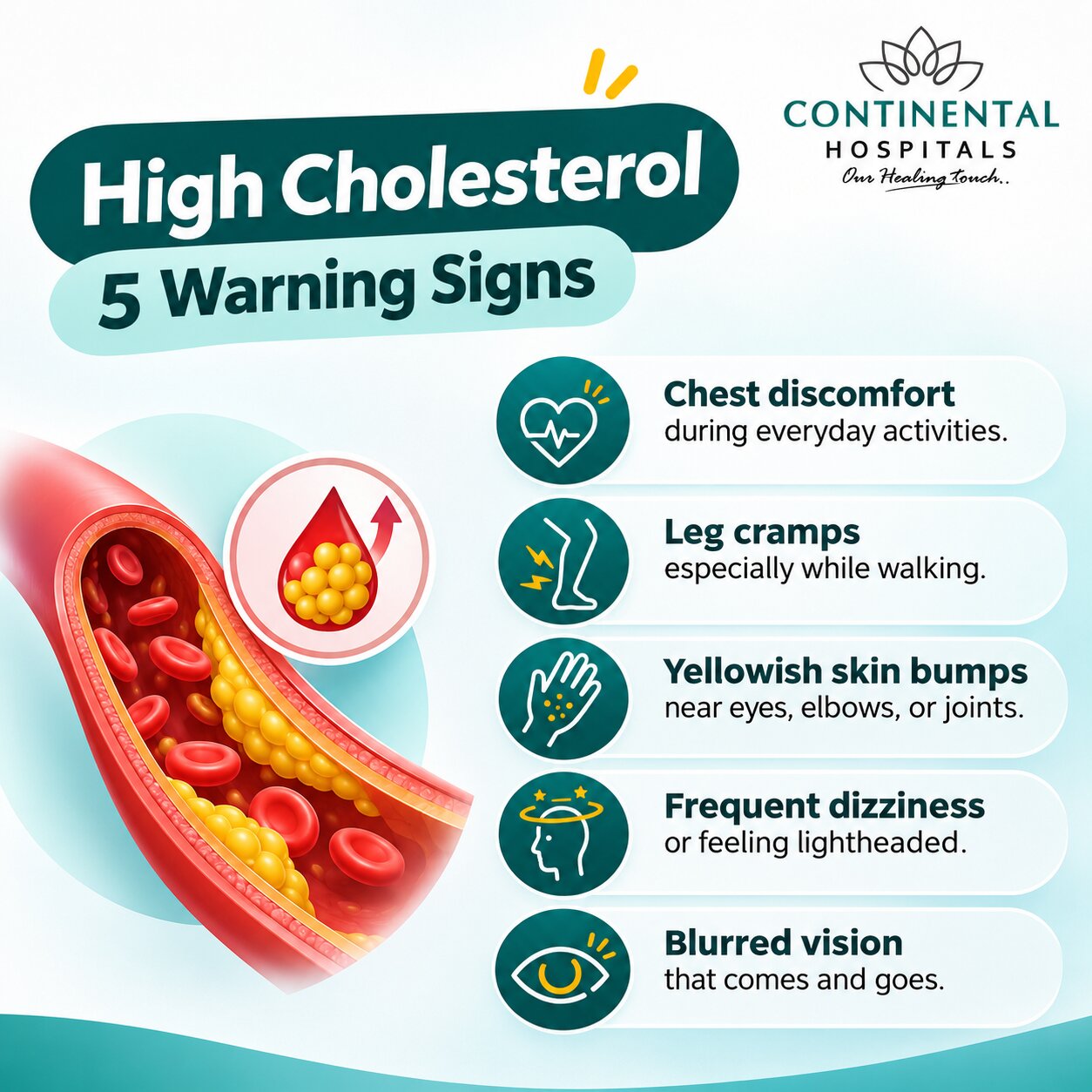
Though high cholesterol itself is usually without any symptoms, there are certain physical changes that may be associated with complications arising due to the accumulation of cholesterol. Here are 5 possible signs that men should take seriously.

1. Is Chest Pain a Symptom of High Cholesterol?

Yes. You may suffer from chest pain or discomfort due to high accumulation of cholesterol that causes narrowing of blood vessels that supply oxygen to the heart. This condition is known as coronary artery disease.

The symptoms include:

  • Pain or discomfort in the chest area.
  • Pain spreading to the shoulders, arms, neck or jaw.
  • Pain in the chest during physical activities.
  • Shortness of breath accompanied by chest pain.

Visit the Best Heart Specialist Hospital in Hyderabad at Continental Hospitals, Hyderabad, for expert cardiac care.

2. Can Pain in Legs While Walking Be a Symptom of High Cholesterol?

Pain in the legs while walking could suggest peripheral artery disease, where the blood vessels get narrowed owing to fatty deposits.

Second Opinion

Symptoms include:

  • Leg pain or cramps while walking
  • Leg pain relieved by rest
  • Weakness or numbness in legs
  • Coldness in one foot or leg
  • Sores that do not heal on feet

Such symptoms should be examined by a medical practitioner as these could be signs of poor blood flow.
3. Can Yellow Depositions on the Skin Indicate High Cholesterol Levels?

Tiny yellow deposition spots near the eyes, elbows, knees, or other parts of the skin might sometimes indicate high cholesterol. The term used for such deposits depends on their place. For example, it can be xanthoma or xanthelasma.

Such changes could look like the following:

  • Yellow spots around the eyelids.
  • Fat deposits under the skin.
  • Tough deposits near tendons, fingers, or elbows.

These symptoms sometimes point to an inherited cholesterol disorder or extremely high cholesterol levels. But there are not always high cholesterol levels behind the yellow spots on the skin.

Need an Appointment?

4. Can Sudden Weakness and Numbness Have Anything to Do With High Cholesterol?

The presence of high cholesterol could cause blockages in the blood vessels that supply blood to the brain, thus posing a potential risk of developing a stroke or transient ischemic attack.

Signs of this condition may include:

  • Sudden weakness in the face, arm, and leg.
  • Sudden numbness on one side of the body.
  • Trouble speaking.
  • Sudden trouble seeing.
  • Loss of balance.

5. Can Erectile Dysfunction be Associated with High Cholesterol?

Yes. High levels of cholesterol could cause poor blood circulation as it narrows the blood vessels, while erections rely on good blood flow, making it difficult for a man to achieve an erection due to poor circulation of blood.

Signs include:

  • Inability to achieve an erection.
  • Inability to sustain an erection.
  • Weak erection.

There could be other reasons for erectile dysfunction, such as diabetes, stress, hormone imbalances, and heart disease.

Causes of High Cholesterol in Men

What makes men have high levels of cholesterol? There are various causes that may lead to the high levels of cholesterol in men.

These include:

  • A diet rich in saturated and trans fats.
  • Inactivity in engaging in regular exercises.
  • Overweight or obesity.
  • Smoking and tobacco smoking.
  • Alcohol abuse.
  • Thyroid diseases and diabetes.
  • Genetics and family history of high cholesterol.
  • Aging.

What Are the Normal Cholesterol Ranges?

How do you know whether your cholesterol levels are healthy? A lipid profile blood test measures total cholesterol, LDL, HDL, and triglycerides.

The following are general reference levels for adults:

Cholesterol Test Desirable Level
Total cholesterol Below 200 mg/dL
LDL cholesterol Below 100 mg/dL is optimal
HDL cholesterol 40 mg/dL or higher in men
Triglycerides Below 150 mg/dL

Your ideal cholesterol levels may differ depending on your age, medical history, and cardiovascular risk. A doctor can help interpret your results.

How Can Men Maintain Good Cholesterol?

Are there changes in one’s way of life that could assist in managing high cholesterol in men? Yes, there are several good lifestyle choices that could help maintain proper cholesterol levels.

These steps may include:

  • Eating a healthy and balanced diet: One should include fruits, vegetables, grains, nuts and fiber-rich products in his/her diet.
  • Having a regular physical activity: Walking, riding a bike, swimming and any other physical exercises may help to have healthy cholesterol levels.
  • Having a healthy weight: This would help improve the condition of your heart.
  • Not smoking: It could help to increase HDL cholesterol.

Having a proper intake of unhealthy fats.

Why Opt for Continental Hospitals for Good Heart Health?

Why is the process of cholesterol testing required? Because high cholesterol in men is typically not associated with any symptoms, it is necessary to carry out regular tests and follow the recommendations of the specialist.

Continental Hospitals in Hyderabad provides excellent services for the cardiovascular system with the assistance of experienced doctors, diagnostic laboratories, and medical professionals. The clinic has received accreditation both at the national and international levels from JCI and NABH. 

Taking into account patient-oriented principles, the emphasis is put on cardiovascular risk, prevention, diagnostics, and treatment.

Conclusion

The occurrence of high cholesterol in men could quietly pose serious risks of developing cardiovascular conditions. Even though high cholesterol levels do not cause any symptoms, some warning signs such as chest pain, leg pain during walking, yellow fatty deposits, sudden weakness, and difficulty getting an erection may be a sign of underlying health complications.

Don't wait until you develop symptoms but get your cholesterol levels checked as a prevention measure against heart disease. Lipid profiling along with healthy eating habits, exercises, and doctor's recommendations may help keep your heart safe.

If you have symptoms such as chest pain and poor circulation and are worried about high cholesterol levels, you should consult our best cardiologist in Hyderabad at Continental Hospitals, Hyderabad.

Related Blogs:

  1. High Cholesterol Diet: 15 Best Foods to Lower Cholesterol Naturally
  2. Struggling With High Cholesterol? Try This Diet Plan

Frequently Asked Questions

High cholesterol usually does not cause noticeable symptoms in men. Many people have elevated cholesterol levels without knowing it. However, certain health changes may indicate cholesterol-related complications. Chest pain can occur when cholesterol buildup narrows the heart arteries. Breathlessness during physical activity may indicate an underlying heart problem. Pain in the legs while walking can sometimes indicate peripheral artery disease. Yellowish fatty deposits around the eyes may occur in some people with high cholesterol. These deposits are called xanthelasma. Some men may develop fatty lumps around tendons, known as xanthomas. Erectile dysfunction can sometimes be associated with underlying blood vessel problems. However, these signs do not confirm high cholesterol. A lipid profile blood test is the most reliable way to check cholesterol levels. Regular health screenings help identify the condition early.
High cholesterol can contribute to chest pain by affecting blood flow to the heart. Excess LDL cholesterol can accumulate inside artery walls. This buildup forms fatty deposits called plaques. Over time, these plaques can narrow the coronary arteries. Reduced blood flow may prevent the heart from receiving enough oxygen. This condition can lead to coronary artery disease. Some men may experience chest discomfort during physical activity. The discomfort may feel like pressure, tightness or heaviness. In certain cases, chest pain can occur even while resting. High cholesterol itself does not usually produce chest pain directly. Chest pain may indicate an underlying cardiovascular complication. Sudden chest pain, especially with sweating or breathlessness, requires emergency medical attention. Early diagnosis and cholesterol management can help reduce cardiovascular risks.
High cholesterol may contribute to erectile dysfunction in some men. Excess LDL cholesterol can accumulate inside blood vessel walls. This can cause arteries to become narrow and less flexible. Reduced blood circulation may affect blood flow to the penis. Adequate blood flow is essential for achieving and maintaining an erection. High cholesterol can also contribute to atherosclerosis. This condition affects blood vessels throughout the body. Men with diabetes, high blood pressure and obesity may have additional risks. Erectile dysfunction can sometimes be an early sign of vascular disease. However, it can also result from hormonal, psychological or neurological factors. Not every man with high cholesterol experiences erectile dysfunction. A lipid profile can help identify abnormal cholesterol levels. Men experiencing persistent erection difficulties should consult a qualified urologist or healthcare specialist. Managing cholesterol and other cardiovascular risk factors can support overall vascular health.
High cholesterol in men can develop due to several lifestyle and health-related factors. Eating foods rich in saturated and trans fats can increase LDL cholesterol. Regular consumption of fried and processed foods may contribute to unhealthy cholesterol levels. Lack of physical activity can also affect cholesterol balance. Being overweight or obese increases the risk of abnormal lipid levels. Smoking can damage blood vessels and lower HDL cholesterol. Excessive alcohol consumption may increase triglyceride levels. Diabetes can also contribute to unhealthy cholesterol patterns. An underactive thyroid may raise cholesterol levels in some individuals. Kidney and liver conditions can also affect lipid metabolism. Family history plays an important role in cholesterol levels. Some men inherit genetic conditions that cause high cholesterol. Age-related changes can also influence cholesterol levels. Adopting healthy habits and getting regular medical checkups can help manage these risk factors.
High cholesterol is diagnosed through a blood test called a lipid profile. This test measures different types of fats circulating in the blood. It generally includes total cholesterol, LDL cholesterol and HDL cholesterol. It also measures triglyceride levels. LDL is commonly called bad cholesterol because high levels can contribute to plaque buildup in arteries. HDL is known as good cholesterol because it helps transport cholesterol away from the bloodstream. Triglycerides are another type of fat that can increase cardiovascular risk when elevated. The doctor evaluates these results according to individual health conditions. Age, family history, diabetes and blood pressure are also considered. Some patients may need additional investigations to assess cardiovascular health. Fasting may not always be necessary before a lipid profile. The doctor will provide instructions based on the patient's requirements. Regular testing helps identify cholesterol abnormalities before complications develop.
High cholesterol can often be improved through healthy lifestyle changes. Eating a balanced diet is an important first step. Include vegetables, fruits, whole grains and fibre-rich foods in daily meals. Oats, beans and legumes can help support healthy cholesterol levels. Choose healthy fats from nuts, seeds and suitable vegetable oils. Limit foods containing saturated and trans fats. Regular physical activity can help improve cholesterol balance. Walking, cycling and swimming are useful forms of exercise. Maintaining a healthy body weight can also reduce cholesterol-related risks. Avoid smoking because it damages blood vessels and affects HDL cholesterol. Limit alcohol consumption and follow medical advice. Adequate sleep and stress management support overall cardiovascular health. However, lifestyle changes may not be sufficient for everyone. Some men may require cholesterol-lowering medication prescribed by a doctor.
Untreated high cholesterol can increase the risk of serious cardiovascular diseases. Excess LDL cholesterol can gradually accumulate inside artery walls. This process is called atherosclerosis. Over time, fatty plaques can narrow and harden the arteries. Reduced blood flow can affect important organs, including the heart and brain. When blood supply to the heart becomes restricted, coronary artery disease may develop. A complete blockage of a heart artery can cause a heart attack. If blood flow to the brain is interrupted, a stroke may occur. Cholesterol buildup can also affect blood circulation in the legs. This may cause peripheral artery disease. Some people develop complications without experiencing early warning symptoms. The risk can be higher in men with diabetes, hypertension or a family history of heart disease. Regular cholesterol testing and appropriate treatment can help prevent complications. Early medical attention is important for long-term cardiovascular health.
Men should check their cholesterol levels regularly to monitor cardiovascular health. The frequency of testing depends on age and individual risk factors. Healthy adults may need cholesterol screening at regular intervals. Men with diabetes, high blood pressure or obesity may require more frequent testing. A family history of heart disease can also increase the need for early screening. Men with previously diagnosed high cholesterol should follow their doctor's testing schedule. A lipid profile helps monitor LDL, HDL, total cholesterol and triglycerides. It also helps doctors understand whether lifestyle changes are working. Patients taking cholesterol-lowering medication may need periodic blood tests. Men who smoke or have a sedentary lifestyle should discuss screening with their doctor. Early detection helps reduce the risk of heart-related complications. Do not wait for physical symptoms before checking cholesterol levels. Consult a healthcare professional to determine the appropriate screening frequency.
Disclaimer: The information provided in this blog is intended for general knowledge and informational purposes only, and does not constitute medical advice. Always consult with a qualified healthcare professional for any medical concerns or before making any decisions about your health.

Get in Touch With Us

Whether you are from India or abroad, we are here to help you with your medical queries. Please fill out the form below and our team will connect with you shortly.

  • ✔ Quick response from our medical experts
  • ✔ Secure data handling & privacy
  • ✔ Easy upload for reports & documents
banner_image

Chat with our medical experts on WhatsApp for quick assistance and hassle-free appointment booking

Recent Posts