post-title

New Advances in Liver Testing: Can Blood Tests Replace Liver Biopsy?

Written by - Editorial Team
Medically Reviewed by - Dr. Raghavendra Yarlagadda

Liver biopsy is a diagnostic test during which a piece of liver tissue is sampled and studied under the microscope. Such an analysis allows identifying different changes in liver tissues such as damage, inflammation, scar tissue development, and other processes. Liver biopsy is used when there is insufficient information from blood tests and imaging studies about the nature of the disease affecting the liver.

In recent years, due to the advances in the field of medical diagnostics, a number of new methods of non-invasive liver tests have been developed which allow diagnosing the health state of the liver without taking a sample of the tissue. However, there are also specialized blood tests that may be used for assessing the health of the liver. Still, it is unclear whether blood tests will replace liver biopsy in the future.

Which are the common blood tests for liver function evaluation?

Is it possible to diagnose the liver problems using just a single blood test? Yes. Usually, blood tests are used by doctors as a way of starting the evaluation of liver function.

The most common liver function tests are as follows:

1. ALT (Alanine Aminotransferase): Elevated levels may be the sign of liver cell damage.
2. AST (Aspartate Aminotransferase): Elevated levels indicate either liver or muscle injury.
3. ALP (Alkaline Phosphatase): Elevated levels may be associated with problems with bile and liver.
4. Bilirubin: This test helps evaluate the liver's ability to process and remove bilirubin from the body.
5. Albumin: It provides data on the protein-producing capability of the liver.
6. PT (Prothrombin Time): The test evaluates the production of coagulation factors by the liver.

However, despite all the useful information that is provided by liver function tests, they cannot reveal the degree of liver scarring or the cause of some liver diseases.

Visit the gastroenterology specialist doctors at Continental Hospitals, Hyderabad, for expert digestive and liver care.

What are the new developments in noninvasive liver tests?

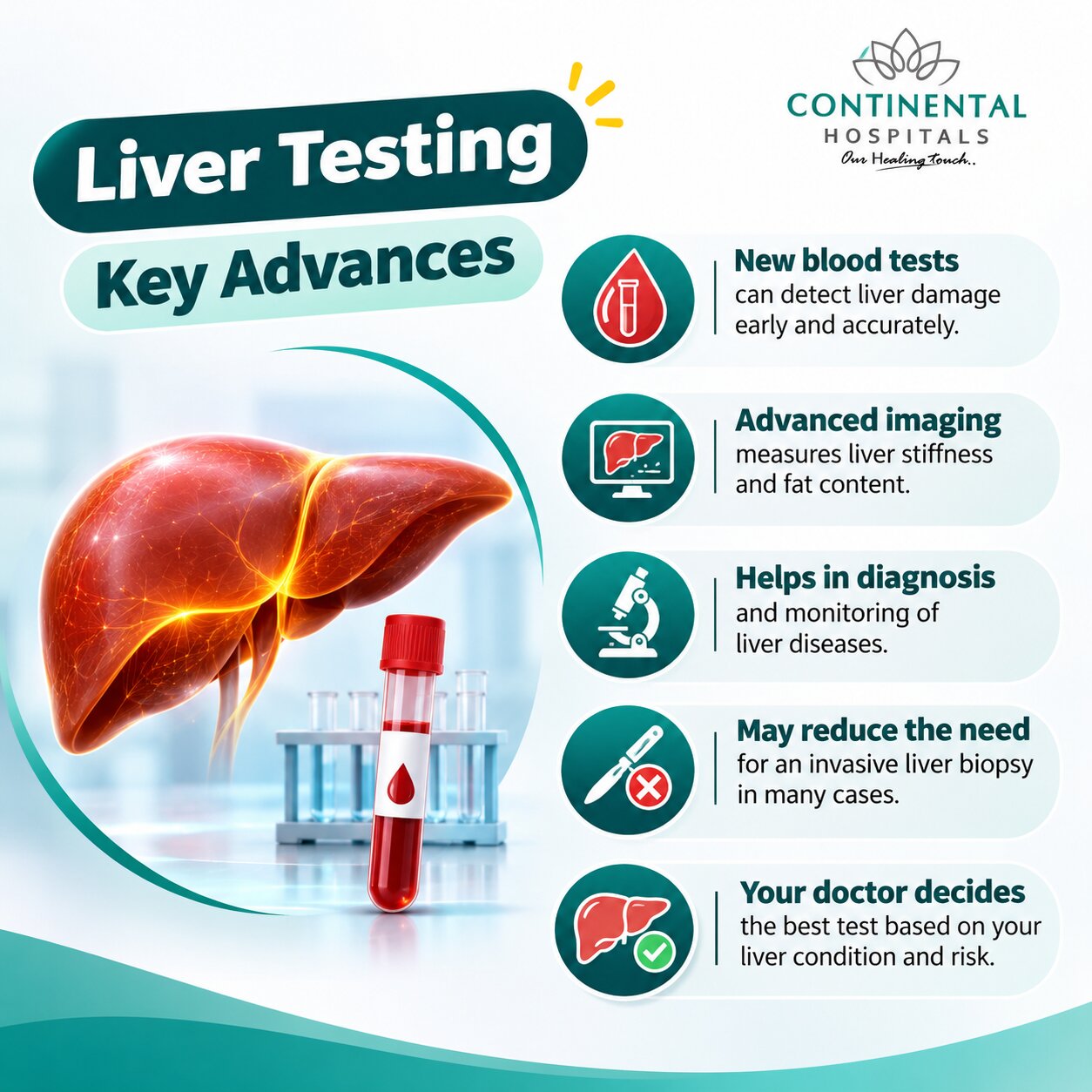
Is there a way to use advanced liver tests to avoid liver biopsy? With modern technologies, it is possible to measure liver damage and fibrosis using a blood sample and special imaging.

The following tests are considered some of the most useful non-invasive liver tests:

Second Opinion

1. FibroScan (Transient Elastography)

FibroScan is a type of non-invasive test that measures the liver stiffness using sound waves. This test helps doctors to estimate the extent of the liver fibrosis, meaning scarring of the liver tissue. Moreover, this test is able to estimate liver fat in certain cases.

2. FIB-4 Score

The FIB-4 score includes information about a person’s age and some results of blood tests, such as AST, ALT, and platelet count. It helps to estimate the probability of advanced liver fibrosis.

3. Enhanced Liver Fibrosis (ELF) Test

The Enhanced Liver Fibrosis Test measures particular proteins that are found in the blood and which are related to liver fibrosis. This test is helpful in determining the probability of having significant liver fibrosis among certain selected patients.

4. APRI

Need an Appointment?

The AST/Platelet Ratio Index (APRI) compares the level of AST and the number of platelets and is used in the estimation of the risk of developing liver fibrosis. This is one of the blood-based assessment methods.

5. Magnetic Resonance Elastography (MRE)

MRE involves the use of magnetic resonance imaging technology to measure liver stiffness.
Is It Possible to Substitute Liver Biopsies with Blood Tests?

Are there any alternatives to the liver biopsy, such as blood tests? No, definitely not.

Noninvasive tests of the liver are important in detecting patients with potential damage or liver fibrosis. In addition, they are necessary for assessing the development of diseases and response to treatment.

Nevertheless, blood tests cannot analyze the liver itself. In certain cases, a liver biopsy should be carried out in order to:

  • Determine the origin of liver diseases
  • Receive contradictory results of blood and imaging tests
  • Suspect the presence of a rare liver disease
  • Evaluate the level of inflammation or damage to the organ tissues.
  • Make a certain diagnosis to treat a particular liver disease

In conclusion, it is up to a patient what method to use to diagnose liver problems.

Who Would Need Liver Function Tests?

Who should undergo liver tests? There are certain people who would need to have their livers checked for any possible problems.

Such individuals are:

  • Those suffering from fatty liver diseases.
  • Those who have hepatitis B and/or hepatitis C infections.
  • Those suffering from diabetes and obesity.
  • Those who drink too much alcohol.
  • Those who have changes in liver function test results that are unknown.
  • Those who have a family history of liver conditions.

Liver diseases at early stages do not have symptoms.

Why Choose Continental Hospitals for Liver Assessment?

Why is the choice of hospital so crucial when it comes to diagnosing a disease of the liver? The liver problems may vary from inflammation to advanced stages of fibrosis and cirrhosis; therefore, their assessment is possible only with the help of experts and the correct diagnostic process.

Continental Hospitals in Hyderabad offers patients professional assistance in gastroenterology and hepatology with the support of highly skilled specialists, diagnostics, and a multidisciplinary medical team.

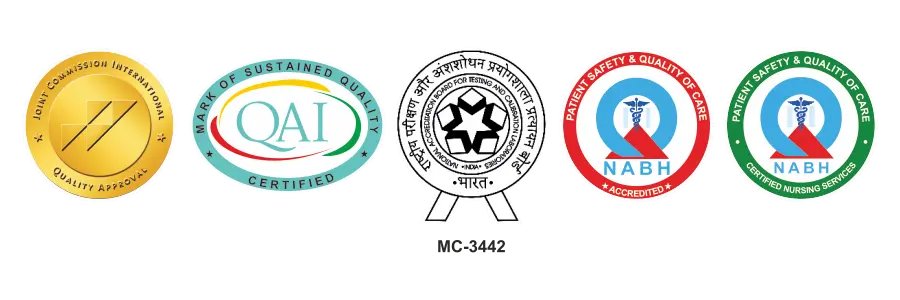
The hospital has international and national healthcare accreditations such as Joint Commission International (JCI), National Accreditation Board for Hospitals and Healthcare Providers (NABH) and Quality and Accreditation Institute (QAI).

By providing a high level of diagnostics and a patient-centric approach to medicine, Continental Hospitals helps patients in the assessment of the liver.

Conclusion

Is there a way by which a blood test could completely replace a liver biopsy? With advancements in blood tests as well as imaging techniques that do not involve any invasion into the body, liver diseases are being detected easily and without much discomfort on the part of the patient. Tests like FibroScan, FIB-4, APRI, and ELF allow the doctor to determine whether there is any liver fibrosis.

A liver biopsy is still very important for certain situations when there is a need for a microscopic examination of the liver tissue. The diagnostic method would depend on the particular situation of the person.

If you are experiencing symptoms due to any liver problem or your liver function tests are not normal or if you have any condition related to the liver, then you should see a consult with our best gastroenterologist in Hyderabad at Continental Hospitals, Hyderabad.

Related Blogs:

  1. Does Fatty Liver Disease Affect Vitamin D Metabolism? Expert Insights
  2. Fatty Liver Disease: Can Lifestyle Changes Reverse It?

Frequently Asked Questions

Yes, blood tests can help detect liver damage and assess liver function. Liver function tests measure enzymes and proteins in the blood. Common tests include ALT, AST, ALP, bilirubin and albumin. Elevated liver enzymes may indicate inflammation or injury. Bilirubin levels can help identify problems with bile processing. Albumin levels provide information about the liver's protein production. Blood tests can also help identify certain liver infections. Some advanced tests assess liver fibrosis without requiring a biopsy. These tests help doctors understand the condition of the liver. However, abnormal results do not always indicate serious liver disease. Additional investigations may be needed to identify the exact cause. Doctors may recommend imaging tests or specialised blood tests. Regular monitoring can help track changes in liver health.
In some cases, advanced blood tests can reduce the need for a liver biopsy. These tests help assess liver inflammation, scarring and fibrosis. Tests such as FIB-4 and APRI use routine blood results to estimate fibrosis risk. Enhanced Liver Fibrosis testing can provide additional information about liver scarring. These methods are non-invasive and usually require only a blood sample. They are useful for monitoring certain chronic liver conditions. However, blood tests cannot replace every liver biopsy. A biopsy may still be necessary when the diagnosis is unclear. It can also help identify specific liver diseases. Doctors consider symptoms, medical history and test results before recommending a procedure. Imaging tests may provide further information about liver stiffness. The decision depends on the patient's individual condition. A liver specialist can determine which testing approach is most appropriate.
A non-invasive liver test evaluates liver health without taking a tissue sample. These tests help identify inflammation, damage and scarring. Blood tests are among the most commonly used non-invasive methods. They measure liver enzymes, proteins and other important markers. Fibrosis scores such as FIB-4 help estimate the possibility of liver scarring. FibroScan is another commonly used non-invasive assessment. It uses special ultrasound technology to measure liver stiffness. Magnetic resonance elastography can also evaluate liver stiffness. These tests generally do not require surgery or tissue removal. They are useful for monitoring patients with chronic liver conditions. The results help doctors decide whether further investigations are necessary. Some patients may still require a liver biopsy for confirmation. The choice of test depends on the suspected liver condition. A specialist can recommend the most suitable evaluation.
FIB-4 is a non-invasive scoring method used to estimate liver fibrosis risk. It helps doctors assess the possibility of liver scarring. The calculation uses age, AST, ALT and platelet count. These values are obtained through routine blood investigations. FIB-4 is commonly used in patients with fatty liver disease and other chronic liver conditions. It helps identify patients who may have a low or high risk of advanced fibrosis. A low score can help rule out advanced fibrosis in appropriate clinical settings. A high score may indicate the need for further evaluation. It does not directly measure liver scarring. Results must be interpreted according to age and clinical circumstances. Doctors may recommend FibroScan or other investigations when necessary. FIB-4 can help reduce unnecessary invasive procedures. However, it cannot completely replace a liver biopsy in every patient. A gastroenterologist or hepatologist should interpret the results.
FibroScan is a non-invasive test used to assess liver stiffness. It uses specialised ultrasound-based technology called transient elastography. The test helps doctors estimate the degree of liver fibrosis. It can also provide information about liver fat using a controlled attenuation parameter. During the procedure, a probe is placed against the skin over the liver. The device sends gentle vibrations into the liver tissue. It measures how quickly the resulting waves travel through the liver. Stiffer liver tissue may indicate more advanced scarring. The procedure is generally painless and takes only a short time. It does not require a needle or surgical incision. FibroScan is commonly used for monitoring chronic liver conditions. It can help doctors decide whether further testing is required. However, certain conditions can affect the accuracy of results. A specialist should interpret FibroScan findings alongside other clinical information.
Several blood tests can help assess the possibility of liver fibrosis. FIB-4 is one commonly used fibrosis scoring method. It uses age, AST, ALT and platelet count. The APRI score uses AST levels and platelet count. The Enhanced Liver Fibrosis test measures specific markers associated with liver scarring. These include hyaluronic acid, PIIINP and TIMP-1. Some tests help identify patients at risk of advanced fibrosis. They can also support monitoring of chronic liver disease. These tests do not directly examine liver tissue. Their results provide an estimate of fibrosis risk rather than a definite diagnosis. Doctors may combine blood tests with FibroScan or ultrasound imaging. Further investigations may be required when results are unclear. The appropriate test depends on the patient's medical history. A liver specialist can recommend the right combination of investigations.
A liver biopsy is a medical procedure used to collect a small liver tissue sample. Doctors generally use local anaesthesia to reduce discomfort. A thin biopsy needle is inserted through the skin into the liver. Some patients may experience brief pain or pressure during the procedure. Mild discomfort around the biopsy area can occur afterwards. Most patients are monitored for a few hours following the procedure. Serious complications are uncommon but can include bleeding and infection. The risk depends on the patient's health and medical condition. A liver biopsy provides detailed information about liver tissue. It can help identify inflammation, fibrosis and certain liver diseases. Doctors recommend it when other investigations do not provide sufficient information. Non-invasive tests may help avoid biopsy in selected patients. The specialist will explain the benefits and risks before the procedure. Patients should follow all preparation and aftercare instructions.
You should consider liver testing if you experience symptoms or have risk factors for liver disease. Persistent fatigue and unexplained weakness may require medical evaluation. Yellowing of the eyes or skin can indicate jaundice. Dark urine and pale stools may also suggest liver or bile-related problems. Persistent abdominal discomfort, especially on the upper right side, should not be ignored. People with diabetes, obesity or metabolic syndrome may have an increased risk of fatty liver disease. Regular alcohol consumption can also affect liver health. Certain medications and viral infections may contribute to liver damage. Doctors may recommend liver function tests based on your symptoms and medical history. Additional tests may be needed to assess liver fibrosis. Early evaluation can help identify liver problems before complications develop. Do not wait for severe symptoms before seeking medical advice. Consult a gastroenterologist or hepatologist for appropriate testing. Early diagnosis and timely treatment can help protect liver health.
Disclaimer: The information provided in this blog is intended for general knowledge and informational purposes only, and does not constitute medical advice. Always consult with a qualified healthcare professional for any medical concerns or before making any decisions about your health.

Get in Touch With Us

Whether you are from India or abroad, we are here to help you with your medical queries. Please fill out the form below and our team will connect with you shortly.

  • ✔ Quick response from our medical experts
  • ✔ Secure data handling & privacy
  • ✔ Easy upload for reports & documents
banner_image

Chat with our medical experts on WhatsApp for quick assistance and hassle-free appointment booking

Recent Posts