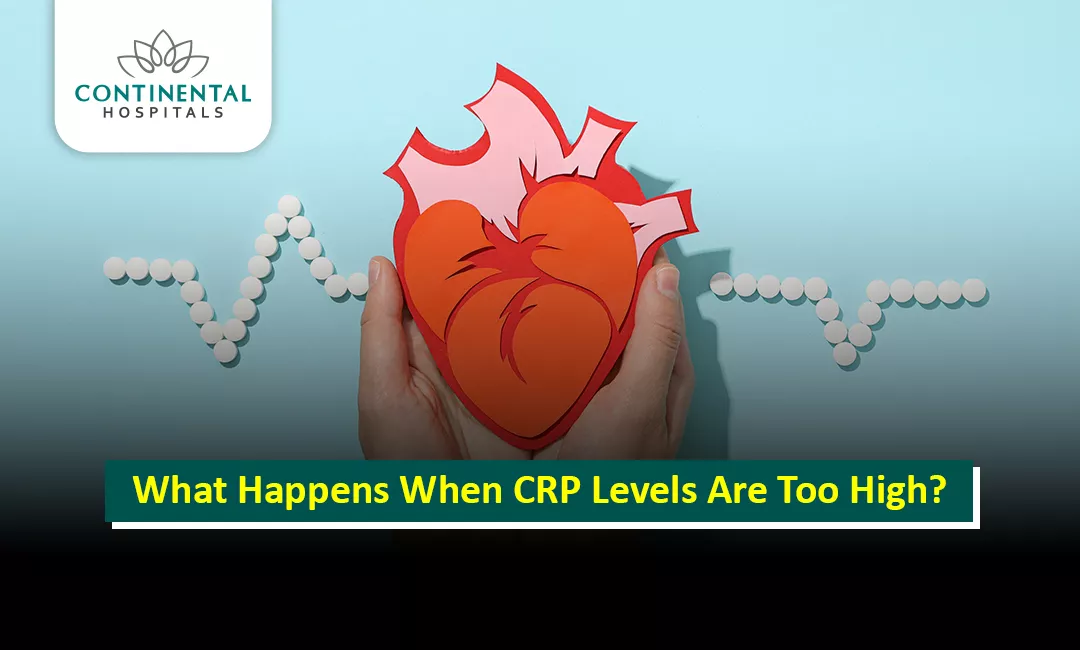
CRP levels are very significant in terms of determining the presence of inflammation in the body. CRP refers to C-reactive protein, a substance that is produced by the liver as a response to inflammation caused by infections, injuries, and some specific diseases. The CRP test enables medical practitioners to determine the presence of inflammation and the body's reaction to illness.
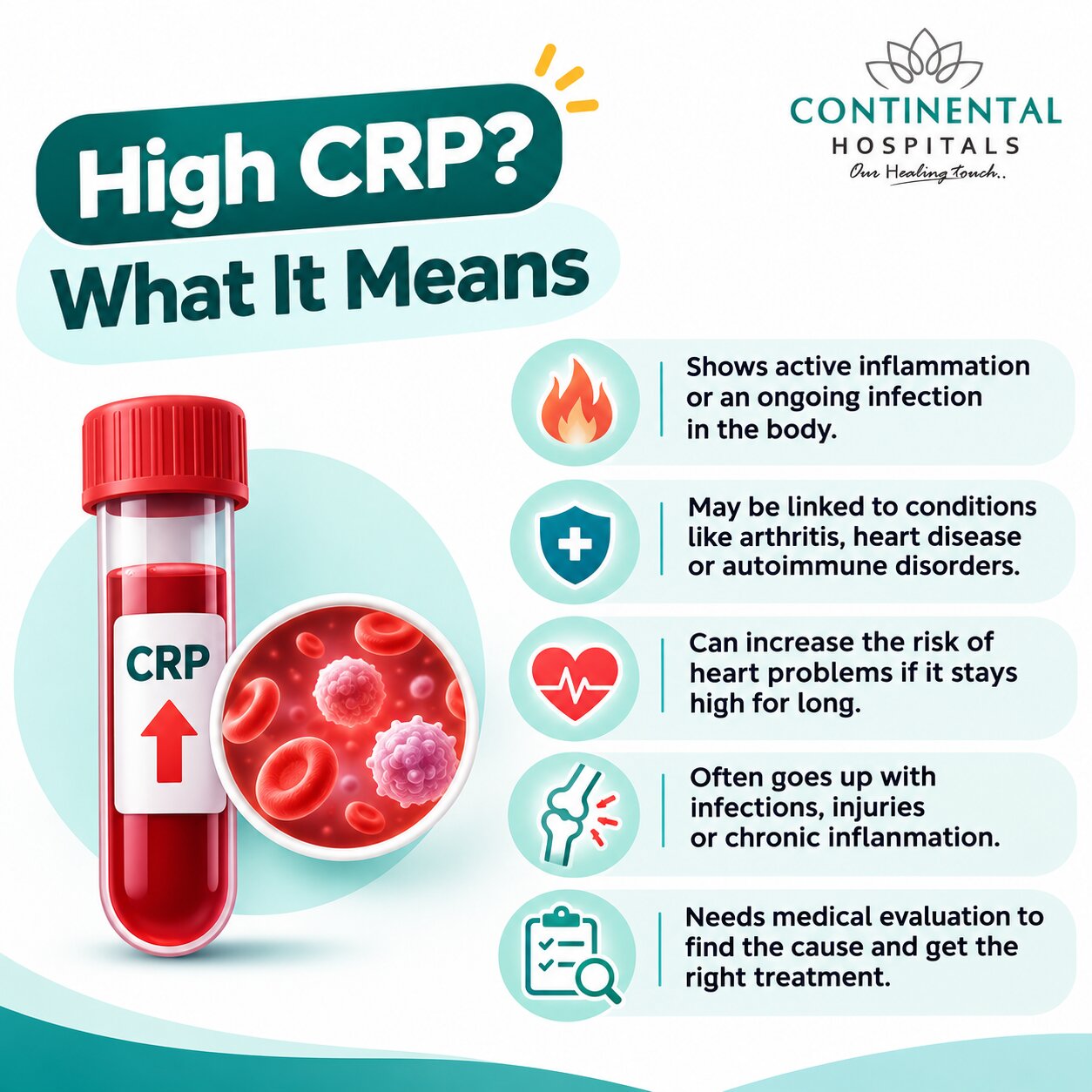
However, what about high CRP levels? In case of high CRP levels, it means that there might be an infection, inflammation, or tissue damage in your body. Although increased CRP levels do not point to any particular disease, they will give the doctor a better idea of your condition and whether additional testing is necessary.
What Is a Normal CRP Value?
What constitutes a normal CRP value? Normally, CRP levels are reported in units of milligrams per liter (mg/L). The actual normal value can differ between laboratories and different tests done.
In general, the following are the interpretations of a standard CRP test result:
- Less than 10 mg/L: It represents a low degree of inflammation.
- 10 to 100 mg/L: It may show moderate inflammation or infection.
- More than 100 mg/L: It may be indicative of severe inflammation or infection.
These are the general ranges, and your physician would give you the final diagnosis based on these results.
Visit the Internal Medicine Department at Continental Hospitals, Hyderabad, for expert care, accurate diagnosis, and personalised treatment.
What Triggers High CRP Level?
CRP level is raised in the body due to several reasons. What makes CRP level to rise? There are certain diseases that raise CRP levels when the immune system reacts to infection, injury, or inflammation, causing the liver to produce more CRP. Here are some factors that increase CRP levels in the body.
Common triggers of high CRP include:
1. Infections: Bacterial and viral infections can cause inflammation.
2. Autoimmune Disorders: Diseases like rheumatoid arthritis and lupus can increase inflammation.
3. Cardiovascular Problems: Certain heart problems are linked to high CRP levels.
4. Chronic Inflammatory Disorders: Digestive diseases and others can cause chronic inflammation.
5. Obesity: Being overweight or obese can lead to inflammation.
6. Physical Injury: Any kind of injury, burns, or tissue damage can raise CRP levels.
7. Surgery: The body's healing process after a surgical procedure can increase CRP level.

What Are the Symptoms of Elevated CRP Levels?
Are there any symptoms that high CRP levels could create? Elevated CRP levels themselves do not lead to symptoms; rather, they can lead to symptoms associated with the condition that leads to inflammation.
CRP-related symptoms may involve:
- The presence of fever or chills.
- Feeling unusually tired and weak.
- Body pain and aches.
- Joint pain or swelling.
- Lack of appetite.
- Pain or discomfort.
- Symptoms caused by an infection, such as coughing or difficulty urinating.
In some cases, people may have elevated CRP levels but not experience any symptoms. In this case, testing for CRP in the blood becomes especially significant.
High Levels of CRP and Your Heart Health?
Is there a link between high levels of CRP and heart disease? Chronic inflammation may be related to a higher risk of developing cardiovascular diseases.
A particular test that detects small changes in CRP is known as the high-sensitivity C-reactive protein (hs-CRP). It can be used along with other risk factors for evaluating the risk of cardiovascular diseases among certain people.
But high levels of CRP do not necessarily imply that you have heart disease. Other factors like high blood pressure, high cholesterol, diabetes, smoking, and a family history should be taken into account.
How Is Elevated CRP Diagnosed?
How do physicians detect elevated inflammation in the body? The CRP test will help to establish the quantity of C-reactive protein in your blood.
Your physician may recommend you undergo some diagnostic procedures according to your symptoms and medical history:
- CRP Blood Test: Checks for the quantity of C-reactive protein.
- Complete Blood Count (CBC): This is used to detect the presence of infection or abnormalities in the blood.
- ESR Test: Gives further details about inflammation.
- Kidney and Liver Tests: Useful to assess your organ function.
How Are High CRP Levels Lowered?
What methods should be used to lower CRP levels if they are too high? It depends on what causes these levels. There is no specific drug that can help lower CRP in all cases.
The following measures are suggested:
1. The treatment of infections caused by bacteria if needed using prescribed antibiotics.
2. The treatment of autoimmune and inflammatory diseases using prescribed drugs.
3. The maintenance of normal body weight with proper nutrition.
4. Physical activity prescribed by a physician.
5. Healthy food, including fruits, vegetables, whole grain foods, and fats.
6. The absence of smoking and limited alcohol drinking.
7. Control of diabetes, high blood pressure, and high cholesterol.
Do not use antibiotics or anti-inflammatory drugs without prescription.
Why Choose Continental Hospitals for Diagnostic and Treatment Purposes?
How does having a specialist become significant when one has high CRP? Elevated CRP could be associated with various diseases; therefore, it becomes necessary to know about the underlying cause to treat them correctly.
Continental Hospitals in Hyderabad offers professional medical services with the help of expert specialists and modern diagnostic tools along with multidisciplinary medical professionals. The hospital has obtained various national and international accreditations for healthcare and patients' safety, which include Joint Commission International (JCI) and National Accreditation Board for Hospitals and Healthcare Providers (NABH).
The hospital aims at determining the underlying cause of inflammation and providing the best treatments through appropriate diagnosis and specialist advice.
Conclusion
An increased CRP level means that inflammation may be occurring somewhere in the body. Inflammation may be caused by infections, autoimmune disorders, injuries, and various diseases. But increased CRP level doesn’t necessarily mean a specific disease has occurred. Identifying its causes will be the key to treatment.
If you experience fever, fatigue, body pains, joint pains, or any symptoms related to inflammation, consult our best internal medicine specialist in Hyderabad at Continental Hospitals, Hyderabad. Early diagnosis and proper treatment will help you identify the causes of inflammation and protect your overall health condition.