post-title

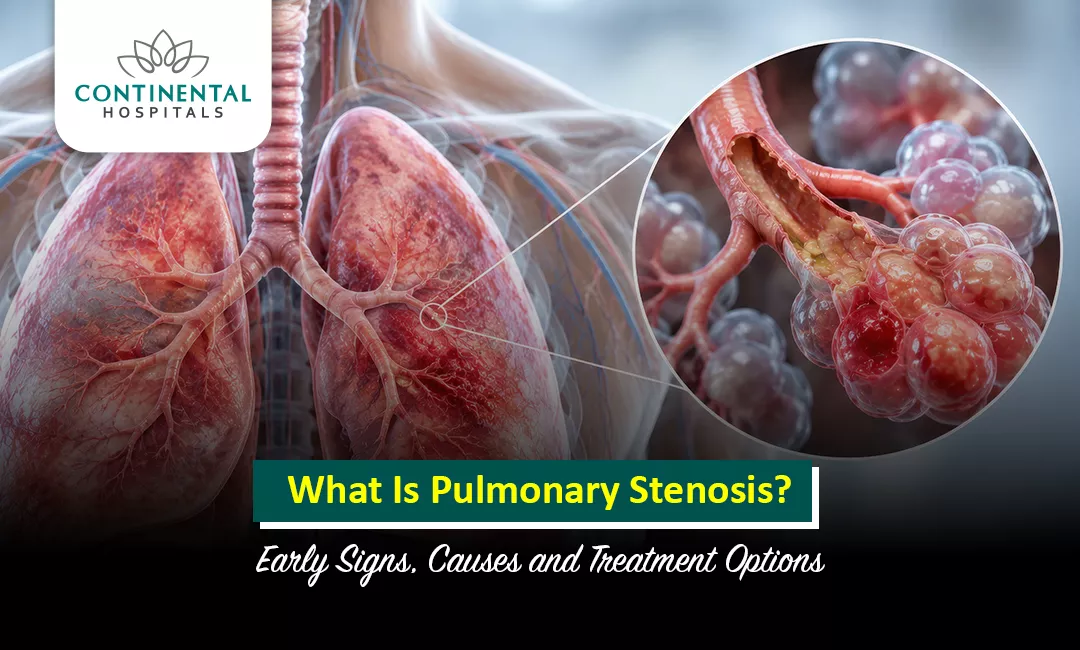
What Is Pulmonary Stenosis? Early Signs, Causes and Treatment Options

Written by - Editorial Team
Medically Reviewed by - Dr Abhisekh Mohanty

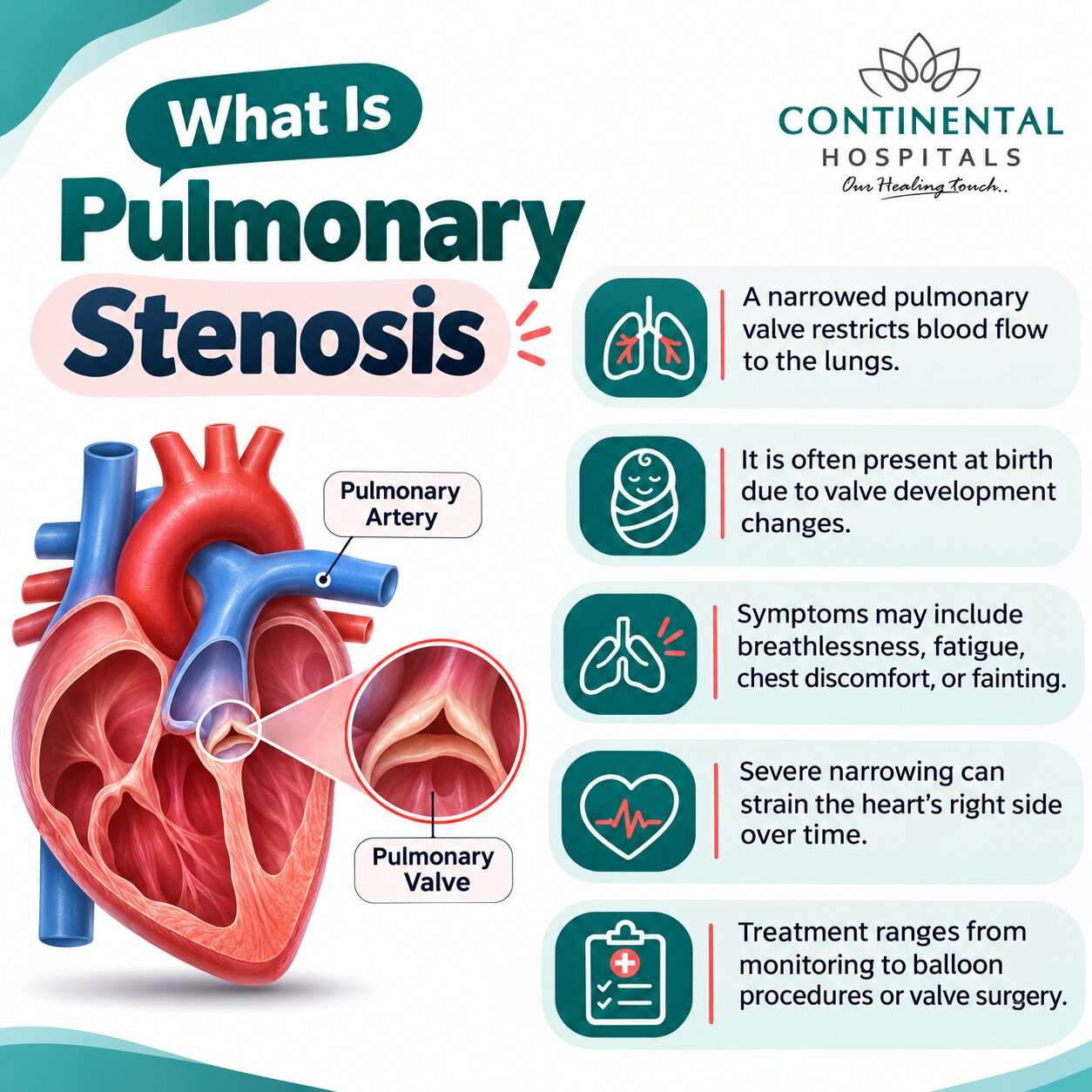
Heart valves are structures inside the heart that regulate the blood flow through each chamber of the organ. Pulmonary stenosis occurs when the pulmonary valve narrows, leading to difficulty in moving blood from the heart to the lungs. The pulmonary valve sits between the right ventricle and the pulmonary artery, and its role is to help control the flow of blood toward the lungs for oxygenation.

Pulmonary stenosis is a condition a person is born with and is referred to as a congenital heart defect. This condition does not always lead to symptoms throughout the childhood period of life. At some point, an individual may be diagnosed with the condition after having an examination during which the doctor notices an unusual heart murmur.

Pulmonary Stenosis – What are the Symptoms?

How do you recognize pulmonary stenosis? There are many different signs that are caused by the narrowing of the pulmonary valve and how much it impairs blood flow. The milder the condition is, the less visible are the symptoms.

The common symptoms of pulmonary stenosis are as follows:

1. Dyspnea: Difficult breathing that takes place with physical activities or exercise.
2. Chest Pain: Feeling of pain in the chest area, especially during physical exertion.
3. Fatigue: Impaired blood flow causes fatigue.
4. Heart Murmur: The abnormal sounds made by the heart through a stethoscope.
5. Dizziness/Fainting: Severe narrowing may impair blood flow, causing fainting.
6. Blue Skin: The severe form of this condition may lead to low oxygen levels and cause blue skin color.
7. Malnutrition in Infants and Children: Problems with feeding and poor growth in babies.

It is necessary to have a check-up if the above-mentioned symptoms appear.

Visit the Cardiology Department at Continental Hospitals, Hyderabad, for expert cardiac care and advanced heart treatment.

What Causes Pulmonary Stenosis?

Why does the pulmonary valve narrow? The pulmonary stenosis is usually present before birth when there is a problem with the formation of the valve.

The possible causes and related disorders include:

Second Opinion

  • Congenital Heart Disorders: The abnormal development of the valve during fetal development is the main cause.
  • Unusual Valve Formation: The valve may have fused or thickened leaflets causing obstruction.
  • Rheumatic Heart Disease: The acquired damage to the valve is a rare cause.
  • Other Heart Disorders: The pulmonary stenosis can be accompanied by congenital heart disorders.

In most cases, the exact cause of the abnormal development of the valve remains unknown.
How Is Pulmonary Stenosis Diagnosed?

How is pulmonary stenosis confirmed? Pulmonary stenosis is diagnosed through a comprehensive evaluation of the patient's symptoms and medical history, as well as cardiac function.

The cardiologist will suggest the following diagnostic tools:

1. Physical Exam: The doctor listens to the heart's beats with the help of a stethoscope in order to hear an abnormal heart murmur.
2. Echocardiogram: This ultrasound of the heart gives a detailed view of the pulmonary valve and blood flow.
3. Electrocardiogram (EKG): This records the electrical impulses of the heart, helping diagnose any abnormalities in heart rhythm.
4. Chest X-ray: It assists in determining the structure of the heart and lungs.
5. Cardiac MRI: If necessary, provides more details about the condition of the heart.

The echocardiogram is especially helpful when evaluating the degree of narrowing of the pulmonary valve.

How Is Pulmonary Stenosis Treated?

Is it possible to treat pulmonary stenosis? Yes, there are several ways to do that, depending on the degree of valve obstruction, symptoms, and heart function. Mild forms of the disease don't require treatment at all, but in case of moderate or severe ones, some intervention might be needed.

Need an Appointment?

Here are the common treatment options:

1. Monitoring

Mild pulmonary stenosis doesn't require any treatment at all. To control the disease, patients should have regular cardiology check-ups and echocardiograms done.

2. Balloon Valvuloplasty

This procedure is very popular among those people who can have such treatment. During this procedure, a catheter with a tiny balloon at its end is inserted into a blood vessel and guided to the valve. It will be inflated there to widen the narrowed valve and improve blood flow.

3. Surgical Treatment

In case of a severe disease or inability to treat the valve with a balloon, the patient can be advised to undergo a surgery. Depending on the situation, the surgeon can repair or replace the valve.

4. Post-Treatment Cardiac Care

Follow-up care is essential despite undergoing treatment. It is necessary for the patient to go through cardiac scans periodically to ensure the proper working of valves and overall health of the heart.

Can Pulmonary Stenosis Lead to Complications?

What will happen if the condition of pulmonary stenosis is not treated on time? Narrowing of the valve significantly raises the pressure of the right ventricle making the heart exert more force to pump blood to the lungs.

Some possible complications include:

  • Enlargement of the right ventricle.
  • Arrhythmias.
  • Limited physical activity.
  • Heart failure of the right side in severe cases.
  • Oxygen deficiency due to congenital heart problems.

Why Go for Continental Hospitals for Cardiac Treatment?

Why is it significant to have an expert cardiac care team for treating pulmonary stenosis? Any problems related to heart valves need precise diagnosis, proper evaluation, and the right form of treatment depending upon the age of the patient and the level of severity of the disease.

Continental Hospitals in Hyderabad is known for offering full cardiac care along with expert cardiologists, facilities for diagnosis, and multidisciplinary medical expertise. Continental Hospitals has got national and international accreditations in the field of healthcare, like JCI and NABH.

Due to their modern facilities for cardiac evaluation and patient-friendly attitude, Continental Hospitals concentrate on delivering proper diagnosis and treatment for patients with heart valve diseases.

Conclusion

Pulmonary stenosis is a problem involving the heart valves that affects the flow of blood from the heart to the lungs. In some cases, pulmonary stenosis may go unnoticed because of its mild nature,, but in severe cases, this condition may cause breathing problems, chest pain, tiredness, and other heart-related problems.

Early detection of this problem can prevent any damage to heart function. In case you have symptoms like breathing problems, chest pain, dizziness, or feeling extremely tired, then visit our best cardiologist in Hyderabad at Continental Hospitals, Hyderabad.


Frequently Asked Questions

Pulmonary stenosis is a heart condition in which the pulmonary valve becomes narrowed. This valve controls blood flow from the right ventricle to the pulmonary artery. Narrowing makes it harder for the heart to pump blood towards the lungs. As a result, the right ventricle needs to work harder. The condition may be present from birth or develop later in life. Most cases are congenital, meaning they are present at birth. The severity can range from mild to severe. Mild pulmonary stenosis may not cause noticeable symptoms. Severe cases can affect normal blood circulation. Some people experience breathlessness, fatigue or chest discomfort. The condition can be diagnosed through an echocardiogram. Treatment depends on the severity of the narrowing. Regular cardiac monitoring helps prevent complications.
Pulmonary stenosis most commonly develops before birth. It occurs when the pulmonary valve does not form properly during fetal development. This can cause the valve leaflets to become thick or fused. As a result, the valve opening becomes narrower than normal. In some cases, pulmonary stenosis may develop due to other heart conditions. Certain genetic conditions can also be associated with this problem. Rarely, it may develop later because of underlying medical conditions. Rheumatic heart disease can affect heart valves in some individuals. Previous heart procedures may also contribute to valve-related complications. The exact cause is not always identified. The condition is not usually caused by lifestyle habits. Early diagnosis helps determine the severity of the problem. A cardiologist can recommend appropriate investigations and treatment.
The early signs of pulmonary stenosis depend on how severely the valve is narrowed. Mild cases may not produce noticeable symptoms. Some people discover the condition during a routine health examination. Breathlessness during physical activity can be an early warning sign. Unusual tiredness may occur because the heart works harder. Some individuals experience chest discomfort or tightness. Dizziness can develop when blood flow is affected. Severe cases may cause fainting episodes. Babies with significant pulmonary stenosis may have difficulty feeding. Poor weight gain can also occur in affected infants. Bluish discolouration of the lips or skin may indicate low oxygen levels. A heart murmur may be detected during a physical examination. Medical evaluation is important when these symptoms appear.
Pulmonary stenosis can range from mild to severe. Its seriousness depends on how much the pulmonary valve restricts blood flow. Mild pulmonary stenosis usually does not cause major health problems. Many people with mild cases live normal and active lives. Moderate cases may require regular cardiology follow-ups. Severe pulmonary stenosis can place significant pressure on the right side of the heart. Over time, this may cause the right ventricle to become enlarged or weakened. Some patients may experience breathlessness and chest discomfort. Severe cases can also affect oxygen levels in the body. Babies with critical pulmonary stenosis require urgent medical attention. Early diagnosis helps prevent complications. Treatment can improve blood flow and reduce pressure on the heart. A cardiologist determines the appropriate management based on individual condition.
Pulmonary stenosis is diagnosed through a combination of medical evaluation and heart investigations. A cardiologist first reviews the patient's symptoms and medical history. A physical examination may reveal an unusual heart murmur. An echocardiogram is the main test used to diagnose this condition. It uses sound waves to create images of the heart. The test helps assess pulmonary valve structure and blood flow. Doppler imaging can measure the pressure difference across the valve. An electrocardiogram may be performed to check the heart's electrical activity. A chest X-ray can help assess heart size and lung circulation. In selected cases, cardiac MRI may provide additional information. Cardiac catheterisation may be recommended in specific situations. These tests help determine the severity of the narrowing. Accurate diagnosis helps specialists plan appropriate treatment.
Yes, pulmonary stenosis can be managed with appropriate medical treatment. The treatment approach depends on the severity of the valve narrowing. Mild cases may only require regular cardiac monitoring. Doctors monitor valve function and heart pressure during follow-up visits. Moderate or severe cases may require an intervention. Balloon pulmonary valvuloplasty is a commonly used treatment option. During this procedure, a catheter with a small balloon is guided towards the narrowed valve. The balloon is inflated to widen the valve opening. This helps improve blood flow from the heart to the lungs. Some patients may require pulmonary valve surgery. Surgery may be considered when balloon treatment is unsuitable or unsuccessful. Regular follow-up helps assess treatment outcomes. A cardiologist recommends the most appropriate treatment for each patient.
Yes, most cases of pulmonary stenosis are congenital heart conditions. This means the condition develops before birth. It occurs when the pulmonary valve does not form normally during pregnancy. The valve opening may become narrower than usual. Some babies have mild narrowing without noticeable symptoms. Others may develop significant restrictions in blood flow. Severe cases can affect oxygen circulation in the body. The condition may sometimes be detected during prenatal ultrasound examinations. After birth, doctors may identify a heart murmur during routine examination. An echocardiogram can confirm the diagnosis. The severity determines whether treatment is immediately necessary. Babies with mild pulmonary stenosis may only need monitoring. Early diagnosis allows doctors to manage the condition appropriately.
Pulmonary stenosis does not always affect life expectancy. Many people with mild pulmonary stenosis have a normal lifespan. The long-term outlook depends on the severity of the condition. Mild cases generally require only periodic cardiac check-ups. Moderate and severe cases may need medical intervention. Untreated severe pulmonary stenosis can put excessive strain on the right ventricle. This may eventually lead to heart-related complications. Timely treatment can improve blood flow and reduce pressure on the heart. Balloon valvuloplasty and surgery can help manage significant narrowing. Some patients may require lifelong cardiac monitoring. Follow-up echocardiograms help assess valve function over time. Physical activity recommendations depend on the individual's heart condition. Regular consultations with a cardiologist support long-term heart health.
You should consult a cardiologist if you experience symptoms associated with pulmonary stenosis. Breathlessness during everyday activities should not be ignored. Persistent tiredness may also indicate an underlying heart problem. Chest pain or discomfort requires medical evaluation. Dizziness and unexplained fainting need prompt attention. Parents should consult a doctor if their baby has feeding difficulties or poor weight gain. Bluish lips or skin require urgent medical assessment. A doctor may recommend an echocardiogram to examine heart valve function. People already diagnosed with pulmonary stenosis should attend regular follow-up appointments. Monitoring helps identify changes in valve narrowing. Early treatment can reduce the risk of complications. Seek emergency care for severe chest pain, fainting or serious breathing difficulty. Timely cardiac care supports better long-term outcomes.
Disclaimer: The information provided in this blog is intended for general knowledge and informational purposes only, and does not constitute medical advice. Always consult with a qualified healthcare professional for any medical concerns or before making any decisions about your health.

Get in Touch With Us

Whether you are from India or abroad, we are here to help you with your medical queries. Please fill out the form below and our team will connect with you shortly.

  • ✔ Quick response from our medical experts
  • ✔ Secure data handling & privacy
  • ✔ Easy upload for reports & documents
banner_image

Chat with our medical experts on WhatsApp for quick assistance and hassle-free appointment booking

Recent Posts