post-title

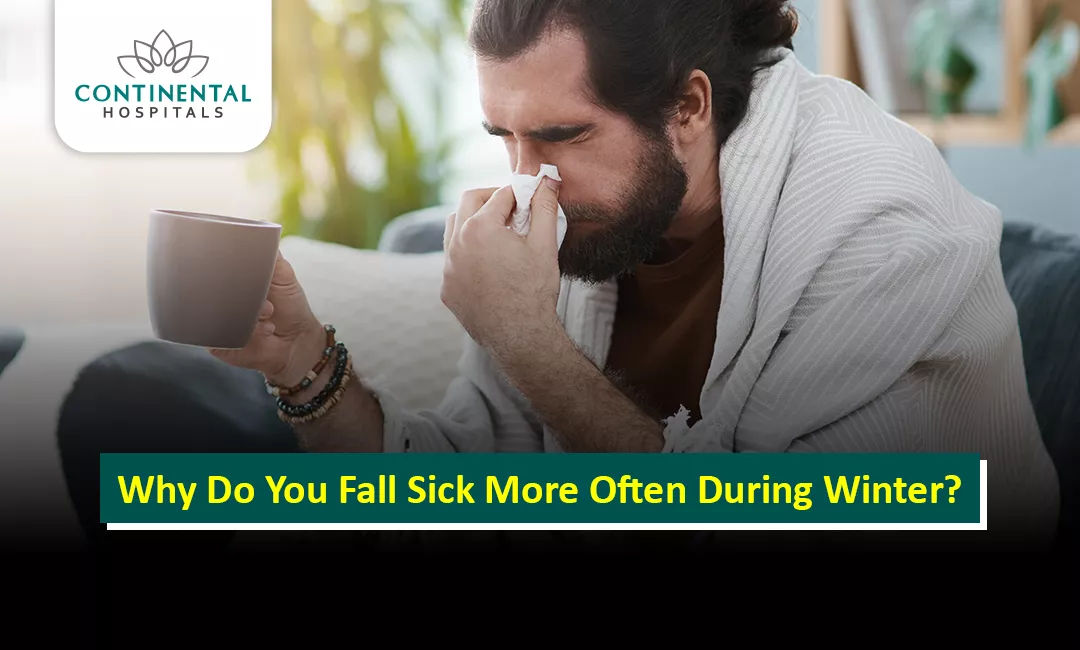
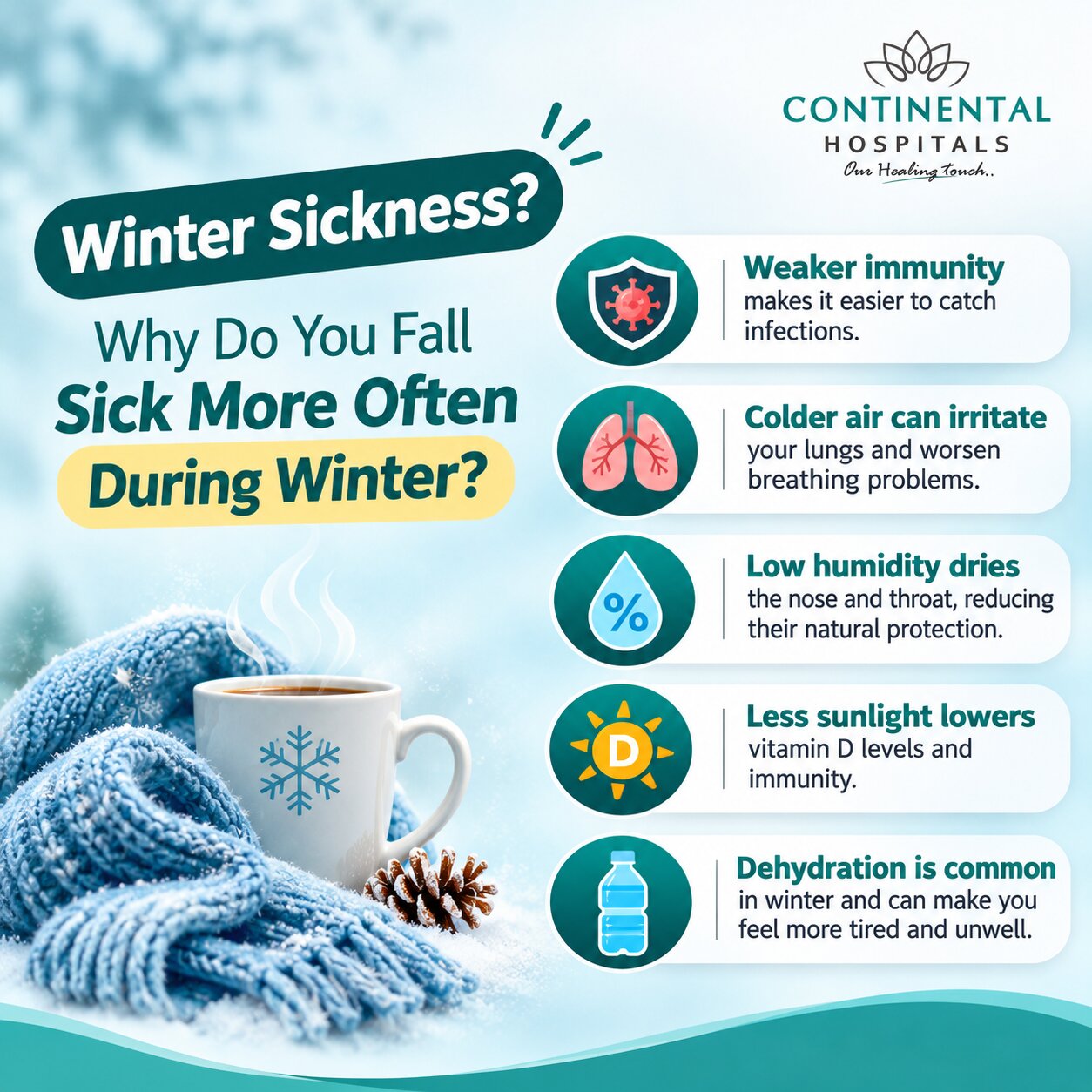
Why Do You Fall Sick More Often During Winter?

Written by - Editorial Team
Medically Reviewed by - Dr Chandra Sekhar V

Have you observed that you fall ill during the winter season? During the winter season, many people complain about common cold, coughing, sore throat, fever, and difficulty in breathing due to reduced temperature. The winter season brings along many changes in temperature, humidity, and lifestyle practices that can cause harm to the body's defense mechanism, and this may increase your risk of infections.

Does the cold weather make you fall sick? No, not always. Most of the diseases that are found during the winter months are due to infections caused by viruses. But there are some viruses that spread with ease during the cold seasons. Also, reduced exposure to sunlight, dry indoor air, and changes in immunity can affect your winter health.

What Can Increase Your Susceptibility to Infections in Winter?

Why do there seem to be more seasonal infections in cold weather? There are several reasons why you may be more prone to infection due to various environmental conditions.

1. Spending Most Time Inside: People tend to spend much time indoors during the winter season, which increases chances for infection.

2. Dry Environment: Cold outdoor air as well as indoor heating can make the air dry, which allows the respiratory particles to stay suspended in the air for some time.

3. Lack of Sunlight: There is less daylight in winter; therefore, it could result in lower levels of vitamin D.

4. Changes in Immune System: Stress, lack of sleep, poor nutrition, etc., can negatively impact immunity.

5. Poor Ventilation: The lack of ventilation by closed windows might facilitate the spreading of respiratory viruses through the air.

Visit the General Medicine Department at Continental Hospitals, Hyderabad, for expert medical care.

Second Opinion

What Are the Common Winter Illnesses?

Which illnesses tend to be more common in winter? Some illnesses and infections can become more apparent in winter time.

  • Common cold: Results in sneezing, runny nose, sore throat, and congestion.
  • Flu: Could include symptoms like fever, muscle pains, headache, cough, and fatigue.
  • Respiratory infections: They could be viral and affect the nose, throat, and lungs.
  • Pneumonia: An infection of the lungs leading to fever, difficulty breathing, and chest pain.
  • Sinus infections: They lead to facial pressure, headache, and nasal congestion.
  • Winter allergies: Dust, mold, and other allergens could result in sneezing, coughing, and difficulty breathing.

Some individuals, including older adults, kids, pregnant women, and those suffering from chronic conditions, might be at risk of serious problems associated with some infections.
Does Winter Weather Impact Your Immune System?

Will winter weather affect your immunity? It is not necessary that cold weather will impact your immune system, however, there are certain effects of season change on the body.

The dry winter weather can affect the moist layer in the nose which traps the germs. Less exposure to sun may also lead to vitamin D deficiency in some people. Moreover, inadequate sleep, stress, and less exercise may all impact your immune system adversely.

Healthy routines will help keep your immune system strong during winter months.

How Can You Stop Winter Illness?

What can one do to prevent himself from getting ill all the time during winter? There are some easy ways that could be used in order to protect oneself from illnesses.

Need an Appointment?

These are some health tips for winter:

1. Have a Balanced Diet: Have fruits, vegetables, grains, nuts, and protein food.
2. Stay Hydrated: Keep drinking water even if you are not thirsty.
3. Have Enough Sleep: Always have a fixed sleeping schedule.
4. Wash Your Hands: Always keep your hands clean before eating and after coughing and sneezing.
5. Remain Fit: Do physical activities regularly.
6. Ventilate Indoor Places: Try to have fresh air always.
7. Get Required Vaccines: Always take your required flu vaccines according to your doctor's advice.
8. Avoid Yourself When You Are Sick: Cough and sneeze properly and always stay at home when you are sick.

When Should You Seek Medical Attention for Winter Infections?

Are all winter fevers and coughs worth worrying about? Milder cold symptoms usually get better with rest and other support. But some symptoms need a medical opinion.

You should see a doctor if you have:

  • Persistent or high fever.
  • Persistent or worsening cough.
  • Intense sore throat or difficulty swallowing.
  • Frequent respiratory infections.
  • Persistent weakness or unexplained fatigue.
  • Symptoms that start improving and then worsen again.

In case of shortness of breath, chest pain, confusion, or bluish lips, seek immediate medical help.

It is important to be examined early so as to identify the infection and prevent complications. Do not use antibiotics without consulting a doctor, as they are ineffective against viruses.

What Are The Reasons For Opting For Continental Hospitals For Winter Health Care?

How does timely medical care become important if you get sick often during winter? Infections, high fever, and breathing troubles might require you to go through a medical check-up for the root cause.

Continental Hospitals in Hyderabad, offers complete health services, which include experienced doctors, sophisticated diagnostic technologies, and multidisciplinary medical expertise. This healthcare institution has received accreditations both nationally and internationally, such as the Joint Commission International (JCI) and the National Accreditation Board for Hospitals & Healthcare Providers (NABH).

Through its experienced specialists and sophisticated medical facilities, Continental Hospitals concentrates on correct diagnosis and treatment for various seasonal illnesses such as respiratory infections.

Conclusion

Why do you tend to fall ill frequently during the winters? Respiratory viruses, dry weather, congestion indoors, and changes in your routine due to season could be the reason why winter illnesses occur. While you cannot escape all kinds of infections, you can certainly try to maintain hygiene, eat well, sleep well, exercise, and take vaccines to stay healthy.

Are you someone who catches colds easily, suffers from persistent cough, winter fever, problems with breathing, and respiratory infections in the winters? Then, you must see the best general physician in Hyderabad at Continental Hospitals, Hyderabad.

Related Blogs:

  1. When Should You Worry About Your Child's Winter Cough?
  2. Winter Care Tips for Pregnant Women: Staying Healthy and Safe

Frequently Asked Questions

People tend to fall sick more often during winter because cold weather creates conditions that help respiratory viruses spread. People spend more time indoors and in poorly ventilated spaces. This increases close contact with others who may be infected. Common viruses such as influenza and respiratory syncytial virus can circulate during winter. Cold and dry air may also affect the natural protective barriers of the respiratory tract. Lower humidity can help some respiratory viruses remain infectious for longer. Reduced ventilation indoors may increase exposure to airborne infectious particles. Seasonal changes can also affect daily routines and sleep patterns. Some people may get less sunlight during winter. This can influence vitamin D levels in certain individuals. However, cold weather alone does not directly cause infections. Exposure to viruses is the main reason people develop seasonal illnesses. Maintaining good hygiene and healthy habits can help reduce the risk.
Several respiratory illnesses become more common during the winter season. The common cold is one of the most frequently reported infections. Influenza, commonly called the flu, can cause fever, body aches and fatigue. Respiratory syncytial virus can lead to respiratory infections, especially in young children and older adults. Some people may also develop bronchitis during this season. Pneumonia is another serious respiratory infection that can occur during winter. Sinus infections may develop following a viral cold. People with asthma may experience worsening symptoms because of cold air. Individuals with chronic lung conditions may also experience breathing difficulties. Sore throat and cough are common complaints during colder months. Some infections can spread quickly in crowded indoor environments. Symptoms may range from mild discomfort to serious illness. Early medical attention is important when symptoms become severe or persistent.
Cold weather does not automatically weaken the body's immune system. However, certain seasonal changes can influence immune defence mechanisms. Cold and dry air may affect the protective lining of the nose and respiratory tract. This can make it easier for some viruses to enter the body. Reduced sunlight exposure may contribute to lower vitamin D levels in some people. Vitamin D plays a role in supporting normal immune function. Poor sleep and unhealthy eating habits can also affect overall health. Spending more time indoors increases exposure to respiratory infections. Stress and reduced physical activity may further affect general well-being. Older adults and people with chronic illnesses may have a higher risk of complications. A balanced diet provides essential nutrients for immune function. Regular physical activity and adequate sleep support overall health. Washing hands regularly can reduce the spread of infections. Healthy lifestyle habits help the body maintain its natural defences throughout winter.
Preventing winter infections starts with maintaining good personal hygiene. Wash your hands regularly with soap and water. Avoid touching your eyes, nose and mouth with unwashed hands. Cover your mouth and nose when coughing or sneezing. Maintain good ventilation in indoor spaces whenever possible. Avoid close contact with people who have symptoms of respiratory infections. Wear a well-fitting mask in crowded or high-risk indoor settings when appropriate. Eat a balanced diet containing fruits, vegetables and protein-rich foods. Drink enough water to maintain proper hydration. Get adequate sleep to support normal immune function. Stay physically active through regular exercise. Keep recommended vaccinations, including influenza vaccination, up to date. Avoid smoking and exposure to second-hand smoke. Seek medical advice if you develop persistent fever, breathing difficulty or other concerning symptoms.
Cold air can irritate the airways and trigger coughing in some people. Breathing cold and dry air may cause moisture to evaporate from the respiratory tract. This can irritate sensitive airway tissues. The body responds by activating protective reflexes such as coughing. People with asthma may be more sensitive to sudden temperature changes. Cold air can trigger airway narrowing in individuals with asthma. This may cause coughing, wheezing and chest tightness. People with allergic conditions may also experience increased respiratory irritation. Breathing through the nose can help warm and humidify incoming air. Covering your nose and mouth with a scarf outdoors may provide additional comfort. Avoid sudden exposure to extremely cold air when possible. Persistent coughing should not always be attributed to the weather. It may indicate an underlying infection or respiratory condition. Consult a doctor if coughing continues or is accompanied by breathing difficulty.
Winter illnesses can affect people of all age groups. However, certain individuals have a higher risk of developing infections and complications. Young children have developing immune systems and may be more vulnerable to respiratory infections. Older adults may have reduced immune responses as they age. People with asthma can experience worsening respiratory symptoms during cold weather. Individuals with chronic lung diseases may face a higher risk of complications. People with diabetes may need extra care because infections can affect blood glucose levels. Individuals with heart conditions should also take precautions against respiratory infections. Pregnant women may be at increased risk of complications from certain respiratory illnesses. People with weakened immune systems need additional protection. Those who work in crowded environments may have greater exposure to infectious viruses. Poor nutrition and inadequate sleep can also affect overall health. Recommended vaccinations and preventive healthcare are important for high-risk individuals. Consult a healthcare professional for personalised preventive advice.
Yes, cold weather can trigger or worsen breathing problems in some individuals. Cold and dry air may irritate the respiratory tract. People with asthma may experience coughing, wheezing and chest tightness. Individuals with chronic obstructive pulmonary disease may also notice worsening symptoms. Respiratory infections such as influenza and pneumonia can affect lung function. Air pollution and indoor smoke can further irritate the airways. Sudden changes in temperature may trigger respiratory discomfort. Keeping indoor spaces well ventilated can help reduce exposure to respiratory irritants. Avoiding tobacco smoke is important for maintaining lung health. People with existing respiratory conditions should follow their prescribed treatment plans. Wearing a scarf over the nose and mouth outdoors may help warm incoming air. Persistent breathlessness should never be ignored. Seek immediate medical attention for severe breathing difficulty or chest pain. A pulmonologist can evaluate recurring respiratory symptoms and recommend appropriate treatment.
A balanced and nutritious diet helps support normal immune system function during winter. Include vitamin C-rich fruits such as oranges, guavas and amla in your meals. Green leafy vegetables provide important vitamins and minerals. Nuts and seeds contain healthy fats and other essential nutrients. Protein-rich foods such as eggs, lentils, beans and dairy products support tissue repair and overall health. Include whole grains for sustained energy and dietary fibre. Seasonal fruits and vegetables provide antioxidants that support general well-being. Yogurt and other fermented foods can provide beneficial bacteria for gut health. Drink enough water even when you feel less thirsty during colder months. Warm soups and homemade meals can help maintain hydration and comfort. Include sources of vitamin D in your diet when appropriate. Avoid relying on supplements without medical advice. No single food can completely prevent winter infections. A varied diet combined with adequate sleep and regular exercise supports overall health.
You should consult a doctor if winter illness symptoms persist or become worse. A fever that continues for several days needs medical evaluation. Persistent coughing may indicate an underlying respiratory infection. Seek medical attention if you experience wheezing or chest discomfort. Difficulty breathing requires immediate medical attention. Severe weakness or unusual tiredness should not be ignored. Persistent sore throat or difficulty swallowing may need evaluation. Watch for dehydration, especially in children and older adults. People with asthma, diabetes or heart disease should seek advice early when they develop infections. A doctor can identify whether symptoms are caused by a viral or bacterial infection. Appropriate tests may be recommended based on your symptoms. Avoid taking antibiotics without a doctor's prescription. Early diagnosis can help prevent complications. Consult a general physician or pulmonologist at Continental Hospitals for appropriate evaluation and treatment.
Disclaimer: The information provided in this blog is intended for general knowledge and informational purposes only, and does not constitute medical advice. Always consult with a qualified healthcare professional for any medical concerns or before making any decisions about your health.

Get in Touch With Us

Whether you are from India or abroad, we are here to help you with your medical queries. Please fill out the form below and our team will connect with you shortly.

  • ✔ Quick response from our medical experts
  • ✔ Secure data handling & privacy
  • ✔ Easy upload for reports & documents
banner_image

Chat with our medical experts on WhatsApp for quick assistance and hassle-free appointment booking

Recent Posts