It is a vital mineral that helps in maintaining one's health effectively. It is necessary for good muscle function, nerve action, strong bones, energy production, and heart health. Your body needs magnesium for various purposes, such as controlling blood glucose levels, maintaining normal blood pressure, and having a healthy immune system. Therefore, consuming magnesium-containing foods is one of the ways through which you can achieve all these functions effectively.
Do you suffer from muscle cramps, fatigue, or weakness? These may be due to many factors; however, one of them may be insufficient intake of magnesium. Consuming magnesium-containing foods will help keep your magnesium at optimal levels. There are various foods, both easy to get, that will provide you with magnesium.
What Are Some of the Best Magnesium Foods to Consume?
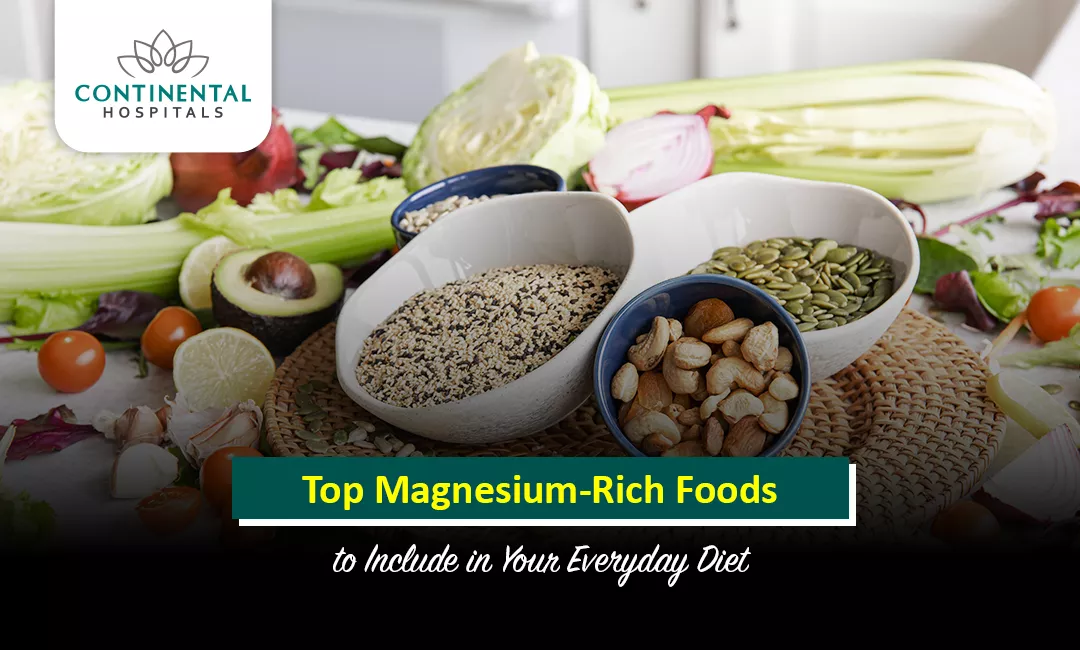
What kind of food should you consume to boost your magnesium intake? Below are some of the best foods to include in your daily diet:
1. Pumpkin Seeds
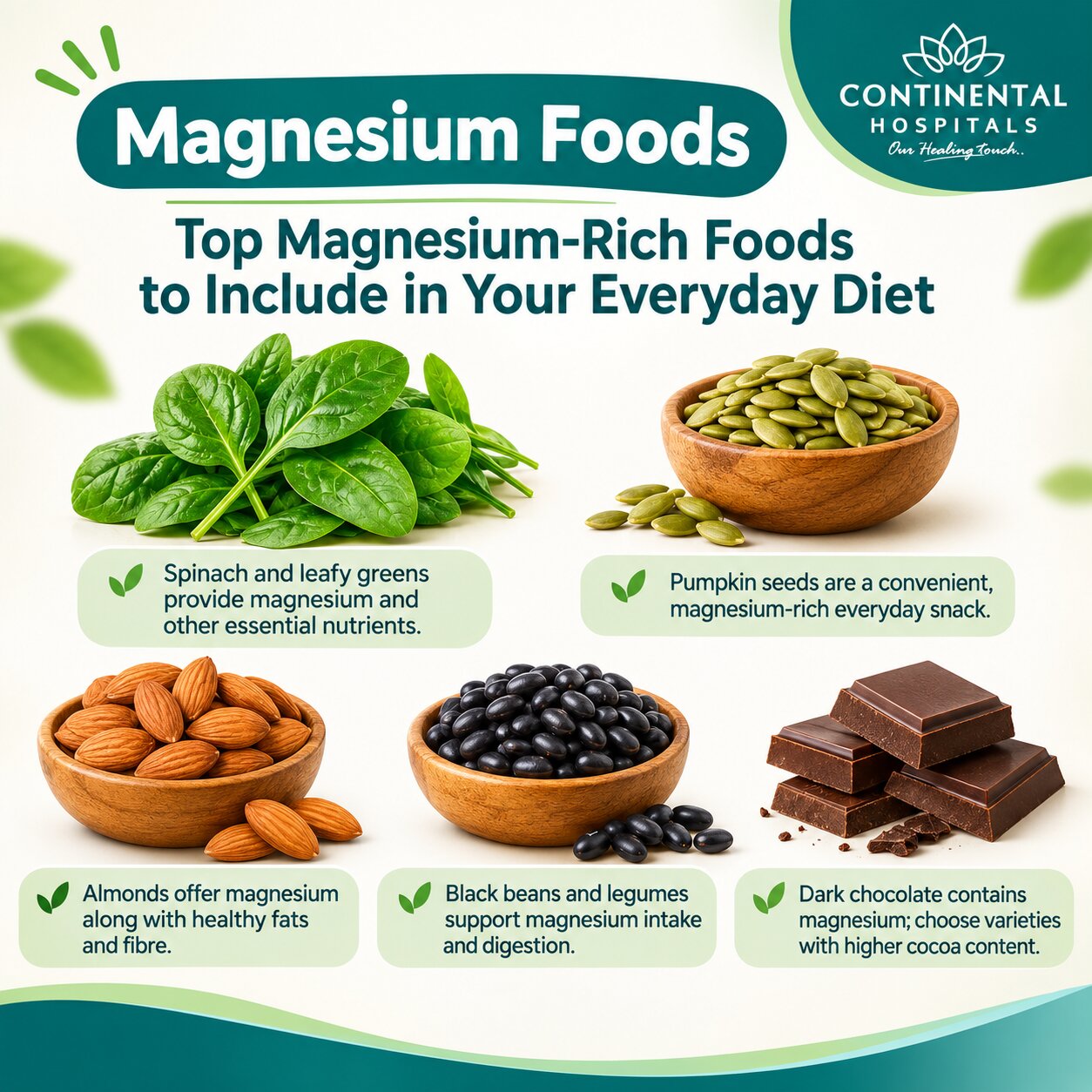
Pumpkin seeds are considered one of the best magnesium foods. Apart from magnesium, they contain healthy fats, proteins, and zinc. They can be added to salads, breakfast bowls, smoothies, or simply eaten as a snack.
2. Almonds
Another easy way to add magnesium and healthy fats to your diet is consuming almonds. This food can also help keep muscles and bones healthy when eaten in moderation.
3. Spinach
This leafy green vegetable contains magnesium, iron, and many other essential nutrients. Add it to your curries, soups, dals, or vegetables for a better nutrient intake.
4. Dark Chocolate
Consuming dark chocolate, which contains more cocoa than milk chocolate, is an excellent way to get both magnesium and antioxidants in your body.
5. Black Beans
These beans are an excellent source of magnesium, fiber, and plant protein. They are helpful in ensuring good digestive health and can be used in salads, soups, and other meals.
6. Avocados
Avocados are a source of magnesium, potassium, fiber, and healthy fats. They can be used in salads, sandwiches, and even breakfast meals.

7. Whole Grains
These include brown rice, oats, quinoa, and whole wheat, which all have magnesium. You should consider using whole grains as opposed to refined grains to improve your nutrient intake.
8. Bananas
These fruits are a good source of magnesium and potassium that are important in ensuring that muscles and nerves work normally. They can be included in your breakfast or eaten as snacks.
9. Cashews
Cashews are foods with magnesium and have healthy fats, proteins, and other minerals. They should be used in moderation in your diet.
10. Legumes
This includes lentils, chickpeas, kidney beans, and other legumes that offer magnesium, proteins, and dietary fiber. They are particularly helpful for vegetarians.
Visit the Nutrition and Dietetics Department at Continental Hospitals, Hyderabad, for expert nutritional care.
What Are the Health Benefits of Consuming Food Sources Rich in Magnesium?
Why should you take magnesium daily? This mineral aids in many processes within your body.
- Muscle function: Magnesium aids the proper contraction and relaxation of your muscles.
- Bone health: This mineral plays a role in bone development and calcium regulation.
- Heart health: It aids in heart rhythm maintenance.
- Nerve function: Magnesium is an essential part of nerve-to-muscle communication.
- Energy production: Magnesium aids in producing energy from food consumption.
- Blood sugar control: Magnesium helps regulate your blood sugar levels.
- Blood pressure maintenance: Magnesium intake contributes to healthy blood pressure levels.
What Are the Symptoms of Magnesium Deficiency?
Is there any symptom exhibited by the body when there is magnesium deficiency? Yes, but mild magnesium deficiency doesn’t have any obvious symptoms in the beginning.
Some of the symptoms could be:
- Muscle cramps or muscle spasms
- Weakness and fatigue
- Lack of appetite
- Nausea
- Tingling or numbness
- Irregular heartbeat in extreme cases
Extreme magnesium deficiency can lead to seizures and irregular heartbeats. The symptoms may also be because of other diseases.
Can Magnesium Be Obtained Through Foods Only?
For the most part, people can achieve adequate magnesium levels through foods that include vegetables, fruits, nuts, seeds, beans, and whole grains.
Nevertheless, there are several factors, such as certain diseases, malabsorption problems, drugs, and poor nutrition, that may predispose one to magnesium deficiency. The use of magnesium supplements is recommended by a doctor if required; an overdose can lead to diarrhea.
Why should you opt for Continental Hospitals for Nutrition Guidance?
Why is professional nutrition guidance necessary for proper healthcare? There are specific nutritional needs that vary from person to person due to differences in age, lifestyle, medical background, and health problems.
Continental Hospitals in Hyderabad provides all-inclusive healthcare assistance facilitated by skilled doctors, advanced diagnostic facilities, and specialized medical expertise. Continental Hospitals is certified by some of the best accrediting bodies like JCI, NABH, and QAI.
Guidance is provided by Continental Hospitals' experts regarding the need for balanced diet, nutrition deficiencies, and other dietary concerns based on the individual health needs.
Conclusion
Magnesium is an essential mineral that helps in the functioning of muscles, nerves, bones, and the heart and in providing energy to the body. Incorporating foods rich in magnesium like pumpkin seeds, almonds, spinach, legumes, whole grains, and bananas in your regular meals will ensure proper magnesium balance in your body.
Healthy eating is one of the easiest ways to ensure good health. In case you have fatigue, muscle spasms, or deficiency, you should visit our best nutritionist or dietitian in Hyderabad at Continental Hospitals, Hyderabad.