• Share this:
post-title

Warning Signs of Blocked Arteries You Shouldn't Ignore

Written by - Editorial Team
Medically Reviewed by - Dr Abhisekh Mohanty

Your blood vessels function as a complex highway system. They ensure that oxygen-rich blood moves smoothly from your heart to every corner of your body. However, silent changes can happen within this highway system over time. When fatty deposits build up along the blood vessel walls, the pathways narrow. This condition restricts your normal blood flow. Recognizing the early indicators of this vascular issue is crucial for protecting your heart health.

Why do these changes happen without obvious warnings? The slow buildup of plaque often occurs quietly over several decades. Many individuals remain completely unaware that their pathways are narrowing until the restriction becomes severe. Understanding the subtle signals your body sends can make a massive difference in preventing serious complications like heart attacks or strokes.

How can you tell if your blood vessels are experiencing this restriction? Paying attention to persistent physical changes is the first step in protecting your cardiovascular health. This guide breaks down the essential warning signs, explains the connection to heart disease, and outlines when you need to seek immediate medical expertise.

What Are Blocked Arteries and How Do They Develop?

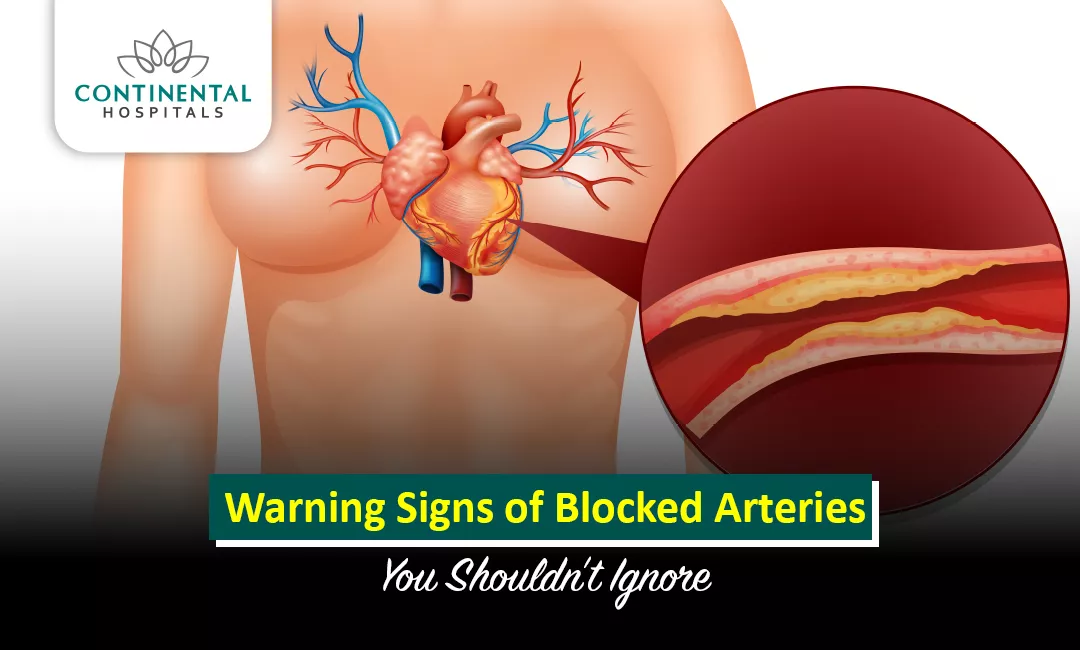
Blocked arteries occur when fatty substances, cholesterol, cellular waste products, and calcium build up inside the blood vessels. This buildup is medically known as plaque. As the plaque grows, it hardens and narrows the channels, which significantly reduces the volume of blood that can pass through.

When this narrowing happens in the blood vessels that supply the heart muscle, it leads to coronary artery disease symptoms. The heart muscle requires a constant supply of oxygen to pump efficiently. When blocked arteries restrict that supply, the heart begins to struggle, especially during physical exertion or stress. This restriction is the primary driver of blocked arteries and heart disease worldwide.

Visit the Cardiology Department at Continental Hospitals for expert heart care, advanced diagnostics, and comprehensive cardiac evaluation by our experienced specialists.

What Are the Primary Warning Signs of Blocked Arteries?

The symptoms of this condition depend heavily on which blood vessels are affected. However, several universal warning signs indicate that your circulatory system is under stress.

Why Do You Feel Persistent Chest Discomfort?
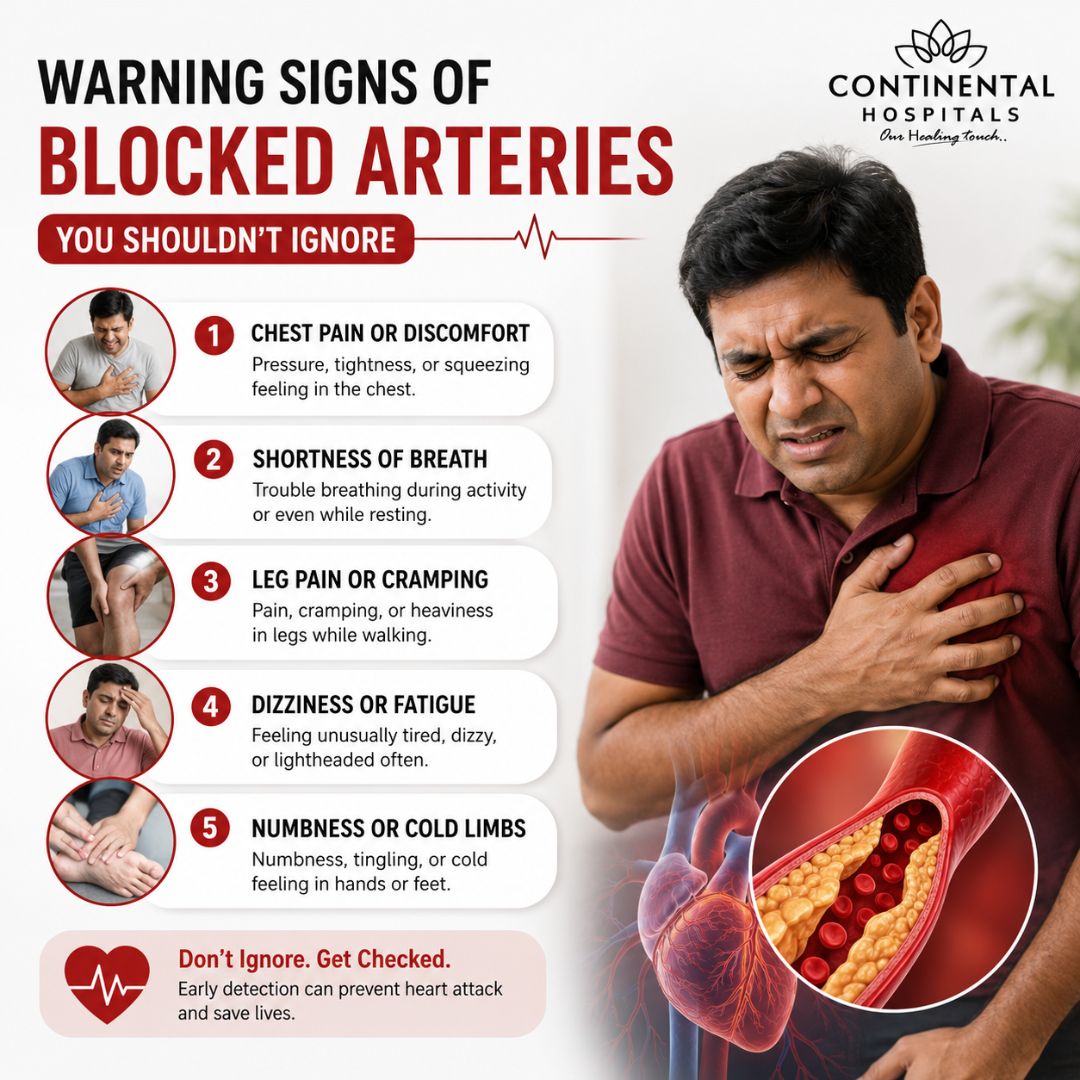
Chest pain or pressure is the most frequent indicator of restricted blood flow to the heart muscle. This sensation can feel like a heavy weight, squeezing, or fullness in your chest. It often appears during exercise or emotional stress when your heart demands more oxygen, and it typically subsides with rest.

Why Does Shortness of Breath Occur During Daily Activities?
If your heart cannot pump enough blood to meet your body's needs, you may feel unusually winded. Walking up a flight of stairs or carrying groceries can suddenly feel exhausting because your muscles are starved of oxygen.

Second Opinion

How Does Unexplained Fatigue Impact Your Energy Levels?
When blood vessels are narrowed, your heart has to work much harder to circulate blood. This constant extra effort can leave you feeling chronically tired, even if you are getting adequate sleep.

Why Do You Feel Pain or Cramping in Your Legs While Walking?
When the blockage occurs in the limbs, it causes a condition known as peripheral artery disease. You might notice painful cramping in your calves, thighs, or hips during movement because the leg muscles are not receiving enough oxygen-rich blood.

How Are Dizziness and Lightheadedness Connected to Blood Flow?
Restricted blood flow to the brain can cause sudden dizzy spells or brief moments of lightheadedness. This occurs when the brain experiences a temporary drop in its oxygen supply.
What Are the Most Common Blocked Arteries Symptoms to Watch For?

  • A feeling of numbness, coldness, or weakness in your hands and feet.
  • Slow-healing sores or ulcers on your toes, feet, or legs.
  • A noticeable change in the skin color of your legs or arms, often turning pale or bluish.
  • A rapid, fluttering, or irregular heartbeat during periods of rest.
  • Frequent, severe headaches or unexplained jaw and neck pain.

Why Is the Link Between Blocked Arteries and Heart Disease So Critical?

When left unaddressed, blocked arteries directly progress into advanced cardiovascular conditions. The continuous restriction of blood flow weakens the heart muscle over time, which can eventually lead to heart failure.

Furthermore, if a piece of the hardened plaque ruptures, it can form a blood clot at the site. This sudden, total blockage completely cuts off the blood supply to a portion of the heart muscle, resulting in an acute heart attack. If the clot restricts blood flow to the brain instead, it triggers a stroke. Recognizing artery blockage symptoms early allows medical professionals to intervene before these life-threatening events occur.

Why Choose Continental Hospitals for Your Heart Care?

Continental Hospitals stands out as the premier destination for comprehensive cardiovascular care. As the best hospital in Hyderabad, we combine world-class medical infrastructure with a deeply compassionate approach to patient recovery. Our dedicated heart institute is built to handle everything from routine preventive screenings to complex vascular interventions.

Need an Appointment?

Our clinical excellence is validated by global standards. Continental Hospitals holds prestigious accreditations, including the Joint Commission International (JCI) accreditation and the National Accreditation Board for Hospitals and Healthcare Providers (NABH) certification. These recognitions ensure that you receive treatment that aligns with the highest international protocols for patient safety and clinical outcomes.

Our facility features state-of-the-art diagnostic labs and advanced cardiac catheterization suites. This technology allows our team to identify artery blockage symptoms with absolute precision. Our multidisciplinary team works collaboratively to design personalized treatment plans that focus on long-term health and lifestyle restoration.

Conclusion

Ignoring the subtle warning signs of blocked arteries can lead to severe, long-term health consequences. Your cardiovascular health requires proactive attention and expert care. If you or a loved one are experiencing any unusual discomfort, chest pressure, or unexplained fatigue, do not delay seeking medical advice. Early detection is the most powerful tool available to protect your heart and maintain a vibrant, active life.

If you suffer from persistent chest discomfort, breathing difficulties, or chronic fatigue, schedule a comprehensive evaluation with our best cardiologist in Hyderabad at Continental Hospitals today.

Related Blog Topics:

  1. Is Your Lifestyle Damaging Your Heart?
  2. Do Herbal Teas Really Protect Your Heart? What Science Says

Frequently Asked Questions

Blocked arteries often develop gradually and may not cause symptoms until blood flow becomes significantly reduced. Common warning signs include chest pain or discomfort, shortness of breath, unexplained fatigue, dizziness, pain in the neck, jaw, shoulders, or arms, and reduced exercise tolerance. Some people may also experience cold hands or feet, leg pain while walking, or irregular heartbeats. Symptoms can vary depending on which arteries are affected. Coronary artery blockages usually affect the heart, while peripheral artery disease affects the legs and arms. Ignoring these symptoms can increase the risk of heart attack, stroke, or other cardiovascular complications. Early recognition and timely medical evaluation are important for preventing serious outcomes. Anyone experiencing persistent or worsening symptoms should seek immediate medical attention.
Yes, chest pain or discomfort is one of the most common symptoms of blocked coronary arteries. This condition, known as angina, occurs when the heart muscle does not receive enough oxygen-rich blood. The discomfort may feel like pressure, squeezing, heaviness, tightness, or burning in the chest. Some individuals may notice the pain during physical activity, emotional stress, or after eating a large meal. In certain cases, the discomfort may spread to the shoulders, arms, neck, jaw, or back. The intensity and duration of symptoms can vary from person to person. Persistent chest pain should never be ignored because it may indicate severe artery narrowing or an impending heart attack. Prompt medical evaluation can help identify the underlying cause and guide appropriate treatment.
Shortness of breath can occur when blocked arteries reduce blood flow to the heart muscle, making it harder for the heart to pump efficiently. As a result, the body may not receive adequate oxygen during physical activity or even at rest in advanced cases. Many people notice breathlessness while climbing stairs, walking short distances, or performing routine daily activities. This symptom may occur with or without chest pain. Reduced heart function caused by restricted blood flow can also lead to fluid accumulation in the lungs, worsening breathing difficulties. Shortness of breath should not be dismissed as a normal part of aging or lack of fitness. It may be an early indicator of coronary artery disease. A comprehensive cardiovascular evaluation can help determine the cause and prevent serious complications.
Yes, unusual or persistent fatigue can sometimes be an early warning sign of blocked arteries, especially in women. When arteries become narrowed, the heart must work harder to deliver blood throughout the body. This increased workload can result in feelings of weakness, tiredness, or low energy levels even after adequate rest. People may find it difficult to complete everyday tasks that were previously easy. Fatigue associated with cardiovascular disease is often ongoing and may worsen over time. It can occur alongside symptoms such as chest discomfort, shortness of breath, or dizziness. Since fatigue can be caused by many different conditions, proper medical evaluation is necessary to identify the underlying cause. Early diagnosis and treatment of artery disease can improve symptoms and overall heart health.
Blocked arteries in the legs, a condition known as peripheral artery disease, can reduce blood flow to the lower limbs. Common symptoms include leg pain, cramping, numbness, weakness, and discomfort while walking or exercising. These symptoms often improve with rest but return during activity. Some individuals may notice cold feet, slow-healing wounds, skin discoloration, or hair loss on the legs. In severe cases, reduced circulation can increase the risk of infections and tissue damage. Peripheral artery disease is often linked to atherosclerosis, the same process that causes coronary artery disease. Early diagnosis and treatment are important to prevent progression and reduce the risk of cardiovascular events. Lifestyle modifications and medical management can significantly improve circulation and quality of life.
Several factors can increase the risk of developing blocked arteries. These include high blood pressure, high cholesterol levels, diabetes, obesity, smoking, physical inactivity, and an unhealthy diet. A family history of heart disease can also raise the likelihood of artery blockage. Risk generally increases with age, particularly in men over 45 and women over 55. Chronic stress, poor sleep habits, and excessive alcohol consumption may further contribute to cardiovascular disease. Individuals with multiple risk factors are more likely to develop atherosclerosis and related complications. Regular health check-ups, preventive screenings, and healthy lifestyle choices can help identify risks early. Managing underlying medical conditions effectively can significantly reduce the chances of developing serious arterial blockages.
Doctors use a combination of medical history, physical examination, and diagnostic tests to identify blocked arteries. Common investigations include blood tests to assess cholesterol and glucose levels, electrocardiograms (ECG), echocardiograms, stress tests, and advanced imaging studies. Coronary CT angiography and conventional angiography can provide detailed views of arterial blockages. Ultrasound examinations may be used to evaluate blood flow in peripheral arteries. The choice of test depends on the patient's symptoms, risk factors, and overall health condition. Early diagnosis allows healthcare providers to determine the severity of the blockage and recommend appropriate treatment. Timely evaluation is essential because artery disease can progress silently for years. Accurate diagnosis helps reduce the risk of heart attacks, strokes, and other cardiovascular complications.
You should seek medical attention if you experience chest pain, shortness of breath, unexplained fatigue, dizziness, leg pain while walking, or any sudden changes in physical endurance. Symptoms that occur repeatedly or worsen over time should never be ignored. Immediate emergency care is necessary if chest pain is severe, lasts more than a few minutes, or is accompanied by sweating, nausea, or fainting. Early consultation can help identify artery blockages before they lead to serious complications such as heart attacks or strokes. Individuals with risk factors like diabetes, high blood pressure, smoking, or a family history of heart disease should be especially vigilant. Regular cardiovascular screenings can detect problems early. Prompt diagnosis and treatment offer the best opportunity to protect long-term heart and vascular health.
Disclaimer: The information provided in this blog is intended for general knowledge and informational purposes only, and does not constitute medical advice. Always consult with a qualified healthcare professional for any medical concerns or before making any decisions about your health.

Get in Touch With Us

Whether you are from India or abroad, we are here to help you with your medical queries. Please fill out the form below and our team will connect with you shortly.

  • ✔ Quick response from our medical experts
  • ✔ Secure data handling & privacy
  • ✔ Easy upload for reports & documents
0 / 100
Checkboxes Section


Chat with our medical experts on WhatsApp for quick assistance and hassle-free appointment booking

Recent Posts
Language Based Image
0 / 100