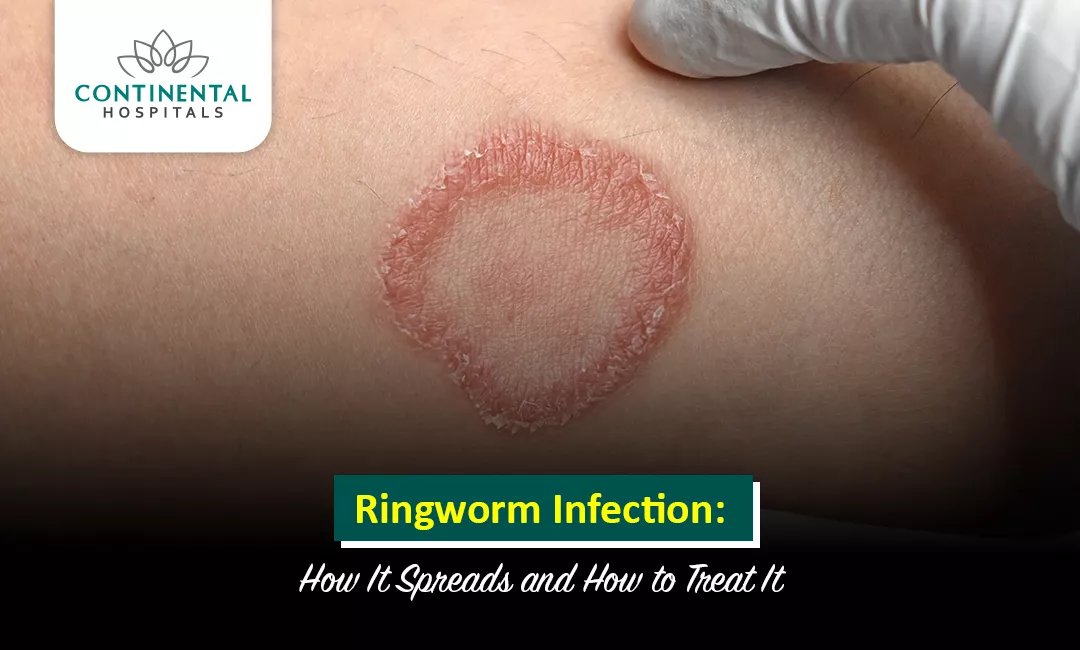
Ringworm infection is a common fungal skin infection that can affect the skin, scalp, feet, and other parts of the body. Despite its name, ringworm is not caused by a worm. It develops when fungi grow on the outer layer of the skin, often producing a circular, red, itchy rash. The infection can affect people of all ages and may spread if it is not treated properly.
Understanding ringworm symptoms, causes, and treatment options can help you recognize the infection early and prevent it from spreading. A ring-shaped skin rash may become itchy, dry, or scaly, and the affected area may gradually increase in size. Although ringworm infection is usually treatable, the right treatment depends on the affected body part and the severity of the infection.
What Are the Common Symptoms of Ringworm Infection?
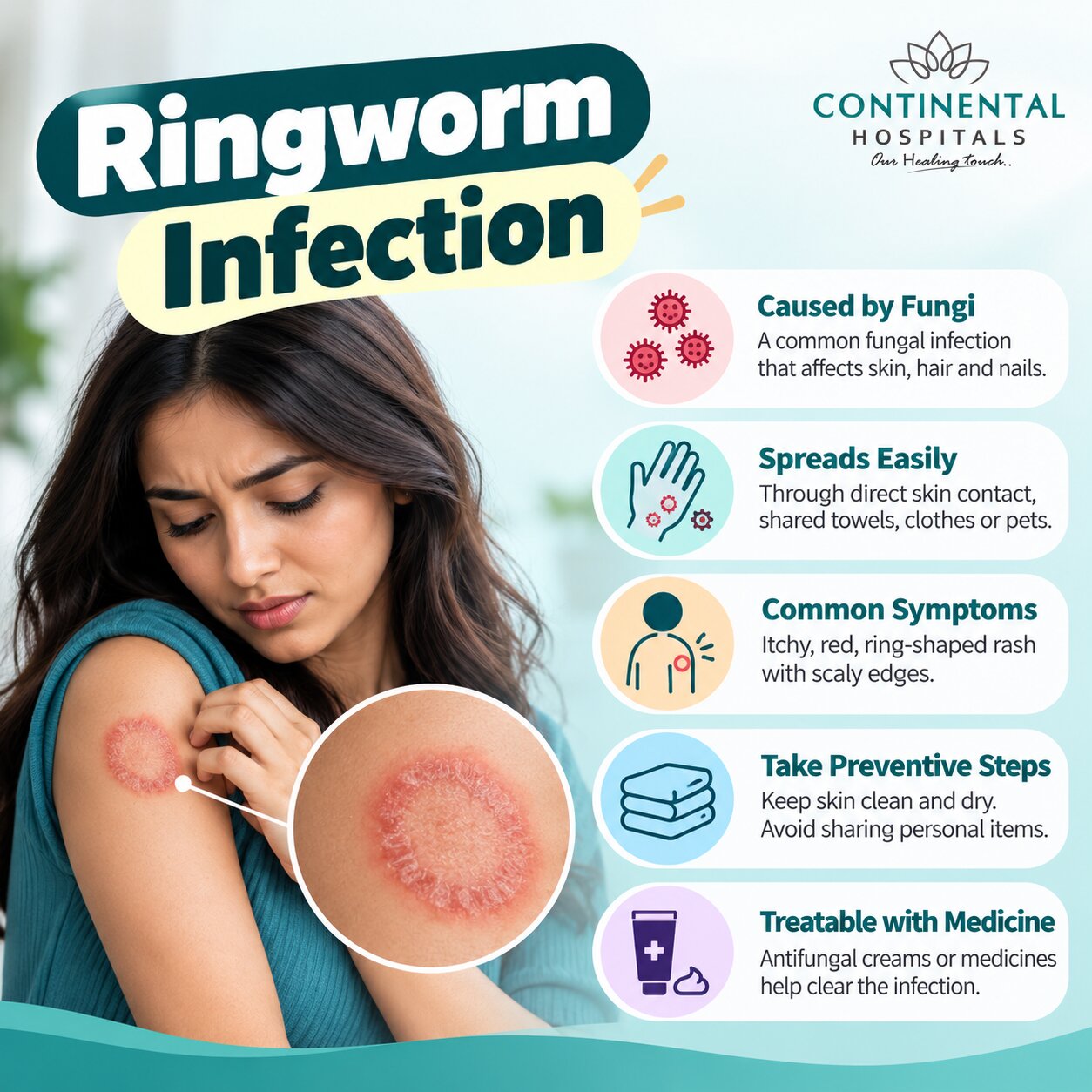
How can you identify ringworm on your skin? The symptoms may vary depending on the affected area, but certain signs are common.
Common ringworm symptoms include:
- Ring-shaped skin rash: A circular or oval rash with a more noticeable outer edge.
- Itching: The affected skin may feel itchy or irritated.
- Redness and scaling: The skin may become red, dry, flaky, or scaly.
- Expanding rash: The affected area may gradually spread outward.
- Changes in the center: The middle of the rash may appear clearer than the outer edge.
- Hair loss: Ringworm affecting the scalp can cause patches of hair loss and scaling.
Ringworm does not always form a perfect ring. If you notice a persistent or spreading rash, consult a healthcare professional for an accurate diagnosis.
Visit the Dermatology Department at Continental Hospitals, Hyderabad, for expert care for various skin conditions.
What Causes Ringworm Infection?
What causes ringworm to develop? Ringworm infection is caused by fungi called dermatophytes, which grow on keratin, a protein found in the skin, hair, and nails.
Factors that may increase the risk of infection include:
- Excessive sweating and prolonged skin moisture.
- Wearing tight clothing that traps heat and moisture.
- Sharing towels, clothing, combs, or personal items with an infected person.
- Walking barefoot in shared bathing areas or changing rooms.
- Having close contact with an infected person or animal.
- Having a weakened immune system.
Warm, moist areas of the body provide suitable conditions for these fungi to grow, making proper hygiene and skin care important.

How Does Ringworm Spread?
Is ringworm contagious? Yes, ringworm can spread from one person to another and through contaminated objects or infected animals.
The infection can spread in several ways:
- Direct skin contact: Touching an infected person's skin can transfer the fungus.
- Contaminated objects: Shared towels, clothes, bedding, and combs may carry the fungus.
- Infected animals: Contact with infected cats, dogs, and other animals can spread the infection.
- Contaminated surfaces: The fungus may survive on certain surfaces, particularly in shared, moist environments.
- Spread across your own body: Scratching an infected area and touching another part of the body may transfer the fungus.
Avoid sharing personal items and keep the affected skin clean and dry to reduce the risk of spreading the infection.
How Is Ringworm Infection Treated?
Can ringworm infection be treated successfully? Yes. Most cases can be treated with antifungal medicines, but the appropriate treatment depends on the location and severity of the infection.
Common treatment options include:
- Antifungal creams: Mild skin infections may respond to creams recommended by a healthcare professional.
- Antifungal powders or sprays: These may help treat certain skin infections and reduce moisture.
- Oral antifungal medicines: Infections affecting the scalp, nails, or extensive areas of skin may require prescription tablets.
- Completing the treatment: Follow the recommended treatment duration, even if the rash begins to improve.
Avoid using steroid creams alone or combination creams without medical advice. Steroids can hide the appearance of ringworm while allowing the fungal infection to worsen or spread. If the rash does not improve, keeps returning, or affects the scalp or nails, seek medical evaluation.
How Can You Prevent Ringworm Infection?
What steps can help prevent ringworm? Simple hygiene habits can reduce the chance of infection and reinfection.
Follow these preventive measures:
- Keep your skin clean and dry, especially between the toes and in skin folds.
- Change out of sweaty clothes promptly.
- Wear clean clothes and socks regularly.
- Avoid sharing towels, clothing, footwear, and personal grooming items.
- Wear footwear in shared showers and changing rooms.
- Wash towels, bedding, and clothing regularly.
- Avoid touching or scratching the affected area.
- Seek veterinary advice if you suspect a pet has a fungal infection.
These steps are especially important if someone in your household has a confirmed ringworm infection.
When Should You Consult a Doctor for Ringworm?
When does a fungal skin infection require medical attention? Consult a doctor if the rash spreads rapidly, causes significant discomfort, keeps returning, or does not improve with appropriate treatment. Medical evaluation is also important if the infection affects the scalp or nails, or if you have diabetes or a weakened immune system.
A doctor may examine the rash and recommend a skin scraping or other tests if the diagnosis is uncertain. This helps distinguish ringworm from conditions such as eczema, psoriasis, and other skin infections.
Why Choose Continental Hospitals for Skin Care?
Why is specialist care important for a persistent fungal skin infection? Not every circular or itchy rash is ringworm, and incorrect treatment may delay recovery.
Continental Hospitals, Hyderabad, provides comprehensive medical care supported by experienced specialists, modern diagnostic facilities, and a multidisciplinary approach. The hospital holds national and international healthcare accreditations, including National Accreditation Board for Hospitals and Healthcare Providers (NABH) and Joint Commission International (JCI), reflecting its commitment to established quality standards and patient safety.
Patients with suspected ringworm infection can seek medical evaluation to identify the cause of their skin symptoms and receive an appropriate treatment plan based on their individual needs.
Conclusion
Ringworm infection is a contagious fungal skin infection that can cause itching, scaling, and a ring-shaped rash. Recognizing ringworm symptoms early, following the recommended antifungal treatment, and maintaining good hygiene can help control the infection and prevent its spread.
If you suffer from a persistent, itchy, or spreading skin rash, consult our best dermatologist in Hyderabad at Continental Hospitals, Hyderabad, for appropriate diagnosis and treatment. Early medical attention can help you manage the infection effectively and protect your skin health.