post-title

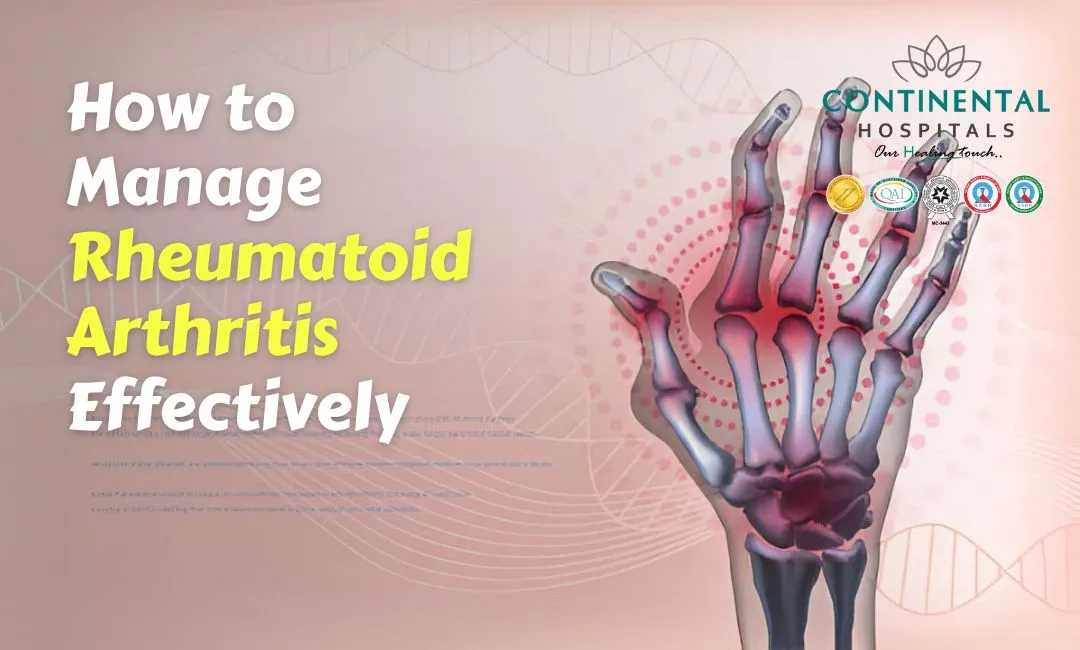
How to Manage Rheumatoid Arthritis Effectively

Written by - Editorial Team
Medically Reviewed by - Dr Arun Reddy Mallu

Rheumatoid arthritis (RA) is a long-term autoimmune condition that can affect more than just your joints. It happens when your immune system mistakenly attacks healthy tissue, causing inflammation, pain, swelling, and stiffness—especially in the hands, wrists, and feet. Over time, it can damage joints and affect other parts of the body like the lungs, eyes, heart, and blood vessels.

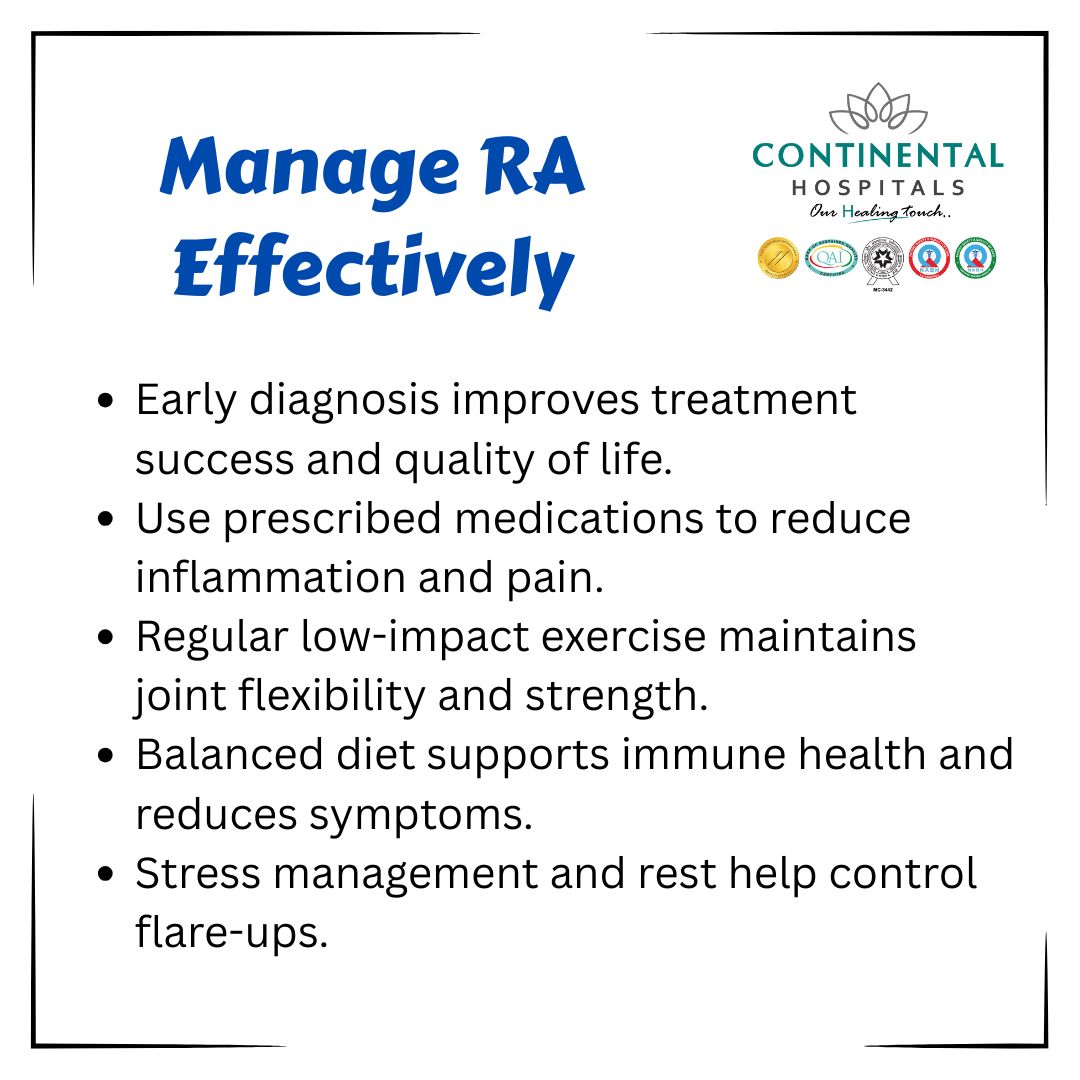
The good news is that with the right care and support, rheumatoid arthritis can be managed effectively. Early treatment, lifestyle changes, and regular follow-ups with your doctor can help reduce pain, protect your joints, and improve your overall quality of life.

Let’s explore how you can manage rheumatoid arthritis in a simple and practical way.

What is rheumatoid arthritis?

Rheumatoid arthritis is not the same as osteoarthritis. While osteoarthritis is caused by wear and tear, RA is an autoimmune disorder. That means your immune system is attacking your own body. Knowing this difference helps you take the right steps.

RA is a progressive condition. The earlier it is diagnosed and treated, the better the outcome. Early signs often include:

  • Morning stiffness lasting more than 30 minutes
  • Swelling and tenderness in joints
  • Fatigue and low-grade fever
  • Weight loss without trying

If you notice these symptoms, consult a rheumatologist promptly.

Joint pain or stiffness affecting your daily life? Visit the top orthopedic doctors in Hyderabad at Continental Hospitals for expert evaluation, advanced RA treatment, and personalized care from experienced orthopedic specialists.
How can I stick to my rheumatoid arthritis treatment plan?

Your doctor may recommend medications to reduce inflammation and slow disease progression. These may include:

Second Opinion

DMARDs (Disease-Modifying Anti-Rheumatic Drugs) – Help control the immune system’s activity

Biologics – Target specific parts of the immune system

NSAIDs (Non-Steroidal Anti-Inflammatory Drugs) – Help relieve pain and reduce swelling

Steroids – Control severe flares and inflammation quickly

Never stop or change your medication without medical advice. Regular monitoring is necessary to check how your body is responding and adjust the treatment accordingly.

How can I stay active with rheumatoid arthritis?

Exercise plays a big role in keeping your joints flexible and muscles strong. Low-impact exercises are best for people with RA. Some helpful activities include:

Exercise also improves mood and energy. It may seem hard to move when you’re in pain, but gentle movement can reduce stiffness over time.

Need an Appointment?

Talk to your doctor or a physiotherapist before starting any new exercise routine.

How does an anti-inflammatory diet help manage rheumatoid arthritis?

Food can play a big role in managing inflammation. Some foods are known to reduce joint pain and boost your immune system. These include:

  • Fatty fish like salmon and sardines
  • Olive oil
  • Leafy green vegetables
  • Berries and citrus fruits
  • Whole grains
  • Nuts and seeds

Avoid processed foods, sugary snacks, and saturated fats, as they may increase inflammation. A balanced diet can also help maintain a healthy weight, which reduces pressure on your joints.

How to manage stress?

Chronic stress can worsen RA symptoms. Stress affects your immune system and may lead to flares. To manage stress:

  • Practice deep breathing and meditation
  • Try guided relaxation techniques
  • Get enough sleep
  • Connect with loved ones or support groups

Setting aside time for self-care is not a luxury—it’s essential for managing a chronic condition like RA.

How Can You Protect Your Joints from Rheumatoid Arthritis?

RA can weaken joints and make everyday tasks painful. Protecting your joints can help avoid further damage:

  • Use assistive devices when needed (like jar openers or walking aids)
  • Avoid repetitive motions
  • Maintain good posture
  • Use both hands to carry items to reduce strain

Occupational therapists can guide you on how to modify activities to protect your joints.

7. Quit Smoking

Smoking is strongly linked to increased RA severity. It can make symptoms worse and reduce the effectiveness of medications. Quitting smoking is one of the most important lifestyle changes you can make if you have RA.

Your doctor can help you find support programs or medications to help you quit successfully.

How do I monitor rheumatoid arthritis symptoms?

RA doesn’t stay the same every day. Keep track of how you feel—note any new symptoms, changes in pain, or side effects from medication. Use a journal or a mobile app to record daily symptoms.

Regularly updating your doctor helps in adjusting your treatment plan quickly.

Why are regular check-ups important for rheumatoid arthritis?

Even if you feel better, keep up with regular visits to your rheumatologist. RA is unpredictable, and routine monitoring helps prevent joint damage before it becomes serious.

Tests like blood work, X-rays, and joint assessments are essential to keep the disease under control.

Why Choose Continental Hospitals for Rheumatoid Arthritis Care?

At Continental Hospitals, Hyderabad, we combine expert care, advanced diagnostics, and personalized treatment plans to help you manage rheumatoid arthritis effectively.

Here’s why patients trust us:

  • Expert Rheumatologists with years of experience in treating autoimmune conditions
  • Multidisciplinary Support including physiotherapy, nutrition, and psychological care
  • State-of-the-art Facilities for diagnostics and ongoing monitoring
  • Personalized Treatment Plans tailored to your symptoms, health status, and lifestyle

We believe in treating more than just the disease. Our goal is to improve your quality of life by providing compassionate, comprehensive care.

When to See a Doctor?

If you are experiencing joint pain, stiffness, swelling, or fatigue that doesn’t go away, don’t ignore it. Early diagnosis and treatment can slow down joint damage and prevent complications.

If you or a loved one suffers from rheumatoid arthritis, book an appointment with a rheumatologist at Continental Hospitals today. Let us help you take control of your health and regain a better quality of life.

Conclusion

Rheumatoid arthritis can be life-altering, but it doesn’t have to control your life. With early treatment, lifestyle changes, and ongoing care, you can live an active, fulfilling life.

Struggling with joint pain or stiffness? Consult our Best Orthopedic Specialists in Hyderabad at Continental Hospitals for expert RA care and relief.

Related Blogs:

  1. Osteoarthritis vs Rheumatoid Arthritis Explained
  2. Tips for Managing Rheumatoid Arthritis Flare-Ups

Frequently Asked Questions

Rheumatoid arthritis is a chronic autoimmune disease in which the immune system mistakenly attacks the lining of the joints. This causes inflammation, pain, swelling, stiffness, and reduced movement. It most commonly affects the hands, wrists, feet, and knees but can involve other joints. Over time, untreated rheumatoid arthritis may damage cartilage, bones, and surrounding tissues. The condition can also affect organs such as the lungs, heart, and eyes. Symptoms often occur on both sides of the body. Early diagnosis and treatment are essential to slow disease progression. Modern medications and lifestyle changes help many people manage symptoms effectively. Regular medical follow up improves long term outcomes and quality of life.
The earliest symptoms of rheumatoid arthritis often include joint pain, swelling, warmth, and stiffness, especially in the morning for more than 30 minutes. Small joints in the hands, wrists, and feet are usually affected first. Many people also experience fatigue, low grade fever, weakness, and loss of appetite. Symptoms generally appear gradually but may develop suddenly in some cases. Joint discomfort often affects both sides of the body. Persistent swelling can make daily tasks difficult. Recognizing these early warning signs is important because prompt treatment can prevent permanent joint damage. Anyone experiencing ongoing symptoms should consult a rheumatologist for evaluation.
Doctors diagnose rheumatoid arthritis by combining medical history, physical examination, blood tests, and imaging studies. Blood tests may include rheumatoid factor, anti CCP antibodies, ESR, and CRP to detect inflammation and immune activity. X rays, ultrasound, or MRI scans help identify joint damage and inflammation. No single test confirms the condition, so doctors evaluate symptoms and test results together. Early diagnosis is important because joint damage can occur within the first few years. A rheumatologist is specially trained to identify and manage rheumatoid arthritis. Timely diagnosis allows treatment to begin before irreversible joint destruction develops.
Treatment for rheumatoid arthritis focuses on controlling inflammation, relieving pain, protecting joints, and preventing long term damage. Disease modifying antirheumatic drugs are the main treatment and help slow disease progression. Biologic therapies and targeted medications may be recommended for moderate to severe disease. Nonsteroidal anti inflammatory drugs and corticosteroids can provide short term symptom relief. Physical therapy and occupational therapy improve mobility and joint function. Regular exercise and maintaining a healthy weight support treatment success. Patients should follow medication schedules carefully and attend routine follow up appointments. Personalized treatment plans offer the best outcomes.
Yes, healthy lifestyle habits play an important role in managing rheumatoid arthritis. Regular low impact exercises such as walking, swimming, and cycling improve flexibility and strengthen muscles around the joints. Eating a balanced diet rich in fruits, vegetables, whole grains, fish, and healthy fats supports overall health. Maintaining a healthy body weight reduces stress on painful joints. Good sleep helps the body recover and reduces fatigue. Stress management techniques such as yoga, meditation, and breathing exercises may ease symptom flare ups. Avoiding smoking is strongly recommended because it can worsen rheumatoid arthritis. Lifestyle changes work best when combined with medical treatment.
There is currently no permanent cure for rheumatoid arthritis, but effective treatments can control symptoms and reduce disease activity. Many people achieve remission where symptoms become minimal or disappear for extended periods. Early diagnosis and consistent treatment greatly improve the chances of preventing joint damage. Taking medications exactly as prescribed is essential for long term disease control. Regular monitoring allows doctors to adjust treatment if needed. Healthy lifestyle habits further improve symptom management. Patients should never stop medications without medical advice. With proper care, many individuals continue to live active and productive lives.
People with rheumatoid arthritis should choose a nutritious diet that supports overall health and helps reduce inflammation. Foods rich in omega 3 fatty acids, such as salmon and sardines, may help reduce joint inflammation. Fresh fruits, vegetables, whole grains, nuts, seeds, and olive oil are also beneficial. Drinking enough water supports overall wellbeing. Processed foods, sugary drinks, excessive red meat, and highly refined carbohydrates should be limited because they may contribute to inflammation. Maintaining a healthy weight also reduces pressure on the joints. A registered dietitian can help create a personalized eating plan based on individual health needs.
You should see a doctor if you experience persistent joint pain, swelling, stiffness, or reduced movement lasting for several weeks. Morning stiffness that lasts longer than 30 minutes is a common warning sign. Symptoms affecting the same joints on both sides of the body should not be ignored. Early medical evaluation helps identify rheumatoid arthritis before significant joint damage develops. Delaying treatment may increase the risk of permanent disability and complications. A rheumatologist can perform specialized assessments and recommend appropriate treatment. Prompt diagnosis and ongoing care improve symptom control and long term quality of life.
Disclaimer: The information provided in this blog is intended for general knowledge and informational purposes only, and does not constitute medical advice. Always consult with a qualified healthcare professional for any medical concerns or before making any decisions about your health.

Get in Touch With Us

Whether you are from India or abroad, we are here to help you with your medical queries. Please fill out the form below and our team will connect with you shortly.

  • ✔ Quick response from our medical experts
  • ✔ Secure data handling & privacy
  • ✔ Easy upload for reports & documents
banner_image

Chat with our medical experts on WhatsApp for quick assistance and hassle-free appointment booking

Recent Posts