post-title

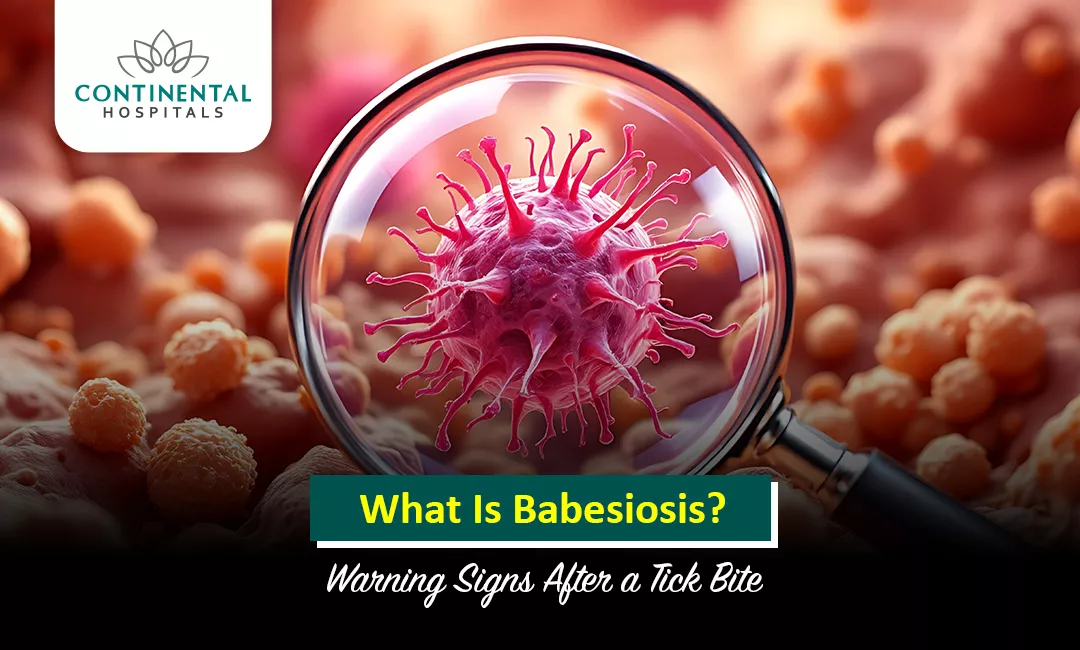
What Is Babesiosis? Warning Signs After a Tick Bite

Written by - Editorial Team
Medically Reviewed by - Dr Santosh Gattu

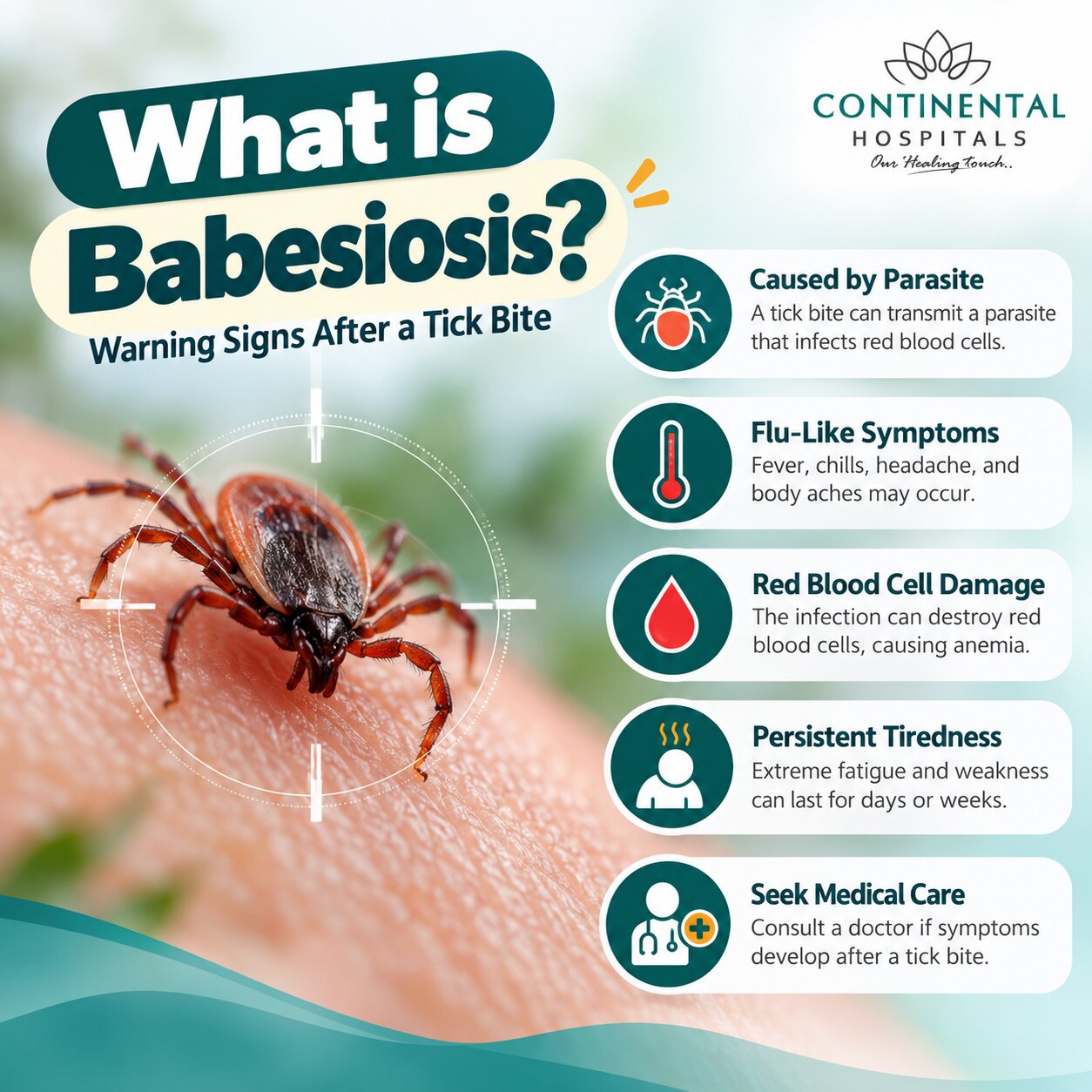
Babesiosis is an infection caused by tiny parasites that enter the body and infect red blood cells. It is usually spread through the bite of an infected tick. These parasites can damage red blood cells and cause symptoms ranging from mild fever to serious illness. Understanding babesiosis, its warning signs, and available treatments can help people recognize the infection and seek medical care early.

Babesiosis is a tick-borne disease that may cause fever, chills, sweating, body aches, and unusual tiredness. Some people may have no symptoms, while others can develop severe complications, especially those with a weakened immune system or no spleen. If you develop a fever after a tick bite, it is important to consult a doctor rather than ignore the symptoms.

What Causes Babesiosis?

What are the main babesiosis causes? The infection is caused by parasites belonging to the Babesia group. These parasites enter the bloodstream through the bite of an infected tick and infect red blood cells.

Babesiosis can spread through the following routes:

  • Infected tick bites: This is the most common route of transmission.
  • Contaminated blood transfusions: Infected blood can sometimes transmit the parasite.
  • Mother to baby: Transmission during pregnancy or childbirth is possible but uncommon.

Babesiosis is more commonly reported in certain parts of North America and some other regions. The risk depends on the local presence of infected ticks. Not every tick bite leads to infection, but symptoms following a bite should be assessed carefully.
What Are the Common Babesiosis Symptoms?

What are the warning signs of babesiosis after a tick bite? Symptoms may develop within weeks after exposure, although the timing can vary. Some people remain symptom-free, making awareness particularly important.

Common babesiosis symptoms include:

  • Fever: A raised body temperature may be one of the first signs.
  • Chills and sweating: These may occur along with fever.
  • Fatigue: Unusual tiredness or weakness may develop as red blood cells are affected.
  • Body aches: Muscle pain and general discomfort can occur.
  • Headache: Some people experience persistent headaches.
  • Loss of appetite: Feeling unwell may reduce the desire to eat.
  • Dark urine: This can occur when red blood cells break down.
  • Pale or yellowish skin: Anemia or increased breakdown of red blood cells may cause these changes.

Symptoms can resemble those of malaria, flu, and other infections. Medical evaluation and appropriate testing are therefore important.

Second Opinion

When Can Babesiosis Become Serious?

Can babesiosis cause complications? Yes. Although some infections are mild, severe cases can affect the blood and other organs.

Possible complications include:

  • Haemolytic anaemia is caused by the destruction of red blood cells.
  • Low platelet counts.
  • Kidney or liver problems.
  • Breathing difficulties.
  • Severe complications in people with weakened immune systems or no spleen.

Seek urgent medical attention if you experience difficulty breathing, confusion, fainting, severe weakness, or yellowing of the skin after a possible tick exposure.

How Is Babesiosis Diagnosed?

How do doctors confirm a babesiosis infection? Diagnosis usually involves reviewing symptoms, possible tick exposure, travel history, and blood test results.

Doctors may recommend:

  • Blood smear examination: A laboratory specialist examines a blood sample for parasites inside red blood cells.
  • PCR testing: This test detects genetic material from the parasite and may help confirm the infection.
  • Complete blood count: This helps identify anemia and changes in platelet levels.
  • Additional blood tests: These may assess liver and kidney function and signs of red blood cell breakdown.

Early diagnosis can help doctors select the right treatment and monitor possible complications.

What Is the Treatment for Babesiosis?

What treatment is available for babesiosis? Treatment depends on the severity of the infection, the patient's overall health, and the type of parasite involved.

Need an Appointment?

Doctors may prescribe a combination of antiparasitic medicines, commonly atovaquone with azithromycin, for appropriate cases. Other medicines may be considered in selected situations. Severe infections may require hospital admission, close monitoring, and supportive treatment. Exchange transfusion may be considered for certain critically ill patients.

Do not take medicines without medical advice. The correct treatment should be selected by a qualified doctor after evaluating the diagnosis and severity.

How Can You Prevent Babesiosis After a Tick Bite?

Can babesiosis be prevented? Reducing exposure to ticks can lower the risk of infection.

Follow these preventive steps:

Wear long sleeves, long trousers, and closed footwear in grassy or wooded areas.

  • Use an appropriate tick repellent according to its label.
  • Check your skin, scalp, clothing, and pets for ticks after outdoor activities.
  • Remove attached ticks promptly with fine-tipped tweezers, grasping close to the skin and pulling steadily upward.
  • Clean the bite area and your hands after removing the tick.
  • Watch for fever, chills, unusual tiredness, or other symptoms after a bite.

If symptoms develop, inform your doctor about the tick exposure, even if the tick has already been removed.

Why Choose Continental Hospitals for Infectious Disease Care?

Why is specialist care important when you develop a fever after a tick bite? Because Babesiosis symptoms can resemble other infections, an appropriate clinical assessment and laboratory investigations are essential.

Continental Hospitals, Hyderabad, offers comprehensive medical care supported by experienced specialists, modern diagnostic facilities, and multidisciplinary expertise. The hospital holds national and international healthcare accreditations, including NABH and Joint Commission International (JCI), reflecting its commitment to healthcare quality, patient safety, and established clinical standards.

Patients with suspected tick-borne infections can receive appropriate medical evaluation and an individualized care plan based on their symptoms and clinical findings.

Conclusion

Babesiosis is a parasitic infection that affects red blood cells and may cause fever, chills, fatigue, and other symptoms. Although some cases are mild, severe infection can lead to serious complications. Recognizing Babesiosis warning signs and seeking timely medical attention are important steps towards appropriate care.

If you suffer from persistent fever, unexplained tiredness, chills, or other symptoms after a tick bite, consult our best infectious disease specialist in Hyderabad at Continental Hospitals, Hyderabad. Early evaluation can help identify the cause of your symptoms and guide appropriate treatment.

Frequently Asked Questions

Babesiosis is an infection caused by microscopic parasites that affect red blood cells. It is usually spread through the bite of an infected tick. These parasites can multiply inside red blood cells and damage them. The infection may cause symptoms ranging from mild illness to severe complications. Some people may have no noticeable symptoms. Fever, chills, sweating, and tiredness are common warning signs. The infection can sometimes cause hemolytic anemia due to red blood cell destruction. Severe cases may affect the kidneys, liver, or other organs. People without a functioning spleen may face a higher risk of serious illness. Older adults and people with weakened immune systems are also at increased risk. Babesiosis is most commonly reported in certain regions, including parts of the United States. Diagnosis usually involves blood tests to detect the parasite or related changes. Early medical evaluation can help identify the infection and guide appropriate treatment.
Babesiosis symptoms can vary depending on the severity of the infection. Some infected people may not develop noticeable symptoms. Fever is one of the most common warning signs. Chills and episodes of sweating may also occur. Many people experience fatigue, weakness, or a general feeling of illness. Headaches and body aches can develop during the infection. Some patients may experience reduced appetite or nausea. The parasite can damage red blood cells and cause anemia. Anemia may lead to pale skin, dizziness, or shortness of breath. Dark-colored urine or yellowing of the skin can occur in more serious cases. Symptoms may begin weeks or even months after exposure. The timing can vary depending on the infection and individual health. Seek medical attention if symptoms develop after a possible tick bite, especially if you have risk factors for severe illness.
Babesiosis is usually transmitted through the bite of an infected tick. The tick carries microscopic parasites that can enter the bloodstream during feeding. The parasites then infect red blood cells. Transmission is associated with certain tick species and geographic regions. The risk depends on whether infected ticks are present in the area. Spending time in wooded areas, brush, or tall grass can increase exposure to ticks. Tick bites may be painless and can go unnoticed. Not every tick carries the parasite that causes babesiosis. Not every tick bite leads to infection. In rare cases, babesiosis can spread through contaminated blood transfusions. Transmission from an infected mother to her baby can also occur, but it is uncommon. Prompt removal of an attached tick can help reduce the risk of certain tick-borne infections. Using suitable repellents and checking the skin after outdoor activities can help prevent tick bites.
Babesiosis symptoms do not always appear immediately after exposure. The incubation period can vary from person to person. Symptoms often develop within several weeks after an infected tick bite. In some cases, the illness may appear months after exposure. The timing can depend on the parasite and the person's immune system. Some people remain without symptoms despite infection. Others may develop fever, chills, sweating, or fatigue. A delayed onset can make it difficult to connect symptoms with an earlier tick bite. People who have received infected blood products may develop symptoms on a different timeline. Those without a spleen or with weakened immunity may experience more severe illness. Keep a record of possible tick exposure if you develop unexplained symptoms. Tell your doctor about outdoor activities and any known tick bites. Do not wait for symptoms to become severe before seeking medical advice.
Babesiosis can range from a mild infection to a life-threatening illness. Some people recover without developing noticeable symptoms. Others may experience fever, chills, and significant fatigue. The parasite can destroy red blood cells and cause hemolytic anemia. Severe anemia may reduce oxygen delivery to body tissues. In serious cases, the infection can lead to kidney or liver complications. Respiratory problems and other organ complications may also occur. People without a spleen have a higher risk of severe disease. Older adults and people with weakened immune systems may also face increased risks. Certain underlying medical conditions can make recovery more difficult. Early diagnosis helps doctors assess the severity and begin appropriate treatment. Emergency medical care is important for confusion, breathing difficulties, fainting, or severe weakness. Prompt assessment is especially important after possible tick exposure in high-risk individuals.
Babesiosis is diagnosed through a medical assessment and laboratory testing. The doctor will ask about symptoms and possible tick exposure. Information about travel and outdoor activities may help identify the risk. A blood smear examined under a microscope can reveal the parasites inside red blood cells. Blood tests can also help detect anemia and other abnormalities. Repeated blood smears may sometimes be needed if the first test is negative. Polymerase chain reaction testing can help detect the parasite's genetic material. Additional tests may be recommended depending on the patient's condition. Doctors may assess kidney and liver function in more serious cases. Symptoms alone cannot reliably confirm babesiosis. The infection can resemble malaria and other illnesses, so accurate testing is important. Tell your doctor about any recent travel to areas where babesiosis occurs. Early diagnosis helps guide treatment and reduce the risk of complications.
Treatment for babesiosis depends on the severity of the infection and the patient's health. Some people without symptoms may only require medical monitoring. Symptomatic infections generally need assessment by a qualified doctor. A commonly used treatment for many uncomplicated cases combines atovaquone and azithromycin. Other medicines may be considered in selected severe cases. The choice of treatment depends on clinical findings and individual circumstances. People with severe disease may require hospital admission. Doctors may monitor blood counts and organ function during treatment. Severe anemia or other complications can require additional supportive care. In some life-threatening cases, an exchange transfusion may be considered. Patients with weakened immune systems may need longer treatment and follow-up. Do not take antibiotics or antiparasitic medicines without medical guidance. Follow the prescribed treatment plan and attend recommended follow-up appointments. Seek urgent care if symptoms worsen or new warning signs develop.
Reducing tick exposure is the main way to help prevent babesiosis. Avoid walking through tall grass and dense vegetation when possible. Wear long sleeves, long trousers, and closed footwear in tick-prone areas. Tuck trousers into socks when walking through areas with a high tick risk. Use an appropriate insect repellent according to its label instructions. Treat clothing and outdoor gear with suitable tick-repellent products when recommended. Check your skin, scalp, clothing, and gear after spending time outdoors. Examine children and pets for ticks after outdoor activities. Showering soon after returning indoors may help you find ticks more easily. Remove attached ticks promptly using fine-tipped tweezers. Grasp the tick close to the skin and pull upward steadily without twisting. Clean the bite area and your hands after removal. Seek medical advice if you develop fever or other concerning symptoms after possible tick exposure.
Seek medical advice if you develop fever, chills, or unusual fatigue after a possible tick bite. Mention any recent travel to areas where babesiosis is common. Explain when the bite occurred and whether the tick was removed. Contact a doctor if you experience persistent weakness or unexplained flu-like symptoms. Pale skin, dizziness, or shortness of breath may indicate anemia. Dark urine or yellowing of the eyes or skin requires prompt medical evaluation. People without a spleen should seek advice quickly if infection is suspected. Older adults and people with weakened immune systems should also be assessed promptly. A doctor may recommend blood tests based on your symptoms and exposure history. Do not assume that the absence of a visible tick bite rules out infection. Seek emergency care for severe breathing difficulties, confusion, fainting, or rapidly worsening symptoms. Early assessment can help identify complications and guide appropriate care. Follow your doctor's advice regarding testing, treatment, and follow-up.
Disclaimer: The information provided in this blog is intended for general knowledge and informational purposes only, and does not constitute medical advice. Always consult with a qualified healthcare professional for any medical concerns or before making any decisions about your health.

Get in Touch With Us

Whether you are from India or abroad, we are here to help you with your medical queries. Please fill out the form below and our team will connect with you shortly.

  • ✔ Quick response from our medical experts
  • ✔ Secure data handling & privacy
  • ✔ Easy upload for reports & documents
banner_image

Chat with our medical experts on WhatsApp for quick assistance and hassle-free appointment booking

Recent Posts